
Scientists warn rising temperatures will fuel decades of extreme heat across the U.S., threatening health, infrastructure, and daily life.
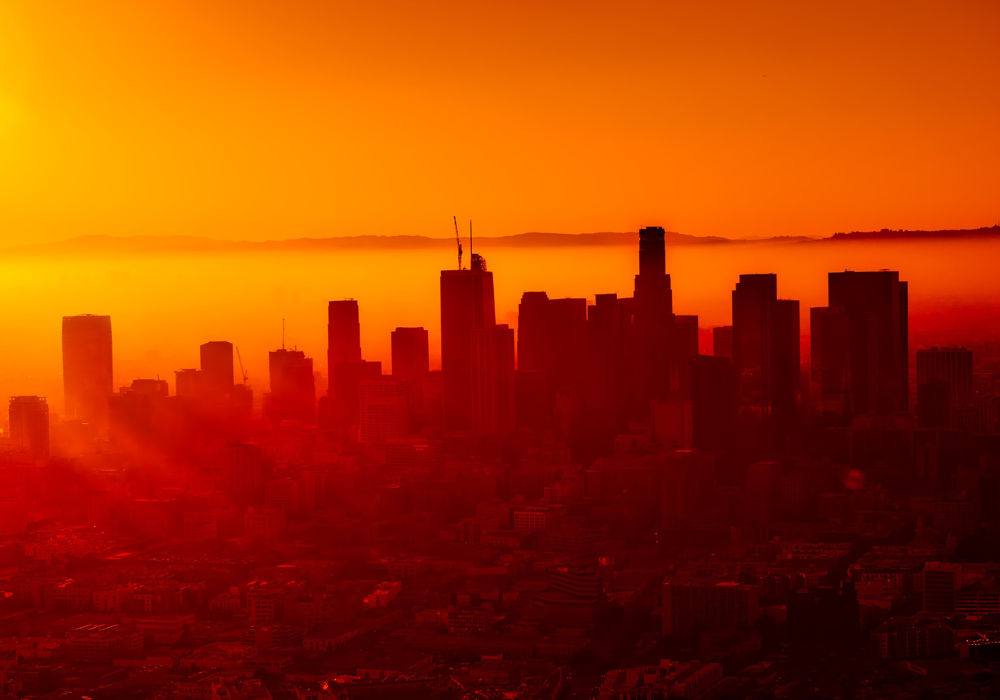
Relentless heat is becoming the United States’ new normal, with scientists warning it will grip the nation for decades. According to researchers at the National Oceanic and Atmospheric Administration, rising global temperatures are fueling longer, more intense heat waves that strain infrastructure, damage crops, and threaten public health. In some regions, the number of dangerously hot days has doubled compared to historical averages.
As communities adapt to this shifting climate reality, experts say preparation—both at the individual and government level—will be key to reducing risks. But even the most aggressive adaptation measures can’t fully eliminate the impacts already locked in.
1. Record-breaking summers will become routine

NOAA climatologists report that the frequency of summers breaking historical heat records has risen sharply over the past two decades. This trend is expected to continue as average temperatures climb, making today’s record highs tomorrow’s seasonal norms. Such conditions will strain power grids, challenge public health systems, and reshape outdoor work schedules.
Prolonged exposure to heat above 90°F increases the risk of heat stroke, especially for vulnerable populations. Experts stress that communities need to prepare cooling centers, expand shaded public spaces, and update building codes now to handle temperatures that will no longer be anomalies, but regular seasonal occurrences.
2. Longer heat waves will stress health systems

The Centers for Disease Control and Prevention notes that extended heat waves—lasting a week or more—are becoming more common across much of the U.S. Prolonged heat pushes hospitals to their limits, with increased admissions for dehydration, heat exhaustion, and cardiovascular stress. Rural hospitals, often with fewer resources, are especially vulnerable.
These events also worsen chronic conditions like asthma by increasing ground-level ozone. Public health experts recommend early-warning systems, expanded emergency staffing, and community outreach programs to ensure at-risk populations have access to cooling resources before dangerous heat levels are reached, reducing preventable hospitalizations and heat-related deaths in the process.
3. Nights will stay hot, offering no relief

One of the most dangerous aspects of climate-driven heat waves is the rise in nighttime temperatures. When nights fail to cool below 75°F, the body can’t recover from daytime heat stress, increasing the risk of illness and death. These “hot nights” also raise indoor temperatures, making it harder for those without air conditioning to sleep or function.
Meteorologists warn that in some cities, nighttime lows are warming faster than daytime highs. This creates a constant thermal burden, especially for the elderly. Communities can adapt by promoting reflective roofing, improved insulation, and expanded access to affordable home cooling solutions.
4. Agricultural losses will rise sharply
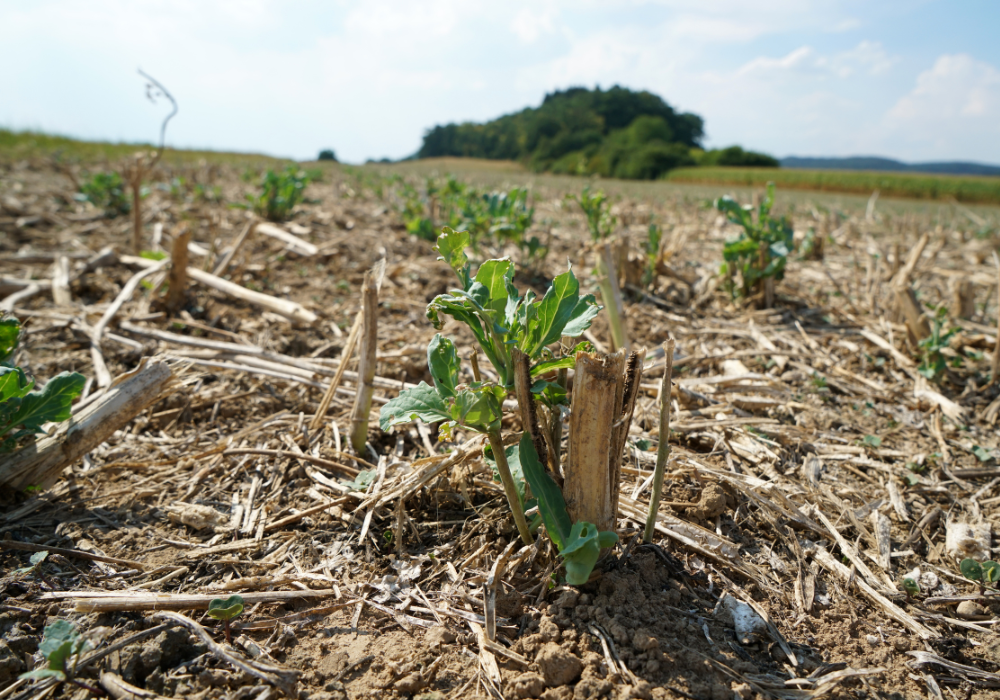
Farmers across the Midwest and South are already experiencing reduced yields from heat stress on crops. Prolonged high temperatures can disrupt pollination, stunt growth, and increase water demand during critical growing periods. Livestock are also affected, with heat stress reducing milk production, weight gain, and reproductive success. Agricultural economists warn that these impacts will ripple into higher food prices for consumers nationwide.
Expanding irrigation infrastructure, shifting planting schedules, and adopting heat-tolerant crop varieties are among the strategies being explored. However, the pace of warming is making adaptation harder, and some regions may no longer be viable for traditional crops.
5. Water shortages will intensify

Higher temperatures accelerate evaporation from reservoirs, rivers, and soil, putting additional strain on already scarce water supplies in arid regions. States like Arizona, Nevada, and California are seeing earlier snowmelt and reduced river flows, diminishing a critical source of summer water.
This compounds existing drought challenges, threatening agriculture, urban water supplies, and hydropower generation. Water managers are implementing conservation measures, investing in desalination, and exploring wastewater recycling. But without coordinated policy changes, experts warn that competition for water will intensify, leading to economic and political tensions between regions dependent on the same resources.
6. Power grids will face greater strain
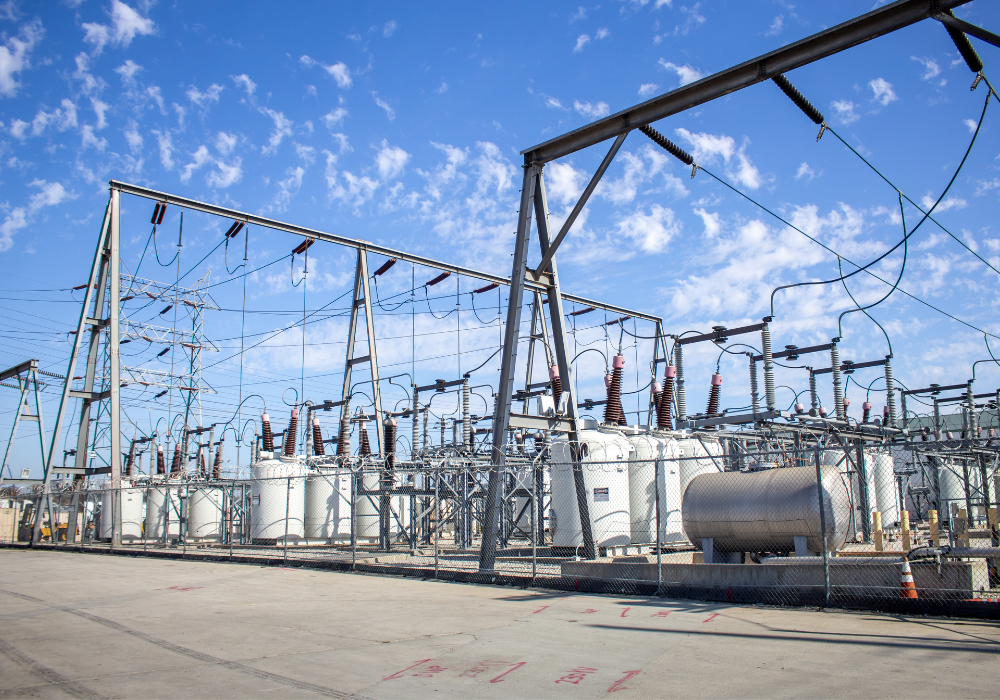
As heat waves lengthen and intensify, demand for air conditioning will soar, testing the limits of aging power infrastructure. Blackouts during extreme heat events are particularly dangerous, cutting off cooling in homes and hospitals when it’s needed most. Utilities are investing in grid upgrades, battery storage, and renewable energy to improve reliability.
Some cities are also incentivizing off-peak energy use to flatten demand spikes. Still, without rapid modernization, experts caution that grid failures could become more frequent during prolonged heat, creating a dangerous feedback loop of rising demand, equipment stress, and service interruptions during critical periods.
7. Urban areas will heat faster than rural ones
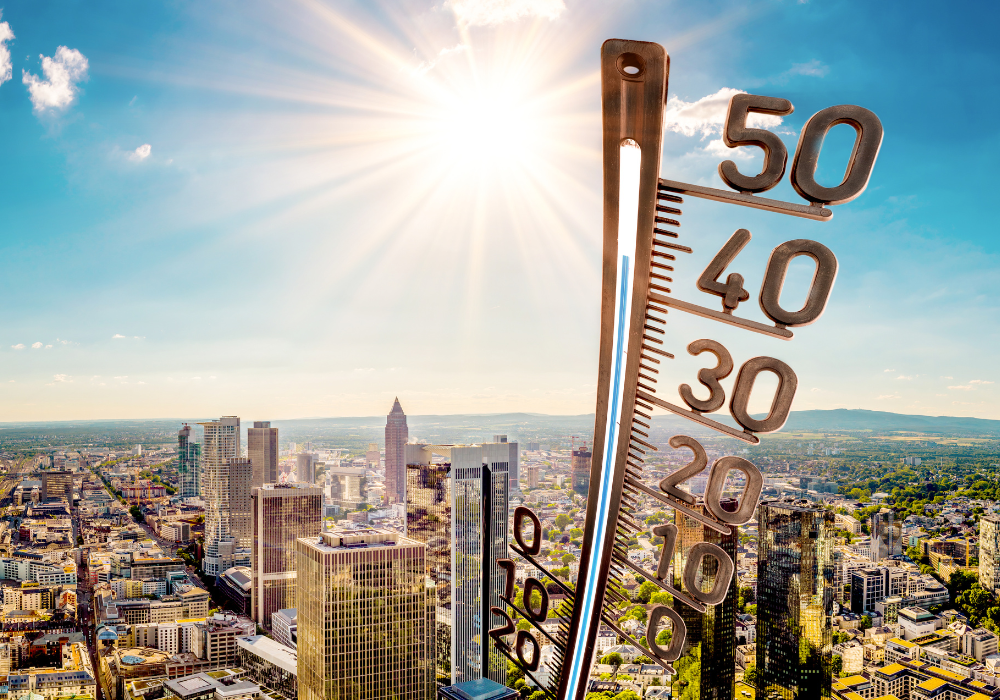
The “urban heat island” effect—caused by heat-absorbing concrete, asphalt, and buildings—can raise city temperatures by 5–10°F compared to nearby rural areas. As climate change drives overall temperatures higher, these heat islands become even more hazardous, especially for residents without access to green spaces or cooling. City planners are responding with tree-planting initiatives, reflective roof mandates, and increased shaded public spaces.
These measures can significantly lower neighborhood temperatures, but their benefits take years to materialize. Without urgent implementation, millions of urban residents will face escalating risks from compounding heat effects in the decades ahead.
8. Air quality will deteriorate during hot spells

High temperatures accelerate chemical reactions that create ground-level ozone, a key component of smog. Poor air quality during heat waves can worsen asthma, bronchitis, and other respiratory conditions, particularly in children and the elderly. In some cities, air quality alerts now coincide with heat advisories, creating a double public health threat.
Reducing vehicle emissions, expanding public transit, and transitioning to cleaner energy sources can mitigate these impacts, but until then, residents may need to limit outdoor activity during extreme heat. Public health agencies are urging increased monitoring and public communication to reduce exposure risks during such events.
9. Wildfire seasons will expand

Hotter, drier conditions lengthen the window for wildfires, increasing the risk of large, destructive blazes. Higher temperatures dry out vegetation more quickly, creating abundant fuel for ignition. In the West, wildfire season has already extended by several weeks compared to past decades. These fires destroy homes, displace communities, and blanket regions in hazardous smoke, further worsening health impacts during heat events.
Fire agencies are investing in early detection systems, prescribed burns, and community defensible space programs. However, experts warn that without addressing the underlying climate drivers, wildfire threats will continue to grow alongside extreme heat trends.
10. Infrastructure will degrade faster

Roads, railways, and runways are designed to operate within certain temperature ranges. Prolonged extreme heat can cause asphalt to soften, steel rails to expand, and concrete to crack. These damages not only disrupt transportation but also require costly repairs and replacements. Some states are testing heat-resistant materials and adjusting maintenance schedules to account for higher temperatures.
Without such adaptations, infrastructure failures could become more frequent, leading to economic losses, delayed emergency responses, and reduced resilience during disasters. The financial burden of constant repairs will weigh heavily on state and local budgets.
11. Coastal regions will feel compounding impacts
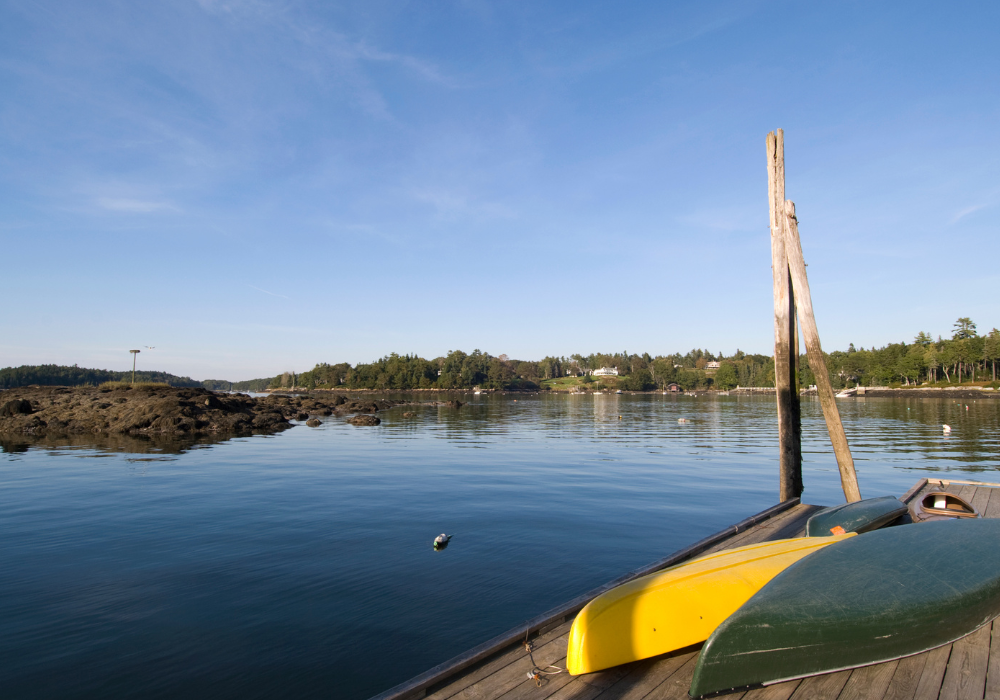
While coastal areas often benefit from cooling sea breezes, rising ocean temperatures can weaken this effect. Warmer waters also contribute to more humid air, making heat waves feel even more oppressive. In addition, many coastal cities face the dual threat of extreme heat and flooding from storms or sea-level rise.
Emergency managers are increasingly planning for multi-hazard events, such as a heat wave coinciding with a tropical storm, which could strain resources to breaking points. Integrating heat resilience into coastal flood management is becoming a priority for communities on both the Atlantic and Pacific coasts.
12. Outdoor laborers will face greater health risks

Construction workers, farm laborers, delivery drivers, and other outdoor workers are on the frontlines of heat exposure. Extended hours in high temperatures increase the risk of heat stroke, dehydration, and long-term kidney damage. Employers are under growing pressure to provide shaded rest areas, water breaks, and adjusted work hours during peak heat.
Some states are considering or have implemented heat protection standards for workers, but enforcement remains inconsistent. Without stronger protections, labor groups warn that the toll on worker health and productivity will rise sharply in the coming decades.
13. Vulnerable communities will be hit hardest
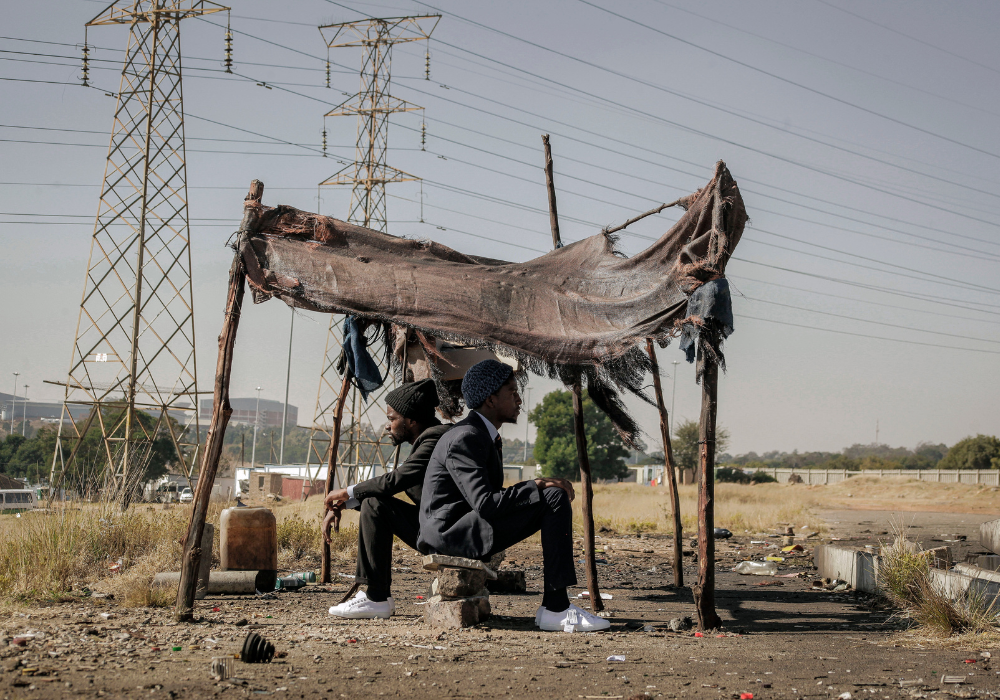
Low-income neighborhoods often have fewer trees, less green space, and limited access to air conditioning, making them more susceptible to extreme heat impacts. Renters may be unable to make cooling upgrades, and energy costs can deter consistent AC use.
Public health officials emphasize that equity must be central to heat adaptation plans, with targeted funding for cooling centers, energy assistance, and neighborhood greening programs. Without these measures, the gap between communities that can adapt and those that cannot will widen, deepening existing health and economic disparities in the era of relentless heat.