
Ancient tracks from New Mexico show children moving through landscapes shared with massive Ice Age animals.
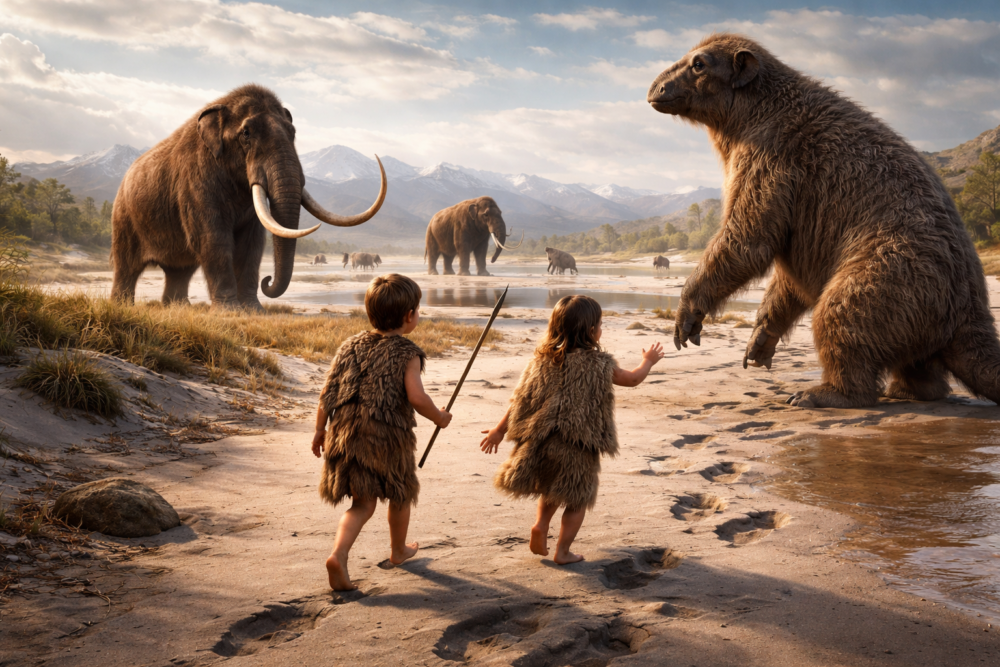
Long before written history, people left behind fleeting traces of daily life that rarely survive. But in the gypsum sands of southern New Mexico, a remarkable record endured.
Rediscovered footprints preserved at White Sands National Park reveal children walking across the landscape at the same time giant Ice Age animals roamed the region.
The tracks don’t just show who was there—they capture a moment when humans and megafauna shared the same ground, sometimes within steps of one another.
1. The footprints were preserved in an unlikely place
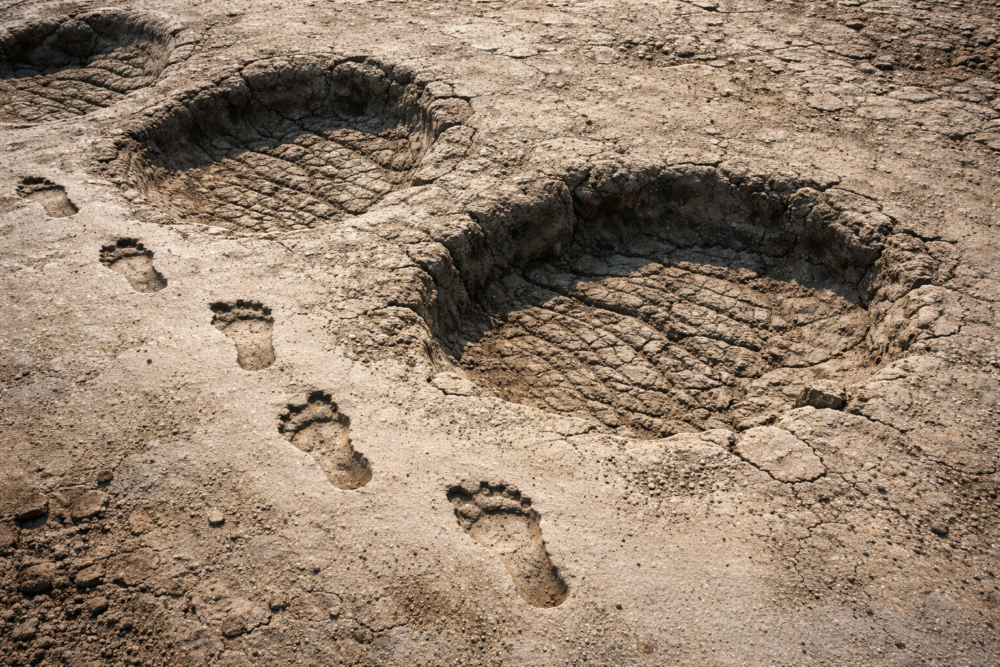
The tracks were found in ancient lakebed sediments, now hardened beneath layers of windblown gypsum. These conditions allowed delicate impressions to survive for tens of thousands of years.
Normally, footprints erode quickly. At White Sands, rapid burial followed by drying locked them in place. This rare combination turned ordinary footsteps into a lasting archaeological record.
2. Many of the tracks were made by children
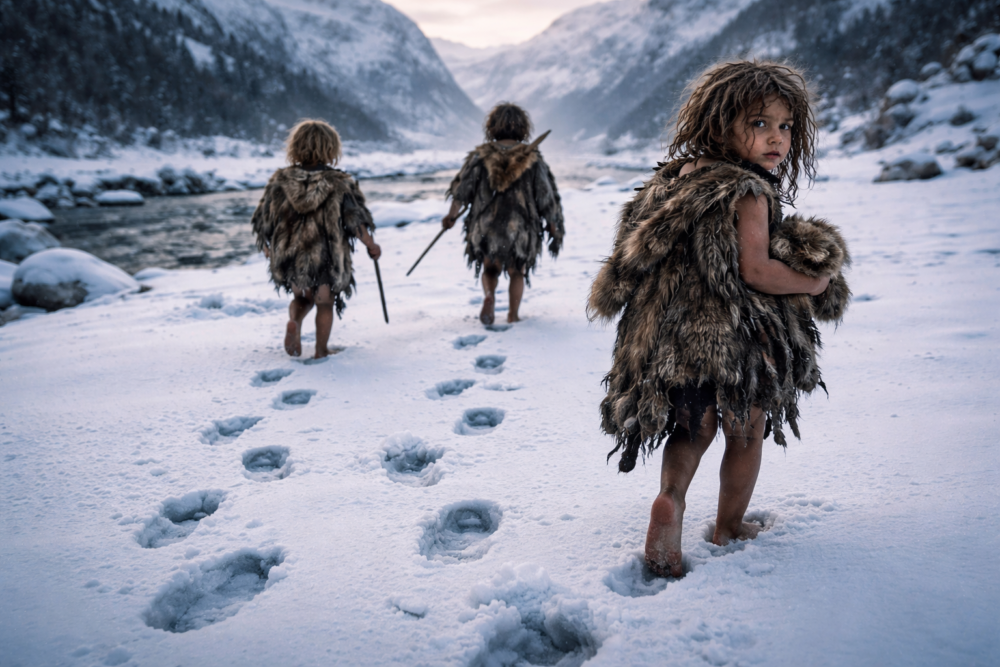
Researchers identified smaller footprints based on size, stride length, and foot shape. Several trackways clearly belonged to children rather than adults.
Some paths show playful or wandering movement rather than direct travel. This suggests children were moving freely through the landscape, not just following adults during a hunt or migration.
3. Giant Ice Age animals left tracks nearby
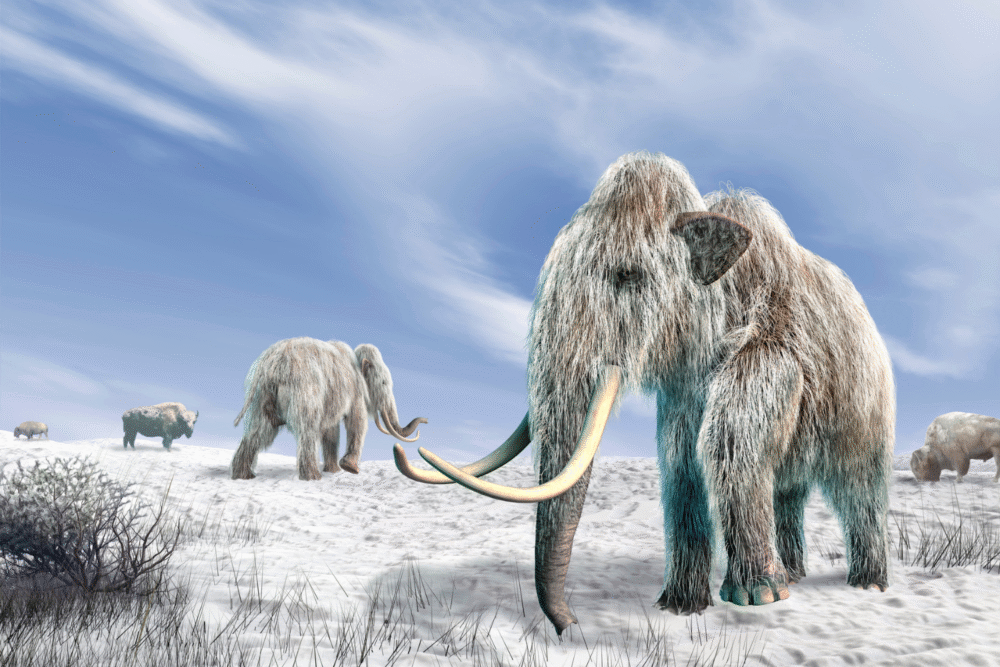
Alongside human footprints are tracks from massive Ice Age animals such as mammoths and giant ground sloths. In some areas, the animal and human tracks overlap or cross.
This close proximity shows that people and megafauna were present at the same time. It places children in environments that included animals far larger and more dangerous than anything alive today.
4. The tracks suggest shared landscapes, not distant coexistence
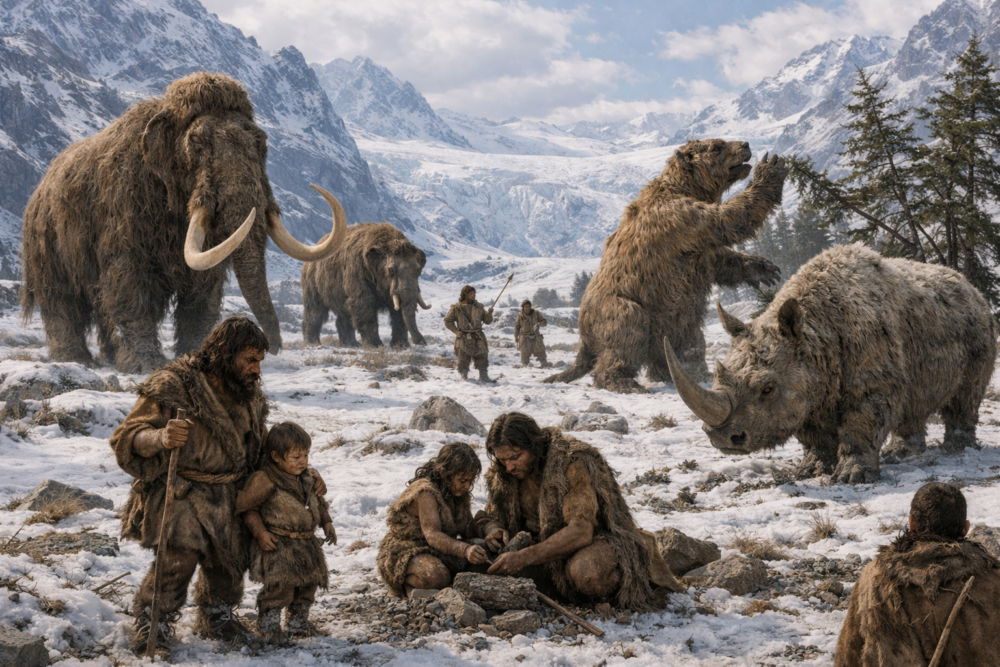
The footprints indicate humans and animals weren’t separated by time or space. They were using the same corridors, shorelines, and muddy ground.
In some cases, animal tracks appear to react to human presence, changing direction or pattern. This hints at awareness between species rather than accidental overlap.
5. Children were part of everyday Ice Age life
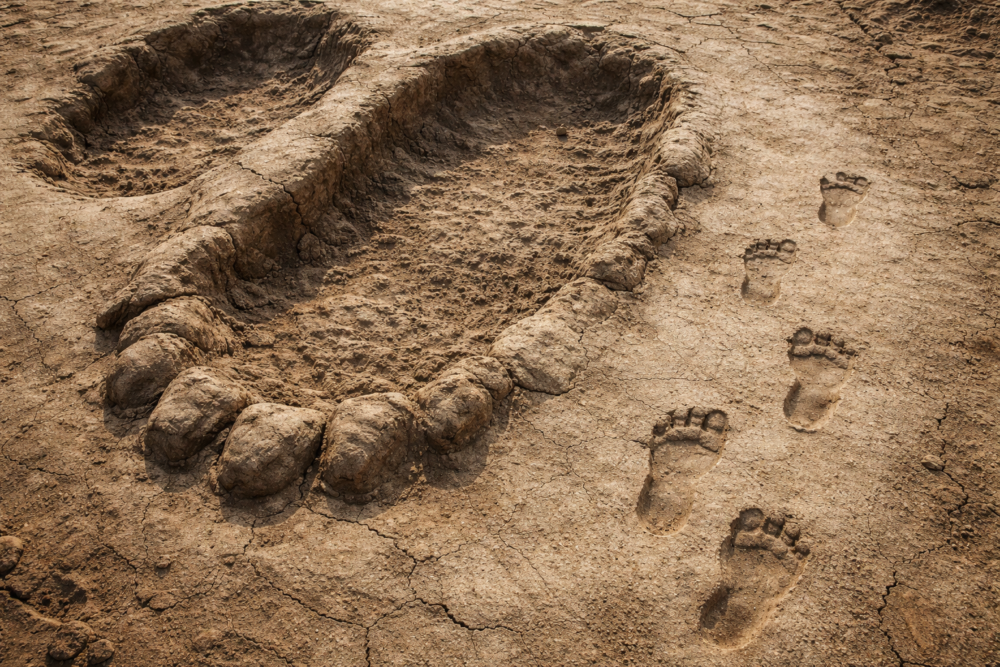
The presence of child footprints suggests young people weren’t kept apart from daily activities. They moved through the same environments as adults and animals.
This challenges modern assumptions that Ice Age life was strictly controlled or segregated by age. Children appear to have been active participants in their communities.
6. The tracks offer rare insight into behavior
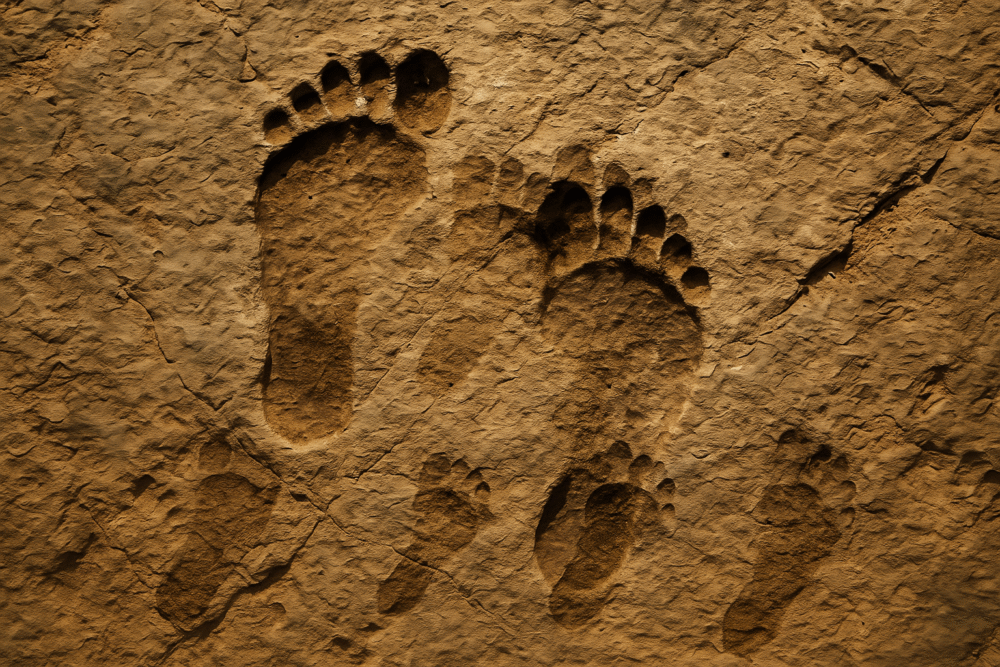
Footprints don’t just show who was present—they show how they moved. Stride length, pacing, and direction reveal moments of hesitation, play, or curiosity.
Unlike tools or bones, tracks capture behavior in motion. For scientists, this provides a more personal glimpse into Ice Age life.
7. Dating places the footprints deep in the Ice Age

Analysis of sediment layers and organic material indicates the tracks are roughly 21,000 to 23,000 years old. That places them during the last Ice Age, earlier than once believed humans occupied the region.
This timing reshapes understanding of when people lived in North America. It also confirms humans and megafauna overlapped for thousands of years.
8. Walking “beside” doesn’t mean constant interaction
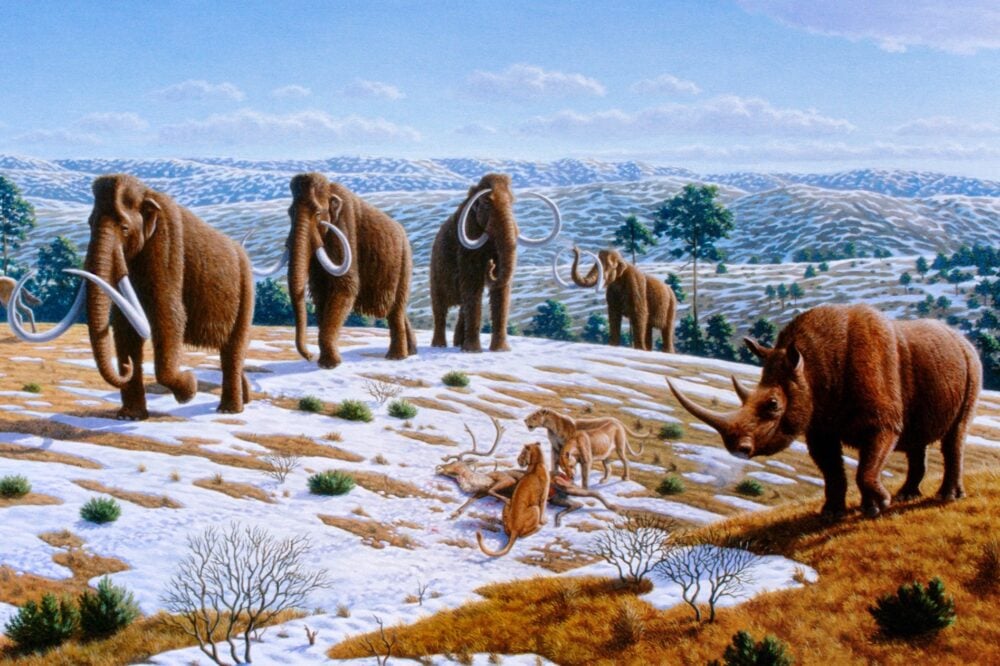
Scientists are careful with interpretation. The tracks show proximity and coexistence, not necessarily continuous side-by-side movement.
Still, the evidence supports the idea that children moved through landscapes actively used by giant animals. The risk and awareness involved would have been real.
9. The findings challenge old assumptions about early humans
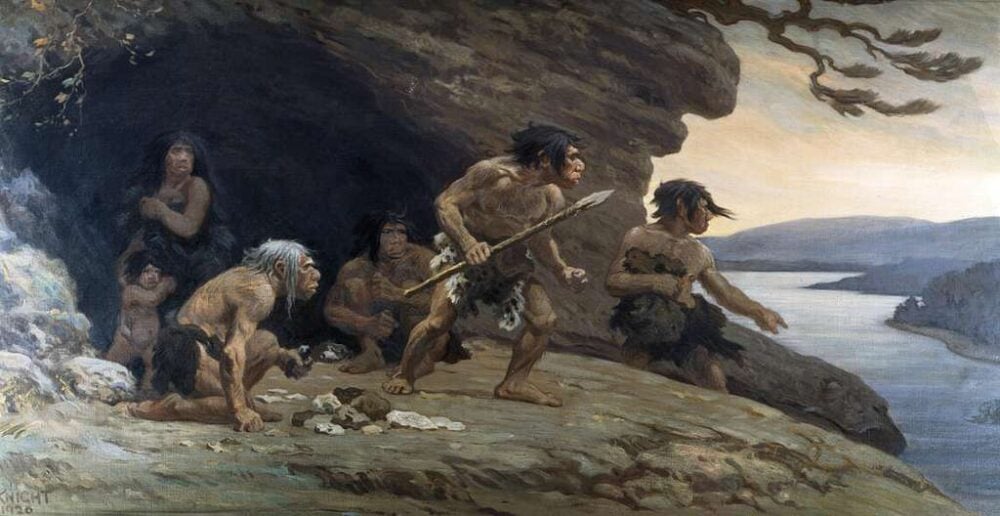
For decades, researchers pictured Ice Age humans as primarily adult hunters. The footprints complicate that image.
They show family groups, including children, occupying and navigating complex environments. This paints a fuller picture of social life in the Ice Age.
10. White Sands is now one of the world’s richest track sites
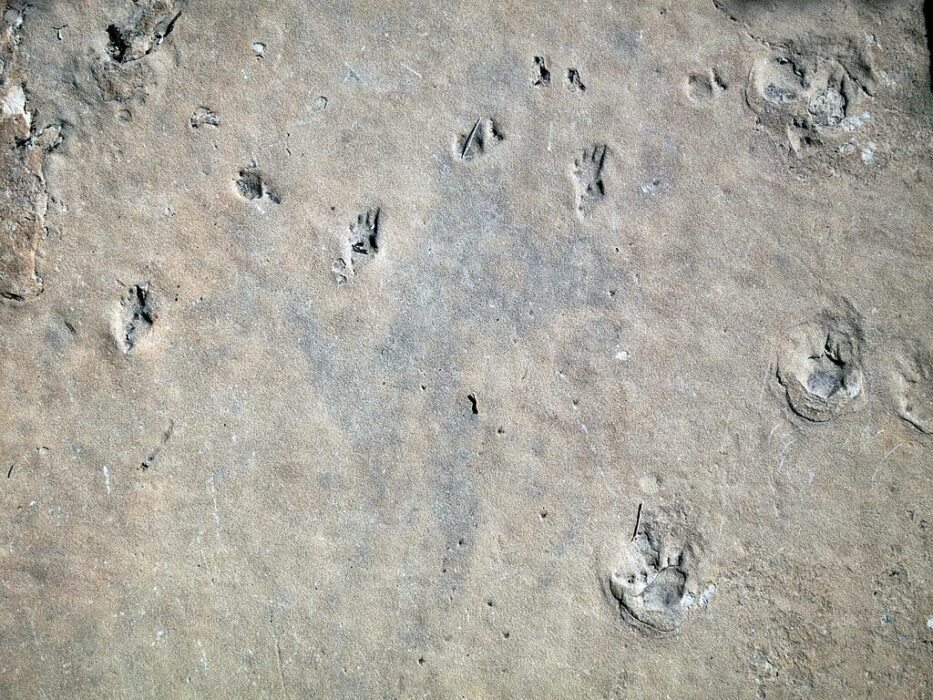
The park contains thousands of human and animal footprints across multiple layers. Each discovery adds context to the others.
Together, the tracks form a detailed snapshot of a vanished ecosystem. Few places on Earth preserve such an intimate record of ancient life.
11. The footprints turn prehistory into a human story
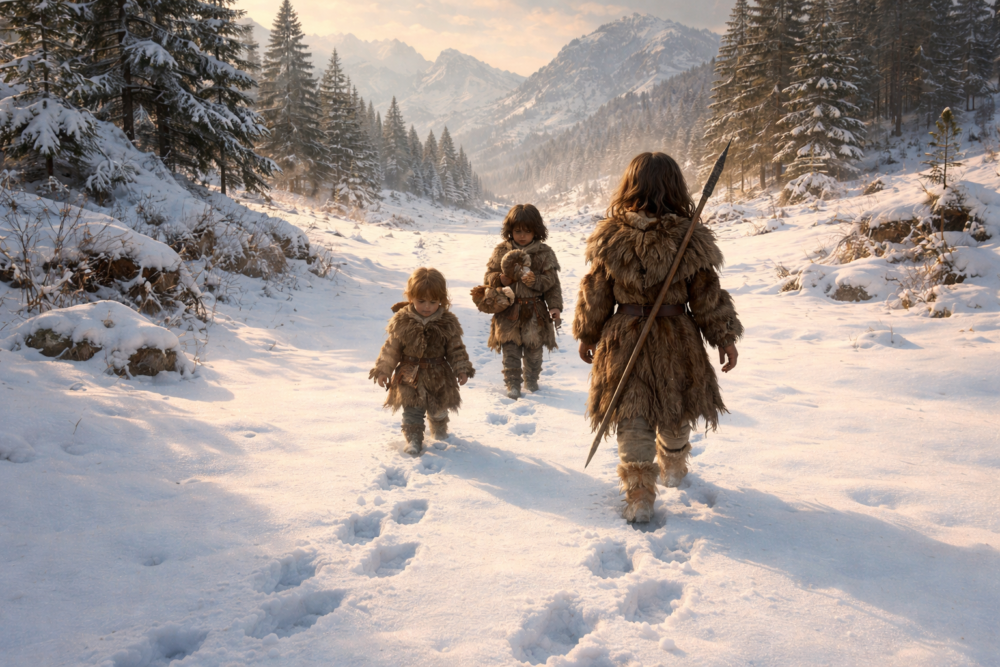
Seeing the small footprints beside massive animal tracks makes the past feel immediate. It’s no longer abstract dates and species lists.
These tracks remind us that Ice Age landscapes were lived-in places. Children walked there, animals roamed there, and for brief moments, their paths crossed—leaving stories written in stone.