
A simple recycling solution could help restore beaches threatened by rising seas and stronger storms.

Coastal erosion poses significant threats to ecosystems and communities worldwide, prompting the search for sustainable solutions. Recycled glass emerges as a promising material, combining durability and environmental benefits to help stabilize shorelines. By repurposing waste glass, this approach reduces landfill burden and conserves natural resources while supporting marine habitats. Experts from NOAA and the USGS recognize recycled glass as a practical component in innovative erosion control methods.
1. Recycled glass reduces waste sent to landfills and oceans.
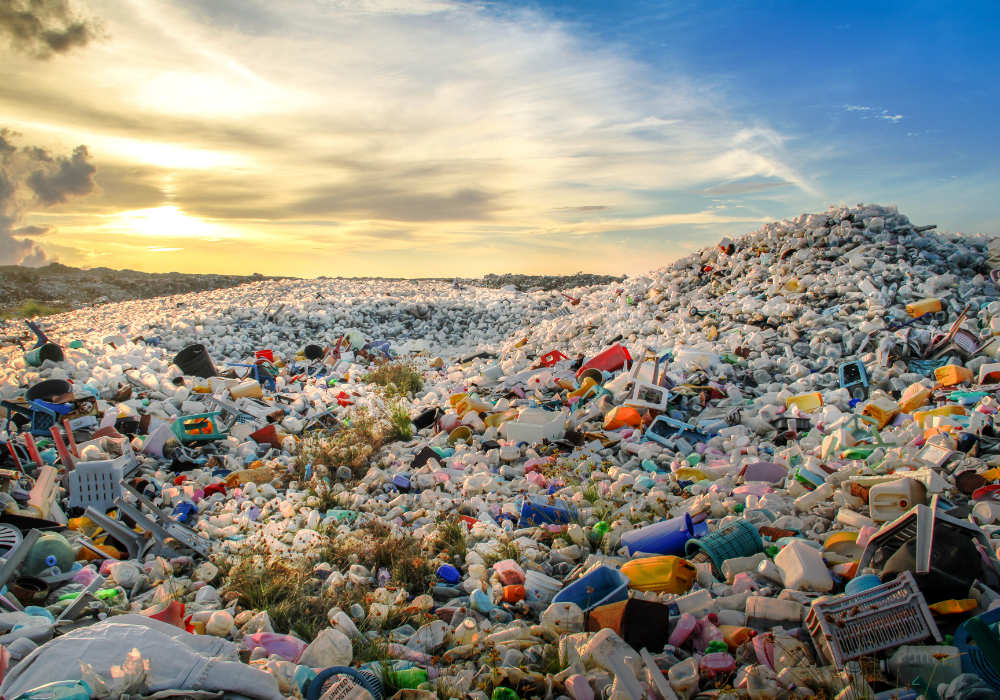
Recycling glass turns potential waste into a resource, minimizing landfill pressure. Coastal areas benefit as less glass ends up in the oceans. A single recycled glass bottle saves enough energy to power a computer for 25 minutes, demonstrating its environmental potential.
Shifting glass from landfills to coastlines not only helps in erosion control but also contributes to ocean health. When diverted from waste heaps, this material transforms into a tool for shoreline protection, underscoring a dual environmental benefit. Conservation efforts grow more sustainable and impactful.
2. It provides a sustainable alternative to traditional coastal materials.

Traditional coastal materials often include sand and gravel, sourced through activities that impact natural habitats. Using recycled glass offers a sustainable choice. Glass aggregates, derived from waste, serve as replacements without the environmental drawbacks of traditional extraction.
Emphasizing sustainability, recycled glass fosters eco-friendly coastal solutions. Unlike mined aggregates, it involves no new extraction and reduces resource depletion. This method aligns with broader sustainability goals, protecting coastlines while promoting responsible resource management.
3. Crushed glass can improve shoreline stabilization and reduce erosion.

Crushed glass, through its unique physical properties, provides an innovative solution for combating shoreline erosion. Its structure helps stabilize soil particles, reducing their displacement by wind or water. A mix of sizes creates interlocking surfaces, enhancing stability.
Coastal erosion mitigation benefits from the hardness of crushed glass, which resists environmental forces. By mimicking the natural interactions seen in stable beaches, it lessens erosion risk. This practical approach showcases recycled glass as a workable, nature-mimicking solution.
4. Using recycled glass lowers the carbon footprint of coastal projects.

Utilizing recycled glass in coastal projects significantly decreases greenhouse gas emissions. Traditional construction materials often involve energy-intensive processes. Reusing glass reduces reliance on new production, contributing to a lower carbon footprint for construction activities.
Environmentally, this shift supports climate-friendly coastal management. Instead of contributing to increased emissions, recycled glass aligns project goals with sustainability. Its inclusion helps meet carbon reduction targets, advancing eco-conscious development.
5. Glass aggregates create durable surfaces that withstand harsh marine conditions.

In harsh marine environments, durability matters. Glass aggregates create resilient surfaces that withstand waves, salt, and wind. Their abrasion resistance maintains structural integrity over time, essential for long-lasting shoreline protection.
Innovation meets practicality with recycled glass, offering lasting solutions for coastal challenges. Erosion-prone areas become fortified by a material that resists damage while preserving natural coastal characteristics. Count durability among glass’s key advantages.
6. It promotes circular economy practices within coastal management.

Integrating recycled glass into coastal processes supports circular economy principles. By reusing materials, it extends the lifecycle of glass, creating continuous loops in resource utilization. Coastal applications benefit through reduced waste and sustained ecological balance.
Circular practices contribute significantly to responsible coastal management. Recycled glass exemplifies this by seamlessly re-entering use cycles, reducing reliance on virgin materials. This forward-thinking approach aids in maintaining both economic and environmental health.
7. Recycled glass helps conserve natural resources like sand and gravel.

Natural resources like sand and gravel face mounting pressures from overextraction. Recycled glass offers a viable option, safeguarding these resources. When employed in coastal applications, it lessens dependence while fulfilling similar functional roles.
By conserving raw materials, recycled glass contributes to broader environmental aims. It frees alternative resources for ecological restoration and biodiversity preservation, exemplifying responsible material management. This conservation aligns with long-term sustainability objectives.
8. The material supports habitat restoration for coastal and marine life.

Supporting habitat restoration, recycled glass benefits marine ecosystems. Its use doesn’t disrupt local habitats, allowing nature to adapt and thrive. Compared to conventional methods, it avoids habitat disturbance, fostering marine life recovery.
When integrated thoughtfully, recycled glass respects and enhances coastal ecosystems. It acts as an ally in marine protection, contributing positively to ecological dynamics. Restoration projects see gains through reinforced yet harmonious material choices.
9. Glass particles enhance drainage and reduce water runoff effects.

Coastal infrastructure sees improved drainage with glass particles. Their permeability enhances water flow, reducing pooling and erosion potential. Drainage systems integrate better with landscapes, balancing function and sustainability.
Water management benefits directly from glass’s unique permeability. Coastal projects aim not just at prevention but at environmentally harmonious integration, enabling surroundings to thrive while controlling water impact—an elegant intersection of design and nature.
10. Incorporating recycled glass encourages innovative solutions in erosion control.
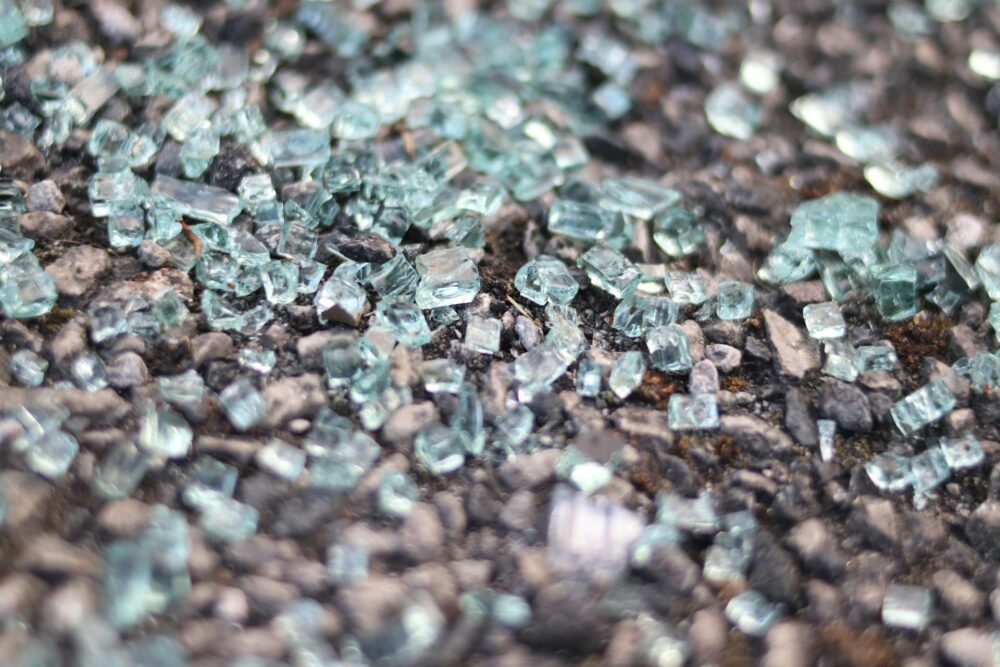
Through creative design and innovation, recycled glass encourages fresh approaches to erosion control. Its versatility opens doors to practices that customarily relied on limited material choices, supporting diverse conceptual solutions for contemporary challenges.
Engineering and creative disciplines find new pathways in glass’s adaptable qualities. As researchers explore potential uses, new methodologies surface, transforming existing limits. This forward-thinking material brings both functionality and pioneering possibilities to coastal management.
11. It offers a visually appealing alternative that blends with natural landscapes.
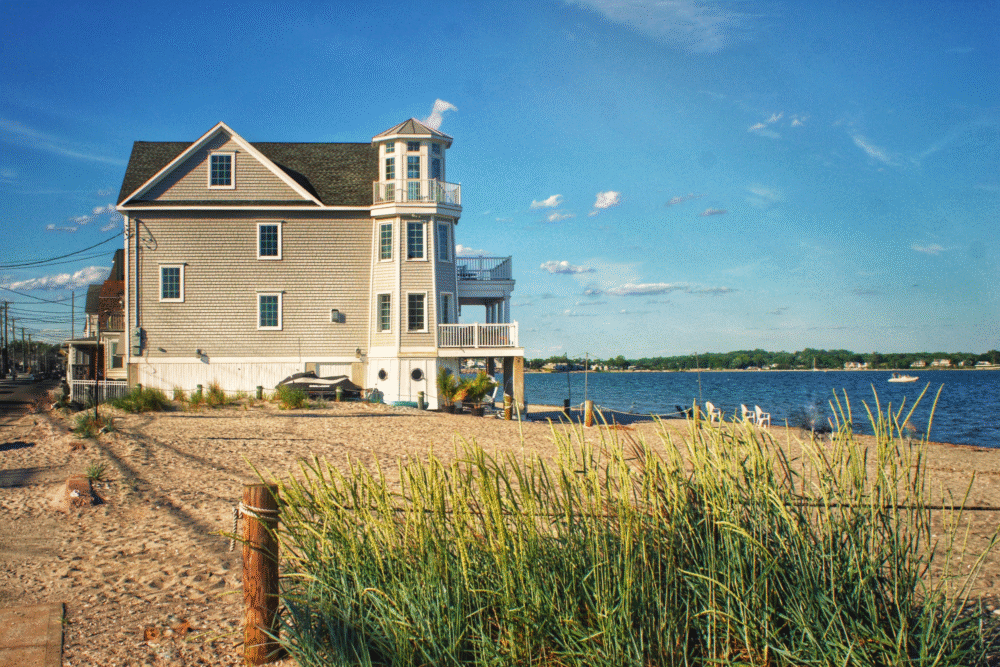
Glass doesn’t just substitute; it enhances visual aesthetics in coastal areas. Blending naturally with the environment, it respects landscape integrity while protecting it. Coastal design can be practical yet visually pleasing, including materials that harmonize with natural colors and textures.
Aesthetically, recycled glass provides options beyond basic functional requirements. Shoreline projects gain from materials that not only perform essential roles but also complement their surroundings. This balance presents glass as a thoughtful choice in coastal aesthetics.