
Soaring temperatures are pushing El Paso past survival limits, with experts warning the deadly trend is only accelerating.

El Paso has become ground zero for America’s heat death crisis, with temperatures turning the desert border city into a lethal furnace that’s claiming lives at unprecedented rates. In 2024, heat killed 171 people and contributed to an additional 281 deaths, according to preliminary state data.
Dr. Maria Rodriguez from the University of Texas Health Science Center at El Paso warns that the city’s unique combination of extreme heat, geography, and border dynamics creates a perfect storm for heat-related mortality. Temperatures are rising faster in El Paso than in almost any other U.S. city, transforming what was once survivable desert heat into a daily death sentence for the city’s most vulnerable residents.
1. El Paso Is the Deadliest Border Sector in America

Last year, the Border Patrol documented a record 149 migrant deaths in the El Paso sector, which includes southern New Mexico and Far West Texas. This year’s toll has already surpassed last year’s, according to Border Report. The combination of harsh desert terrain and increasingly extreme temperatures has made this stretch of the border more lethal than any other crossing point.
Many of these deaths come from the unrelenting heat that can reach deadly levels even during spring and fall months. Border enforcement policies that push migrants into more remote and dangerous crossing areas have concentrated deaths in the most hostile sections of the Chihuahuan Desert.
2. Heat Deaths Are Disproportionately High for the City’s Size

With just under 900,000 people, the county had nearly as many deaths directly attributed to heat in 2024 as Harris County, home to nearly 5 million. This means El Paso residents are dying from heat at rates that far exceed what would be expected based on population alone.
The disproportionate death toll suggests that local conditions in El Paso make heat exposure particularly deadly compared to other major Texas cities. Factors like poverty, housing quality, and access to cooling systems likely contribute to the elevated risk faced by El Paso residents.
3. Record June Temperatures Shattered 30-Year-Old Heat Records
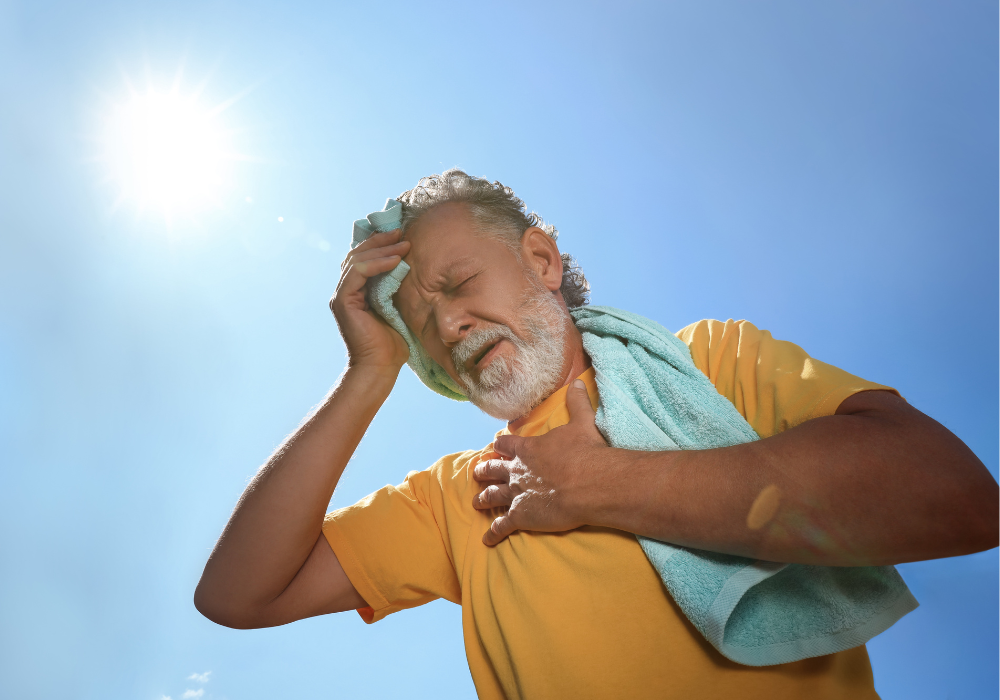
El Paso set a record for its hottest June ever, smashing a mark that had stood for 30 years. The average temperature this June was 89.4, surpassing the mark of 88.9 set in 1994. The new record represents a significant jump in temperatures that indicates accelerating climate change impacts.
In addition to being the hottest June in weather records dating to 1887, it also was the second hottest month ever recorded in the city’s history. These extreme temperatures occurred during what is traditionally considered the beginning of the dangerous summer heat season.
4. Immigration Enforcement Is Pushing People Into Deadly Desert Areas

As immigration enforcement has strengthened, some migrants are trying cross the border in more remote locations where temperatures are even more extreme and rescue is less likely. Increased border security at traditional crossing points forces migrants into increasingly dangerous terrain where survival becomes nearly impossible.
The policy of deterrence through danger has created a humanitarian crisis where people attempting to cross the border face temperatures that can kill within hours. Remote desert areas lack shade, water sources, or cell phone coverage that might provide opportunities for rescue.
5. The National Heat Death Crisis Started in Places Like El Paso

An Associated Press analysis of federal data shows that about 2,300 people in the United States died in the summer of 2023 with their death certificates mentioning the effects of excessive heat. That’s the highest in 45 years of records. Border cities like El Paso have been experiencing deadly heat conditions that are now spreading to other parts of the country.
What’s happening in El Paso represents a preview of the heat crisis that climate change will bring to more American cities in coming decades. The border region serves as an early warning system for the deadly temperatures that are becoming more common nationwide.
6. Texas Is Likely Undercounting the True Scale of Heat Deaths
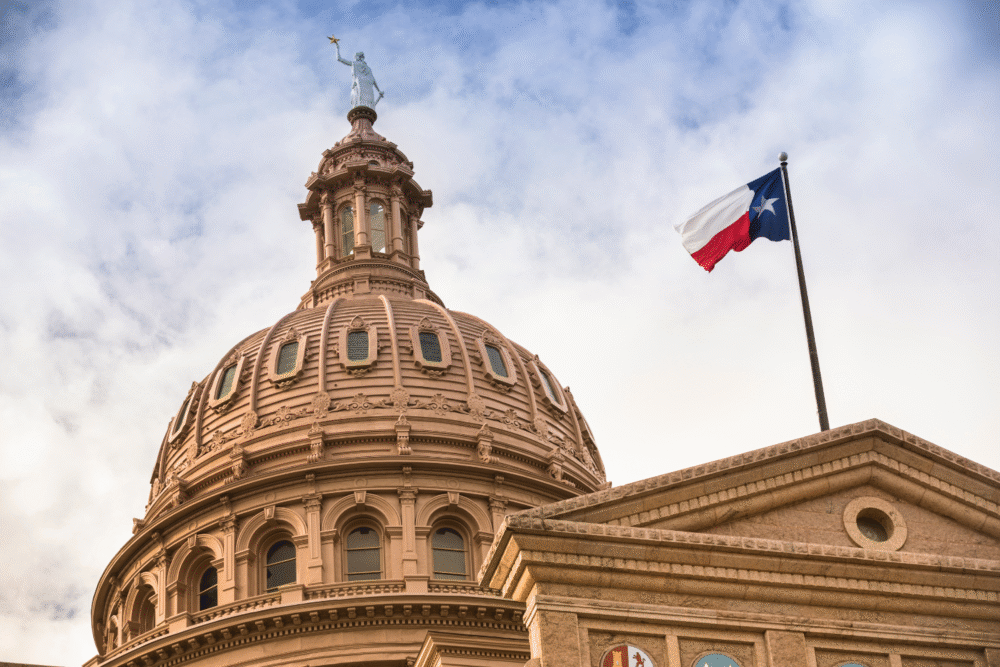
We found 998 excess deaths on abnormally hot days between 2013 and 2019. We excluded 2020, 2021 and 2022 from this analysis because of a high number of excess deaths caused by the COVID-19 pandemic. The official heat death statistics likely represent only a fraction of the actual mortality caused by extreme temperatures.
Many heat-related deaths get attributed to other causes like heart failure or respiratory distress, masking the true scope of the crisis. The undercounting means that communities aren’t receiving adequate resources or attention to address what may be a much larger public health emergency.
7. Migrant Deaths Are Concentrated During Peak Heat Months
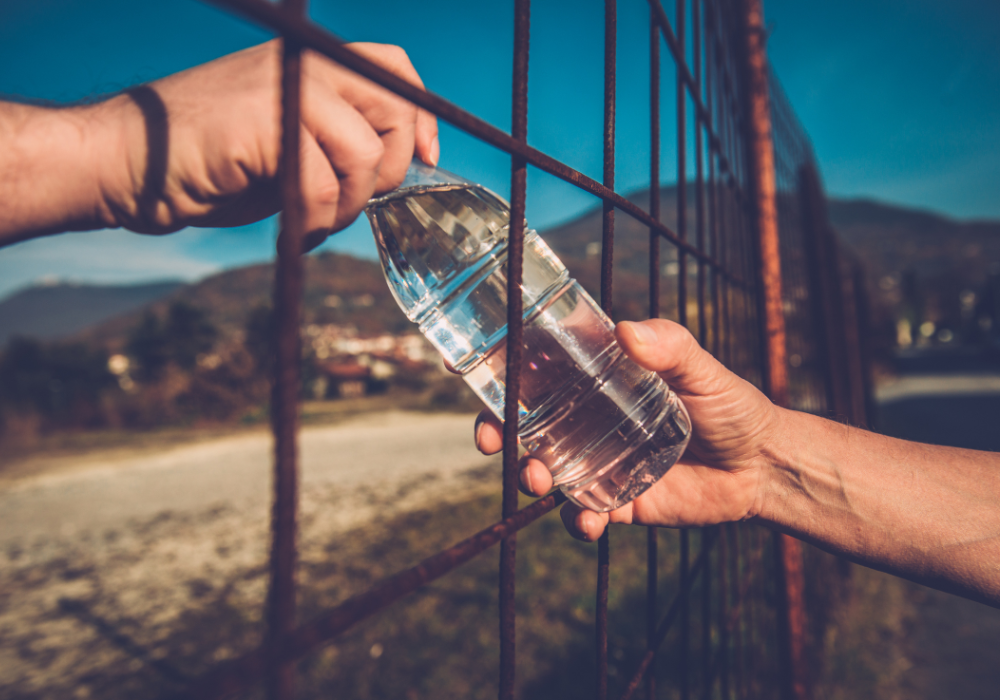
The increase in migrant deaths coincided with an increase in the number of people attempting to cross the U.S.-Mexico border in recent years. More people are attempting dangerous crossings precisely when desert temperatures are at their most lethal levels.
The timing creates a deadly convergence where increased border crossings overlap with the most dangerous weather conditions of the year. Summer months that were always risky for desert travel have become virtually unsurvivable for people without adequate preparation and equipment.
8. Border Patrol Resources Are Overwhelmed by Recovery Operations

The U.S. Border Patrol reported locating 853 bodies along the entire U.S.-Mexico border in the 2022 fiscal year, with a significant portion of these deaths occurring in the El Paso sector. The agency’s resources are increasingly devoted to body recovery rather than traditional enforcement activities.
Search and rescue operations in extreme heat put Border Patrol agents at risk while stretching the agency’s capacity to respond to emergencies. The shift from immigration enforcement to humanitarian crisis management reflects the changing nature of border challenges in an era of extreme heat.
9. Urban Heat Islands Make City Areas Even More Dangerous
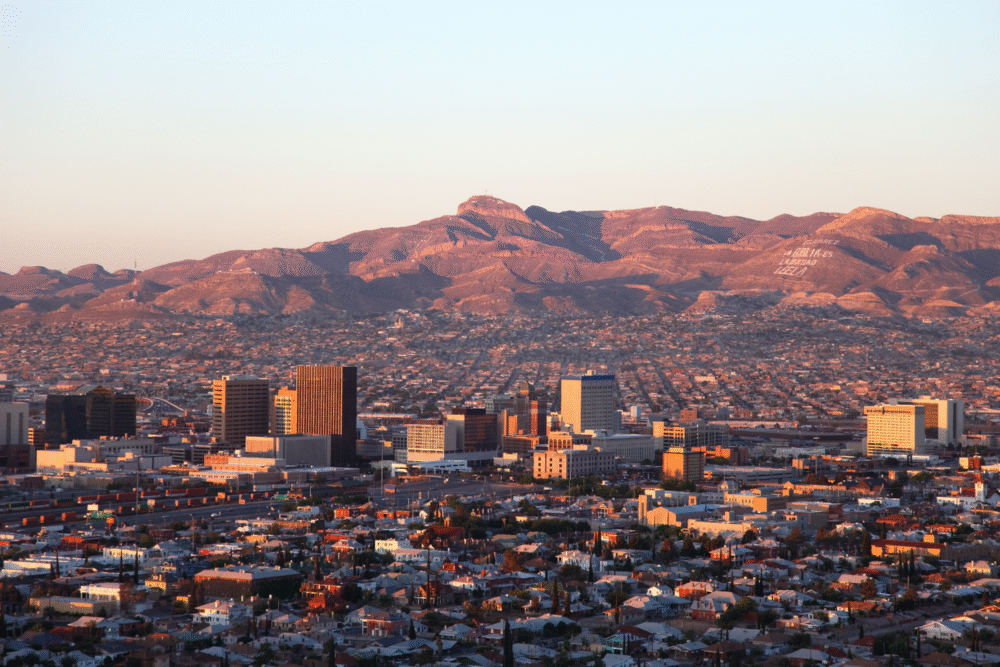
El Paso’s urban development creates heat island effects that can make city temperatures several degrees hotter than surrounding desert areas. Concrete, asphalt, and lack of vegetation trap and amplify heat, creating microclimates that can be lethal even when regional temperatures might seem survivable.
Low-income neighborhoods often have less tree cover and more heat-absorbing surfaces, creating environmental injustice where the poorest residents face the highest risk of heat death. The urban infrastructure designed for cooler historical temperatures becomes a liability in the new climate reality.
10. Emergency Medical Systems Are Struggling to Keep Up

Hospitals and emergency services in El Paso are seeing unprecedented numbers of heat-related medical emergencies that strain their capacity during the hottest months. Emergency rooms become overwhelmed with heat stroke cases, dehydration, and other heat-related conditions that require intensive treatment.
The medical infrastructure built for historical climate conditions isn’t adequate for the current heat emergency, leading to delays in treatment and higher mortality rates. Healthcare workers themselves face increased risks when responding to outdoor emergencies in extreme temperatures.
11. Climate Change Is Accelerating Faster Than Adaptation Efforts
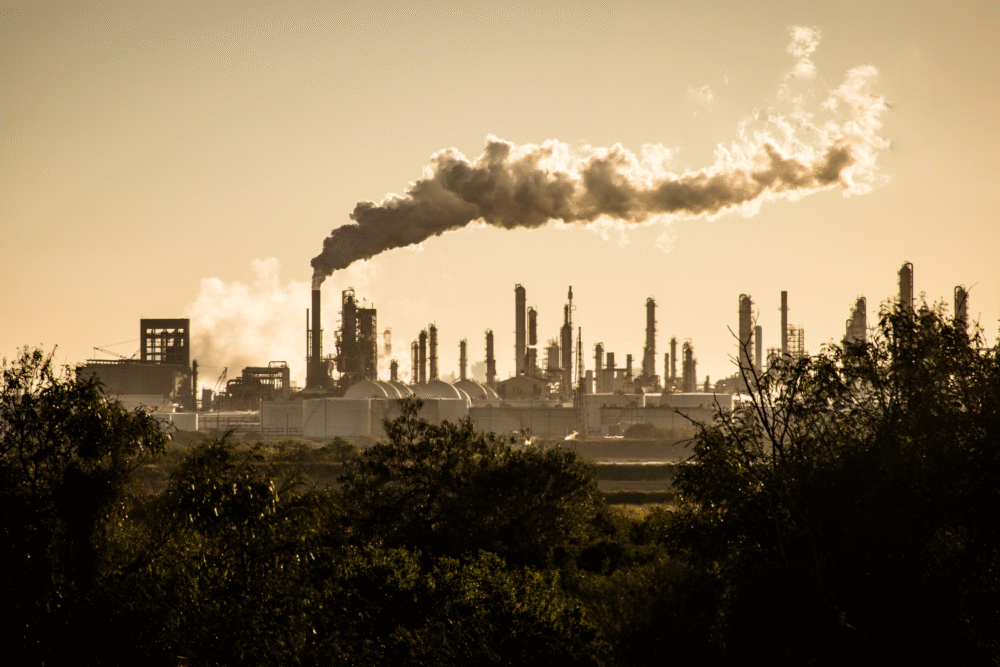
Temperatures are rising faster in El Paso than in almost any other U.S. city, outpacing efforts to adapt infrastructure and emergency response systems to the new reality. The rate of change makes it difficult for communities to plan and implement heat mitigation strategies quickly enough.
Traditional approaches to dealing with desert heat are becoming inadequate as temperatures exceed historical ranges that buildings and emergency systems were designed to handle. The gap between rising temperatures and adaptive capacity continues to widen each year.
12. The Crisis Will Only Get Worse Without Immediate Action

Current trends in temperature increases, migration patterns, and urban development suggest that heat deaths in El Paso will continue climbing in coming years. Without significant investments in cooling infrastructure, emergency response, and immigration policy reform, the death toll will likely reach even more catastrophic levels.
The conditions that make El Paso so deadly are spreading to other parts of Texas and the Southwest, meaning this crisis represents just the beginning of a much larger heat emergency. Early intervention and adaptation measures implemented now could prevent El Paso’s current crisis from becoming the norm across much of the American Southwest.