
Record flooding continues to overwhelm parts of Washington State as evacuations, rescues, and infrastructure damage escalate.

Days of relentless rain have pushed rivers across Washington State to dangerous levels, triggering widespread flooding that has forced evacuations, shut down major roads, and damaged homes and businesses. Communities in western and central Washington remain under emergency declarations as crews work around the clock to respond to rising water, landslides, and washed-out infrastructure. With more rain expected in some areas, officials warn that conditions may remain volatile. The flooding has quickly become one of the region’s most disruptive weather events in years, and residents are still assessing the growing impact.
1. Record Rainfall Has Pushed Multiple Rivers Beyond Flood Stage

Heavy rainfall from consecutive storm systems caused rivers across western and central Washington to swell rapidly, with several reaching or exceeding major flood stage. The Skagit, Snohomish, and Chehalis rivers are among those experiencing significant overflow, threatening nearby homes and roadways. Saturated ground conditions have made the flooding worse by reducing the land’s ability to absorb additional water.
As the storms continue to move through the region, officials warn that waterways could rise further. Many communities remain on alert for potential flash flooding and new evacuation orders if river levels climb again.
2. Evacuations Have Been Ordered in Several Communities
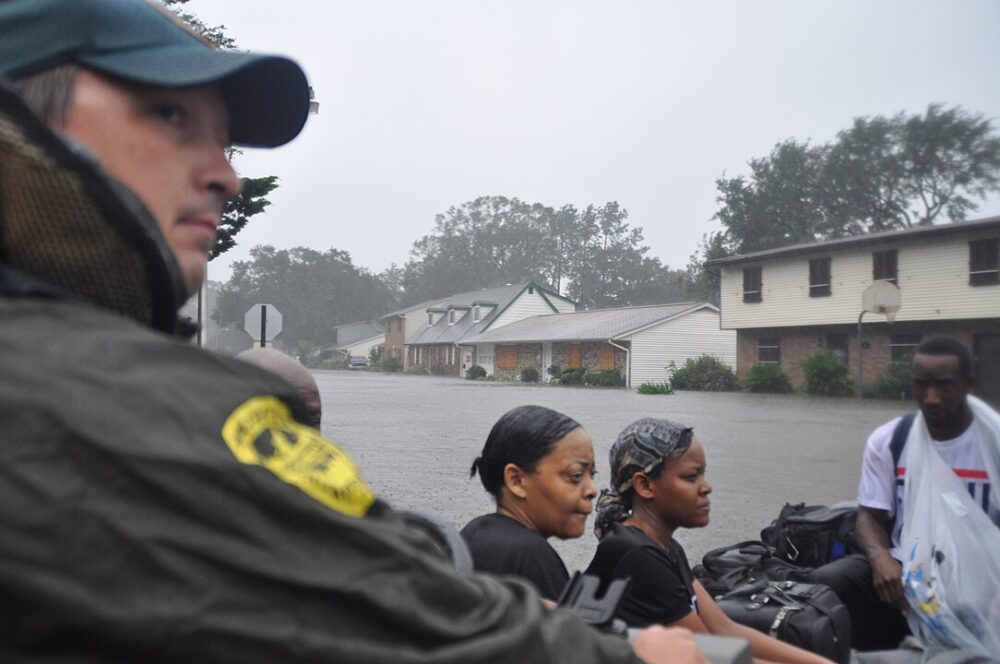
Authorities issued evacuation orders in multiple towns as floodwaters surged into neighborhoods, leaving some roadways completely impassable. Residents in low-lying areas near affected rivers were urged to leave quickly as water levels increased with little warning. Shelters were opened to accommodate displaced families, and emergency crews assisted people who needed help evacuating.
While some evacuation zones have stabilized, others remain active due to unpredictable water movement. Officials stress that even when water appears to recede, conditions can change rapidly, making it essential for residents to follow updated guidance.
3. The National Guard Has Been Deployed to Assist With Flood Response

With rising water threatening roads and essential infrastructure, the Washington National Guard has been assisting local agencies with high-water rescues, traffic control, and emergency response support. Specialized teams have used high-clearance vehicles and rescue equipment to reach areas cut off by flooding.
Their presence has been especially important in rural communities where emergency resources are limited. By coordinating with local responders, the Guard is helping ensure residents receive assistance quickly during what has become a statewide emergency.
4. Landslides and Road Closures Are Making Travel Extremely Difficult
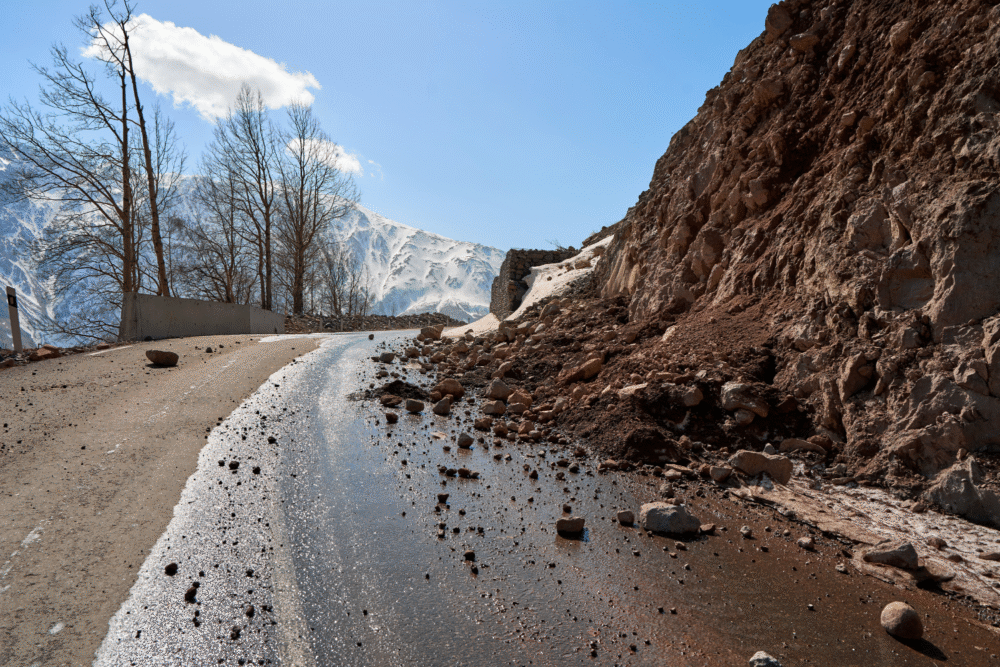
Flooding has triggered landslides along saturated hillsides, sending debris onto highways and blocking major travel routes. Several key roadways, including sections of state highways and smaller county roads, have been closed due to washouts or standing water. Transportation crews are working to clear debris but warn that additional slides remain possible.
These closures have created detours and delays for residents and emergency vehicles. Drivers are being urged to avoid flooded roads entirely and check updated traffic reports before traveling through affected regions.
5. Homes and Businesses Are Reporting Significant Water Damage

As rivers burst their banks, water has flooded basements, ground floors, and commercial buildings. Homeowners have reported damage to heating systems, electrical panels, flooring, and personal belongings. Businesses in flood-prone areas have faced property losses and temporary closures due to water intrusion.
Cleanup efforts will take time, and officials remind residents to use caution when returning to flood-affected buildings. Standing water can hide structural damage, and contaminated surfaces may require professional remediation.
6. Emergency Declarations Have Been Issued at State and Federal Levels

Washington State officials issued an emergency declaration to free up resources for local communities dealing with the flooding. Federal emergency assistance has also been approved to support response operations, provide supplies, and assist in recovery efforts. These declarations help streamline communication between agencies and speed up the delivery of critical aid.
With conditions still evolving, these emergency measures ensure that funding, equipment, and personnel can be deployed rapidly wherever they are needed most.
7. First Responders Have Conducted Dozens of Water Rescues
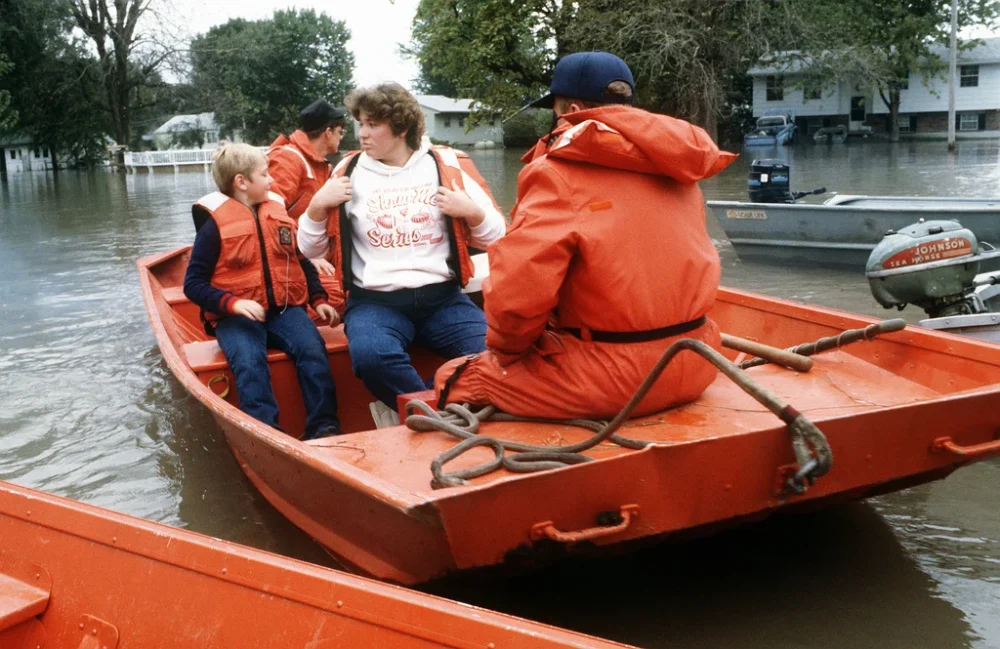
Firefighters, search-and-rescue teams, and volunteers have carried out numerous rescues, helping residents trapped in vehicles, homes, and flooded roadways. Swift-water rescue teams have been particularly active in areas where fast-moving rivers spilled over their banks.
Officials emphasize that even shallow floodwater can be dangerous. Many rescues occurred after drivers attempted to pass through flooded streets, reinforcing the message to turn around rather than risk driving into hazardous conditions.
8. Power Outages Continue in Flooded and Storm-Hit Areas

Flooding and high winds have damaged power lines and electrical equipment, leaving some communities without power. Utility crews are working to restore service, but progress has been slowed by dangerous conditions and inaccessible roads.
Residents in affected areas are urged to use generators safely and avoid downed power lines. Restoration efforts may take longer in remote regions where flooding has cut off access for repair teams.
9. Schools and Public Facilities Have Closed Due to High Water
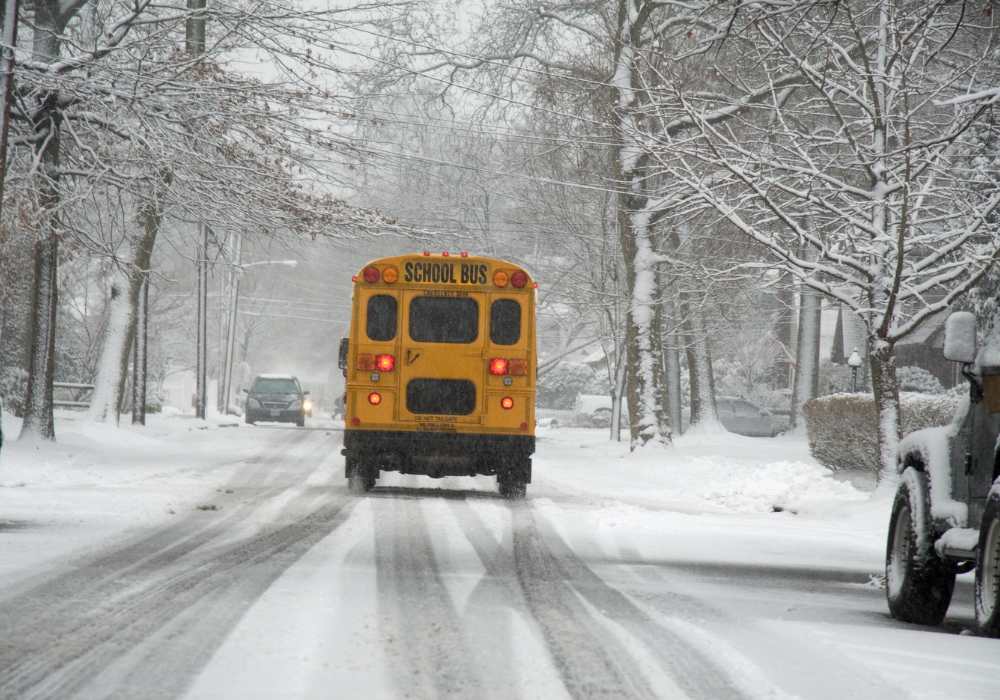
Several school districts and public buildings temporarily closed as water flooded access routes or entered facilities. Officials have prioritized safety by suspending in-person classes, canceling events, and relocating essential services.
These closures remain fluid, with updates dependent on water levels and cleanup progress. Families are encouraged to monitor local announcements for reopening plans.
10. Forecasts Suggest More Rain Could Slow Recovery

Meteorologists report that while the heaviest rainfall has passed, additional showers are expected, which may slow the recession of floodwaters. Even modest rain can worsen conditions when soil is saturated and rivers remain high.
Residents are urged to remain alert to changing forecasts, follow flood advisories, and avoid returning to hazardous areas prematurely. Continued caution will help reduce injuries and prevent additional emergency rescues.
11. Communities Are Coming Together to Support Impacted Families

Local organizations, volunteers, and neighbors have stepped in to support those affected by the flooding. Donation centers, meal services, and community shelters are providing essential items for displaced residents. Social media groups have also helped connect volunteers with families needing assistance.
This community response is helping ease the burden on affected households while long-term recovery plans begin to take shape. As cleanup efforts continue, local support networks are expected to play an important role in the weeks ahead.