
You might be recycling, but the planet is still barreling toward disaster.

You probably already know things are bad—but what if they’re way worse than you think? Like, catastrophically worse. The kind of worse that makes you want to sit down, put your head in your hands, and question every “it’ll be fine” headline you’ve ever scrolled past. It’s easy to numb out, especially when the bad news never stops coming. But ignoring what’s really happening only makes the future scarier.
You deserve to know the truth, even when it’s ugly. And it’s not about doom for doom’s sake—it’s about facing reality with your eyes open. Once you get clear on how deep the crisis really goes, you stop falling for sugar-coated soundbites and start thinking critically. Climate change isn’t some abstract issue or distant threat. It’s here. It’s massive. And if you care about life as you know it—even just a little—you need to understand what’s really going on.
1. The hottest years on record keep getting hotter.

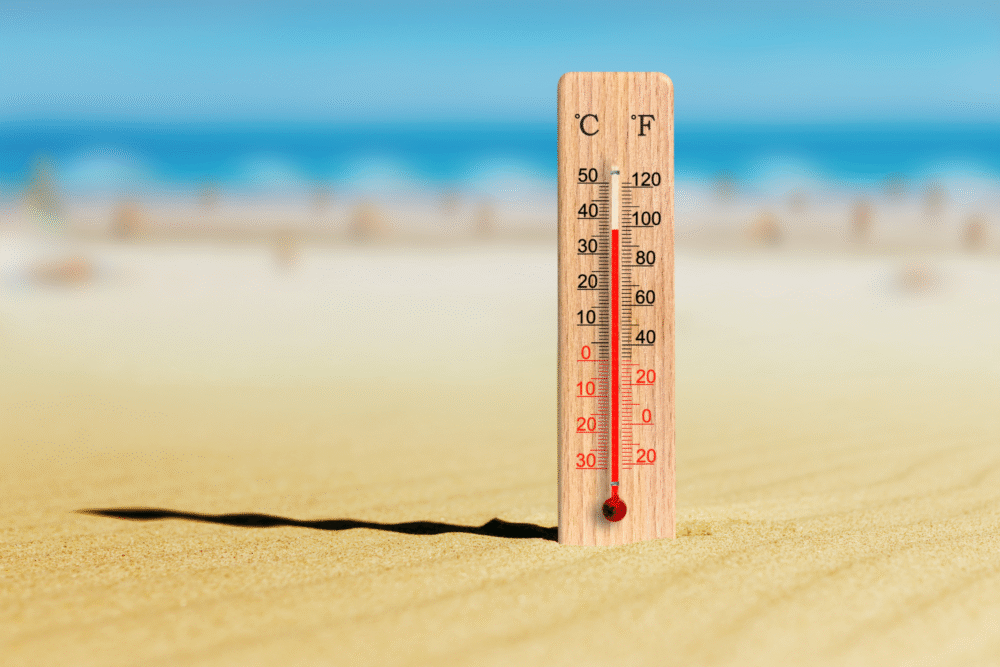
It’s not just your imagination—every time you blink, another heat record gets shattered. And it’s not by a little; we’re talking freakishly high temps that were once outliers and are now the new normal. Summers that fry sidewalks, melt power grids, and turn forest floors into tinderboxes aren’t rare—they’re expected. That slow, creeping rise in global average temperature? It’s accelerating, according to the authors at Climate.gov.
And what’s terrifying is how numb we’re all getting to it. When headlines scream “hottest year ever” for the fifth year in a row, it stops sounding urgent. But that’s part of the problem. The planet isn’t plateauing or stabilizing—it’s cooking. And you can’t keep pushing ecosystems, food supplies, and infrastructure past their breaking points without consequences. This isn’t just about beach days being toastier. It’s about everything from how we grow food to where people can physically survive. If that’s not catastrophic, what is?
2. Antarctica and Greenland are losing ice at record speeds.
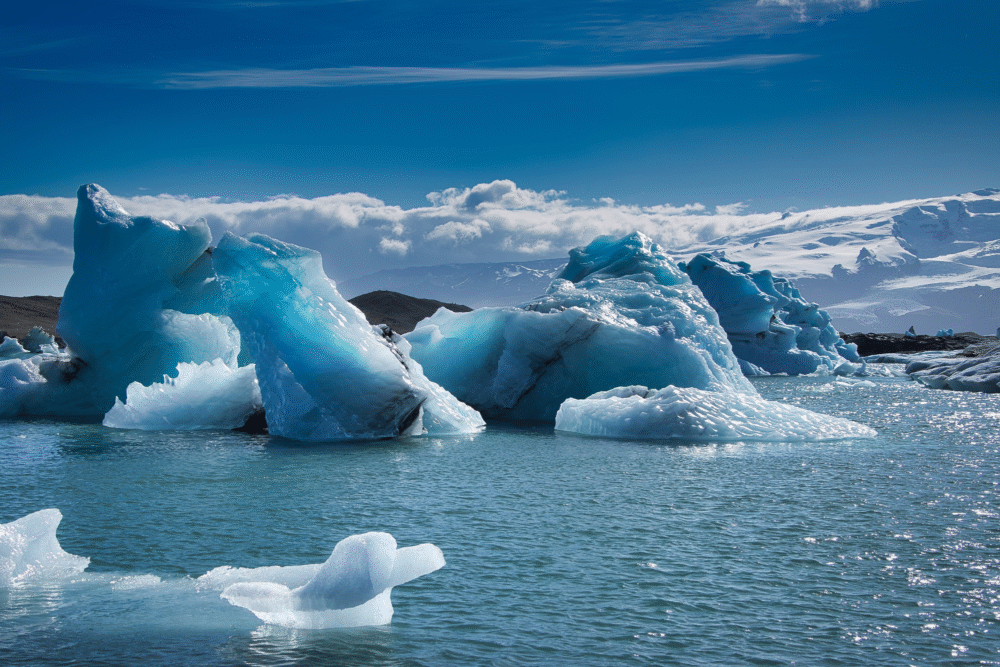
You don’t need to be a scientist to know that ice that’s been around for thousands of years probably shouldn’t be vanishing in decades. But that’s exactly what’s happening in the polar regions. Greenland’s melting like a popsicle under a heat lamp, and Antarctica isn’t far behind, as reported by experts at NASA. Together, they’re dumping billions of tons of water into the oceans every year—and that water isn’t just disappearing into thin air. It’s fueling sea-level rise that’s already swallowing coastlines, flooding cities, and forcing entire communities to relocate. What’s extra chilling (pun fully intended) is how quickly this has escalated.
These changes were predicted to happen over centuries—not in your lifetime. But climate models underestimated the feedback loops, and now the melt is feeding more melt. You can’t reverse a vanishing ice sheet like flipping a switch. Once it’s gone, it’s gone. And the ripple effects touch everything from weather patterns to global economies.
3. Ocean temperatures are rising—and marine life is collapsing.
It’s easy to forget about the oceans because we don’t live in them, but they make life on land possible. When ocean temps rise, everything unravels—from fish populations to coral reefs to global weather systems, as stated by the authors at the Wood Hole Oceanographic Institution. We’re seeing massive die-offs, disrupted migrations, and entire marine food chains thrown into chaos.
Coral reefs—the rainforests of the sea—are bleaching and dying en masse. And when those go, it’s not just pretty underwater scenery that vanishes. You lose storm protection, fisheries, and biodiversity we haven’t even discovered yet. Warmer oceans also mean more intense hurricanes and storms with freakishly strong winds and rainfall. And let’s not forget how oceans absorb a huge chunk of our carbon emissions—until they can’t anymore. If the oceans go into crisis mode, so do we. And right now, they’re flashing warning lights we can’t afford to ignore.
4. Climate-fueled disasters are hitting harder and more often.
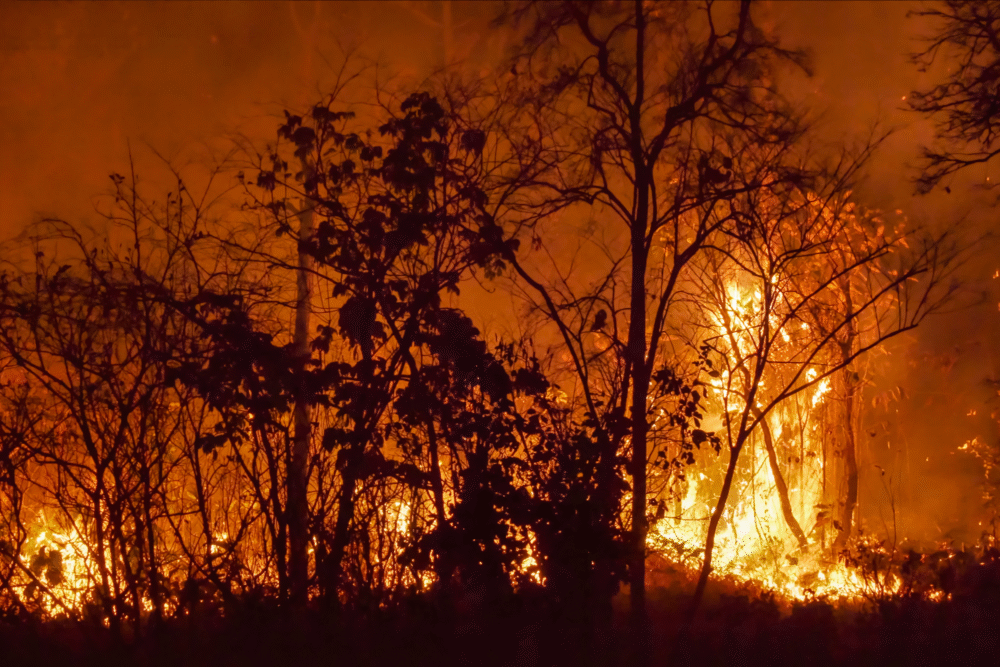
You’ve probably noticed that it doesn’t just feel like there are more wildfires, floods, and storms—it’s because there are. And they’re meaner, more expensive, and harder to recover from. Climate change isn’t causing these disasters from scratch, but it’s supercharging them like gasoline on a flame. Hurricanes gain strength faster. Floodwaters rise higher. Droughts drag on longer. The result? Cities leveled, lives lost, and billions in damage—all on repeat. These aren’t one-off events anymore; they’re part of a vicious cycle. And for communities already stretched thin, recovery becomes a pipe dream.
Each disaster chips away at the systems we rely on—healthcare, food, energy, housing—until there’s nothing left to buffer the next hit. That’s what makes this so catastrophic. It’s not just the frequency. It’s the compounding effect. Climate disaster fatigue is real, and it’s setting in just as things are accelerating.
5. Food and water security are under serious threat.
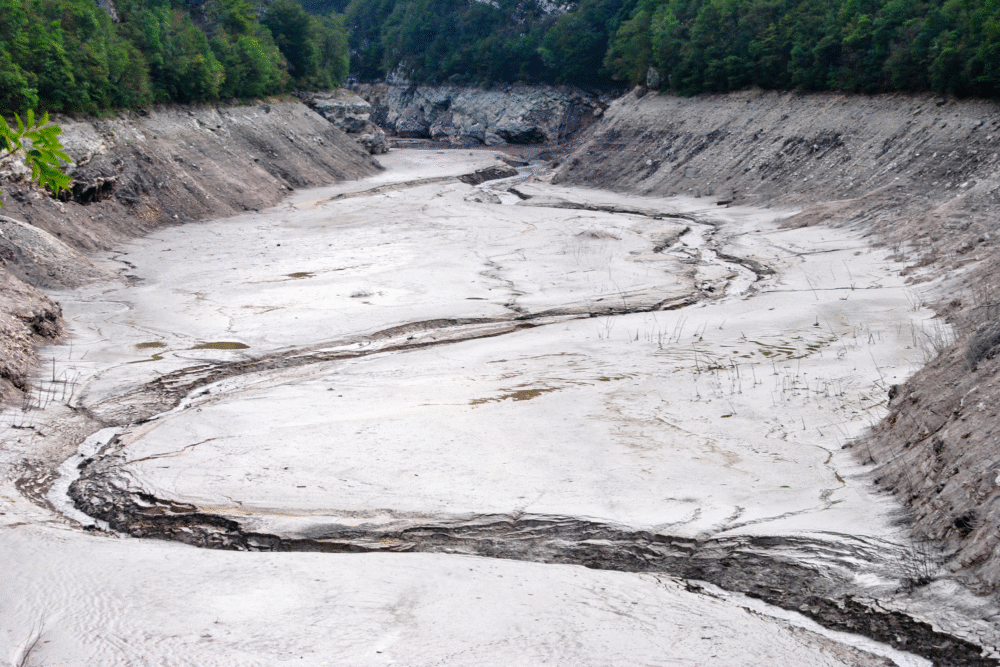
Picture this: fields dried up, crops failing, reservoirs shrinking, and grocery prices skyrocketing. It’s not some dystopian future—it’s happening now. Climate change is wrecking the delicate balance that global food and water systems depend on. Droughts and floods don’t just ruin harvests—they shift growing seasons, shrink yields, and make farming unpredictable and more expensive. And that trickles down to your dinner plate. Water scarcity isn’t just a developing-world issue anymore.
Major cities are seeing taps run dry and aquifers drained faster than they can recharge. Add in population growth, pollution, and poor water management, and you’ve got a recipe for disaster. It’s not just about hunger or thirst. It’s about conflict, displacement, and systems breaking down under pressure. When people can’t grow food or find clean water, chaos follows. This isn’t just inconvenient. It’s one of the clearest signs that the climate crisis is reaching a boiling point.
6. Climate migration is already reshaping the world map.

People don’t uproot their lives unless they have to—but right now, millions are being forced to flee because of climate-driven chaos. Rising seas are swallowing island nations. Drought is turning farmland into dust. Fires are burning through communities. When homes, jobs, and access to water vanish, people move.
And they’re not moving for adventure—they’re moving to survive. This kind of migration doesn’t come with a warning label or a tidy plan. It puts pressure on cities, stretches resources, and stokes political tensions. You’re seeing it already, even if it’s not being called “climate migration” in the headlines. But it is. And as the climate crisis intensifies, it’s going to displace more people, more often, in more places. This is the side of the emergency most folks don’t talk about—how global instability is being fueled by weather patterns and rising temperatures. But it’s happening. And it’s going to reshape everything from borders to economies.
7. The fossil fuel industry is still aggressively expanding.
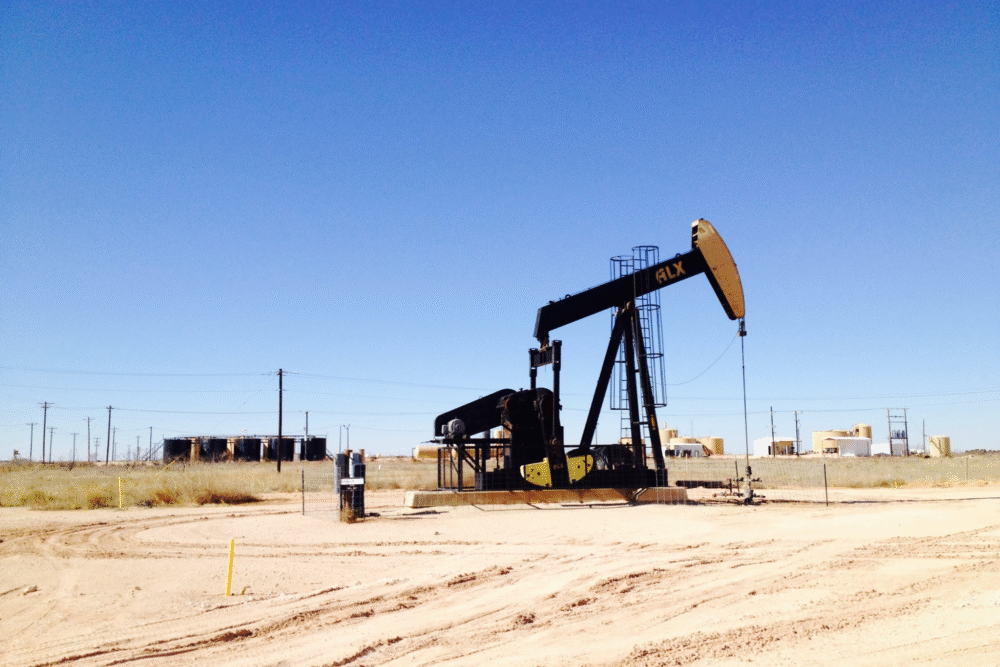
Despite everything we know, oil and gas companies aren’t scaling back—they’re doubling down. They’re pouring billions into new pipelines, new drilling, and new extraction methods like nothing’s wrong. And they’re lobbying hard to block climate action, greenwashing their image while continuing to pollute at industrial scale. It’s like watching someone light a match in a dry forest and insist it’s for your own good.
The science is clear: we need to cut emissions drastically—and fast. But the fossil fuel industry isn’t just resisting that shift. It’s actively sabotaging it. That’s catastrophic because it doesn’t just delay progress—it locks in decades of future emissions. Every new oil field is a time bomb. And the more we invest in fossil fuel infrastructure today, the harder it’ll be to shift away tomorrow. The clock is ticking, but they’re still cashing in—and we’re all paying the price.
8. Carbon offsets and tech fixes are giving people false hope.
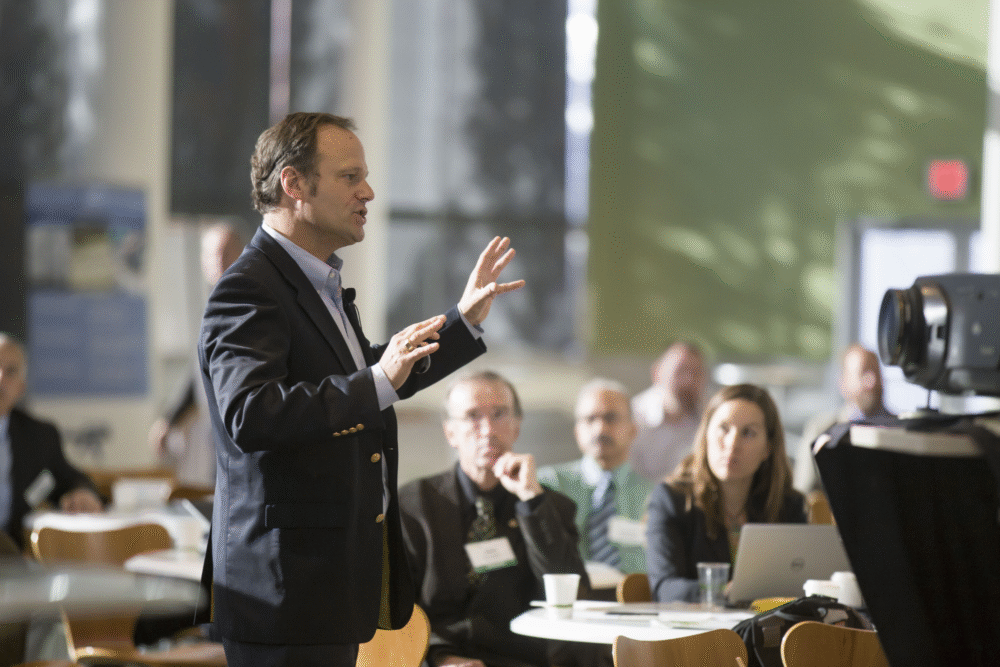
Tech optimism is great—until it becomes a crutch for denial. Carbon capture, geoengineering, and fancy offsets sound promising on paper, but right now, they’re not delivering at the scale or speed we need. Meanwhile, companies use them like hall passes to keep polluting, pretending that innovation will save the day later. It’s like maxing out your credit cards and assuming a lottery win is coming. The reality? Most of these solutions are either experimental, wildly expensive, or not nearly as effective as cutting emissions in the first place.
But the narrative has power. It comforts people into thinking we’re on track when we’re not. And that false sense of security is dangerous because it stalls the urgency we need right now. Betting the planet on future tech without doing the hard work today is reckless. Hope is good—but only when it’s paired with action.
9. Biodiversity loss is exploding in ways we can’t undo.
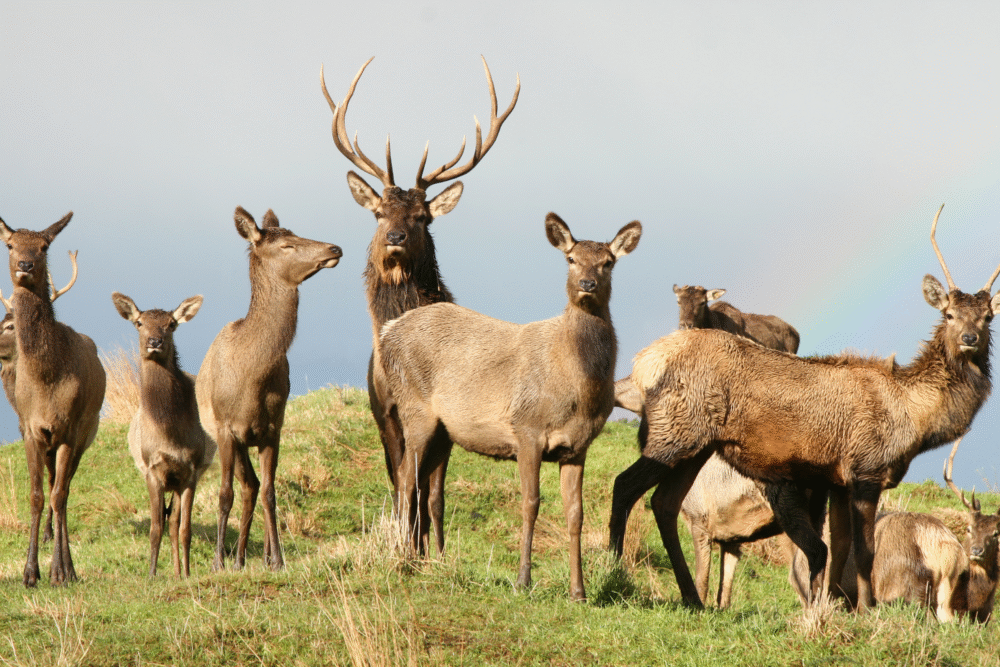
We’re not just losing a few cute animals—we’re in the middle of a mass extinction event, and most people don’t even realize it. Entire ecosystems are unraveling because climate change is pushing species past their limits. When one species dies off, it doesn’t just vanish quietly; it takes others with it in a domino effect we can’t control.
Pollinators, predators, prey—everything’s connected, and climate stress is pulling the thread. Scientists are seeing population crashes in insects, birds, amphibians, and marine life. This isn’t some niche environmental problem—it affects farming, clean water, disease control, and basic survival. Once a species goes extinct, that’s it. No reboot, no second chances. And the scary part? We don’t even know how many key species we’re losing until they’re already gone. The web of life is fraying faster than anyone expected, and when it breaks, we’re not standing outside the system. We’re tangled up in it.
10. Climate change is hitting mental health like a wrecking ball.
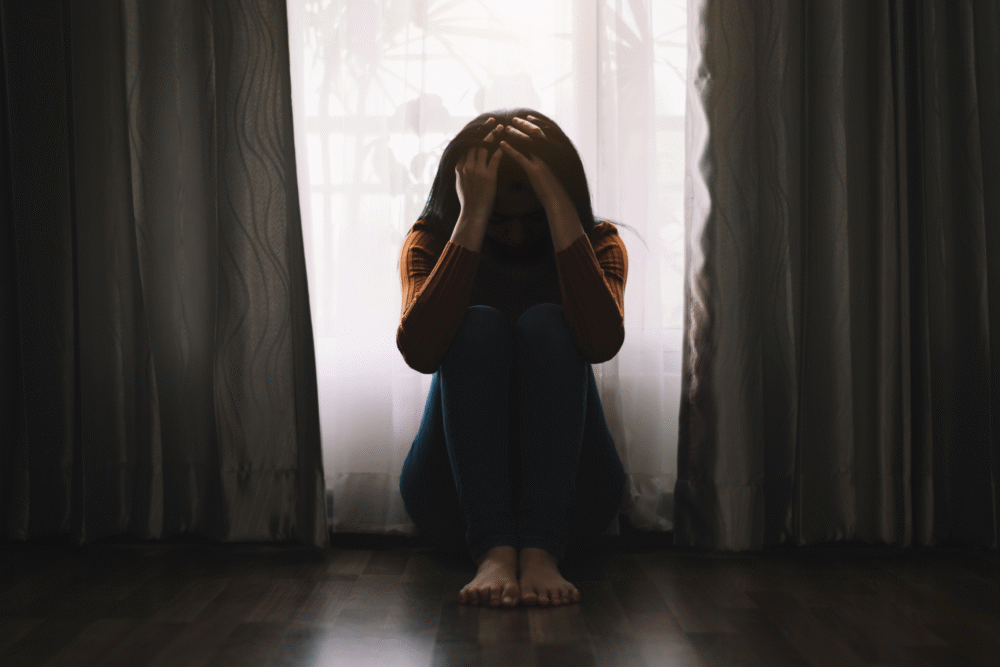
You might not feel the floodwaters at your door yet, but the emotional toll of climate change is already seeping in. Anxiety, grief, dread, helplessness—it’s all showing up in therapists’ offices and late-night Google searches. People are struggling to plan for the future because it feels so uncertain. Kids are growing up scared. Adults are feeling paralyzed. And it’s not just individual stress—it’s collective. Communities hit by fires, floods, or hurricanes carry trauma for years, especially when the disasters repeat. Climate anxiety is no longer a fringe issue—it’s becoming mainstream.
The scale of the crisis makes it hard to process, and that emotional overload often turns into apathy, panic, or rage. This mental health fallout isn’t getting nearly enough attention, but it’s real. And as the crisis worsens, so will the psychological weight. The damage isn’t just to the planet—it’s inside our heads, too.
11. Political denial and delay are keeping us stuck in a death spiral.

You’d think something this urgent would cut through the noise—but instead, climate action keeps getting delayed, watered down, or flat-out ignored. Politicians talk big, but when it’s time to act, they punt. Why? Because money talks louder than science. Fossil fuel lobbying, short election cycles, and public complacency create the perfect storm for inaction. And it’s not just frustrating—it’s deadly. Every year of delay means deeper cuts will be needed later.
Every missed goal locks in more suffering. We’re past the point of half-measures and gentle nudges. What’s needed is sweeping, systemic change—but it keeps getting strangled by politics-as-usual. That gap between what needs to happen and what’s actually happening is widening by the day. And the longer we stall, the more catastrophic the outcome. If you’re wondering why it feels like we’re circling the drain, this is it. Denial isn’t just a personal choice anymore—it’s global policy.