
Environmental threats to maternal health require attention and adaptation.
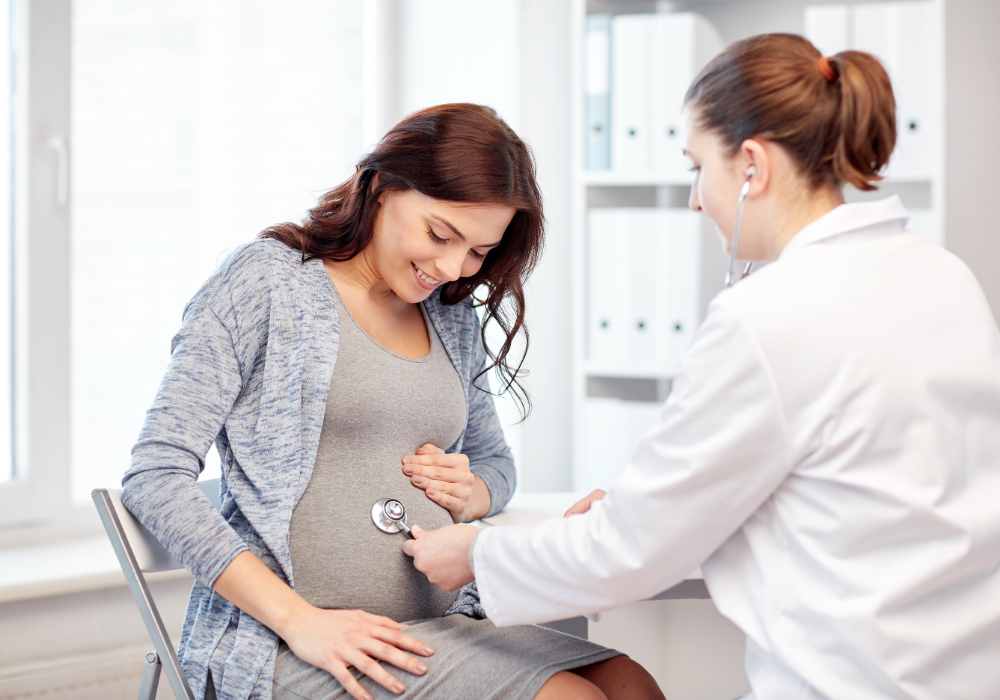
Climate change affects everyone, but pregnant women and their growing babies face some unique risks. Rising temperatures, extreme weather, and pollution all add extra challenges during this crucial time.
Pregnancy already puts a lot of strain on the body—there’s increased blood flow, a faster metabolism, and shifts in the immune system. All of this makes expectant moms more vulnerable to things like heat stress, poor air quality, and even the spread of certain diseases.
Scientists have found plenty of ways climate change can impact pregnancy, from heat-related complications to exposure to harmful pollutants. But this isn’t about fear—it’s about awareness. The more moms-to-be know, the better they can protect themselves and their babies in a world that’s changing fast.
1. Rising temperatures increase the risk of preterm birth and low birth weight.

When pregnant women are exposed to excessive heat, their bodies must work harder to maintain normal temperature. This physiological stress can trigger a cascade of responses that may lead to premature labor. Research done by Rob Spahr at Emory University has consistently shown that during heat waves, there’s a significant spike in preterm births. One large-scale study spanning 20 years found that for every 1°C increase in average temperature during pregnancy, the risk of preterm birth rises by approximately 5%.
Maternal heat stress can restrict blood flow to the placenta, potentially limiting nutrient and oxygen delivery to the developing fetus. This restriction can result in lower birth weights, which is associated with numerous health challenges for infants, including difficulty regulating body temperature, increased vulnerability to infections, and developmental delays later in life.
2. Air pollution from wildfires endangers fetal development in multiple ways.

Climate change has dramatically increased the frequency and intensity of wildfires worldwide, releasing enormous plumes of hazardous air pollution. When pregnant women breathe this contaminated air, microscopic particles can cross the placental barrier, directly exposing the developing fetus to toxins. Doctors at the National Library of Medicine warn that these particles—particularly PM2.5—have been linked to disruptions in placental function and reduced fetal growth.
Studies tracking pregnancy outcomes in regions affected by major wildfires have documented higher rates of gestational hypertension, birth defects, and impaired lung development in newborns. The inflammatory response triggered by inhaled pollutants can create a hostile environment for fetal development, potentially programming the child for increased susceptibility to respiratory conditions and cardiovascular problems later in life.
3. Flooding exposes pregnant women to waterborne pathogens that can cross the placental barrier.
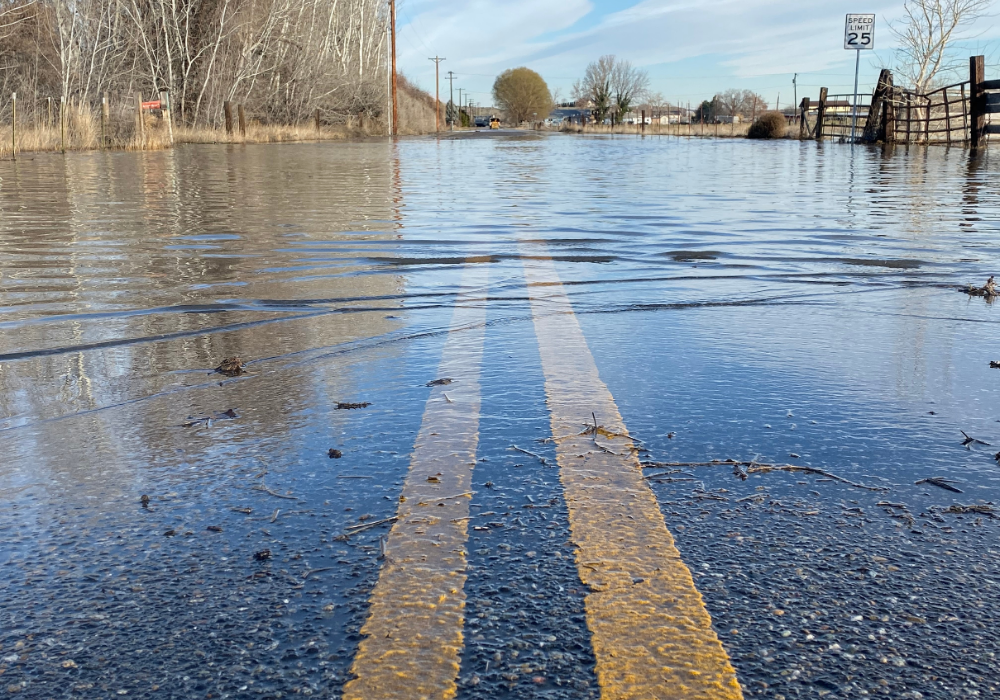
Climate change has intensified the water cycle, leading to more frequent flooding events. For pregnant women, these floods represent a serious health hazard beyond the immediate physical dangers. Morgan Coulson at Johns Hopkins Bloomberg writes, floodwater often become contaminated with sewage and chemicals, creating a breeding ground for dangerous pathogens that can cross the placental barrier.
Bacterial infections like leptospirosis and certain strains of E. coli found in floodwaters can trigger inflammatory responses in pregnant women, potentially leading to complications such as placental insufficiency, preterm labor, and miscarriage. Additionally, some waterborne parasites like Toxoplasma gondii can directly infect the fetus, potentially causing serious birth defects or neurological damage.
4. Drought concentrates water toxins.

As climate change intensifies drought conditions, water sources become increasingly stressed. When water levels in reservoirs and rivers drop, contaminants become more concentrated in the remaining water. For pregnant women, consuming this water can mean increased exposure to substances like arsenic, lead, and agricultural chemicals that have been linked to developmental problems in fetuses.
The timing of exposure to these environmental toxins during pregnancy is particularly crucial. Research shows that first-trimester exposure to certain water contaminants is associated with higher risks of major birth defects, while later-pregnancy exposure might impact neurological development. In drought-affected communities, pregnant women often face impossible choices between dehydration and consuming potentially contaminated water.
5. Food insecurity threatens maternal nutrition.

Climate change disrupts agricultural systems through unpredictable weather patterns, extreme events, and shifting growing seasons. These disruptions lead to reduced crop yields, higher food prices, and increased nutritional insecurity—all of which disproportionately affect pregnant women. Maternal nutrition during pregnancy requires a complex balance of nutrients that directly influence fetal development.
Inadequate nutrition during critical developmental windows can permanently alter metabolic functioning, immune system development, and even brain structure. Research has linked maternal nutritional deficiencies to increased risks of neural tube defects, impaired cognitive development, and predisposition to metabolic disorders. As climate change destabilizes food systems, pregnant women in vulnerable regions face mounting challenges in securing the nutrient-dense diet necessary for optimal fetal development.
6. Disease-carrying insects spread.

Climate change is redrawing the map of vector-borne diseases as warming temperatures allow mosquitoes, ticks, and other disease carriers to survive in previously inhospitable regions. For pregnant people, this geographic expansion of diseases like Zika, dengue, and West Nile virus represents a significant threat, often presenting with more severe symptoms during pregnancy.
Zika virus has received substantial attention for its ability to cross the placental barrier and cause microcephaly and other neurological abnormalities in developing fetuses. Similarly, maternal malaria infection has been linked to intrauterine growth restriction, preterm birth, and stillbirth in endemic regions. As climate change alters the distribution of disease vectors, pregnant women face increasing uncertainty about exposure risks.
7. Extreme weather events disrupt access to prenatal care and emergency obstetric services.

When hurricanes, floods, or wildfires strike, roads become impassable, healthcare facilities sustain damage, and medical personnel may be unable to reach their workplaces. For pregnant women, these disruptions can mean missed prenatal appointments, delayed identification of complications, and limited access to essential medications.
The aftermath of extreme weather events presents additional challenges for pregnant women requiring specialized care. Power outages can render electronic fetal monitoring equipment unusable, while water service disruptions may create unsanitary conditions in healthcare facilities. Women experiencing pregnancy complications during disasters face particularly high risks—emergency cesarean sections may be delayed and neonatal intensive care units may operate at reduced capacity.
8. Heat compromises placental function.

The placenta serves as the lifeline between mother and baby. When pregnant people experience prolonged heat exposure, physiological responses designed to cool the body can inadvertently reduce placental blood flow. Research has shown that maternal heat stress triggers adaptations in placental blood vessels that prioritize maternal cooling over fetal nutrient delivery.
These heat-induced changes to placental function can permanently alter placental development. Studies examining placentas following heat waves have identified structural abnormalities in the villi—the tiny structures responsible for maternal-fetal exchange. These abnormalities correlate with reduced birth weight and altered fetal organ development, particularly in cardiovascular and neurological systems.
9. Climate change anxiety during pregnancy can trigger stress hormones.

As awareness of climate change grows, many pregnant women experience anxiety about bringing children into an uncertain future. This psychological distress triggers physiological stress responses that can impact fetal development. When chronic anxiety activates the maternal HPA axis, stress hormones like cortisol can cross the placental barrier and influence the development of the fetal brain.
Research has demonstrated that elevated maternal stress hormones during pregnancy correlate with alterations in fetal brain connectivity. Children born to mothers who experienced high anxiety levels during pregnancy show differences in amygdala volume and activity—a brain region central to fear processing. They may also demonstrate increased baseline cortisol levels and heightened stress reactivity throughout childhood.
10. Rising nighttime temperatures disrupt maternal sleep patterns.

Climate change has led to disproportionate warming during nighttime hours in many regions. For pregnant people, these elevated nighttime temperatures can significantly disrupt sleep—a period when the body processes glucose, regulates hormones, and performs critical restorative functions. Research has linked poor sleep quality during pregnancy to increased risks of gestational diabetes, hypertensive disorders, and prolonged labor.
Sleep deprivation alters glucose metabolism and insulin sensitivity, potentially contributing to gestational diabetes. It also impacts immune function, which may increase susceptibility to infections during pregnancy. Perhaps most concerning, chronically disrupted sleep patterns have been associated with alterations in placental development and function. As nighttime temperatures continue rising, pregnant women without access to cooling technologies face challenges maintaining quality sleep necessary for healthy pregnancy.