
New digs reveal ovens, wells, and rough shelters—signs of a scrappy second life amid the ruins.
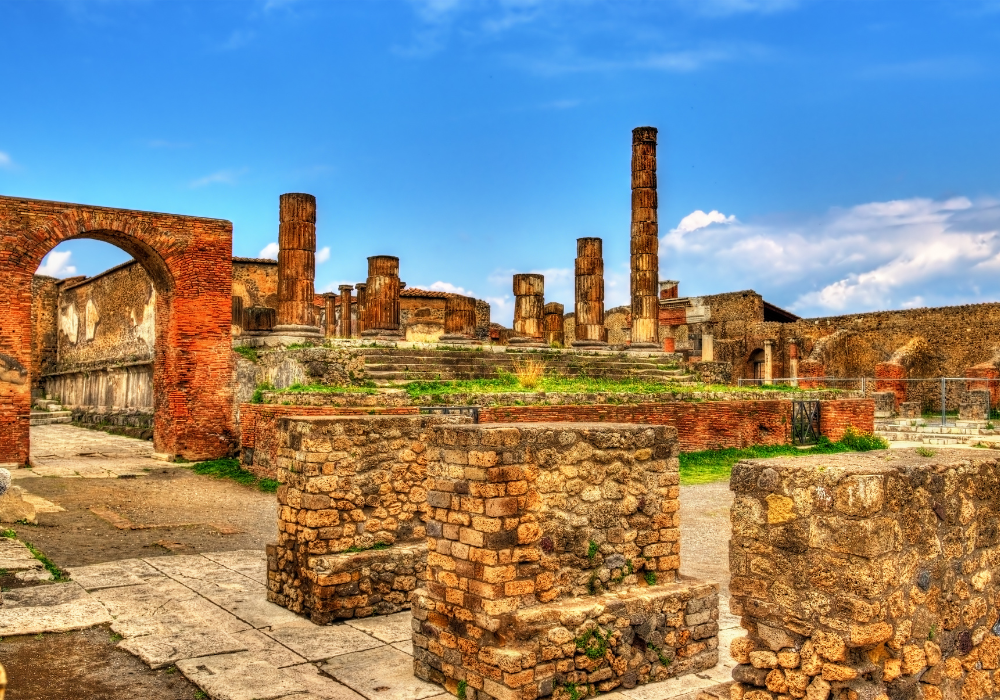
When Vesuvius erupted in AD 79, Pompeii looked frozen in time. For decades, that’s where the story seemed to end. Fresh research now paints a different picture: people filtered back, scavenged what they could, and carved out a precarious existence in the wreckage. It wasn’t a grand rebuild. It was survival.
Archaeologists have uncovered post-eruption ovens, reused rooms, and makeshift shelters. They’ve even found new wells sunk through ash to reach groundwater. The picture that emerges is gritty and human: a pop-up settlement that persisted for centuries, long after the disaster headlines faded.
1. The city stirred again—evidence shows a rough return to daily life
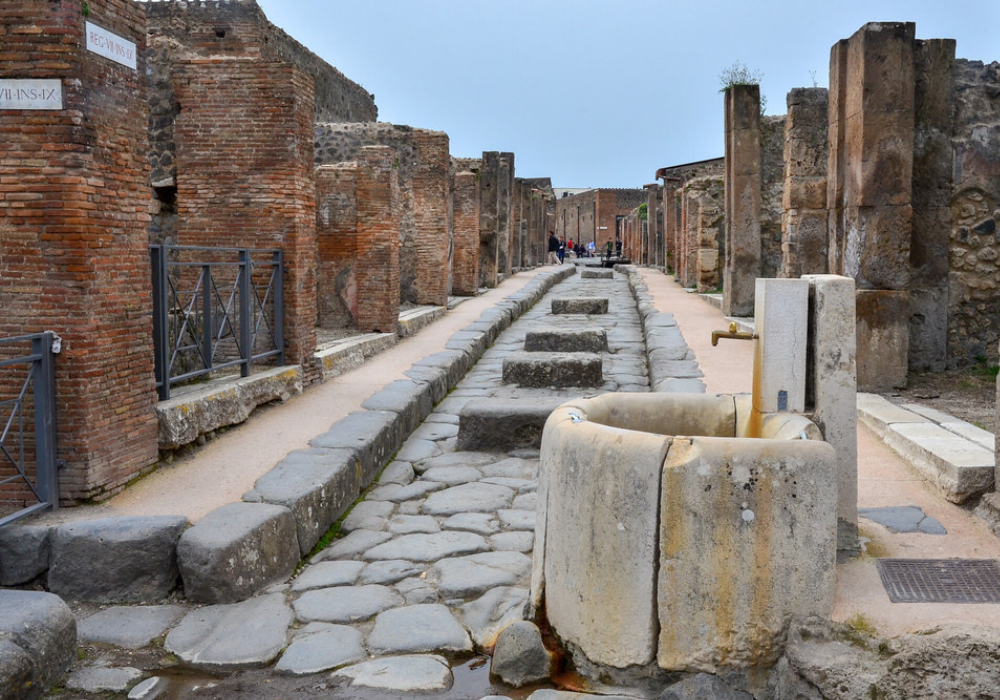
The “frozen city” wasn’t entirely frozen. New trenches in Pompeii’s southern quarter reveal clear signs of habitation after the ash settled. Researchers have documented post-eruption ceramics, coins, and domestic features you’d expect from people trying to restart the basics: cooking, storage, trade. It wasn’t orderly or well-planned. Think patched roofs, blocked doorways reopened by hand, and floors leveled across uneven rubble. The goal wasn’t restoring Rome’s elegance; it was getting a pot to boil and a roof to hold. That practical footprint is what gives the return away—and makes it feel real.
People also adapted rooms on the fly. Spaces that once showed off frescoes and fine furniture suddenly did double duty for cooking, sleeping, and storing salvaged goods. The new layers sit above 79 CE destruction deposits, which is how archaeologists can tell this activity came later. It’s living proof that the city’s story continued, even if the chapter was rough.
2. A ramshackle “favela” rose inside the ruins—more camp than city
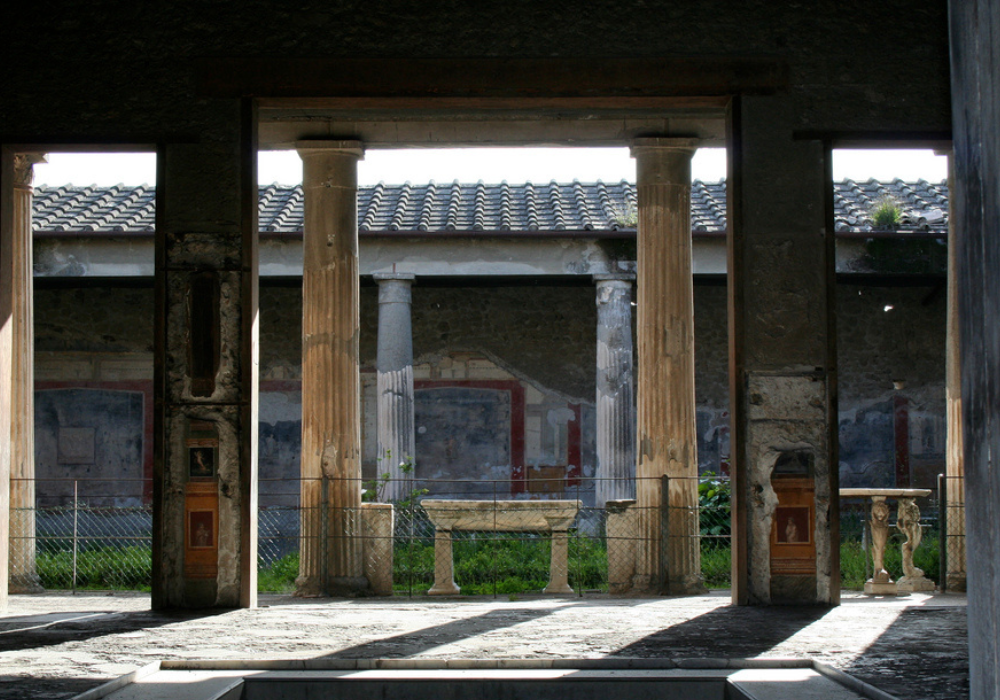
Site leaders describe this second Pompeii as a slum-like settlement threaded through collapsed courtyards and streets. Instead of plazas and markets, imagine improvised shelters, lean-to kitchens, and work corners tucked into any standing space. It’s the opposite of the polished “before” we tour today. Yet it tracks with how communities recover: first, find shelter; then, find food; later, rebuild if you can. The settlement’s layout wasn’t planned by officials—it grew wherever the ash left a gap and surviving walls offered cover.
That informality explains the mix of artifacts: humble cooking ware beside scavenged luxury scraps, late coins near reused door lintels. It also explains why this phase was easy to miss. Excavations long focused on the glamorous Roman city. A messy, improvised layer looked like noise—until researchers realized it told the most human part of the story.
3. Upper floors came back to life—lower levels turned into basements
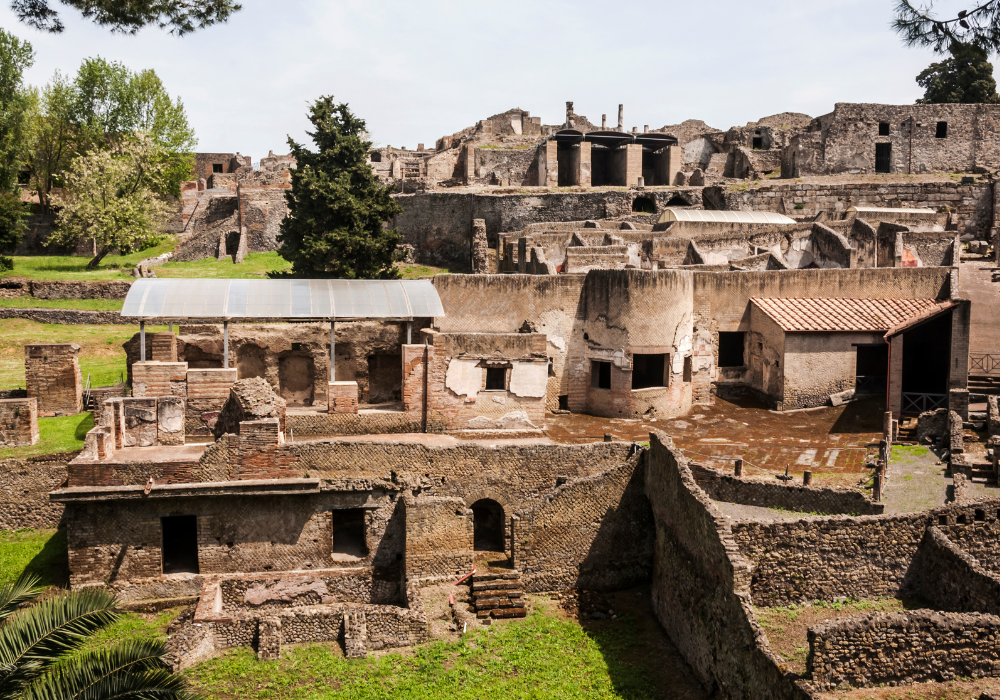
Ash buried many ground floors, but upper stories sometimes poked above the debris like islands. Settlers exploited that. They climbed back into second stories, stabilized fragile openings, and used the buried levels as cool storage or ad-hoc basements. In places, stairs were re-cut and thresholds rebuilt just high enough to keep daily life going. It’s not pretty architecture; it’s resourcefulness with what survived. Those reused upper rooms show cooking soot, patched flooring, and small finds that scream “somebody lived here again.”
Below, the buried rooms became a different world. People tunneled down for valuables, reused doorframes as supports, and created storage pockets that stayed cool and dry. That two-level life—makeshift apartment above, salvage and stash below—fits the pattern seen in other disaster sites where debris becomes part of the home.
4. Ovens, mills, and workshops restarted the city’s heartbeat
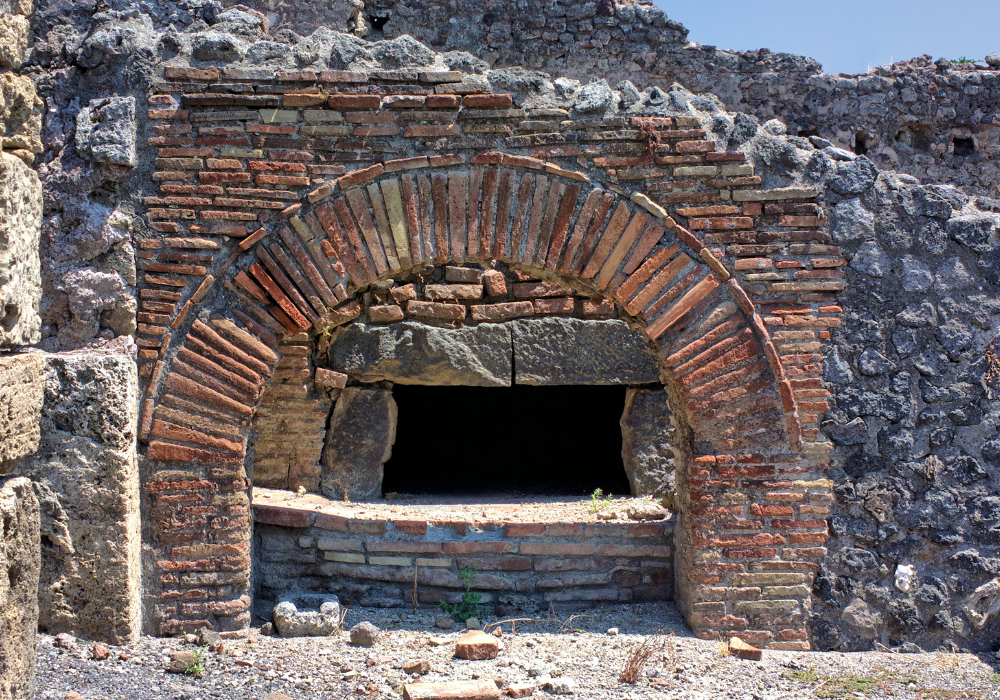
Archaeologists have identified post-eruption ovens and work areas, the clearest sign that life wasn’t just camping—it was producing. Baking returns first in many recovering communities because bread is daily fuel. Millstones and simple tool kits point to small-scale processing: grinding grain, repairing gear, turning scrap into saleable goods. These finds sit atop destruction layers and align with later coinage, which supports a timeline that stretches beyond the initial catastrophe.
It’s a portrait of a micro-economy. Not grand trade caravans, but neighbors swapping flour for help fixing a door. That everyday exchange leaves a durable trail: ash-clogged drains cleaned out, hearth stones scorched anew, and wear marks where hands returned to familiar tasks.
5. Fresh water didn’t flow—so they dug wells through the ash
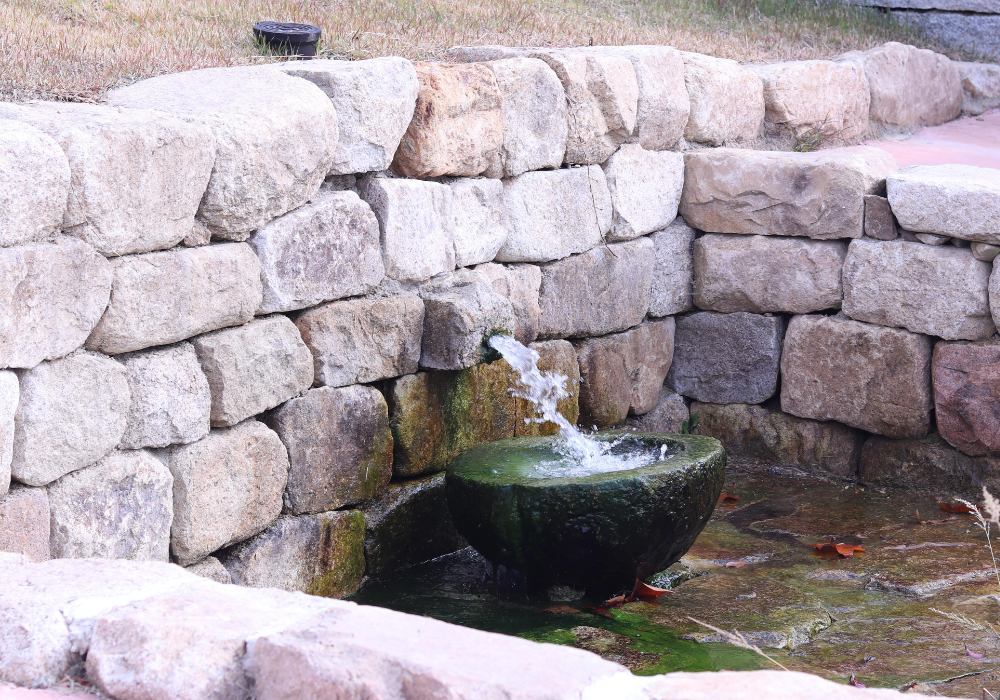
The aqueduct network failed after the eruption, so settlers turned downward. New wells cut through pumice to tap the groundwater table, and their shafts slice younger than the destruction layer. Digging that deep without heavy equipment is grueling work, which tells you how long people intended to stay. Water access also explains why certain clusters endured while others faded: if a well produced, the households around it had a fighting chance.
Water shaped the floor plan, too. Buckets, jars, and channels appear in reworked rooms, and makeshift gutters reroute runoff after seasonal downpours. You can trace the learning curve in the layers: early efforts are crude; later solutions are smarter and more stable.
6. The comeback lasted centuries—and ended with another eruption
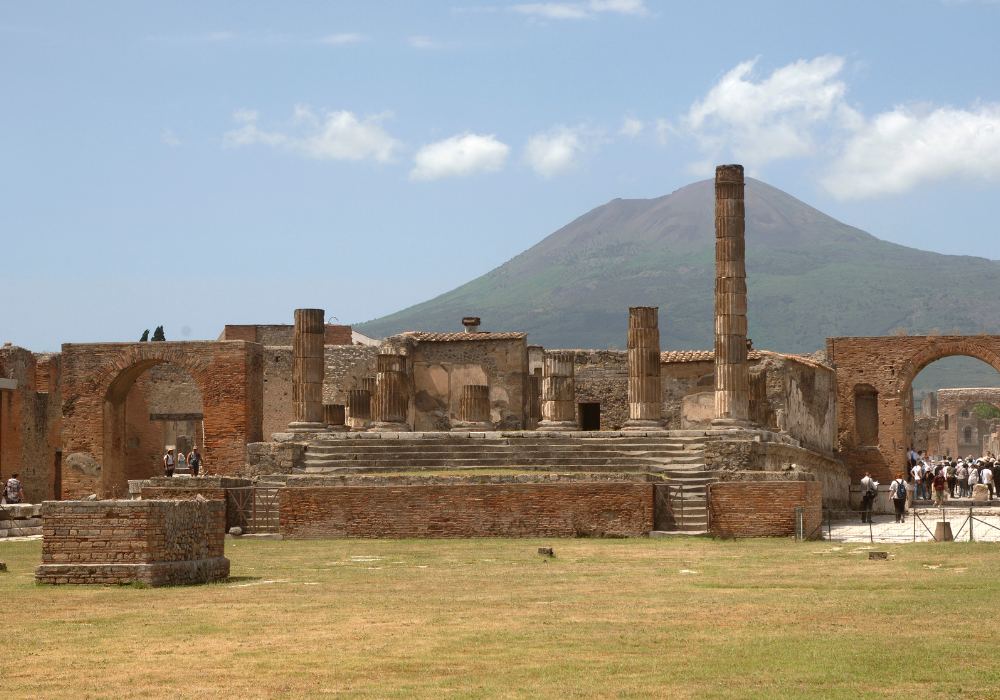
This wasn’t a few months of squatting. Evidence points to continued occupation into late antiquity, with materials dating to the fourth and even fifth century. That timeline reframes Pompeii as more than a snapshot—it’s a saga with an afterword. Eventually, nature wrote the last line. A later eruption in the fifth century slammed the region again, and the fragile settlement couldn’t survive another hit. By then, roofs were tired, walls were patched, and the margin for error was gone.
The long arc matters. It shows disaster recovery isn’t linear. Communities can persist for generations in “temporary” mode, improvising fixes that become normal until the next shock arrives.
7. Who came back? Survivors—and people with little to lose
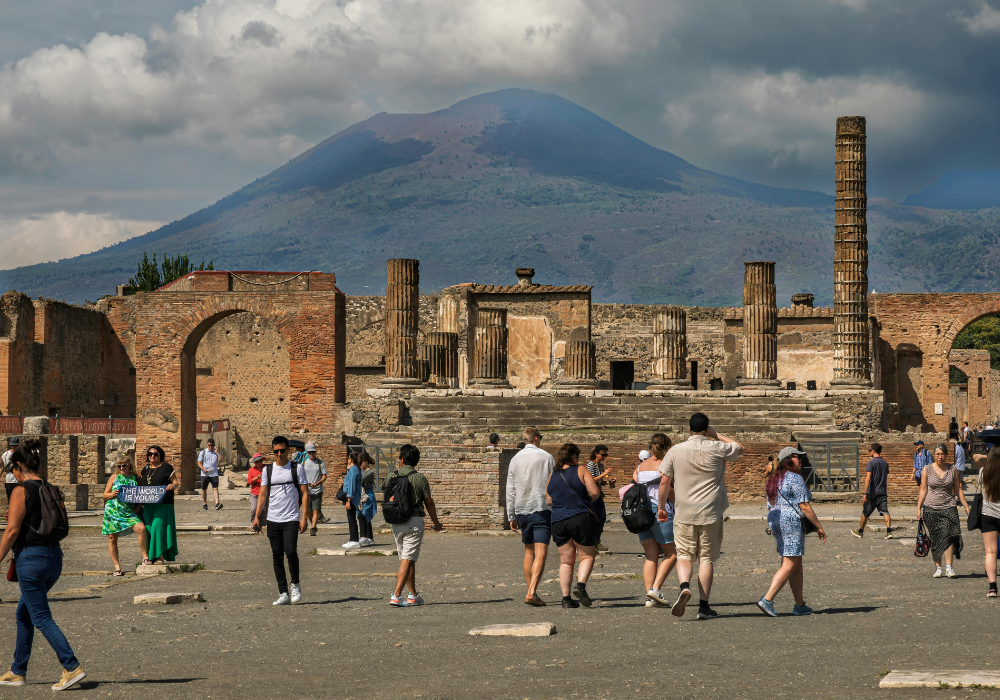
Archaeologists suspect a mix: original residents returning to familiar doorways, laborers chasing work on cleanup crews, and the desperate seeking shelter and salvage. It’s likely the poorest arrived first. They’re the ones who accept risk when safer options don’t exist. That tracks with the tools we find: basic kits, patched clothing fasteners, and repurposed household items. The wealthy had already restarted life in neighboring towns; the rest came back to the only place they knew.
This blend explains the settlement’s uneven quality. Some rooms are carefully stabilized; others are crude. It’s recovery led by individuals, not by the state—a reality reflected in every improvised fix.
8. Salvage became a lifeline—digging for valuables and materials
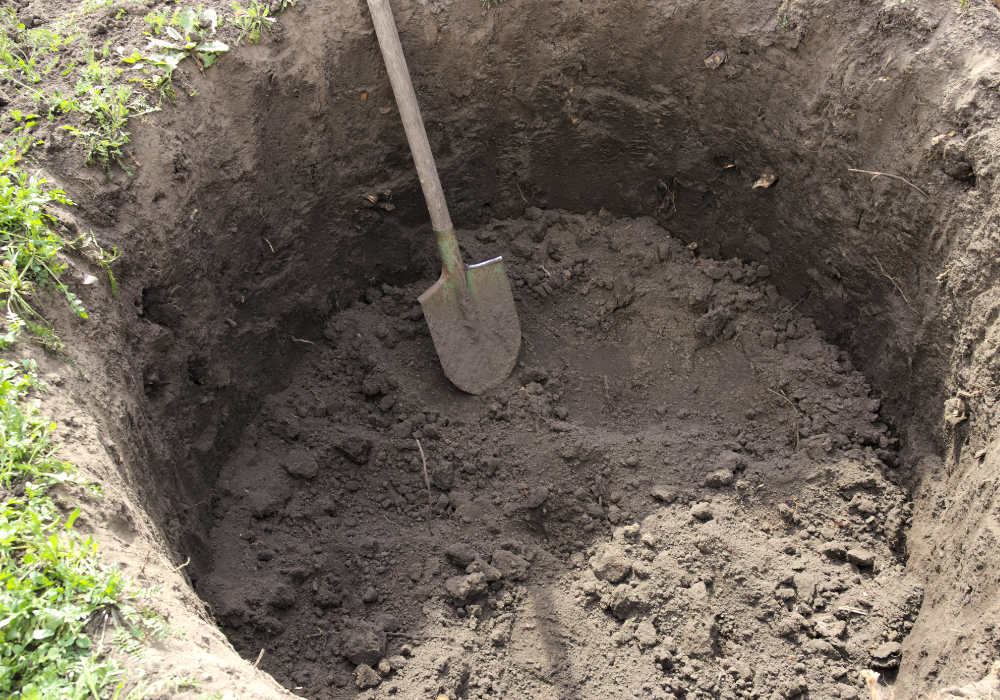
Beneath many reused rooms, tunnels and cuttings snake through ash-filled spaces. People weren’t just living above the ruins; they were mining them. Coins, metal fittings, marble fragments, and even usable timbers were pried from collapsed villas. Salvage powered trade with nearby towns and funded daily staples. It also created hazards: undermined walls, sudden collapses, and dust-choked air where lamps burned low.
Archaeologists can see the rhythm of this hunt in stacked spoil piles and sorted debris. What looks like chaos is actually curation—valuable items lifted to the surface, broken waste pushed aside, and a precarious economy built on the leftovers of a lost city.
9. The death toll we see is far below the city’s population
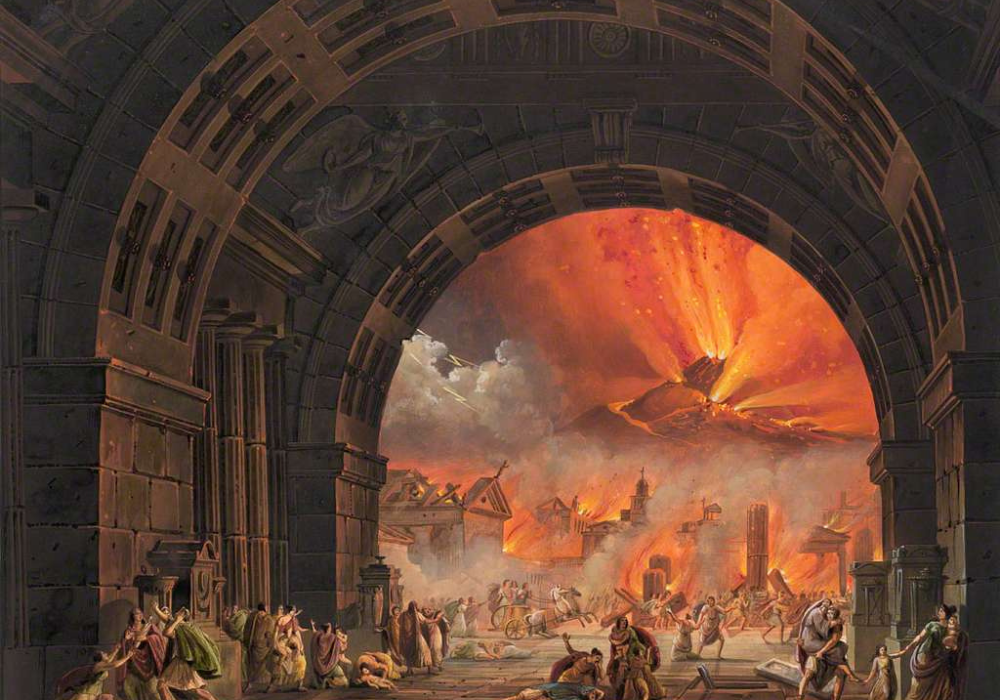
Pompeii held tens of thousands before the disaster, but excavations have recovered remains of just over a thousand victims. That gap suggests many escaped the initial onslaught, which helps explain who was alive to come back. It doesn’t soften the tragedy; it broadens the story. People fled, regrouped, and some returned to salvage homes, memories, and goods. The numbers in the ground reflect both loss and survival, and the reoccupation layers make that survival visible.
It also reframes famous body casts. They are part of the story, not the whole of it. The living left their own cast: ovens relit, wells dug, rooms rekeyed for a harder life.
10. Rome tried official resettlement—real recovery stayed local
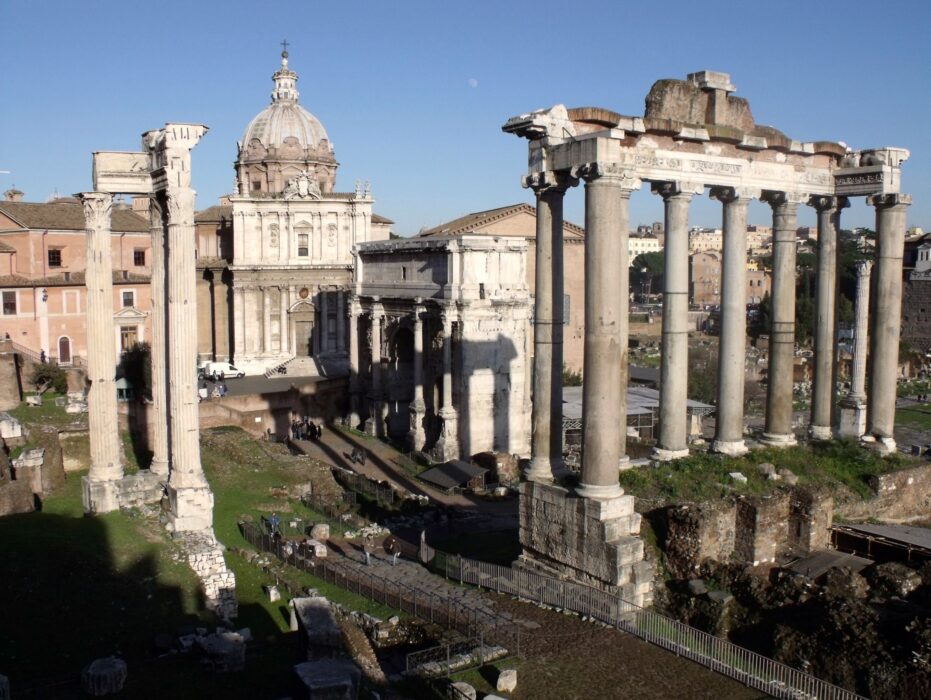
Historical accounts hint that Roman authorities floated plans to repopulate the area, but archaeology shows the daily grind ran on household labor, not imperial logistics. When aqueducts fail and streets choke with ash, edicts matter less than shovels and neighbors. That’s exactly what the layers reveal: hyper-local solutions to water, shelter, food, and trade. The state’s footprint is faint; the community’s is everywhere.
That lesson resonates today. Big announcements follow disasters, but lasting recovery often depends on small, repeated actions—patching, hauling, trading, sharing—until the neighborhood can stand on its own legs again.
11. Why scholars missed it: the glamour of “before” overshadowed “after”

For generations, research prized the intact Roman city—the frescoes, mosaics, and perfectly paused streets. Messy, improvised layers looked like contamination, not history. Only recently have teams read those layers as a chapter in their own right. Once you flip that lens, patterns jump out: rebuilt thresholds, late-dated coins, ash-cut wells, and soot from new hearths. The afterlife of Pompeii wasn’t a footnote; it was everyday life, just lived closer to the edge.
That shift in focus is rewriting museum labels and tour scripts. Pompeii didn’t just end. It adapted, persisted, and taught us how people make do.
12. The artifacts tell on themselves—late coins, reused marble, humble cookware
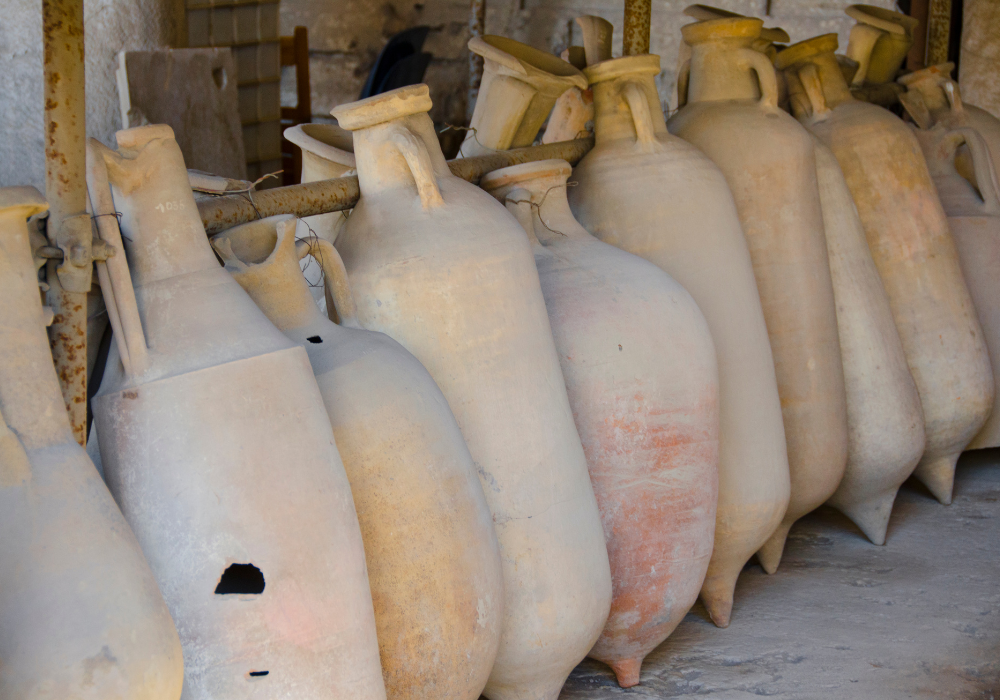
Post-eruption finds include low-status pots, patched tools, and later coinage that anchor the timeline. Reused marble lintels and salvaged timbers sit alongside simple cookpots and storage jars. You can almost map a household budget in those layers: spend where you must, salvage where you can. Even trash piles become evidence, with broken pieces sorted by usefulness. It’s the archaeology of thrift.
Dating methods help draw the line between “before” and “after.” When later materials sit above 79 CE destruction deposits—and show wear from daily life—you’re looking at a community that clawed its way back from catastrophe.
13. Why this matters now: it’s a manual for living after disaster
Pompeii’s second act reads like a field guide for communities hit by hurricanes, quakes, or fires today. Secure water. Stabilize shelter. Restart food production. Build micro-economies from salvage and skills. None of it is glamorous, and all of it is vital. The lesson isn’t that cities bounce back to perfection. It’s that people improvise, endure, and make “temporary” last longer than anyone expects.
Seeing this chapter doesn’t dim the poignancy of the casts. It expands our empathy to the survivors—those who came home, lit new fires, and carried on in the shadow of a volcano.