
The groundbreaking ruling links environmental destruction to basic human rights, setting a powerful new precedent for global climate justice.
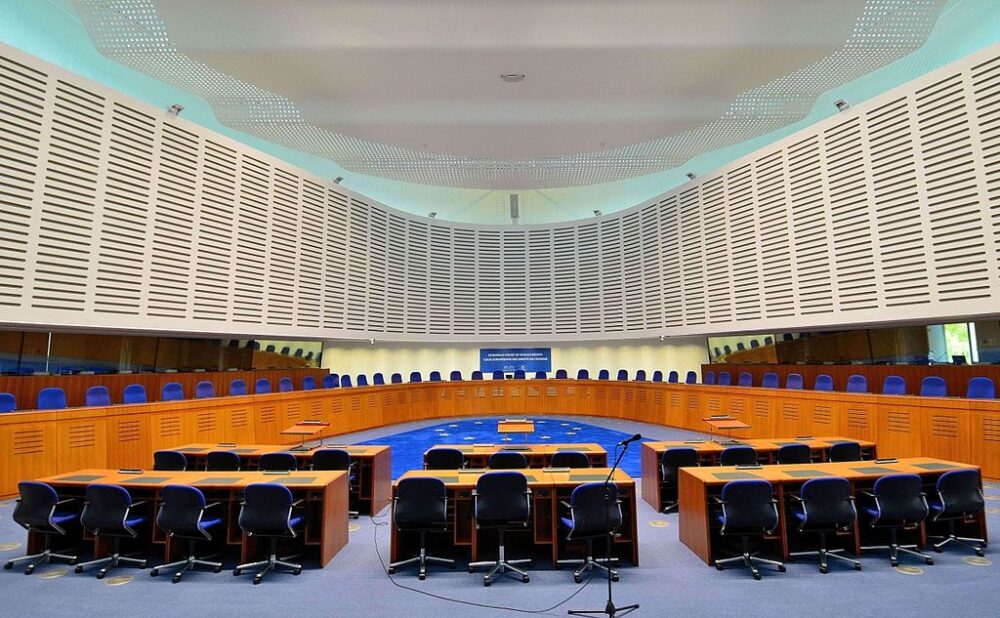
In a groundbreaking decision, the European Court of Human Rights has ruled that governments have a legal obligation to protect citizens from the harmful effects of pollution—declaring environmental degradation a violation of basic human rights. This historic judgment links the right to a healthy environment with long-standing civil liberties, setting a new global precedent. As the climate crisis escalates, this ruling could reshape international law, spark waves of environmental litigation, and force both nations and industries to take real action.
1. The Court Officially Recognizes Clean Air and Water as Human Rights

In a dramatic legal milestone, the court declared that access to clean air and safe drinking water is not just an environmental concern—it’s a human right. This statement places environmental degradation on the same level as violations like torture or discrimination. Governments may now be expected to ensure environmental safety as a fundamental part of protecting citizens’ rights. For communities suffering from pollution, this could offer new legal recourse and a stronger voice in climate-related decisions.
2. This Climate Ruling Sets a Global Precedent for Future Environmental Lawsuits
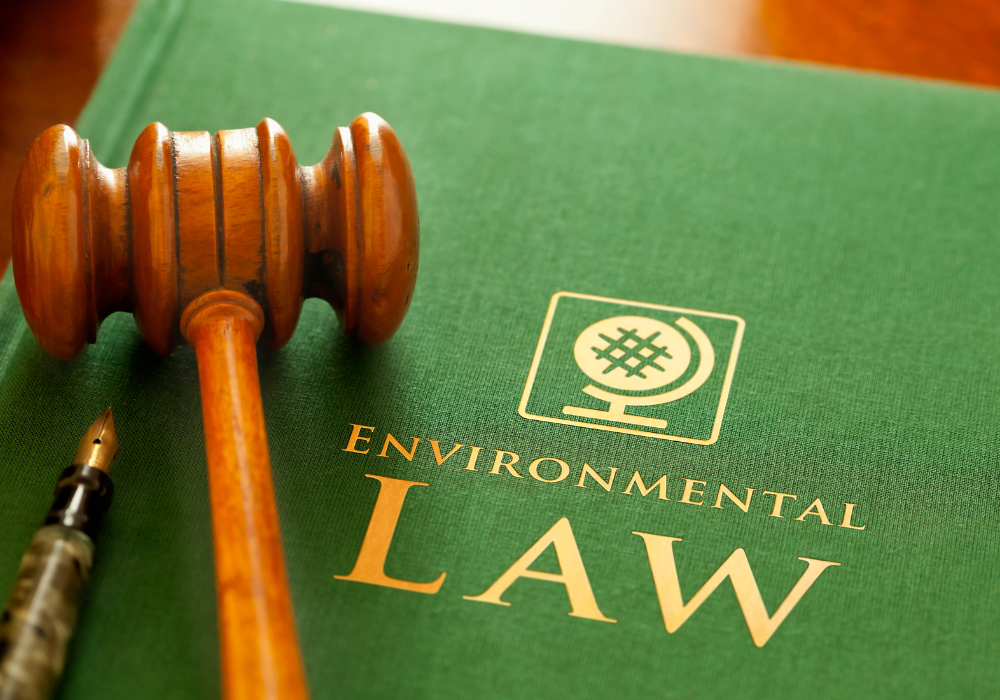
By labeling pollution a human rights violation, the court has created a model that other nations and legal systems may follow. It sends a clear message: environmental protection isn’t optional. Future legal battles over carbon emissions, toxic waste, or industrial runoff can now reference this landmark decision. Climate activists, lawyers, and policymakers have gained a potent new weapon in their arsenal. The ruling is likely to influence international climate negotiations and domestic environmental laws alike.
3. Governments Could Face Legal Action for Climate Inaction

One major implication of the ruling is its power to hold governments accountable for failing to curb pollution. If a government knowingly allows environmental harm that affects citizens’ health or safety, it could now be sued for violating human rights. This shifts environmental responsibility from idealistic promises to enforceable legal obligations. Citizens and advocacy groups may use this ruling to demand stronger environmental protections or even take legal action when political leaders delay meaningful climate action.
4. Big Polluters May Be Sued Under Human Rights Law

This decision puts major corporations on notice: polluting the planet could now be grounds for human rights lawsuits. Companies that dump toxic chemicals, contribute heavily to air pollution, or ignore climate regulations might face legal consequences not just from governments, but from citizens and communities. It opens a new legal pathway for holding polluters accountable. Businesses will be forced to rethink their environmental impact or risk massive legal and reputational fallout in the era of climate justice.
5. Climate Refugees May Gain Stronger Legal Protection

The ruling could transform how the world views climate refugees—people forced to relocate due to environmental collapse. With pollution and climate change recognized as human rights issues, displaced individuals may now have a legal basis for asylum or reparations. Countries may be compelled to offer protections they previously denied. This could reshape immigration law and force global powers to reckon with the human cost of environmental destruction, especially in vulnerable regions hit hardest by rising temperatures and pollution.
6. The Ruling Elevates Environmental Protection to a Legal Duty
Environmental protection has often been treated as a policy preference—important but not urgent. This ruling changes that by giving legal weight to environmental stewardship. Countries may now be required to pass and enforce stricter pollution regulations to avoid violating international human rights law. It also places new pressure on lawmakers and judges to view environmental harm as a direct threat to human welfare. The decision elevates climate policy to the realm of basic justice and legal accountability.
7. Human Health Is Now Legally Tied to Environmental Conditions

The court’s decision underscores what science has long confirmed: pollution directly harms human health. By connecting dirty air, water contamination, and ecosystem collapse to human rights, the ruling makes it easier to demand urgent interventions. Health professionals, community leaders, and citizens can now frame environmental hazards as violations of personal safety and wellbeing. This recognition strengthens the link between climate change, public health, and legal accountability—pushing governments and corporations to act faster to protect human lives.
8. The Decision May Spark a Wave of Climate Litigation Worldwide

With this ruling on the books, countries around the world may see a surge in climate-related lawsuits. Individuals and advocacy groups now have stronger legal footing to challenge government inaction or corporate pollution. Courts across multiple jurisdictions could adopt similar reasoning, spreading the impact far beyond the initial decision. This marks a shift in how climate change is fought—not just in the streets or at the ballot box, but increasingly in courtrooms armed with human rights law.
9. It Sends a Clear Warning: Climate Negligence Will No Longer Be Tolerated

Above all, the ruling sends a powerful global message—governments and corporations can no longer pollute with impunity. Environmental negligence is now a matter of legal and moral accountability. As climate disasters increase and public demand for justice grows, this decision serves as a formal warning: protecting human rights means protecting the planet. Failing to act will no longer be dismissed as political delay—it could now lead to legal consequences that force real environmental change.