
Researchers are finding real cognitive benefits in collaborative storytelling games.
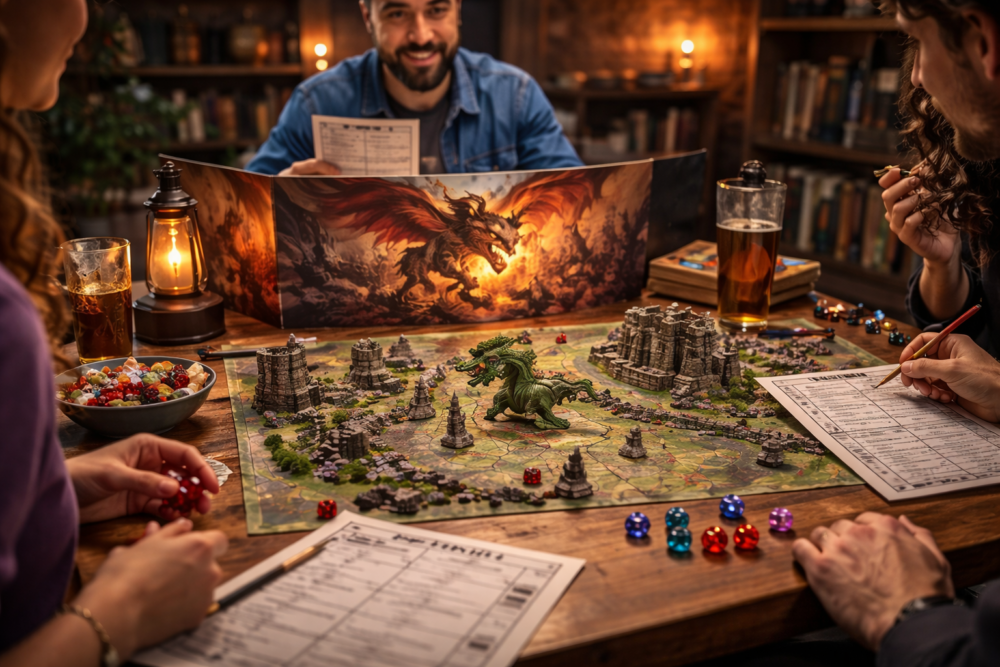
For a long time, tabletop role-playing games were treated like a niche hobby you either “got” or ignored. Now, researchers are starting to look at them differently. Universities, including the University of Exeter, are studying how games like Dungeons & Dragons keep players mentally engaged in ways that don’t look like traditional learning or entertainment.
Unlike video games that push you down a fixed path, D&D asks you to imagine entire worlds, read the room, and make decisions on the fly with other people. There’s no script, no reset button, and no single right answer.
What scientists are noticing is that this kind of play quietly works multiple parts of the brain at once, blending memory, creativity, social awareness, and flexible thinking in a way few activities manage to pull off.
1. Why researchers are suddenly interested in tabletop role-playing
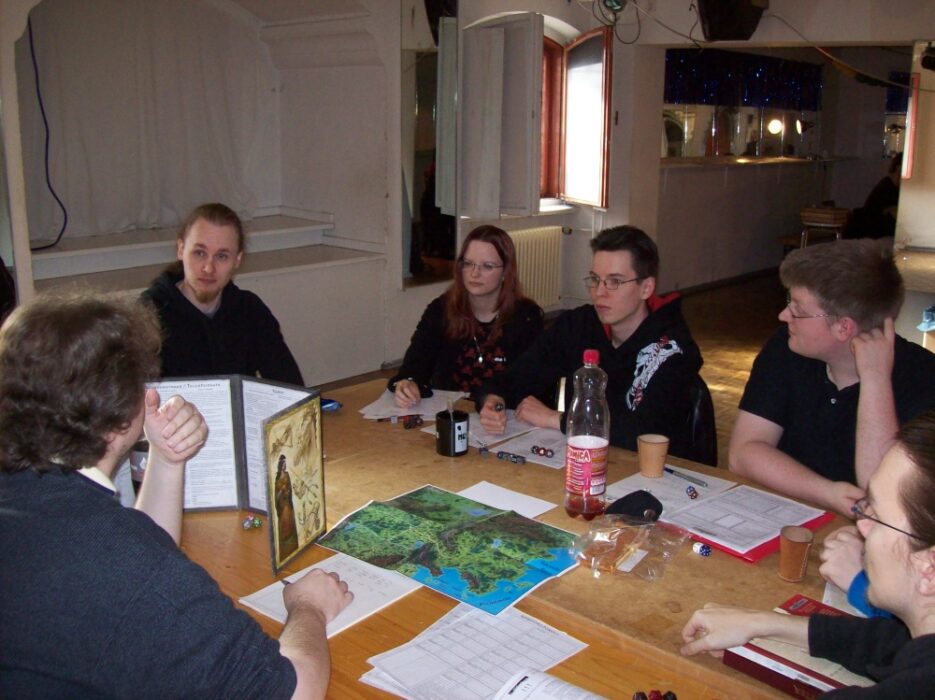
As role-playing games have moved into the mainstream, researchers have noticed how mentally demanding they are. A single session can involve storytelling, strategy, emotional interpretation, and group coordination.
This blend is rare in recreational activities. Most hobbies engage one or two cognitive systems, while tabletop role-playing consistently activates many at the same time, making it attractive for study.
2. How imagination gets a full workout during play

Players must continuously visualize environments, characters, and consequences that don’t physically exist. This sustained mental simulation activates brain networks linked to creativity and abstract thinking.
Research on imaginative play shows that regularly engaging these networks can improve cognitive flexibility. That flexibility supports learning, innovation, and the ability to shift perspectives when situations change.
3. Memory is tested in subtle but demanding ways
D&D requires players to remember rules, story details, character abilities, and past decisions across weeks or even years of play. This places steady demands on both working memory and long-term recall.
Unlike flashcard-style memory tasks, this recall happens in dynamic situations. Researchers note that this mirrors real-world memory use more closely than many laboratory tests.
4. Decision-making under uncertainty mirrors real life

Unlike games with predictable outcomes, tabletop role-playing unfolds unpredictably. Players must make choices without knowing the results, often with incomplete information.
Psychologists say this kind of uncertainty trains adaptive decision-making. Players learn to evaluate risk, revise plans quickly, and cope when outcomes don’t match expectations, skills that transfer beyond the game table.
5. Social cognition is central to the experience
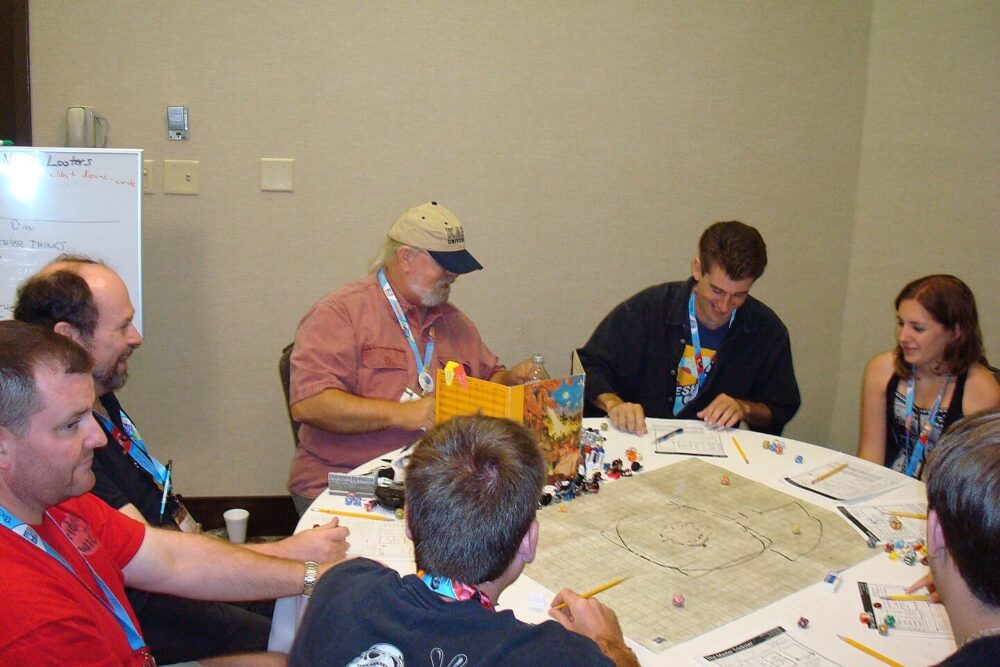
Role-playing is fundamentally social. Players constantly read tone, emotion, and intention while negotiating plans or responding to unexpected events.
Studies of social cognition suggest that these interactions strengthen perspective-taking and empathy. Over time, this can improve communication skills and emotional awareness in everyday situations.
6. Why collaboration matters more than competition
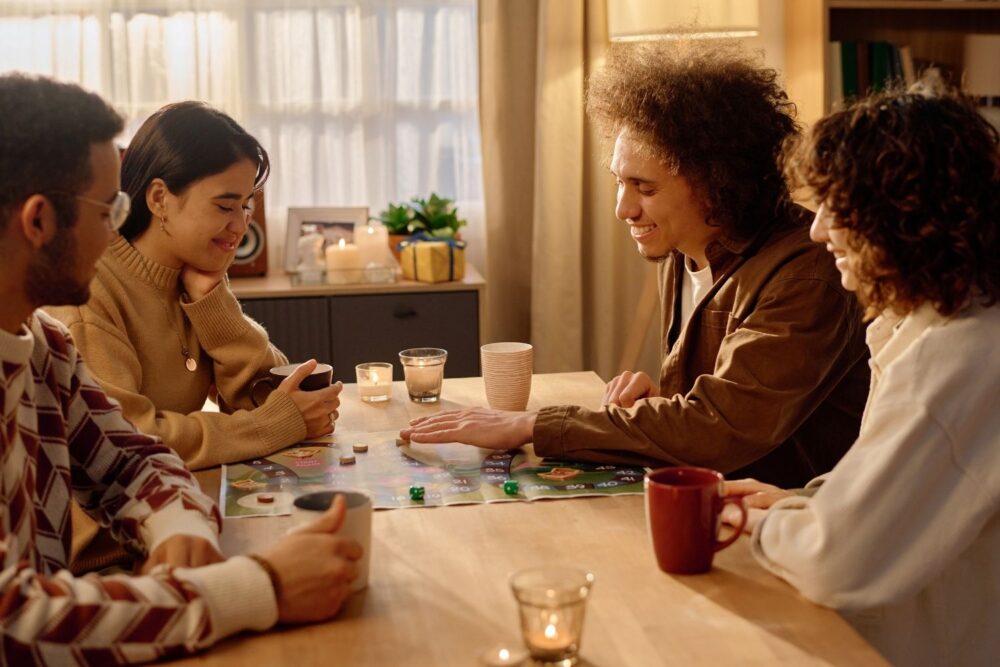
Unlike many games built around winning or losing, D&D emphasizes cooperation. Players succeed by sharing information, supporting different strengths, and solving problems as a group rather than competing against one another.
Educational psychology research shows that cooperative problem-solving strengthens communication and trust. It encourages participants to listen, compromise, and coordinate actions toward shared goals.
Because progress depends on group success, players practice skills tied to teamwork, leadership, and conflict resolution in a low-stakes environment that still feels meaningful.
7. Storytelling links emotion and learning
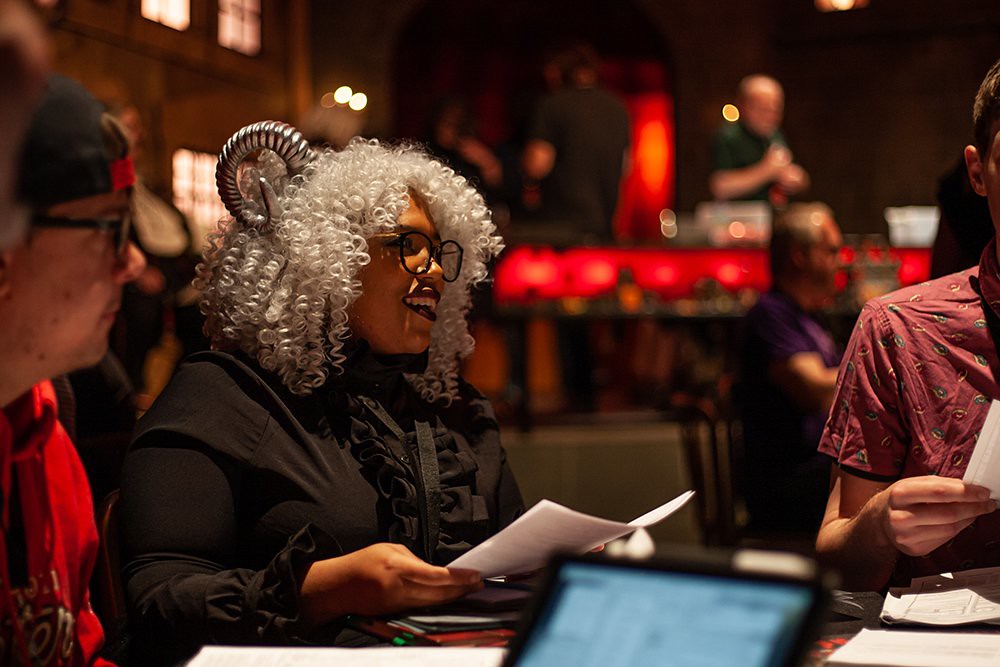
Narrative plays a powerful role in how the brain stores information. Emotional engagement makes memories stick, and D&D stories are often deeply personal to players.
Researchers studying narrative learning note that storytelling can dramatically improve comprehension and recall. When players care about outcomes, their brains treat information as more important and memorable.
8. Mental health researchers are paying attention
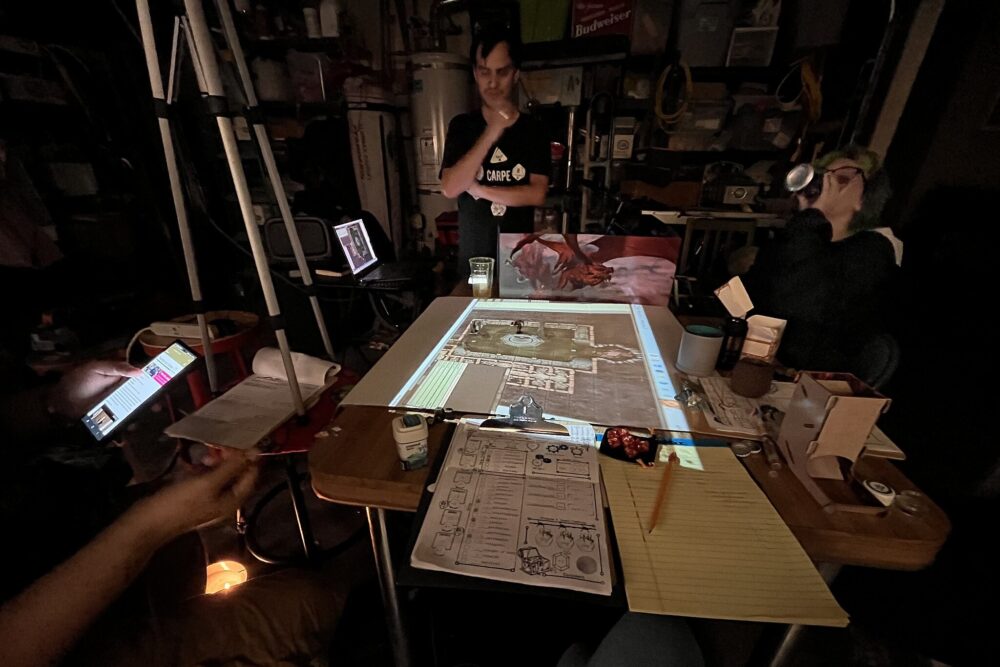
Some psychologists are exploring tabletop role-playing as a supportive tool for anxiety, social isolation, and confidence building. Structured role-play can offer a safe space to practice communication.
While it is not a substitute for therapy, early findings suggest it may complement mental health approaches. Researchers emphasize that guided and inclusive play environments matter for these benefits.
9. Educational settings are beginning to experiment

Teachers and librarians have introduced role-playing games into classrooms and after-school programs. Early observations point to higher engagement and stronger collaboration among students.
Education researchers are now studying whether these games can support literacy, problem-solving, and critical thinking. The emphasis is on how learning happens, not just what is memorized.
10. Why adults benefit just as much as kids

Cognitive stimulation remains important throughout adulthood. Activities that combine memory, creativity, and social interaction help keep the brain engaged over time.
Researchers studying cognitive aging note that mentally demanding group activities are associated with better long-term brain health. Games that challenge multiple systems at once may be especially valuable.
11. What the research does and doesn’t claim

Scientists are careful not to label D&D as a miracle brain booster. Most studies focus on engagement and skill use rather than guaranteed outcomes.
Still, the pattern is consistent. The game repeatedly activates multiple cognitive systems at once, something few hobbies manage to do so reliably.
12. Why this game keeps showing up in brain research
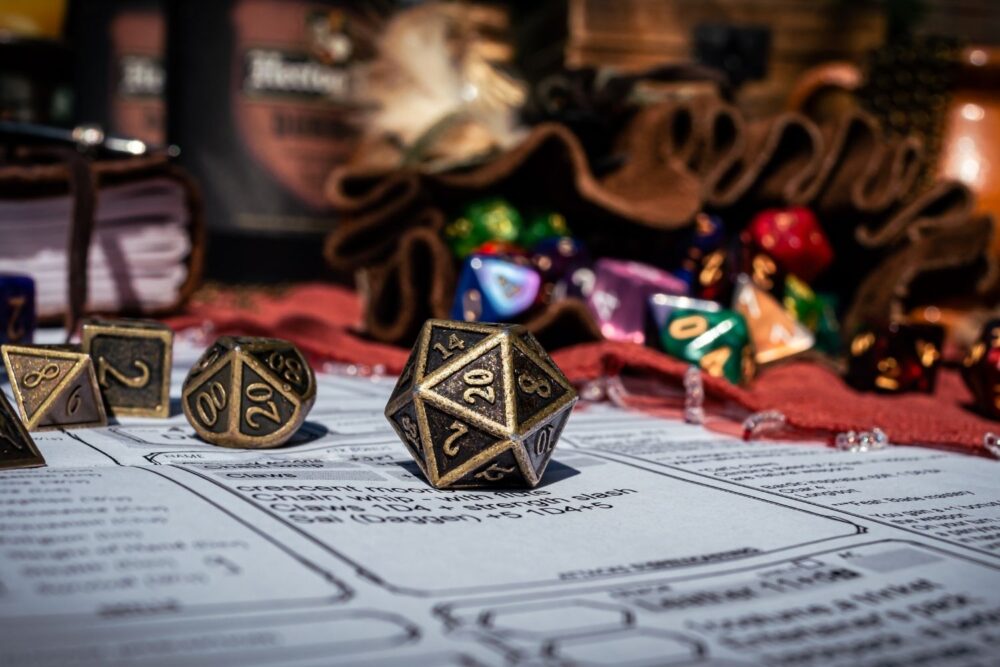
Dungeons & Dragons combines imagination, memory, collaboration, emotion, and adaptability in a single experience. That makes it unusually useful for studying how complex thinking works outside the lab.
As research continues, the game is increasingly viewed not just as entertainment, but as a window into how the human brain learns, connects, and creates through shared experiences.