
Astronomers say new evidence hints at a mysterious planet hiding beyond Neptune—closer than the long-hypothesized Planet Nine.

Astronomers have proposed a new hypothesis called “Planet Y” to explain the strange tilt of distant objects orbiting beyond Neptune. This theory suggests that a hidden, Earth-sized planet may exist much closer to the Sun than the long-hypothesized Planet Nine. If true, it could reshape how scientists understand the outer reaches of our solar system and the forces shaping it. While the idea is intriguing, researchers emphasize that Planet Y remains unconfirmed—and so far, unseen.
1. The Planet Y Hypothesis Emerged to Explain Tilted Orbits
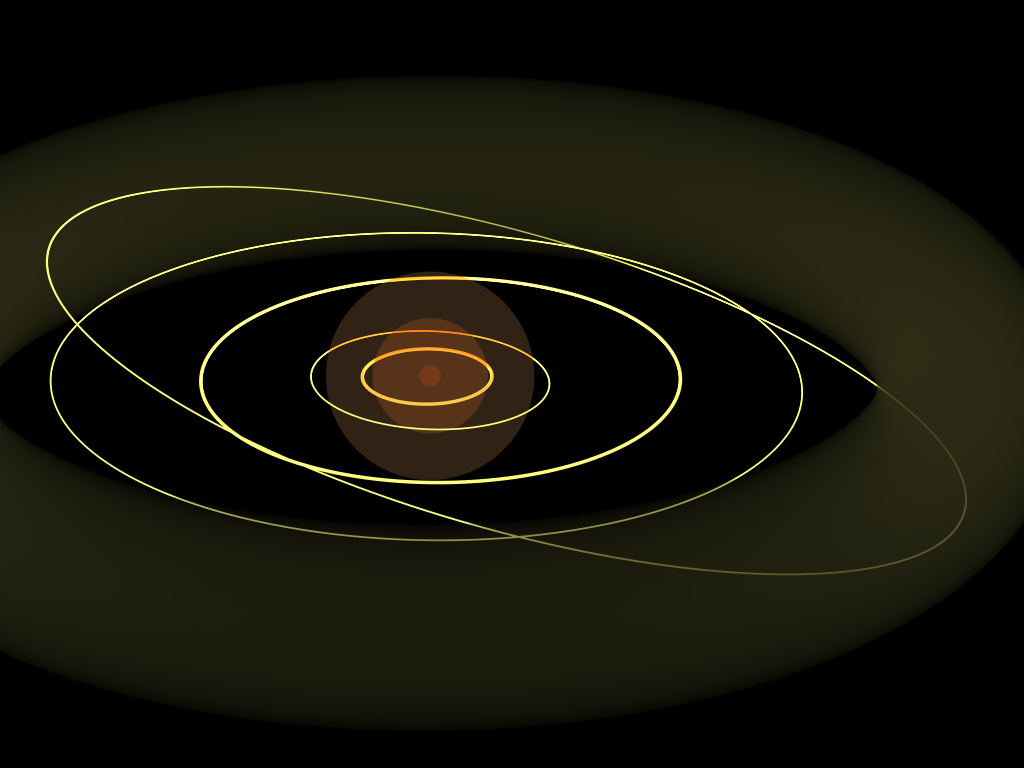
Astronomers recently identified an unusual pattern among Kuiper Belt Objects (KBOs)—a group of icy bodies orbiting beyond Neptune. Many of these objects share a noticeable tilt of about 10–15 degrees relative to the plane of the solar system. The researchers, led by Amir Siraj, proposed that this consistent tilt could be caused by the gravitational pull of an unseen planet roughly the size of Earth.
The existence of Planet Y would neatly explain the orbits of dozens of KBOs that otherwise defy current models. However, with only around 50 objects forming the data set, scientists caution that the trend might result from limited sampling rather than an undiscovered world.
2. Planet Y Could Be Smaller and Closer Than Planet Nine

Unlike Planet Nine—which is thought to be several times larger than Earth and hundreds of astronomical units (AU) away—Planet Y is predicted to be smaller and much nearer. Estimates place it between 100 and 200 AU from the Sun, making it closer than Pluto by a wide margin but still well beyond Neptune’s orbit.
That relative proximity makes the search more feasible. Yet Planet Y’s small size and cold, dim surface mean it reflects little sunlight, making it exceptionally difficult to spot even with today’s most advanced telescopes.
3. Orbital Tilts Sparked the Search for a Hidden Planet

The discovery that many KBOs tilt in a similar direction first prompted astronomers to consider whether an unseen object was influencing them. Over billions of years, even a modest gravitational force could gently nudge smaller bodies out of alignment with the solar system’s plane.
Other explanations have been considered—such as random orbital clustering or the lingering effect of a passing star—but none match the mathematical fit of a planet-sized object in a steady, inclined orbit. Still, confirmation will require observing far more KBOs across wider regions of the sky.
4. No Telescope Has Spotted Planet Y—Yet

Despite growing interest, Planet Y has never been directly observed. Its faintness and unpredictable orbit make it easy to overlook, even in wide-field surveys. The region where it might hide remains enormous, with only a fraction of it mapped in sufficient detail.
Upcoming instruments like the Vera C. Rubin Observatory could change that. By repeatedly scanning large sections of the night sky at greater depth, it may finally reveal whether Planet Y truly exists—or rule out the possibility altogether.
5. Planet Y Doesn’t Replace Planet Nine
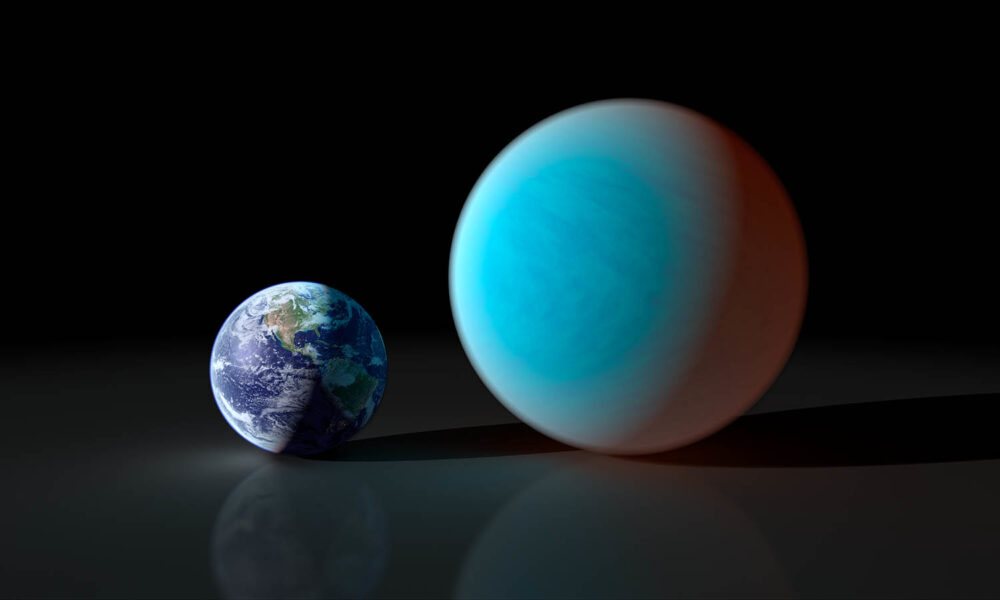
The new theory doesn’t reject Planet Nine but adds another layer of complexity. Planet Nine, if real, would be a giant many times Earth’s mass orbiting hundreds of AU away. Planet Y, by contrast, would be smaller, nearer, and perhaps responsible for a different set of orbital distortions.
Some astronomers suspect that both planets—or a combination of smaller influences—might explain the irregularities seen in the Kuiper Belt. Others caution against introducing multiple hypothetical worlds before stronger evidence emerges.
6. Simulations Show Planet Y Could Fit the Data
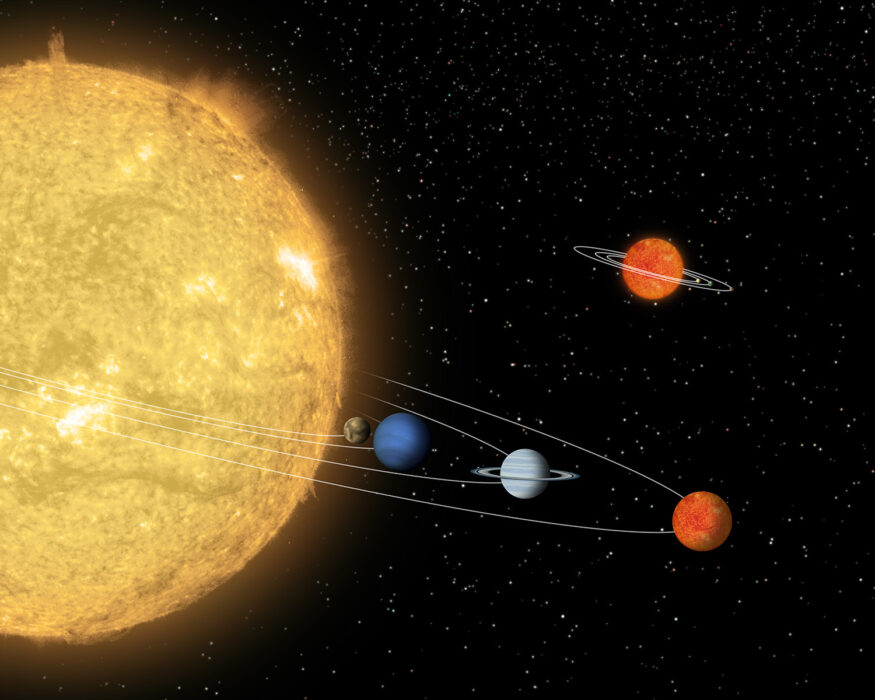
Computer models run by the research team show that an Earth-sized planet in the proposed orbit could tilt the Kuiper Belt gradually over billions of years. The models reproduce the observed orbital pattern with surprising accuracy, suggesting a steady gravitational influence from a hidden body.
However, models are not proof. Small changes in assumptions about mass or orbital shape can yield very different outcomes. Direct detection remains the ultimate test—and until then, Planet Y exists only as a plausible but unverified explanation.
7. The Tilt Points to Long-Term Solar System Dynamics

If the tilt is genuine, it suggests the outer solar system is more dynamic than previously believed. Planet Y could be part of a broader pattern of gravitational evolution that slowly reshapes orbits over time. Even subtle forces can accumulate, leaving behind clues encoded in orbital angles and distributions.
Alternatives include early migrations of Jupiter and Saturn or gravitational pulls from the Milky Way’s galactic tide. Understanding which factor dominates will require a much larger catalog of distant solar system bodies.
8. The Observed Tilt Is About 10–15 Degrees
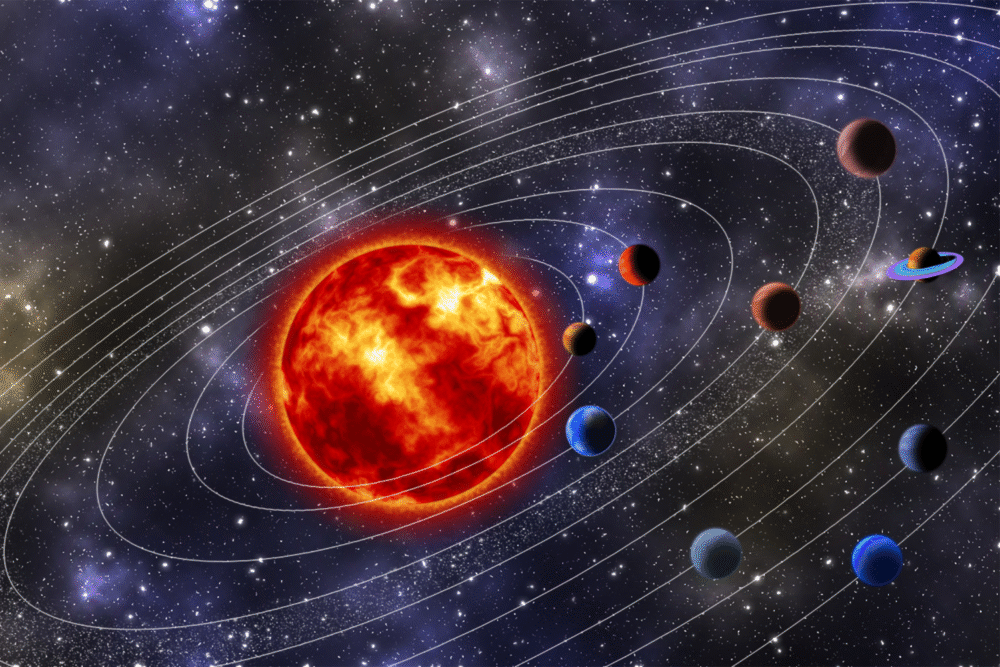
The newly documented orbital tilt is modest but significant. Most known planets orbit within a few degrees of the same plane, so even a 10-degree deviation is unusual. The pattern is difficult to explain using only the known planets and natural drift.
A hidden planet with a slow, inclined orbit could account for the difference. Critics note that the sample of KBOs is still too small to rule out statistical coincidence, highlighting how more discoveries are needed before any firm conclusions can be drawn.
9. Scientists Emphasize This Is Still a Hypothesis

The Planet Y study authors describe their idea as a “puzzle, not a proof.” They acknowledge the data are preliminary and that confirmation depends on future observations. In science, unseen planets remain hypothetical until evidence moves beyond orbital inference to direct imaging or consistent detection.
Astronomers welcome creative explanations but warn against over-interpreting limited data. Many prior “new planet” claims have faded under scrutiny. Planet Y remains an open question—intriguing, mathematically sound, but awaiting visual confirmation.
10. Future Observatories Could Hold the Key

Next-generation sky surveys will soon map the solar system with unprecedented precision. The Vera C. Rubin Observatory, launching full operations in 2026, will repeatedly scan the sky for faint moving objects, making it the most likely tool to reveal Planet Y if it exists.
In addition, ongoing infrared missions may detect the planet’s faint heat signature, even if sunlight reflection remains too weak for optical telescopes. Within the next decade, astronomers expect enough new data to either pinpoint Planet Y or close the case.
11. A Hidden Planet Would Rewrite the Solar System’s Story

If Planet Y is confirmed, it would mark one of the most significant discoveries in modern astronomy. It would show that even nearby regions of our solar system still harbor major secrets, expanding our understanding of planetary formation and migration.
Even if the theory is disproven, it pushes astronomers to collect better data, refine models, and challenge assumptions. Whether Planet Y exists or not, the search underscores how much of our own solar backyard remains unexplored—and how every mystery deepens our picture of the universe.