
Privacy fears, data sharing concerns, and AI features are pushing homeowners to rethink smart home security
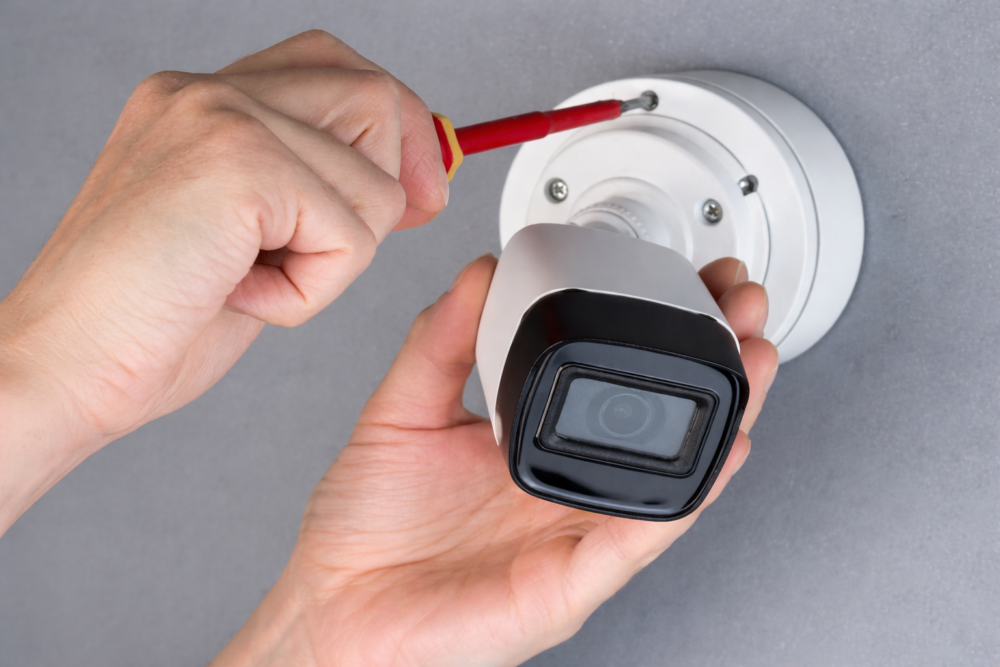
People across the U.S. are reconsidering one of the most common home gadgets of the past decade: smart security cameras. Once promoted as an easy way to protect homes, deter crime, and monitor packages, these devices are now raising new concerns about privacy, surveillance, and data control. In response, some homeowners are unplugging their cameras, while others are removing them entirely.
The shift gained momentum after high-profile features and marketing campaigns highlighted how advanced these systems have become. What once felt like peace of mind now feels, to some, like constant monitoring. As awareness grows about how footage can be stored, analyzed, or shared, many people are questioning whether smart cameras still belong on their front doors.
1. Smart cameras were supposed to offer simple peace of mind
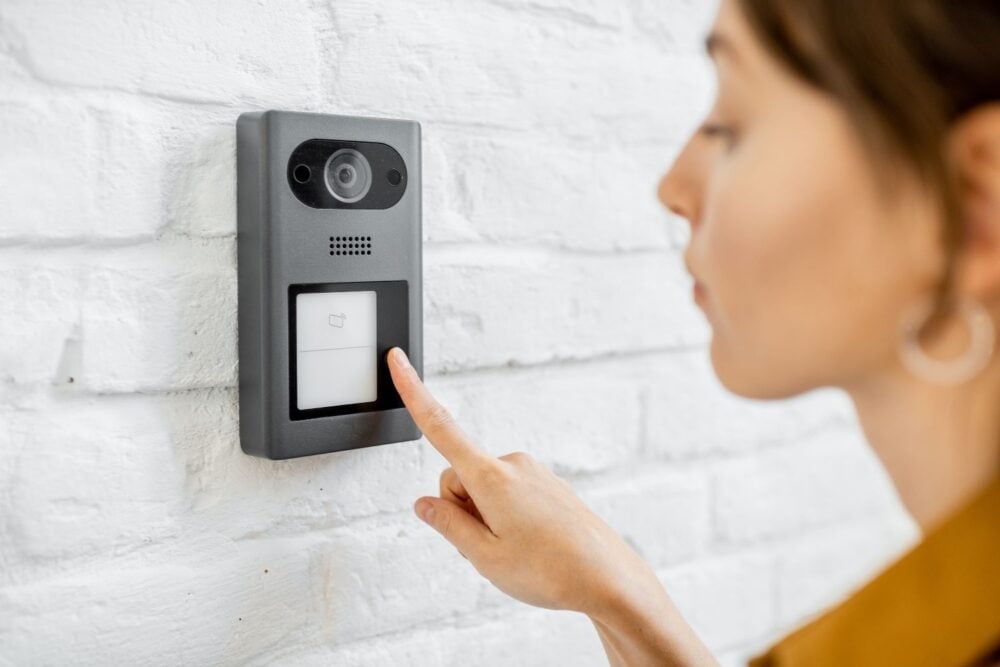
Video doorbells and security cameras were originally sold as tools for everyday safety. They let homeowners see who was at the door, track package deliveries, and keep an eye on their property while away. For many people, the appeal was control without complexity.
Over time, though, those simple tools gained more features, cloud storage, and integrations. What began as a way to check a doorstep slowly turned into a system that records daily life, raising new questions about how much visibility is too much.
2. A controversial ad changed how people saw the technology
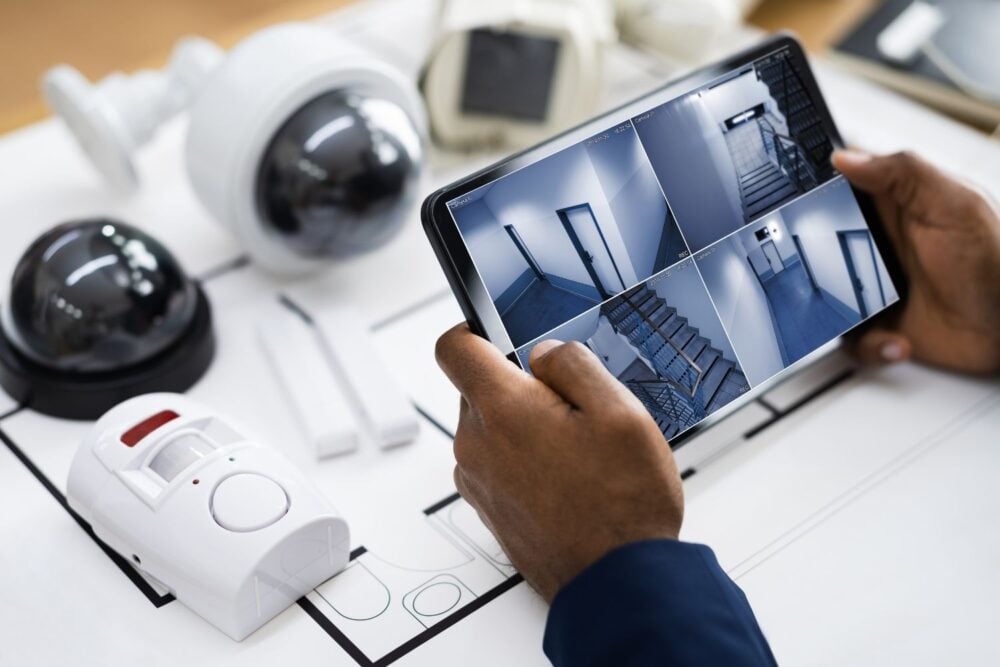
Public reaction shifted sharply after a widely viewed ad showcased an AI feature designed to search footage across nearby cameras. The intent was to highlight convenience, but many viewers saw something else entirely.
Instead of reassurance, the message landed as unsettling. The idea that neighborhood cameras could collectively scan for people or animals crossed a line for some users, triggering a wave of criticism and a sudden rethink of whether these devices had gone too far.
3. Privacy concerns are no longer abstract
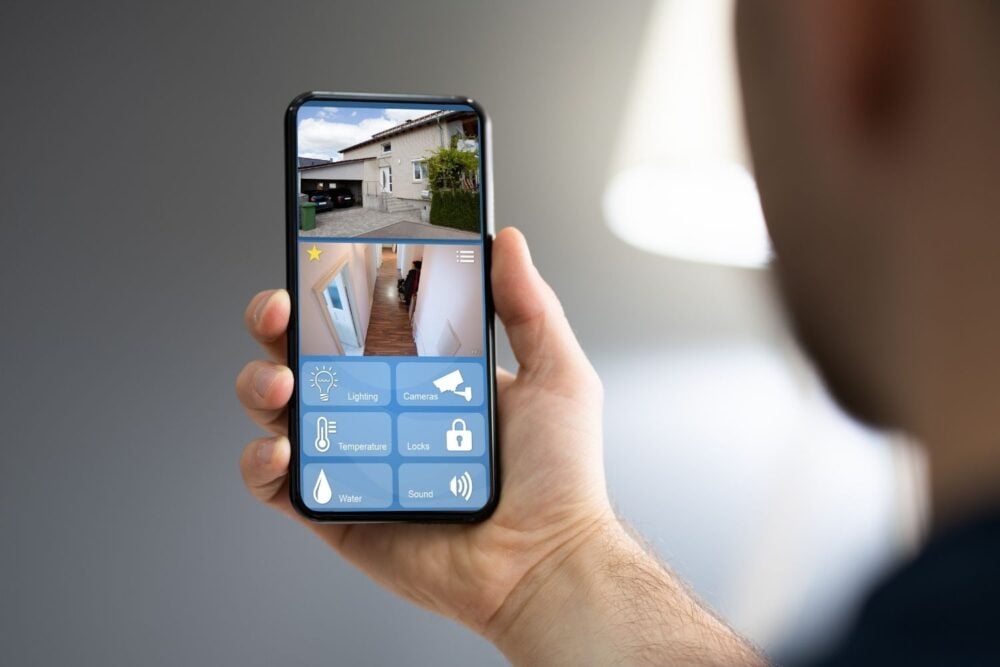
For years, privacy debates around smart cameras felt distant or theoretical. Now they feel personal. Homeowners are realizing that footage does not always stay private, especially when stored in the cloud or shared through apps and partnerships.
Even without abuse, the idea that recordings of daily routines could exist beyond the home unsettles many users. That discomfort alone is enough for some people to pull the plug, even if they never experienced a specific problem.
4. People are questioning who really controls the footage
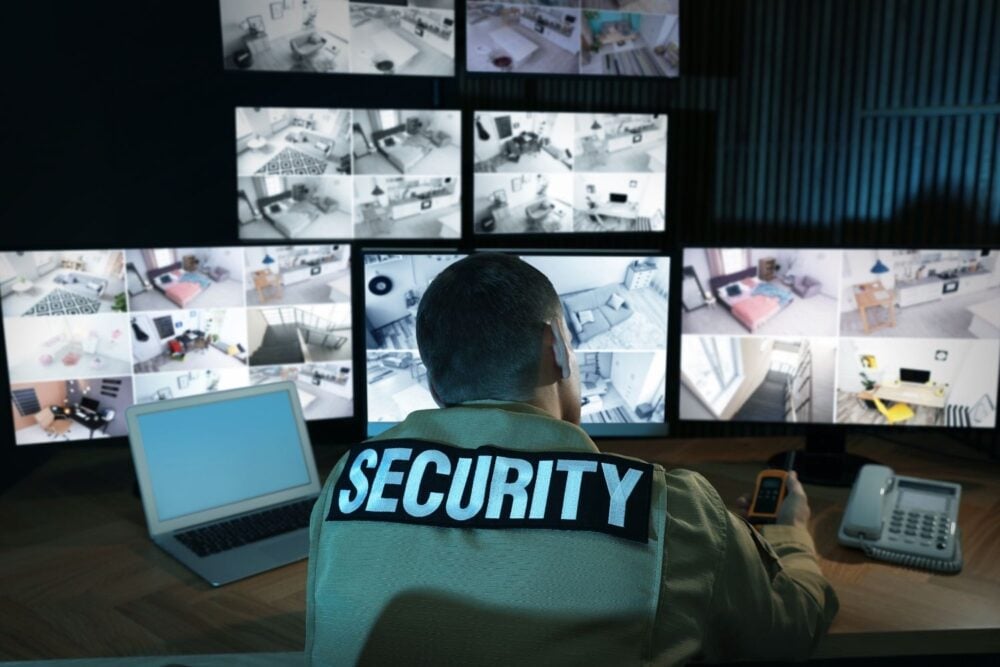
A major source of anxiety is uncertainty over access. Users may own the camera, but the data often lives on company servers. That raises questions about who can see it, how long it is kept, and under what circumstances it can be shared.
For some homeowners, the lack of clear, simple answers is the breaking point. When control feels fuzzy, trust erodes, and cameras meant to provide safety start to feel like liabilities.
5. Unplugging has become a form of protest
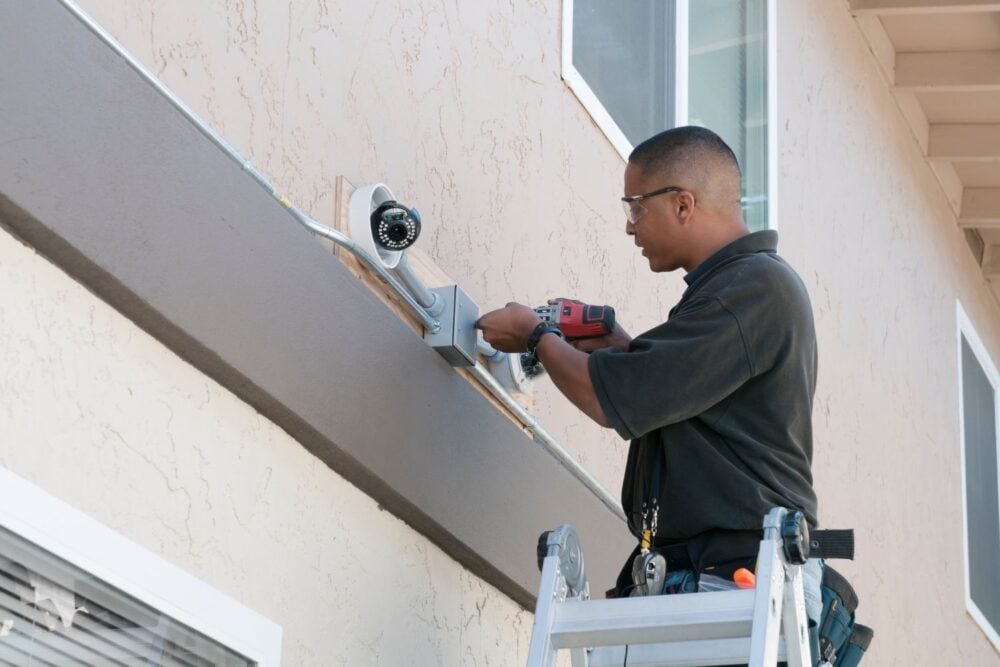
In some cases, homeowners are not just disconnecting cameras quietly. Videos and posts show people removing or destroying devices to make a point. These acts are symbolic, but they reflect deeper frustration.
The message is not just about one brand or feature. It is about reclaiming personal space and rejecting technology that feels imposed rather than invited into the home.
6. Digital fatigue is fueling the backlash
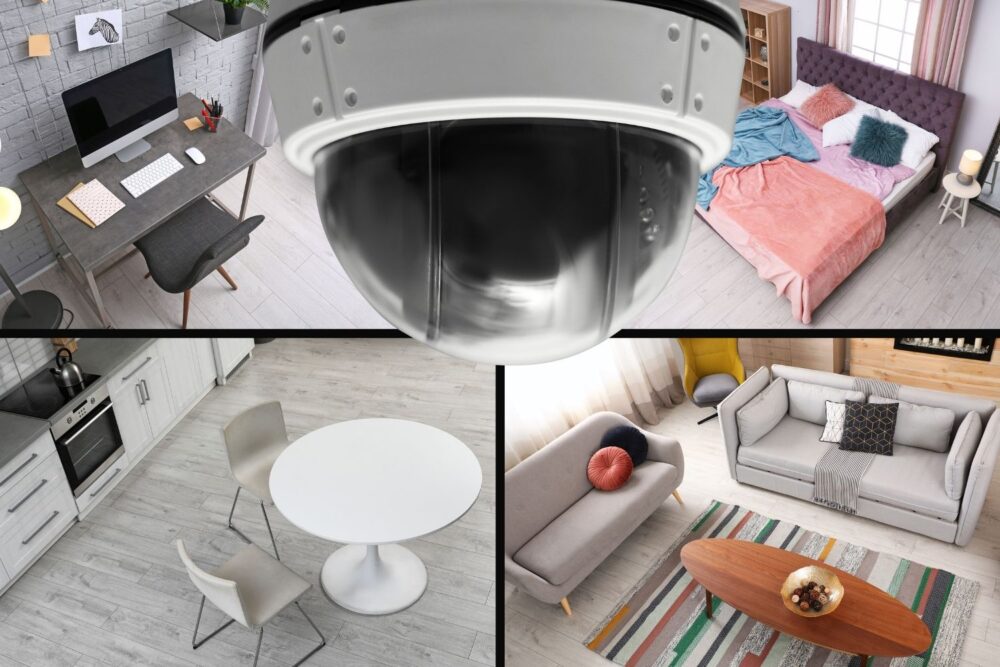
The smart camera debate fits into a broader trend of digital exhaustion. Many people feel surrounded by apps, notifications, and always-on devices. The home, once a refuge, now feels wired and watched.
As a result, some homeowners are choosing simpler setups. Fewer connected devices can mean fewer worries about updates, breaches, and unintended monitoring. For these users, less tech feels like more peace.
7. Surveillance worries go beyond doorbells
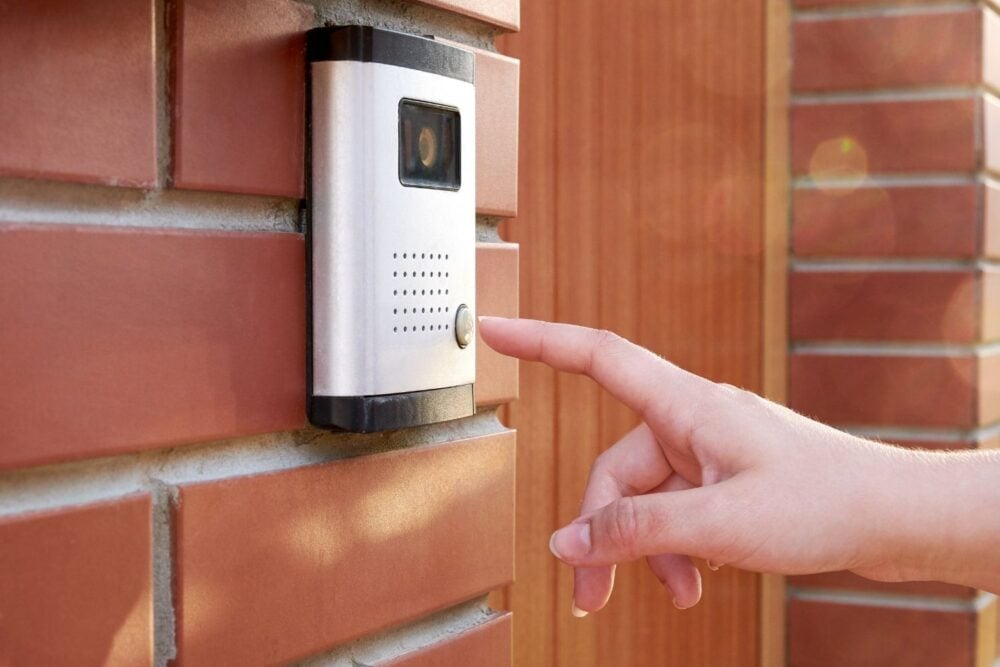
Concerns about smart cameras connect to larger fears about surveillance in everyday life. From license plate readers to neighborhood monitoring systems, people are becoming more aware of how much data is collected passively.
That awareness is changing behavior. Even homeowners who value security are asking whether the cumulative effect of these systems creates a level of observation they never agreed to.
8. Not everyone is abandoning smart cameras
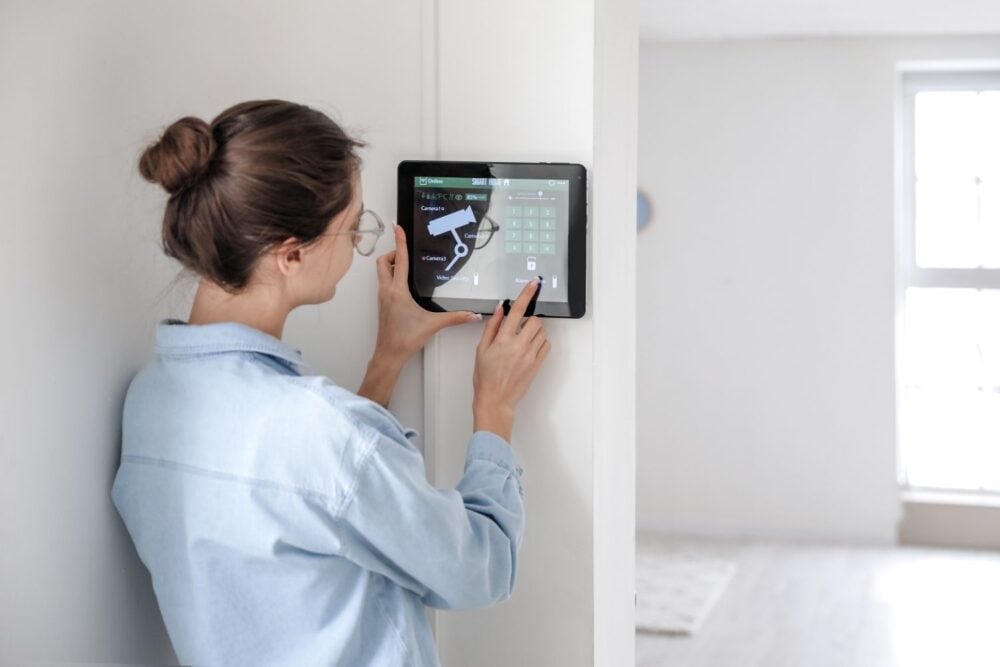
Despite the backlash, many people still rely on smart cameras and feel they provide real benefits. Break-in deterrence, delivery tracking, and real-time alerts remain powerful selling points.
Some users are choosing to adjust settings rather than remove devices altogether. Limiting recording zones, disabling certain features, or keeping footage local helps them strike a balance between safety and comfort.
9. The controversy is shaping public conversations
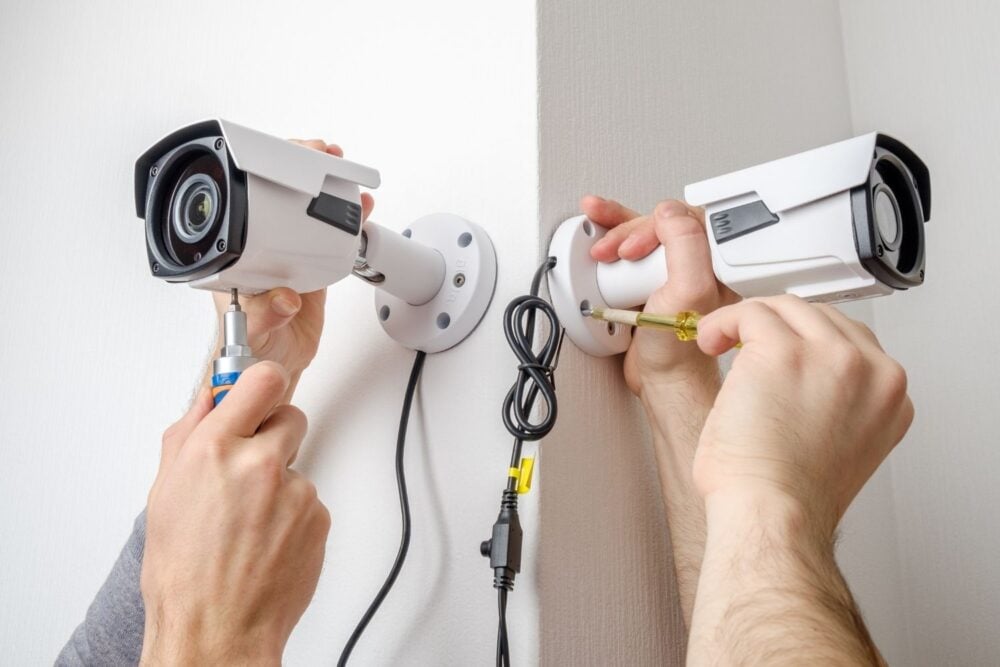
As more people unplug cameras, the debate is expanding beyond individual households. Privacy advocates and lawmakers are paying closer attention to how consumer surveillance technology is regulated.
Calls for clearer data rules and stronger consumer protections are growing louder. Whether those concerns lead to meaningful policy changes remains an open question.
10. This may be more than a temporary backlash
What started as a reaction to specific features could evolve into a longer-term shift. Consumers are becoming more selective about which technologies they welcome into their homes.
Companies that ignore those concerns risk losing trust. The lesson for the industry may be that convenience alone is no longer enough to justify constant connectivity.
11. Homeowners are redefining what security means
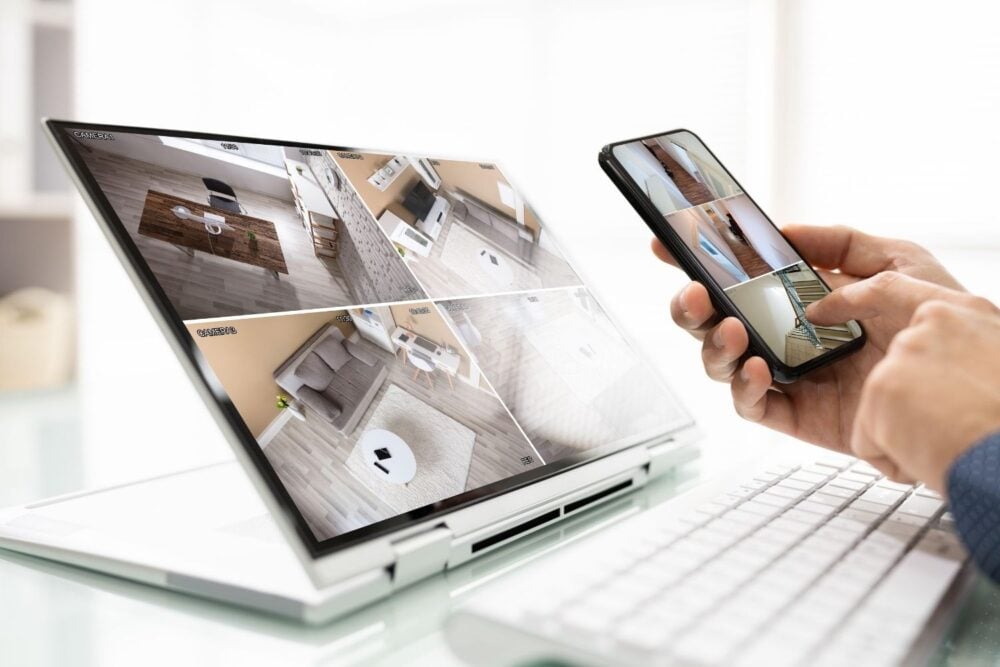
For many people, true security now includes privacy, control, and peace of mind. That means weighing the benefits of smart cameras against the emotional cost of feeling watched.
Whether someone keeps their camera, limits its use, or removes it entirely, the conversation itself marks a change. Home security is no longer just about protecting property. It is about deciding how much technology belongs in everyday life.