
Penguins are rewriting their calendar faster than any other vertebrate.
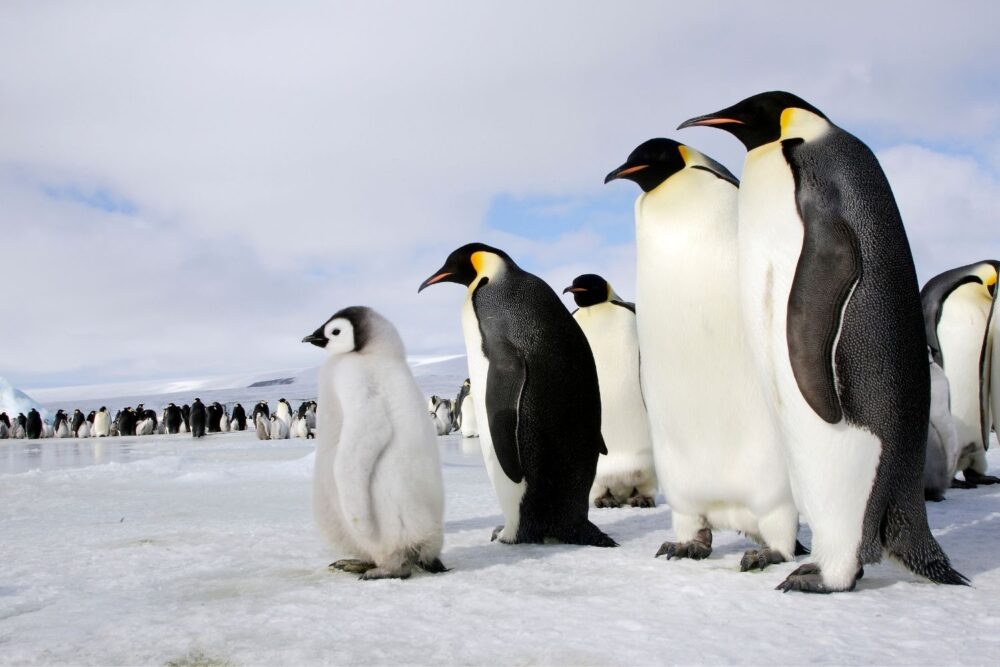
Antarctica still looks like a frozen fortress, but the penguins living there are acting like the clock is suddenly broken. In some places, they’re starting their breeding season earlier and earlier, as if they’re trying to outrun the weather.
Researchers tracking multiple colonies on the Antarctic Peninsula found penguins shifting breeding up to two weeks earlier in just a decade, the fastest recorded change of its kind in any vertebrate.
1. Penguins are breeding earlier at a jaw-dropping speed.
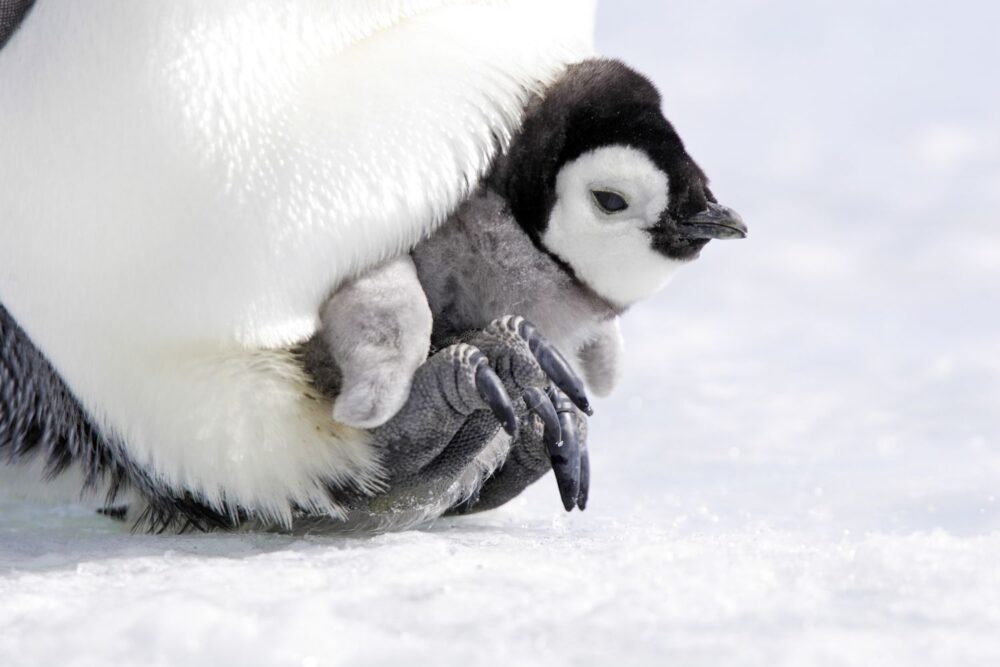
The headline isn’t exaggerating much. Penguins on the Antarctic Peninsula have shifted their breeding seasons earlier by as much as two weeks in a decade, and that’s being described as the fastest change ever recorded in any vertebrate in response to climate change.
It sounds like a minor scheduling tweak until you realize how tightly everything is timed in Antarctica. Breeding isn’t just romance and nesting. It’s survival math. If the timing slips, the chicks can hatch when food is harder to find, and suddenly the whole season turns into a gamble.
2. The Antarctic Peninsula is warming like it’s in a hurry.

One reason this is happening so fast is because the penguin colonies being studied aren’t warming at the global average pace. These sites on the Antarctic Peninsula warmed at about 0.3°C per year, roughly four times the average warming rate for Antarctica.
That number is honestly wild. It helps explain why the penguins aren’t adapting gradually. They’re being forced to make fast life changes in a place that used to reward slow, predictable rhythms. When the environment speeds up, you either adjust quickly or start losing seasons.
3. Researchers watched colonies nonstop using time-lapse cameras.
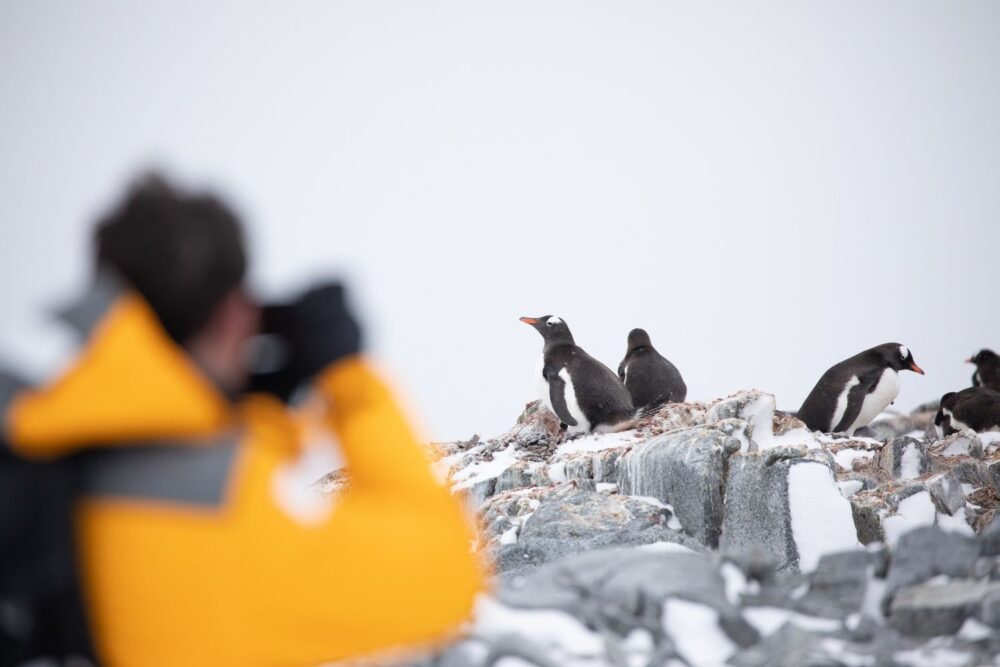
This wasn’t a quick field trip with binoculars and a notebook. Oxford researchers ran a decade-long analysis using 77 time-lapse cameras placed across 37 penguin colonies on the Antarctic Peninsula. That kind of coverage makes the results feel hard to argue with.
They tracked gentoo, chinstrap, and Adélie penguins, and they could actually see when breeding began and how it shifted year to year. What makes this study so unsettling is the scale. It’s not one odd colony acting different. It’s a pattern.
4. Gentoo penguins are adapting the fastest and thriving.
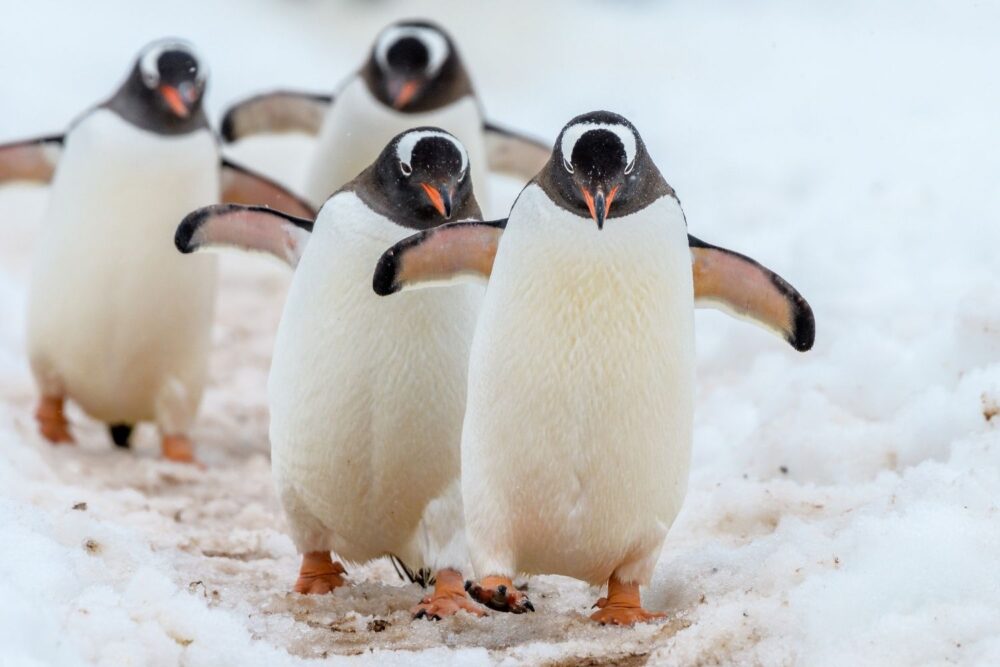
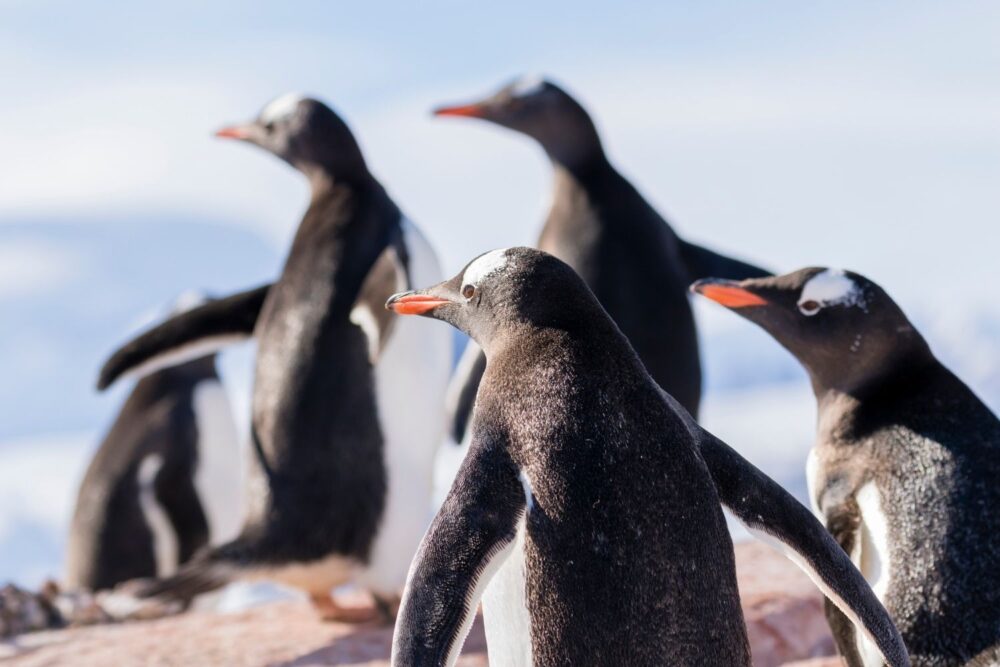
Gentoo penguins are the standout here, and not just by a little. On average, they advanced breeding by about 13 days, and in some locations the shift reached 24 days earlier. That’s the kind of jump you expect in a new species moving into town, not in a long-established ecosystem.
They also appear to be benefiting in population trends, which makes sense. Gentoos are generalists. They’re flexible eaters and not as locked into sea ice conditions. In climate terms, they’re the penguin equivalent of someone who always packs extra layers.
5. Chinstrap and Adélie penguins are shifting, but still struggling.
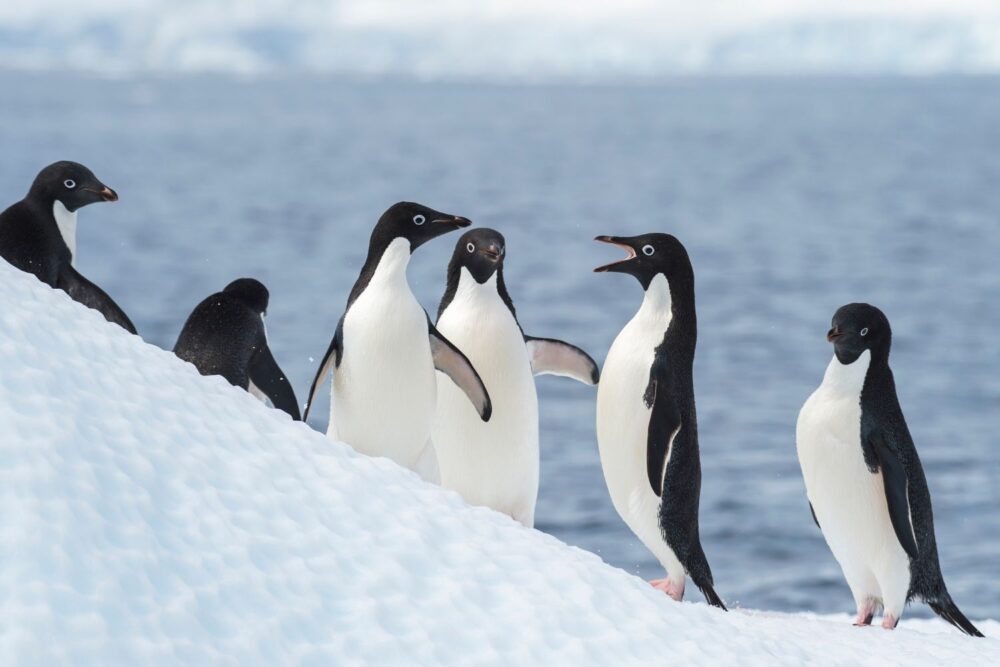
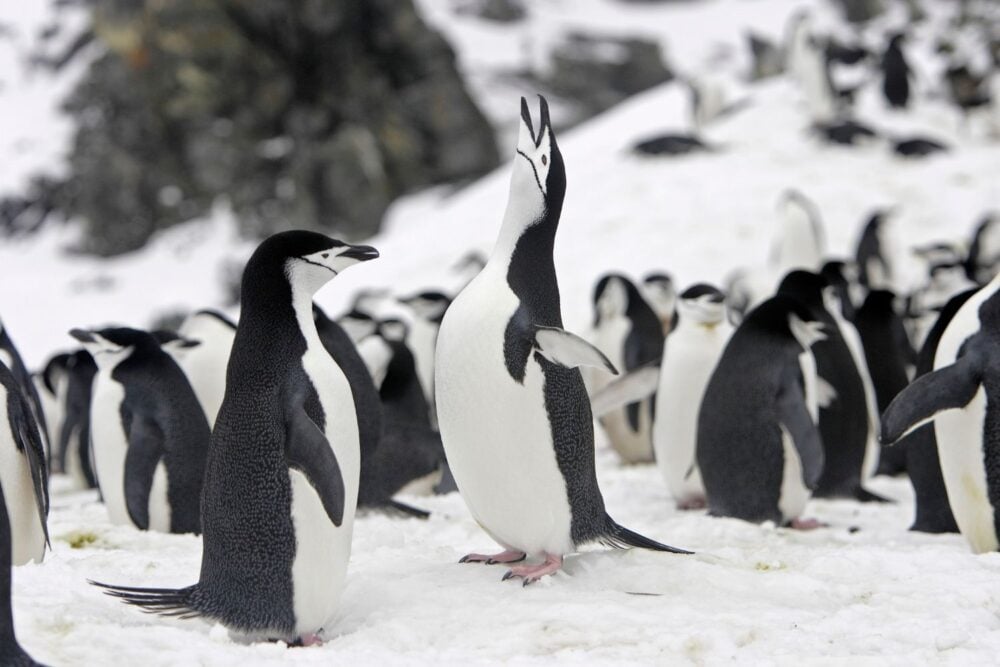
Chinstrap and Adélie penguins did shift earlier too, but less dramatically, around 10 days earlier. And unlike the gentoos, most of their colonies are declining. That difference matters, because it hints that timing shifts alone don’t guarantee survival.
These two species are more specialized, with stronger reliance on krill and ice-linked conditions. They can’t just swap menu items and call it adaptability. Their strategy worked beautifully when Antarctica stayed stable. Now, stability is the thing that’s disappearing first.
6. Earlier breeding can backfire if food doesn’t cooperate.
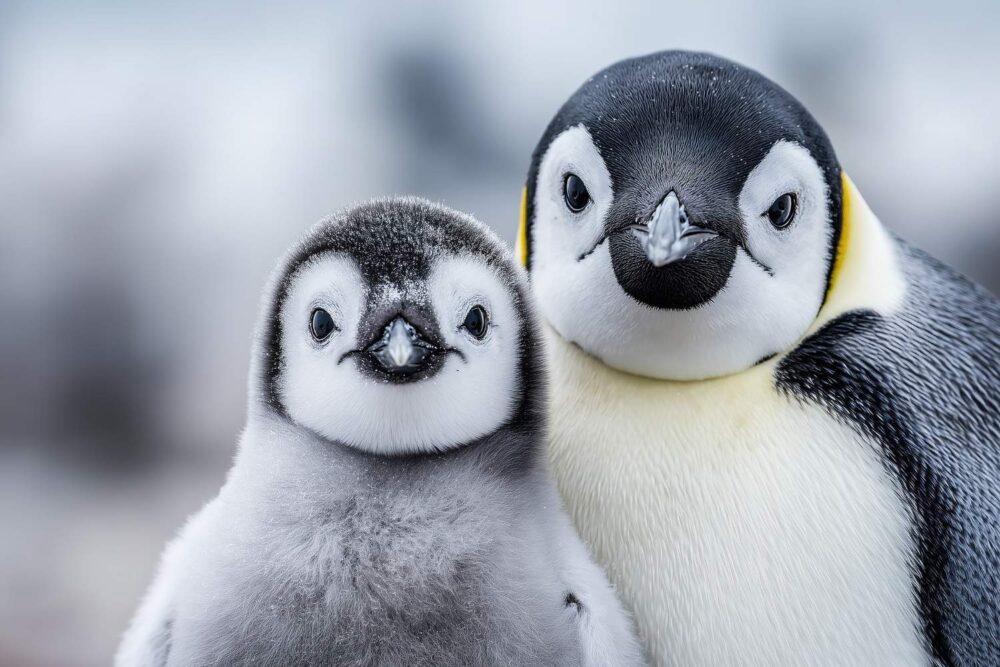
Breeding earlier sounds smart, but it comes with a nasty risk. Chicks can hatch when prey is scarce if the shift doesn’t perfectly match peak food availability. Penguins aren’t just changing their plans, they’re trying to sync with a moving target.
The study links these timing changes to reduced sea ice and earlier phytoplankton blooms, which can shift when prey like krill are most abundant. If the penguins adjust too little or too late, they miss the buffet. Then raising chicks becomes exhausting and less successful.
7. Reduced sea ice is changing the entire chain of timing.
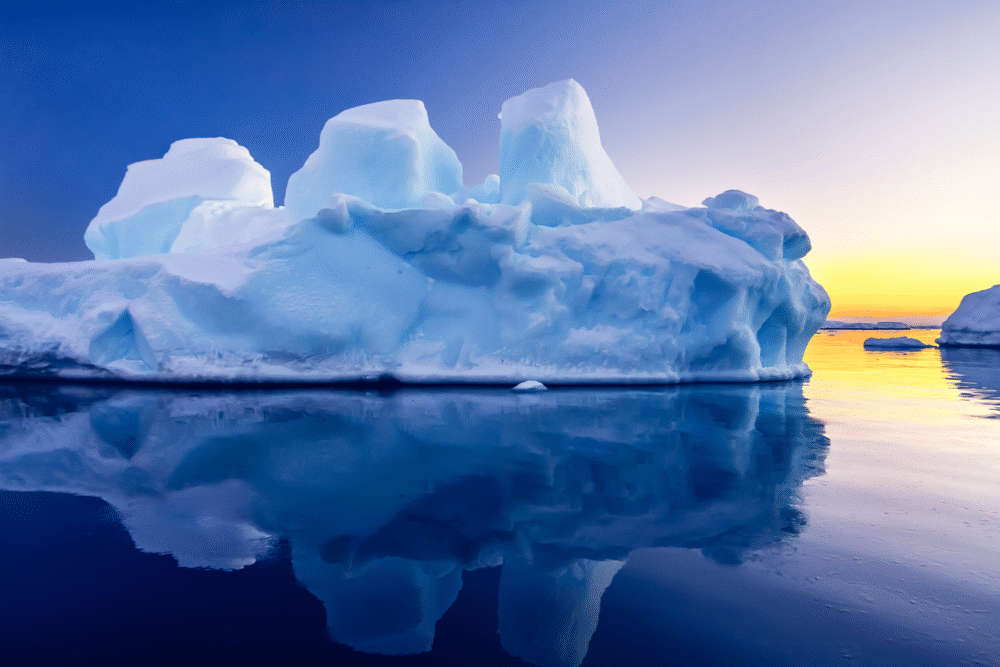
Sea ice isn’t just scenery. It shapes how light hits the ocean, how phytoplankton blooms develop, and how the food web stacks up for the season. With less sea ice and earlier blooms, the whole Antarctic schedule shifts forward like someone bumped the timeline.
Penguins are responding the only way they can, by adjusting breeding so chicks have a better chance of lining up with food availability. The problem is that the ocean doesn’t always shift in neat, predictable steps. It can lurch. Penguins don’t love lurching.
8. Overlapping breeding seasons are creating new competition.
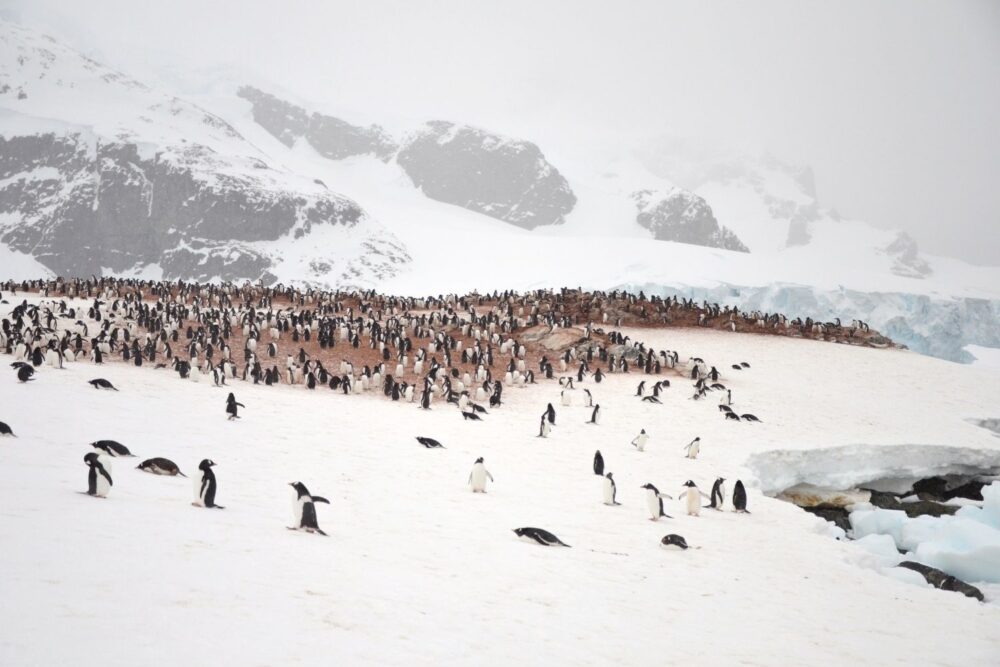
Here’s where it gets messy. When different species breed earlier, their seasons start overlapping more, and that creates competition for nesting sites and food. It’s not just about coping with warming, it’s about coping with each other in a tighter space.
Gentoos seem to gain an advantage, while chinstraps and Adélies can get squeezed. When specialists compete with flexible generalists, the specialists usually lose. It’s like showing up to a survival game with one skill set while your rival can switch roles mid-round.
9. “Winners” and “losers” can reshape the whole ecosystem.
If gentoo penguins keep expanding while ice specialists keep declining, it could change the structure of local Antarctic ecosystems. Penguins aren’t just cute animals in tuxedos. They’re major players in the food web, and their numbers affect predator behavior and prey dynamics.
This is why scientists worry about local declines or extinctions, because it’s never only about one species disappearing. The ripple effects travel. When penguins shift, everything that feeds on them or competes with them starts shifting too. Antarctica doesn’t do small changes anymore.
10. The pace of warming might outrun even “fast” adaptation.
Even with gentoos looking like the winners for now, there’s a hard limit to how much any species can keep adjusting. The scary question isn’t “Can penguins change?” because clearly they can. The question is “Can they keep changing at this speed?”
The study stresses ongoing monitoring because these breeding shifts exceed historical norms. A two-week leap in a decade is not a gentle trend. It’s a red flag. If warming accelerates further, today’s flexible species could become tomorrow’s overwhelmed species.