
As cities shift to digital parking enforcement, drivers are adjusting to new tools, new rules, and fewer paper tickets on their windshields.

Paper parking tickets are gradually disappearing across many U.S. cities as enforcement agencies switch to digital systems that rely on license-plate scanning and online notifications. Instead of finding a printed ticket tucked under the wiper, many drivers now receive electronic alerts or mailed notices generated automatically by enforcement software. The move is designed to cut costs, reduce paper waste, and streamline parking operations. While the change can feel unfamiliar at first, drivers who understand how the new system works are already making simple adjustments to avoid missed notices, surprise fines, or confusion about how to contest a ticket.
1. Many Cities Are Replacing Windshield Tickets With Digital Notices

A growing number of cities are moving away from handwritten or printed parking tickets and adopting digital systems instead. Enforcement officers now use handheld devices or license-plate readers to record violations instantly, which means there is often no paper ticket left on the car. Drivers may learn about a violation through email, text, mail, or by checking an online portal.
This change reduces printing costs and helps cities streamline enforcement. But it also means drivers need to pay closer attention to digital notifications so they do not miss important deadlines or late fees.
2. License Plate Recognition Technology Is Doing Most of the Work
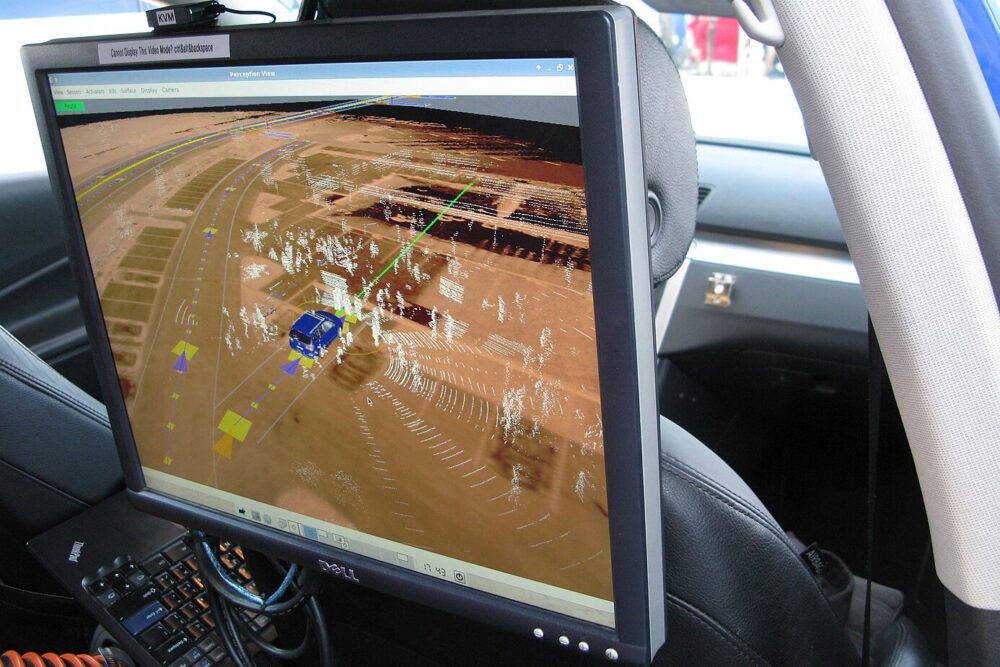
One of the biggest drivers of this shift is the rise of license-plate recognition technology. Enforcement vehicles use cameras to scan plates and automatically check for expired meters, unpaid permits, or parking restrictions. The system can flag a violation in seconds without the officer ever stepping out of the vehicle.
For drivers, this means enforcement happens much faster and more consistently than before. It also means violations may be issued even if the officer never approaches the car, making it essential to keep registration and parking information up to date.
3. Many Cities Now Send Parking Notices by Mail or Email

Instead of placing a paper slip on the windshield, cities often send tickets through traditional mail or electronically if the driver has an account with the city’s parking system. This process is becoming standard in places using digital enforcement tools. Notices may arrive days later, which can surprise drivers who are used to immediate on-car notifications.
To stay ahead of this change, many drivers check their email more frequently or sign up for digital alerts. It is an easy way to avoid missing a violation and facing extra fees.
4. Online Portals Are Becoming the Main Way to View and Pay Tickets

Because paper tickets are fading out, online portals have become the primary method for viewing details, submitting payment, or contesting a violation. These systems allow drivers to see photos, timestamps, and other evidence the officer recorded at the time of enforcement.
Many people appreciate the convenience of handling everything online, but it does require getting familiar with the city’s system. Learning where to log in and how to check for new notices helps drivers stay organized and avoid accidental missed deadlines.
5. Parking Apps Are Taking Over for Meters and Printed Receipts

Parking apps are replacing traditional meters in many busy areas. These apps let drivers start a parking session, receive reminders, and extend time directly from their phone. Because payment records are stored electronically, enforcement officers only need to scan the license plate to confirm whether parking is paid.
This shift eliminates the need for printed meter receipts, but it also means drivers need to double-check that the session started correctly. A mistyped license plate or expired credit card can lead to a ticket even if someone believes they paid.
6. Digital Tickets Are Helping Cities Reduce Paper and Maintenance Costs

Cities adopting digital tickets report savings on paper, printers, handheld devices, and maintenance. Fewer physical supplies mean lower operational costs, and digital systems are easier to update without replacing hardware. These factors are pushing more municipalities to modernize their parking enforcement.
While the change benefits city budgets, drivers may need time to adjust. Once people understand how digital enforcement works, the transition is usually smooth, and many appreciate the added convenience of electronic payment options.
7. Some Drivers Are Getting Caught Off Guard by Delayed Notices

One challenge with electronic ticketing is that drivers sometimes do not know they received a violation until days later. Without a paper reminder on the windshield, it is easy to overlook a mailed or emailed notice, which can lead to late fees.
To avoid surprises, many drivers check their city’s online parking portal after parking in unfamiliar areas or when they suspect they may have overstayed. Staying proactive helps prevent an unexpected bill weeks after the violation occurred.
8. License Plate Accuracy Matters More Than Ever

Because enforcement relies heavily on scanning license plates, even small mistakes can cause big problems. A mistyped plate in a parking app, a missing number on a temporary tag, or a damaged plate can cause the system to register a violation incorrectly.
Drivers are double-checking their plate entries in parking apps, keeping plates clean, and making sure temporary or replacement tags are clearly visible. These small steps help prevent unnecessary tickets and reduce errors in automated systems.
9. Contesting Tickets Is Now a Fully Digital Process

Many cities no longer require in-person hearings for parking disputes. Instead, drivers submit appeals online by uploading photos, documents, or explanations. Digital appeals allow cases to be reviewed quickly and reduce waiting times for decisions.
This system benefits drivers who prefer convenience, but it does require clearly worded explanations and evidence. Understanding how to navigate the online appeal process can make it easier to resolve mistakes or unfair citations.
10. Digital Enforcement Often Means Faster Ticket Processing

With electronic systems issuing and tracking violations automatically, cities can process tickets faster than before. This means deadlines for payment or appeals begin right away, even if the driver has not yet seen the notice.
Drivers are learning to check their mail, email, and parking accounts regularly so they do not run into late fees. Staying ahead of the timeline helps people avoid penalties that can add up quickly.
11. Drivers Are Preparing for a Mostly Paperless Parking Future

Most signs point to a continued move toward digital enforcement, meaning paper tickets may soon become rare. Drivers are adapting by downloading parking apps, updating contact information, and learning how their city communicates violations.
Being prepared for a paperless system helps drivers avoid confusion and keeps them informed as enforcement technology evolves. As long as people stay aware of how their city handles notifications, the transition can be straightforward and even more convenient in the long run.