
A new study finds a strong link between pancreatic cancer risk and a lifestyle factor most people overlook daily.

In the landmark study titled Oral Microbiome Composition Linked to Pancreatic Cancer Risk, researchers followed 122,000 participants over nearly nine years and found that specific oral bacteria and fungi were tied to a significantly increased risk of developing pancreatic cancer. The team identified three key periodontal pathogens—and dozens of other microbial species—that were present years before diagnosis. This discovery reveals how everyday oral health may play a deeper role in cancer prevention than previously understood.
1. The Study Tracked Over 120,000 People for Nearly a Decade

The study Oral Microbiome Composition Linked to Pancreatic Cancer Risk, published in JAMA Oncology, followed more than 122,000 participants across the United States for up to nine years. Researchers analyzed saliva samples to determine whether certain bacteria or fungi were more common in people who later developed pancreatic cancer.
This large-scale, long-term approach provided some of the strongest evidence yet that oral health and systemic disease are connected. It also allowed scientists to identify microbial patterns years before symptoms of cancer appeared.
2. Poor Oral Health Was Linked to a Higher Cancer Risk

Researchers found that individuals with chronic gum disease or poor oral hygiene had a significantly higher likelihood of developing pancreatic cancer. This connection appears to stem from the bacteria associated with periodontitis, or inflammation of the gums.
When oral bacteria enter the bloodstream, they may trigger inflammatory and immune responses throughout the body. Chronic inflammation is known to damage DNA and may create an environment that supports tumor growth, including in organs far from the mouth.
3. Specific Bacteria Were Found in Patients Years Before Diagnosis

The study identified two bacterial species—Porphyromonas gingivalis and Aggregatibacter actinomycetemcomitans—that were strongly associated with an increased risk of pancreatic cancer. These microbes are major contributors to periodontal disease and have been linked to other systemic illnesses as well.
Participants with elevated levels of these bacteria were up to 60% more likely to develop pancreatic cancer later in life. The finding suggests that oral bacteria could serve as early warning biomarkers for those at higher risk of the disease.
4. Oral Microbes May Travel to the Pancreas Through the Bloodstream
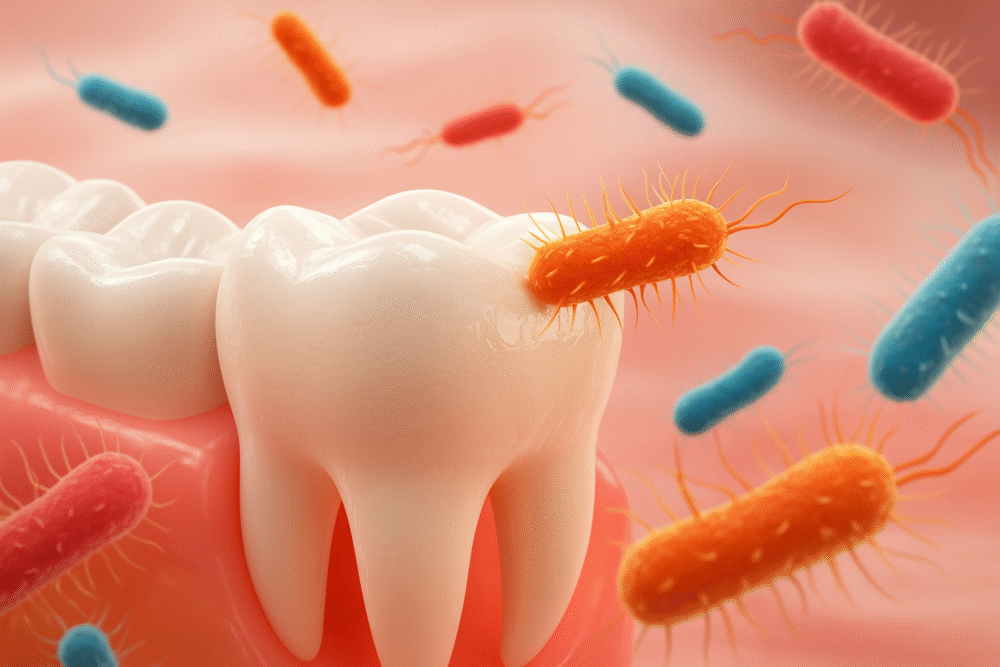
Scientists believe that harmful oral bacteria can enter the bloodstream through tiny lesions in the gums, especially in people with untreated periodontal disease. Once circulating, they may reach the pancreas and trigger inflammation or immune system changes that promote cancer development.
This hypothesis aligns with previous research showing that bacterial DNA can be found in pancreatic tissue samples. It underscores how conditions in one part of the body—like the mouth—can influence the health of distant organs.
5. Inflammation Plays a Central Role in the Connection

Chronic inflammation is one of the strongest known risk factors for pancreatic cancer. The bacteria linked to gum disease release toxins that provoke long-term inflammatory responses, which can disrupt normal cell growth and immune function.
Researchers emphasize that while bacteria alone do not “cause” cancer, they can create an environment that encourages disease progression. Reducing oral inflammation through better dental care could therefore reduce systemic inflammation and overall cancer risk.
6. The Oral Microbiome Could Become a Diagnostic Tool

One of the study’s most important findings is the potential for saliva testing to help detect cancer risk early. By identifying bacterial and fungal patterns associated with pancreatic cancer, doctors may one day use noninvasive tests to flag high-risk individuals.
Early detection is critical for pancreatic cancer, which is often diagnosed too late for effective treatment. Saliva-based screening could complement existing imaging and blood tests, offering a simple and low-cost way to monitor long-term health.
7. Good Oral Hygiene May Offer Protective Benefits

Although more research is needed, experts say maintaining oral health could help lower the risk of pancreatic and other systemic diseases. Regular brushing, flossing, and dental cleanings reduce bacterial buildup and gum inflammation—two major contributors to microbial imbalance.
Dentists and physicians are increasingly recognizing oral health as part of preventive medicine. Simple daily care may not only protect teeth and gums but also help safeguard organs like the heart and pancreas from chronic inflammation.
8. Smoking and Diet Can Worsen the Risk

The study also found that lifestyle factors such as smoking and poor diet intensified the association between oral bacteria and cancer risk. Tobacco use, in particular, alters the mouth’s microbiome, promoting the growth of harmful bacterial species.
Diets high in processed foods and sugar further fuel inflammation, while nutrient-rich, high-fiber diets support beneficial bacteria. The findings suggest that oral and overall health habits work together to influence long-term cancer outcomes.
9. Researchers Warn Against Overstating the Findings

Experts caution that while the link between oral microbes and pancreatic cancer is strong, it does not prove that bacteria directly cause the disease. Many other factors—genetics, environment, and metabolic health—also play significant roles.
The goal, researchers say, is not to imply that brushing alone prevents cancer, but to better understand how microbial imbalances contribute to disease processes. Continued research will clarify whether changing the oral microbiome can lower cancer risk.
10. The Study Builds on Previous Microbiome Research

This breakthrough builds on earlier studies from Harvard and New York University that first hinted at a connection between gum disease and pancreatic cancer. Those studies found similar bacterial patterns but lacked the large participant pool needed for confirmation.
By combining long-term tracking with microbial sequencing, the new JAMA Oncology research provides the most comprehensive evidence yet that oral health is closely tied to pancreatic disease risk—strengthening the case for integrated dental and medical care.
11. Scientists See Promise in Preventive Public Health Approaches

The findings suggest that improving oral hygiene across populations could become part of broader cancer prevention strategies. Public health initiatives that promote regular dental care and smoking cessation may have benefits far beyond the mouth.
Researchers now aim to expand their studies to include more diverse populations and genetic backgrounds. Understanding how oral bacteria interact with diet, inflammation, and metabolism could open new doors in early diagnosis and prevention of one of medicine’s most lethal cancers.