Climate Change Is Throwing Whale and Dolphin Migrations Into Chaos

Scientists warn that warming seas and fewer prey are forcing whales and dolphins into unfamiliar and dangerous waters.
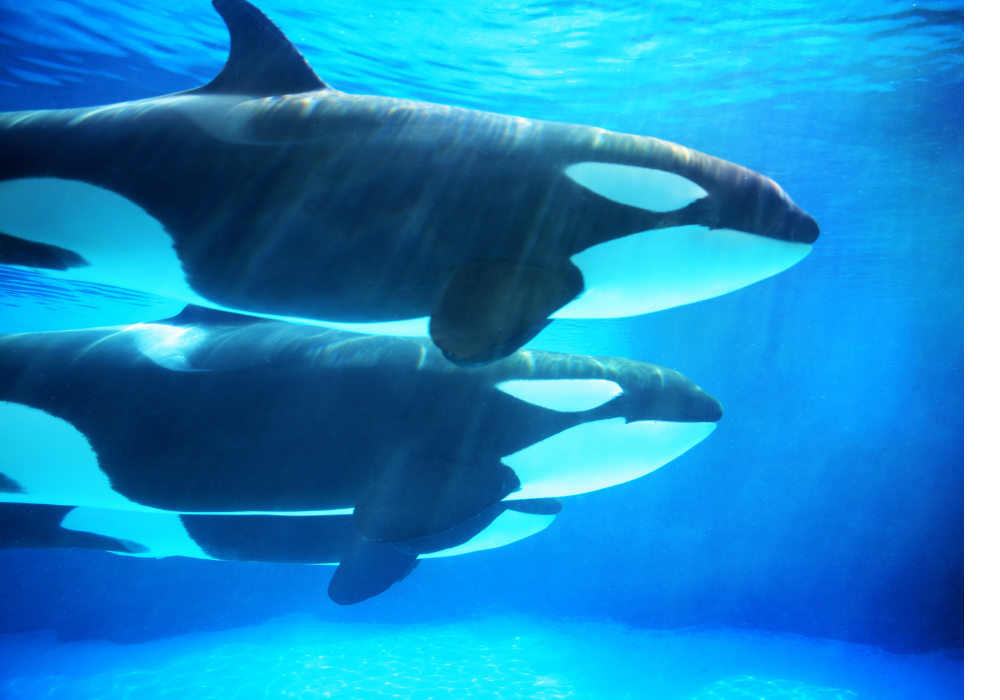
©Image license via Canva

Whales and dolphins, once predictable navigators of ocean currents and feeding grounds, are now being pushed off course by climate change. Rising sea temperatures, collapsing prey populations, and shifting habitats are scrambling the ancient migration routes these marine mammals have followed for millennia. Researchers say the result is more whales showing up in unexpected locations, thinner bodies after failed feedings, and greater risk of getting tangled in fishing gear or struck by ships. The marine world’s great travelers may be facing their most perilous journey yet.

Read more

Two Dinosaur Fossils From the “Mummy Zone” Are Changing What We Know

Exceptionally preserved dinosaur “mummies” discovered in Wyoming’s fossil-rich badlands are offering rare insights into prehistoric life.

©Image license via Chat GPT

In the fossil-rich badlands of Wyoming, paleontologists have uncovered two remarkably preserved Edmontosaurus fossils—massive duck-billed dinosaurs that lived around 66 million years ago. Found in a region now known as the “Mummy Zone,” these specimens contain rare traces of skin, muscle, and even hoof-like foot structures. The extraordinary preservation is giving scientists a closer look at the anatomy and adaptations of these Late Cretaceous giants, revealing new details about how they lived, moved, and survived in prehistoric North America.

Read more

If Global Warming Passes 2°C, These 10 Places Could Vanish Forever

Scientists warn that a 2°C rise could push entire regions past the point of survival.

Outdoor scene, thermometer at 40°C, golden sky with sun and clouds, afternoon light, editorial travel photo, no people.
©Image license via iStock

It’s the number climate scientists fear most: 2 degrees Celsius. Crossing that threshold could trigger irreversible damage to ecosystems, coastlines, and entire nations. From sinking island chains to regions turning uninhabitable from heat or drought, the world’s geography could change within a lifetime. The latest research warns that some of Earth’s most recognizable places—cultural landmarks, forests, and even countries—might not survive the century if global warming continues unchecked.

Read more

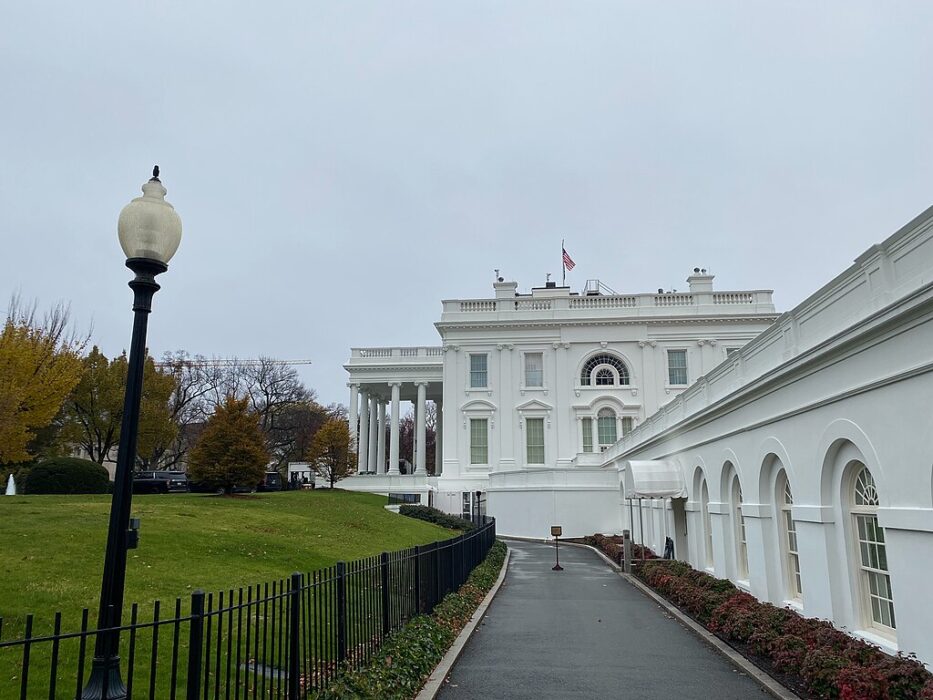
The White House East Wing Was Just Destroyed — And Its History Is Astonishing

Once a quiet cornerstone of presidential life, the East Wing’s demolition marks the end of a historic era.

©Image license via Wikimedia Commons

In a move that surprised historians and the public alike, the White House East Wing—long home to the First Lady’s offices and decades of presidential history—was recently demolished as part of a major renovation project. Behind its walls once unfolded stories of wartime planning, state visits, and private family life. Its destruction not only reshapes the White House complex but also closes a remarkable chapter in America’s architectural and political history.

Read more

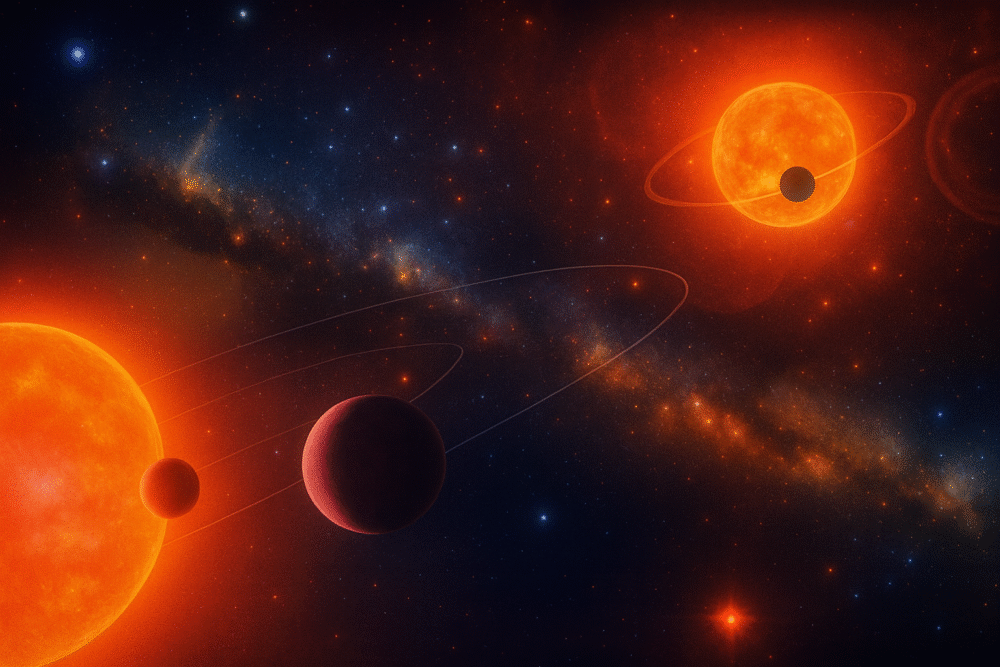
Astronomers Spot Three Earth-Sized Worlds Orbiting a Binary Star System

Three Earth-sized planets have been found orbiting twin stars—challenging what we thought we knew about planet formation.

©Image license via Chat GPT

An international team of astronomers has discovered three Earth-sized planets orbiting a binary star system named TOI-2267, located approximately 190 light-years away. In a first for exoplanet research, two of the planets orbit one of the stars while the third orbits its companion—making this the first known system where planets transit both stars. The existence of rocky worlds in such a compact, gravitationally complex environment upends prevailing theories about how and where planets can form, opening new frontiers in the search for habitable worlds.

Read more

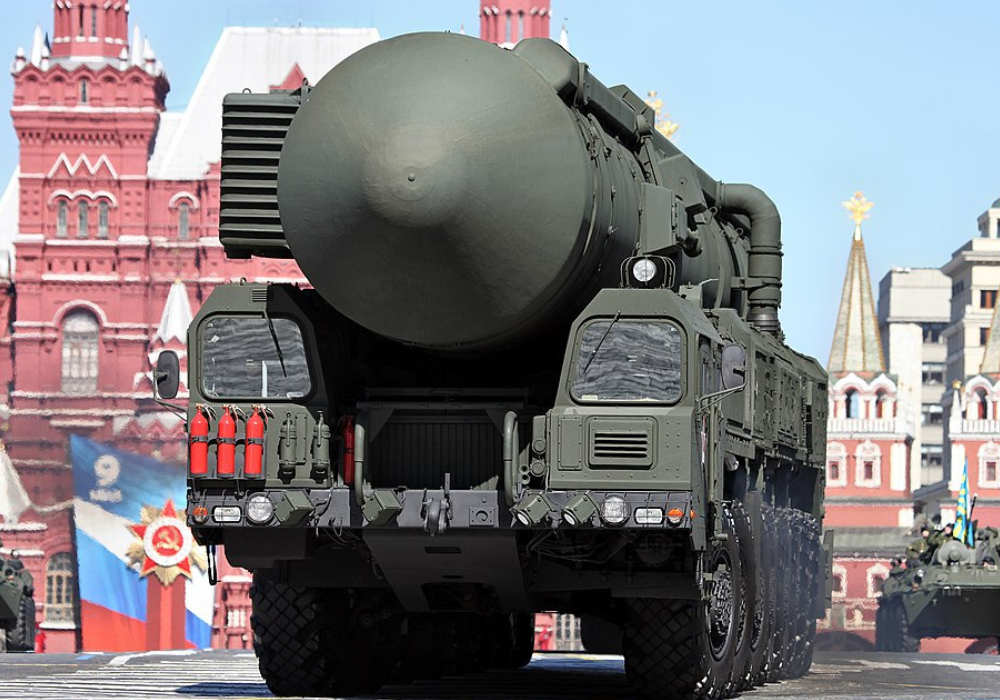
If Russia Launched a Nuclear Strike on the U.K., the Fallout Would Change the World

Following Moscow’s recent “overwhelming response” warning to the U.K., analysts model the global consequences of a nuclear strike.

©Image license via Wikimedia Commons

Russia’s recent warning of an “overwhelming” nuclear response if the U.K. crosses one of its red lines has elevated fears of a nuclear clash on British soil—and the ripple effects could be global. Experts modelling the scenario say a strike wouldn’t just devastate one nation, but would trigger cascading economic, political and climate-impacts far beyond Europe. With alliances, supply chains and ecosystems all interconnected, the consequences of such an attack could reach every corner of the world.

Read more

Bad Weather and New Tariffs Are Brewing Trouble for Coffee Drinkers

A mix of extreme weather and trade tensions is driving U.S. coffee prices to their highest levels in years.

©Image license via Chat GPT

If your morning cup of coffee suddenly costs more, you’re not imagining it. U.S. coffee prices have surged as poor harvests and new import tariffs tighten global supply chains. Extreme weather in key producing countries like Brazil and Vietnam has damaged crops, while higher trade costs are pushing prices even further. Analysts say roasters and retailers are already passing costs to consumers, signaling that higher prices at coffee shops and grocery stores may be here to stay.

Read more

Food Allergies Are Soaring — How Science Is Racing to Keep Up

Researchers are uncovering why food allergies are rising and testing new ways to prevent and treat them.

©Image license via Canva

Food allergies are on the rise worldwide, affecting millions more people than ever before — especially children. Scientists say environmental changes, altered gut microbiomes, and reduced early exposure to certain foods may be driving the surge. In response, researchers are developing new therapies, from oral immunotherapy and biologic drugs to early-introduction guidelines for infants. The growing body of research offers hope that science can slow — and perhaps one day reverse — this alarming upward trend.

Read more

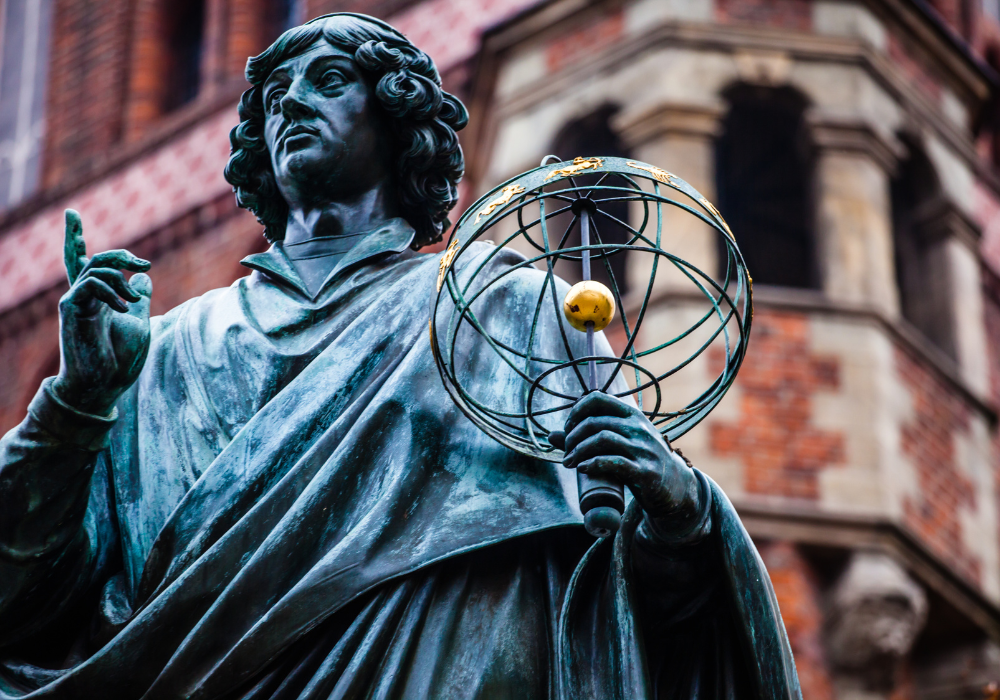
Secrets Found in Copernicus’ Original Manuscript Are Rewriting Science History

New analysis of Copernicus’ notes reveals how he refined—and doubted—the theory that changed science forever.

©Image license via Canva

Centuries after Nicolaus Copernicus transformed humanity’s understanding of the universe, researchers have reexamined his original manuscript, De revolutionibus orbium coelestium. Using high-resolution imaging and digital transcription, historians uncovered hidden notes, corrections, and margin sketches showing how Copernicus refined his heliocentric theory in real time. The manuscript reveals not only his evolving calculations but also his hesitation to challenge Church orthodoxy. These insights illuminate how one mathematician’s quiet revisions ultimately redefined science and our place in the cosmos.

Read more

Fishermen In South Korea Keep Dying—Climate Change May Be the Reason

Warming seas and shifting fish populations are forcing crews farther out—and into greater danger.

©Image license via Wikimedia Commons

Along South Korea’s coast, fishing has become increasingly perilous. Rising sea temperatures and changing ocean currents are driving fish stocks farther from shore, forcing crews to venture into rougher, more unpredictable waters. At the same time, extreme weather linked to climate change is making storms faster and more violent. Scientists and maritime officials warn that the combined pressures of a warming ocean and economic strain are putting more lives—and the country’s fishing future—at serious risk.

Read more