Low light, active animals, and human instincts collide most often in this narrow window of time.
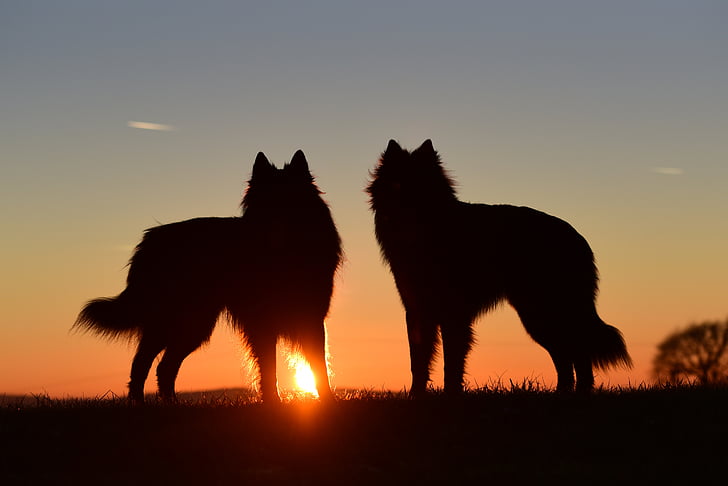
Across much of North America, dusk is when wildlife activity peaks and human visibility drops. Deer, coyotes, bears, and other animals begin moving as temperatures cool and light fades, often bringing them closer to roads, trails, and neighborhoods.
Encounters during this narrow window can feel sudden and disorienting, especially when instincts take over. The risk isn’t just the animal itself, but how people react when visibility is poor and timing feels compressed.
Many serious incidents happen not because wildlife behaves aggressively, but because humans misread the moment. Understanding what changes at dusk, and adjusting behavior accordingly, can reduce dangerous outcomes for both people and animals.