10 Protective Dog Breeds That Instinctively Guard the People They Love

How loyalty, instinct, and bonding turn certain dogs into natural family protectors.

©Image license via Canva

Dogs have lived alongside humans for thousands of years, developing instincts shaped by close partnership and trust. For some breeds, staying alert and watchful isn’t something they’re trained to do—it’s an ingrained response tied to bonding and awareness of their surroundings.

Animal behavior experts note that protectiveness doesn’t always involve aggression. It often shows up as quiet vigilance, strategic positioning, and an instinct to stay close when something feels unfamiliar or wrong.

These dog breeds are known for behaviors that make them especially attentive to the people they love. Their guarding instincts are subtle, rooted in loyalty, and expressed through presence rather than force.


Read more

Major Countries Russia Has Invaded From the Soviet Era to Today

A clear timeline of where Russian forces crossed borders and how those conflicts unfolded.

©Image license via Wikimedia Commons

Russia’s use of military force beyond its borders did not begin with the modern Russian Federation. It stretches back to the Soviet era, shaped by shifting security doctrines, ideological control, and repeated efforts to manage neighboring states through force rather than diplomacy.

Some invasions were framed as defensive necessities, others as stabilizing actions or protection of allies. In reality, each involved troops crossing internationally recognized borders and imposing political outcomes through military power.

These events span decades and left lasting consequences for borders, governments, and civilian populations across multiple regions.

Read more

What Southerners Notice First When They Move to the Northeast

From pace and politeness to weather and attitude, the differences show up fast.

©Image license via Cool Hands Movers NYC

Moving from the South to the Northeast rarely feels shocking at first. The stores are familiar, the cities look modern, and daily routines seem mostly the same. It’s easy to think the adjustment will be simple.

Then the small differences start to stack up. Conversations move faster. People speak more directly. The weather feels less forgiving and more personal. Habits that once worked smoothly suddenly don’t land the same way.

Over time, those moments form a pattern. Nothing is wrong, but everything feels different. Adjusting isn’t about changing who you are. It’s about learning a new rhythm and realizing it plays by its own rules.

Read more

If You Notice An Orange Dot on Your Phone, Here’s What It Means

It appears quietly, but it’s meant to reveal something happening behind the scenes.

©Image license via Planet Sage/Chat GPT

Phones are full of tiny signals we rarely question. Colors, icons, and brief flashes appear and vanish so quickly that they blend into the background of everyday use. Most are easy to ignore because they never seem important.

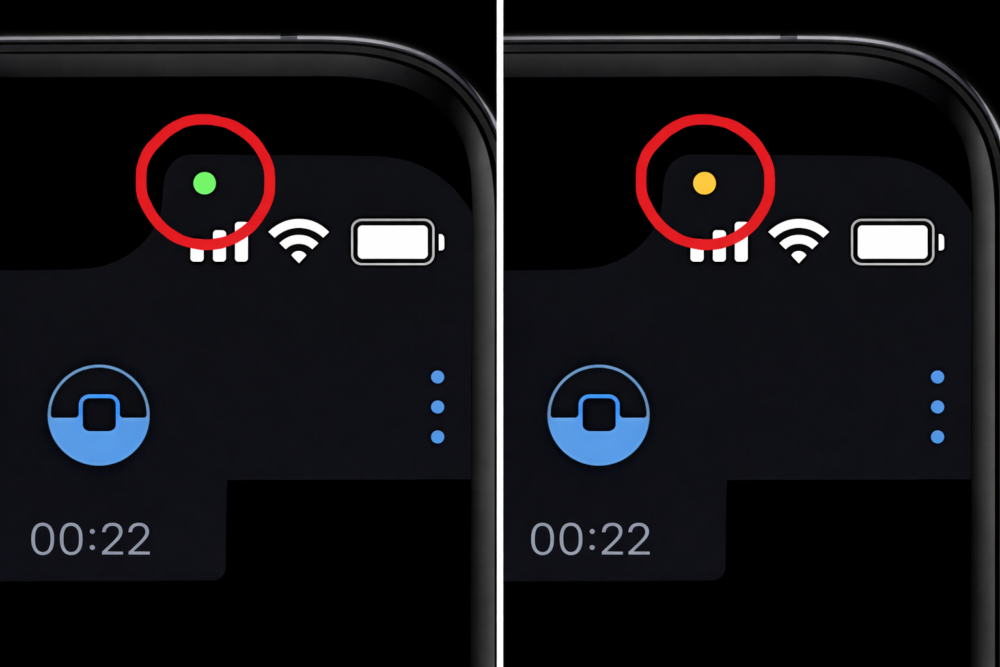
The orange dot is different. It wasn’t added for decoration or convenience, but to quietly expose something users rarely see. It shows up without explanation, which is why many people notice it only after months or years.

Once you understand what that dot represents, it changes how you experience your phone. It turns a passive screen into a subtle transparency tool, revealing activity that normally stays hidden unless you go looking for it.

Read more

Scientists Say a 3-Million-Year-Old Skull Does Not Fit Any Known Human Ancestor

The fossil’s strange mix of features is forcing researchers to rethink early human evolution.

©Image license via Planet Sage/Chat GPT

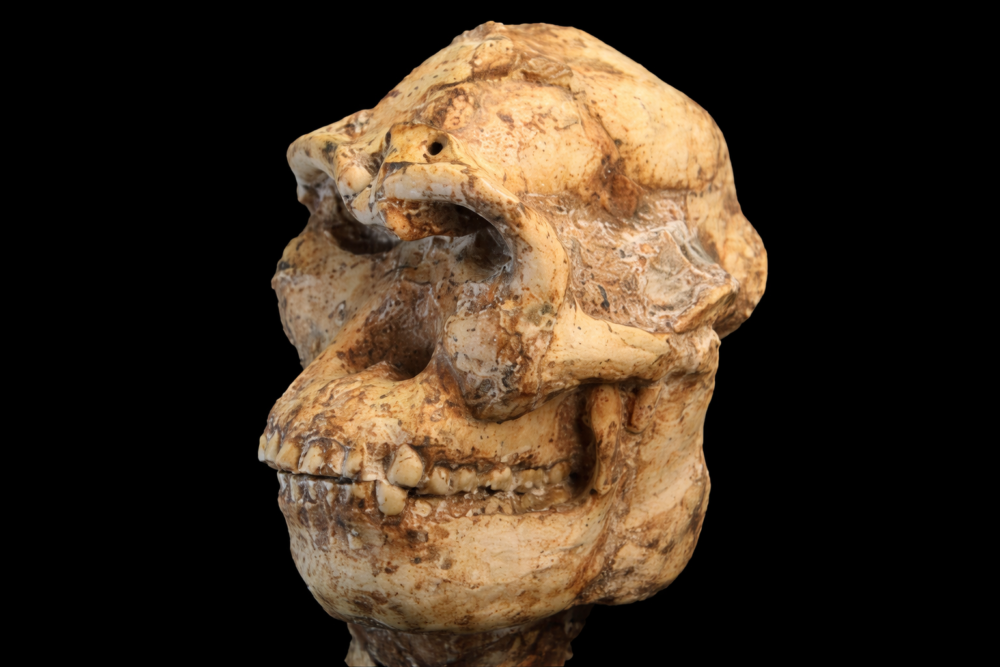
So you just saw a headline about a 3 million year old skull that does not fit the family tree, and now you are wondering what Australopithecus prometheus even is. Same. This name sits right in the middle of a long, very nerdy argument about who counts as a separate species.

A. prometheus was proposed from South African fossils found at Makapansgat, with a type specimen called MLD 1. Some researchers keep it as its own species, while others say it is basically Australopithecus africanus with a different label.

Either way, the debate matters because it changes how many human relatives lived at once, and how messy our origins really were.

Read more

Countries That Have Canceled Visa-Free Entry for U.S. Travelers

What recent policy changes mean for Americans planning trips abroad.

©Image license via Canva

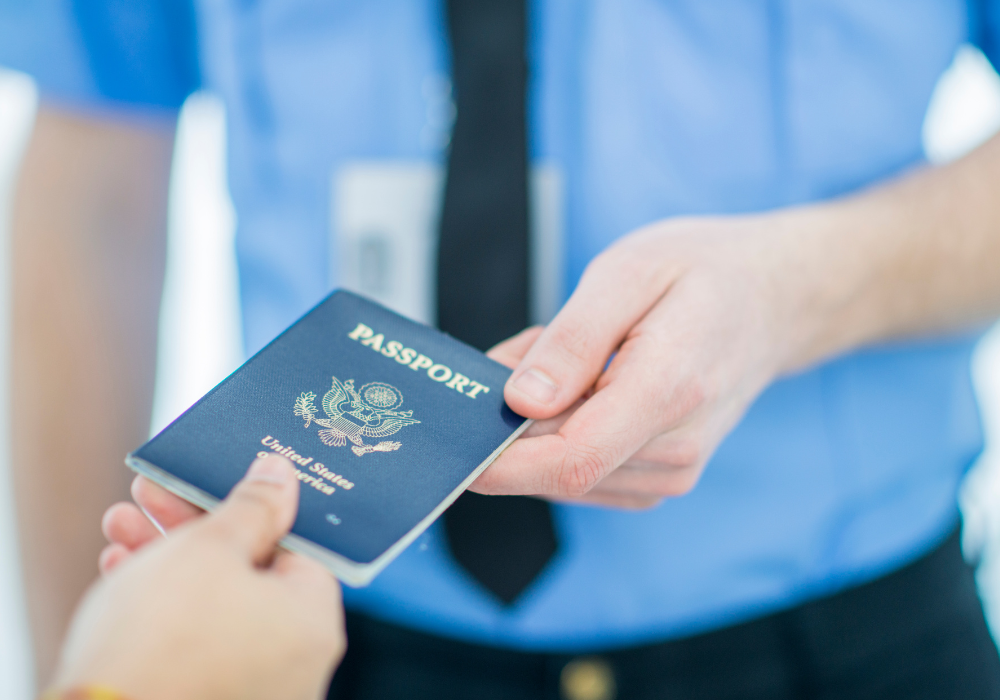
Americans are used to thinking, “If my passport is valid, I’m good.” But travel rules are getting fussier: some countries are ending visa-free entry for U.S. visitors, others are adding e-visas, and a few now require pre-travel authorization even for short stays.

Two clear examples are Brazil, which reinstated visitor visas for U.S. citizens starting April 10, 2025, and Namibia, which began requiring U.S. tourists to obtain a visa before entry as of April 1, 2025.

Meanwhile, the European Commission says ETIAS is expected in late 2026. If you travel on a U.S. passport, here’s how to spot real changes, avoid scams, and plan ahead.

Read more

AI Is Finally Unlocking 2,000-Year-Old Scrolls Once Thought Lost Forever

Advanced AI is revealing hidden text without unrolling or damaging the fragile scrolls.

©Image license via Planet Sage/Chat GPT

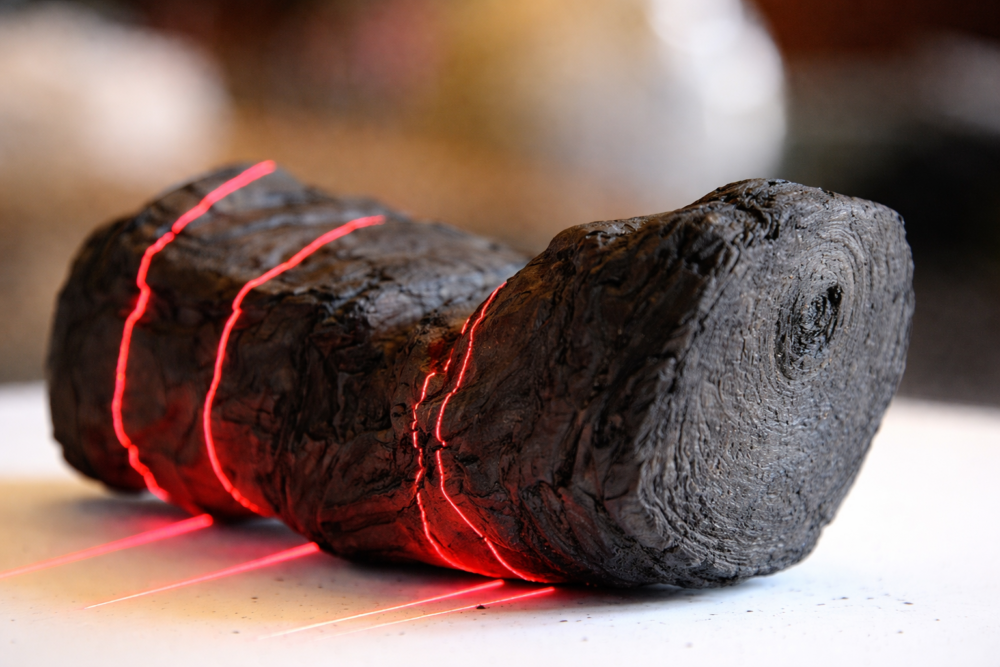
You have probably seen the headline: AI is reading scrolls that were turned into charcoal by Vesuvius. It sounds fake, but it is real, and it is happening piece by piece, not all at once.

These are the Herculaneum scrolls, buried in AD 79 and later found in a luxury villa packed with ancient books. For centuries, opening them meant destroying them, so the words stayed locked inside.

Now researchers can scan the scrolls in 3D and “unwrap” them on a computer, then use AI to spot ink that human eyes miss. The results are still partial, but the first readable lines prove a simple point: history can return without anyone touching the papyrus.

Read more

Washington Floods Hit Tribal Lands Harder Than Many People Realize

Why geography, history, and underfunded infrastructure leave tribal communities especially vulnerable.

©Image license via Easy-Peasy.AI

Washington’s recent floods weren’t just “bad weather.” They were powered by atmospheric rivers, long plumes of water vapor that can dump huge amounts of rain in a single week when they stall over the Olympics and Cascades.

Tribal lands are often located along rivers, estuaries, and low-lying coastlines, so when waters rise, the damage can hit homes, roads, and cultural sites first, and evacuations can be harder to coordinate.

Climate change adds fuel: warmer air holds more moisture, making the strongest rain events heavier. That means the same kind of storm can now deliver more water, more often.

Read more

These Common Home Appliances Could Be Phased Out by New Regulations

What proposed efficiency and climate rules could mean for everyday appliances in your home.

©Image license via Canva

A lot of “new appliance rules” aren’t outright bans; they’re efficiency standards that apply to what manufacturers can sell next. Still, the effect can feel similar: the models you’re used to buying may disappear, or get redesigned fast, even if your current one still works.

In the U.S., the Department of Energy has finalized or updated standards for major home equipment like water heaters, furnaces, and laundry machines, with compliance dates mostly landing in the late 2020s.

Add local building rules that limit gas hookups in some new construction, and it’s easy to see why shoppers are hearing “phase-out” rumors.

Read more

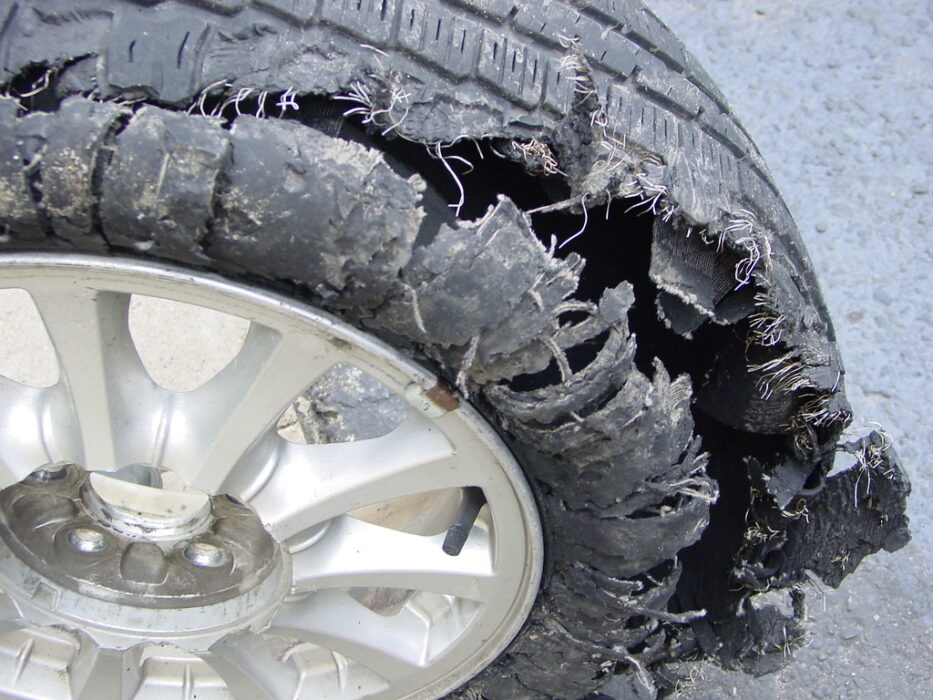
If Your Tire Blows Out on the Highway, Do This Immediately

Why staying calm and avoiding one instinctive move can help you regain control.

©Image license via Flickr

A tire blowout at highway speed is the kind of moment that makes your stomach drop. The bang is loud, the car can yank sideways, and your brain wants to hit the brakes or jerk the wheel. That split-second reaction is what turns many blowouts into crashes.

Safety groups like AAA stress the same basics: hold steady, don’t slam the brakes, and slow down smoothly before you move over. The goal isn’t to stop fast—it’s to stay predictable until you can get to a safe spot. Do the calm thing first, and everything else gets easier.

If you’ve pictured the steps ahead of time, you’re far more likely to stay calm and keep control.

Read more