
Why Plant-Based Eaters Live Longer—And What We Can Learn From Their Diets

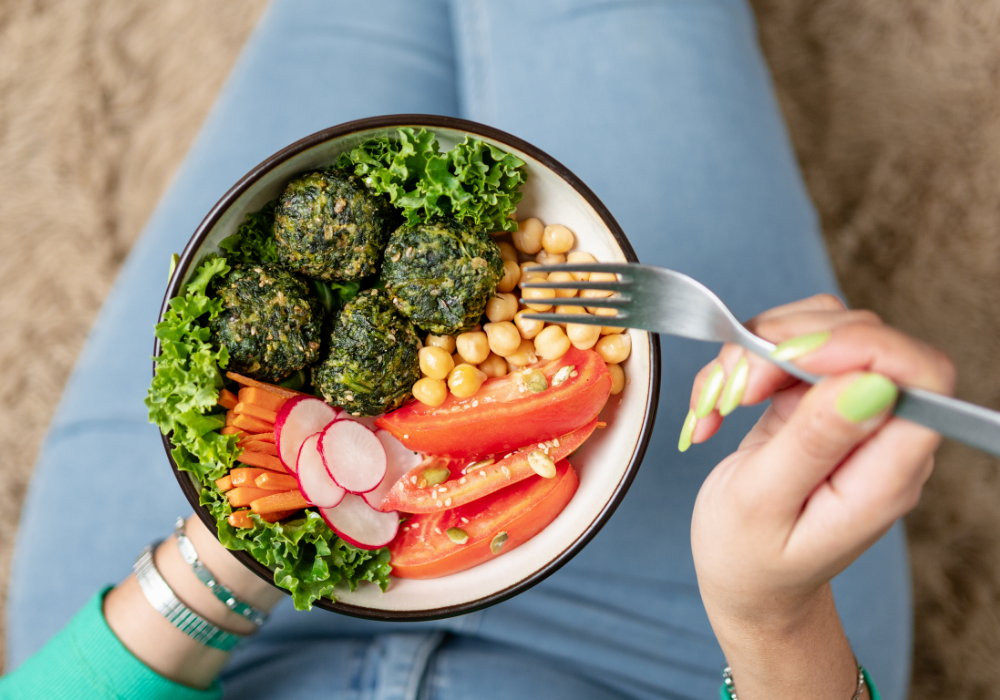
A plant-based diet is more than a trend; it’s a blueprint for longevity and better health.
©Image license via Canva

It’s no coincidence that some of the world’s longest-living populations follow predominantly plant-based diets. From the Mediterranean’s abundance of fresh vegetables and olive oil to the legumes and grains central to Okinawan cuisine, these eating patterns are linked to lower rates of heart disease, diabetes, and certain cancers. But plant-based eating isn’t just about adding more greens to your plate—it’s about embracing a lifestyle that prioritizes whole, nutrient-dense foods over processed options.

Beyond health, plant-based diets offer environmental benefits by reducing the carbon footprint of food production. As more research connects plant-based eating with increased lifespan and overall vitality, it’s worth exploring the lessons we can learn and apply to our own lives, even without going fully vegetarian or vegan. Small shifts in daily food choices could lead to big changes in how long—and how well—we live.


Read more

The Allure of the “Coastal Grandmother” Aesthetic—And Why Gen Z Is Obsessed

A lifestyle trend rooted in nostalgia is captivating a generation that never lived it.

©Image license via Canva

It began as a playful TikTok trend, but the “coastal grandmother” aesthetic has quickly grown into something much larger: a full-blown lifestyle movement embraced by Gen Z. The term evokes images of Nancy Meyers film sets, white linen curtains fluttering in the ocean breeze, and kitchens stocked with fresh herbs and wooden cutting boards.

It’s the aspirational lifestyle of leisurely mornings, carefully curated simplicity, and effortless elegance—a celebration of comfort wrapped in neutral tones. What makes this aesthetic so irresistible, especially to younger generations? For Gen Z, it’s not just about oversized sweaters and beach walks—it’s about reclaiming calm in a world dominated by digital overstimulation.

The coastal grandmother aesthetic offers more than aesthetic appeal; it speaks to a yearning for slower living, mindful consumption, and a connection to nature’s quiet beauty. Here’s why this trend has captivated a generation defined by rapid change and constant connectivity.

Read more

Digital Clutter Is the New Junk Drawer—Here’s How to Clean It Up for Good

Our virtual spaces are overflowing, and it’s taking a toll on our productivity—and peace of mind.

©Image license via Canva

In the age of constant connectivity, clutter has gone beyond the physical realm. From overflowing inboxes and endless photo libraries to dozens of unused apps, digital clutter has quietly become the new junk drawer of modern life.

Unlike its physical counterpart, however, this clutter is invisible—until it starts to weigh on your focus, slow down your devices, or drain your mental energy. Cleaning up your digital life isn’t just about freeing up storage space—it’s about creating mental clarity and regaining control over your time.

The good news? A few simple changes can help you reclaim your digital space, reduce stress, and boost productivity. Here’s how to clear out the digital debris and keep it from piling up again.

Read more