Grass Lawns Are Dead—11 Ways to Create a Vibrant Backyard That Feeds You and Wildlife

Stop wasting water on a useless lawn and start growing something incredible.

©Image license via iStock

Grass lawns were once a symbol of the perfect home, but let’s be honest—they don’t do much except drain water, rack up maintenance costs, and require endless mowing. Meanwhile, pollinators are disappearing, droughts are worsening, and food security is a growing concern. Why waste space on a lawn that gives nothing back when you could turn it into a lush, thriving ecosystem?

Your yard has the potential to be more than just decorative. It can provide fresh food, attract essential wildlife, and restore balance to the environment. Whether you want to grow vegetables, plant a pollinator paradise, or create a self-sustaining oasis, replacing your grass with a functional, beautiful landscape is one of the best choices you can make. A backyard should be more than just something to look at. It should be a space that works for you, benefits the planet, and makes life a little richer every time you step outside.

Read more

The Gods Are Furious—11 Climate Disasters Straight Out of Greek Mythology

Ancient myths warned us, and now the gods are making their rage known.

©Image license via iStock

The ancient Greeks believed the gods controlled nature, punishing humanity with storms, fires, floods, and plagues when mortals overstepped their bounds. These myths were cautionary tales about hubris—warnings of what happens when people defy nature itself. Today, those same disasters aren’t just legend anymore. The world is heating up, the seas are rising, and natural disasters are intensifying like never before. If the Olympians were watching, they’d probably say, “We told you so.”

From Poseidon’s floods to Hephaestus’ raging fires, the catastrophes unfolding today seem ripped straight from ancient Greek mythology. The difference is that this time, it’s not the gods unleashing their wrath—it’s us. Human-driven climate change is fueling extreme weather events, and the consequences are undeniable. History has always warned us that ignoring nature comes with consequences. If we don’t start listening, we may find ourselves living out myths we never wanted to believe in.

Read more

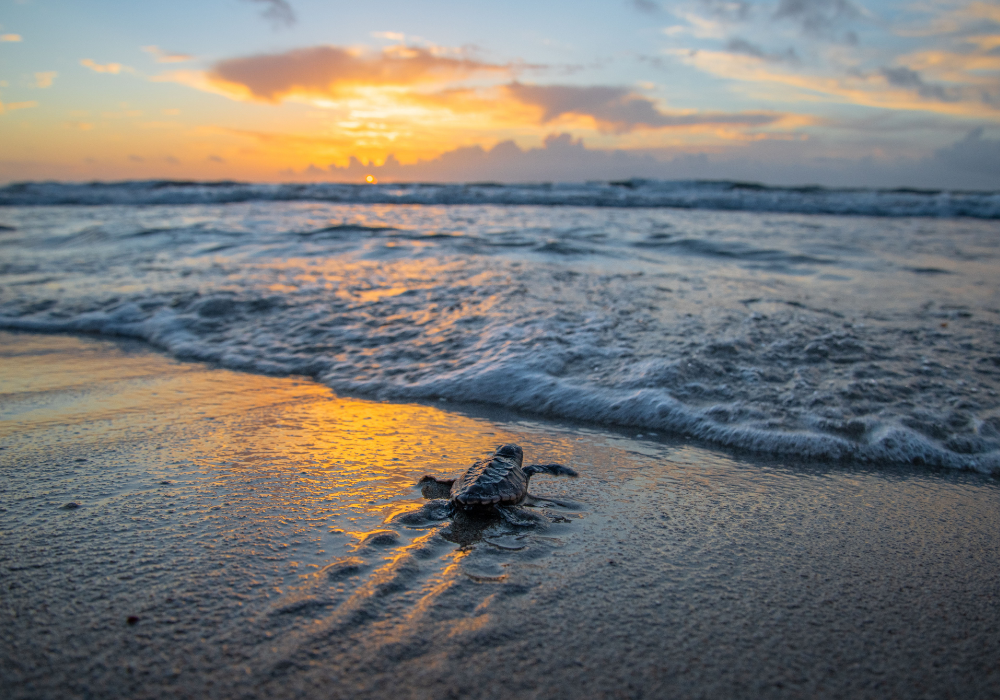
City Lights Are Killing These 13 Amazing Animals Struggling to Survive Our Glow

From confused birds to lost sea turtles, artificial light is turning nature upside down.

©Image license via Canva

The world has never been brighter. From glowing city skylines to illuminated highways, artificial light has transformed the way we live. But while we may love the convenience of a well-lit world, nature is struggling to keep up. Animals that rely on the natural rhythm of daylight and darkness are being thrown into chaos, unable to hunt, migrate, mate, or even survive.

For millions of years, wildlife evolved under the predictable cycle of the sun and the stars. Now, streetlights, billboards, and skyscrapers are rewriting the rules, leading to disoriented birds, lost sea turtles, and insects vanishing at alarming rates. Some creatures are being lured into danger, while others are losing their ability to navigate, hunt, or hide.

Light pollution is spreading faster than any other form of environmental disruption, and its impact on wildlife is becoming impossible to ignore. As artificial lights continue to erase the night, more species are struggling to adapt to a world that never truly gets dark.

Read more

Boomers Aren’t the Climate Villains You Think—14 Green Habits They Invented First

Before sustainability was a trend, it was just called common sense.

©Image license via iStock

Boomers often get blamed for environmental damage, but their generation actually pioneered many of the green habits younger generations are now embracing. Long before zero-waste influencers made headlines, thrift shopping, mending clothes, and growing food were just a normal way of life. Plastic-free grocery shopping? That was the default. Riding bikes instead of driving? A daily routine.

Unlike today’s throwaway culture, Boomers grew up in a time when wasting food wasn’t an option, appliances were built to last, and fast fashion didn’t exist. Fixing, reusing, and repurposing weren’t radical ideas—they were just part of everyday life. Many of the “sustainable” habits making a comeback today were simply common sense back then.

While not everything about the past was greener, there’s a lot we can learn from the ways Boomers lived before single-use everything became the norm. Here are 14 habits they got right long before sustainability was a trend.

Read more

13 Times Climate Scientists Screamed for Change—But We Just Kept Consuming

The warnings have been loud and clear—so why haven’t we listened?

©Image license via iStock

For decades, climate scientists have been ringing the alarm bells. They’ve published reports, testified before governments, and presented overwhelming evidence that the planet is heating up at a catastrophic rate. Each time, the message has been the same: act now, or suffer the consequences. And yet, instead of urgent action, the world has doubled down on consumption—more fossil fuels, more plastic, more mindless shopping sprees.

As predictions turn into reality, the disasters keep piling up. Ice caps are vanishing, wildfires are raging longer, and extreme weather is rewriting history. Scientists didn’t just warn us about this—they practically begged us to change course. Yet every time, society chose business as usual. Policies stalled, corporations lobbied, and the public tuned out. Here are 13 moments when climate experts sounded the alarm, and we responded by swiping our credit cards.

Read more

Say Goodbye to Your Favorite Foods: 12 Crops That Could Disappear Forever by 2050

Climate change is coming for your favorite foods, and the clock is ticking.

©Image license via iStock

Food shortages might seem like a future problem, but they’re already happening. Climate change, extreme weather, soil degradation, and water scarcity are pushing agriculture to the brink, and some of the world’s most beloved crops are struggling to survive. It’s not just specialty foods on the chopping block—everyday staples like coffee, wheat, and chocolate could become unaffordable or disappear entirely within a few decades.

Farmers have always found ways to adapt, but the speed of today’s environmental shifts is making it harder than ever. Crops that once thrived are now facing droughts, heat waves, and shifting growing seasons that threaten their very existence. If we don’t rethink farming, food production, and sustainability, future generations may never know the taste of some of today’s most common foods. Here are 12 crops that may not survive past 2050 if the world doesn’t change course.

Read more

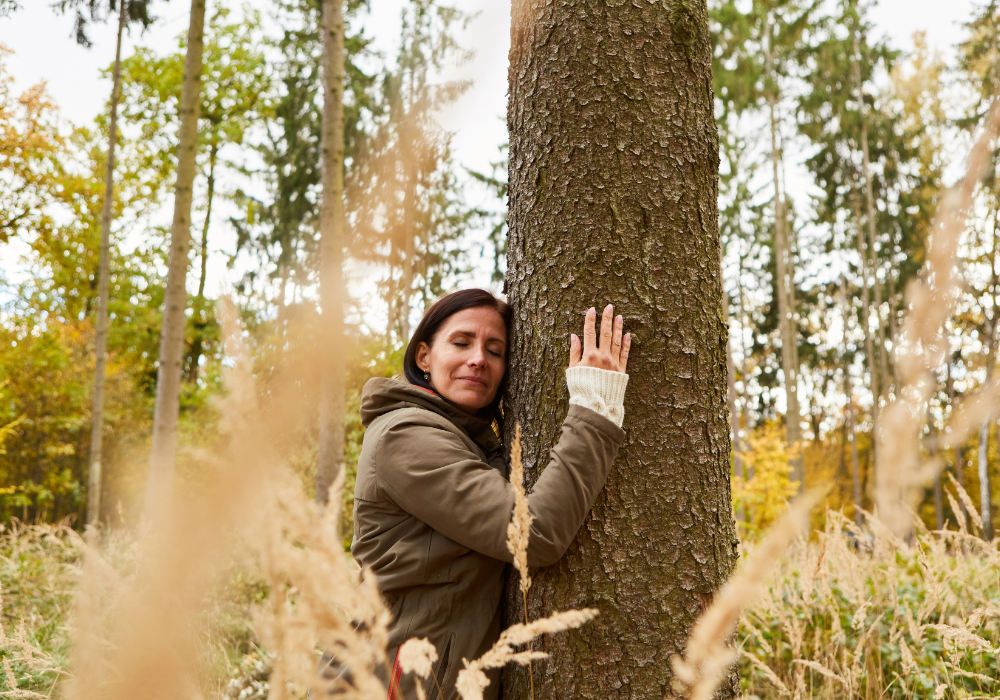
12 Reasons Your Soul Craves the Wilderness More Than You Realize

Nature isn’t just a getaway—it’s something your body and mind are wired to need.

©Image license via Canva

Modern life keeps us trapped in a cycle of screens, schedules, and artificial spaces. We wake up to alarms, spend hours under fluorescent lights, and end the day doom-scrolling until we pass out. But the second we step outside—into a forest, onto a mountaintop, or even just under an open sky—something shifts. That tension in your chest loosens. The world feels bigger, but somehow, so do you.

Science backs it up: spending time in nature lowers cortisol, boosts focus, and rewires your brain for happiness. But beyond that, it taps into something ancient, something we were never meant to lose. The wilderness isn’t just a nice place to visit—it’s a part of who we are. If you’ve ever felt an unshakable longing for fresh air, open space, and the sound of leaves rustling in the wind, here’s why your soul is begging for the wild.

Read more

Think It’s Trash? 13 Surprising Items You Can Recycle—Seriously

Some of the stuff you’re tossing in the trash actually has a second life.

©Image license via Canva

Recycling seems straightforward—paper, plastic, glass, and cans go in the bin, and everything else heads to the landfill. But a lot of what people consider garbage is actually recyclable, just not in the way they’d expect. From old sneakers to broken crayons, plenty of everyday items have hidden recycling options that most people never take advantage of.

Instead of letting useful materials pile up in landfills, they can be given a second life through specialized recycling programs, drop-off locations, or creative reuse projects. Some of these items even have buyback programs or donation opportunities that help people in need. The less waste, the better, and recycling isn’t just about what fits in a curbside bin. These surprising items can be recycled in ways that benefit both the planet and the people around us.

Read more

12 Expert-Backed Methods To Maintain Sanity In Our Era Of Constant Crisis

Experts agree: these are the best ways to protect your mental health in turbulent times.

©Image license via Canva

The world feels like it’s in permanent chaos mode. One crisis fades, another one takes its place, and somehow you’re supposed to keep functioning like everything is fine. Between nonstop bad news, work stress, and the everyday pressures of being a human in the 21st century, it’s no wonder anxiety and burnout are at all-time highs. If you’ve been feeling exhausted, you’re not imagining it. The constant overload of information and stress takes a real toll on mental health.

Here’s the good news: mental health experts have spent years studying how people stay sane in high-stress environments. Turns out, it’s not about ignoring reality or pretending everything is great—it’s about knowing how to protect your peace without checking out completely. Small, intentional choices can make a massive difference in how you handle the chaos. You don’t have to let the world’s madness drain you. These science-backed strategies will help you stay strong, clear-headed, and ready to face whatever comes next.

Read more

Foraging Gone Wrong: 13 Common Mistakes That Could Ruin Your Harvest

One mistake while foraging could turn your harvest into a deadly disaster.

©Image license via Canva

Foraging might seem like a peaceful, wholesome way to connect with nature—until you realize that one wrong move could land you in the emergency room. The wild is full of delicious, nutritious treasures, but it also hides plenty of impostors ready to ruin your day. Mistaking a toxic berry for a safe one, plucking mushrooms without proper identification, or gathering plants from a polluted area could turn an innocent adventure into a full-blown survival situation.

Even experienced foragers slip up. Overconfidence, bad timing, and poor preparation can lead to wasted harvests or, worse, dangerous consequences. Knowing what to avoid is just as important as knowing what to pick. The line between a bountiful, successful foraging trip and a total disaster is thinner than most realize. If you want to enjoy wild food without the risk of poisoning yourself, destroying nature, or breaking the law, avoid these 13 common foraging mistakes at all costs.

Read more