10 Reasons Young Climate Warriors Are Burning Out and Why You Should Care

The ecological grief pandemic silently sweeping through a generation.
©Image license via iStock

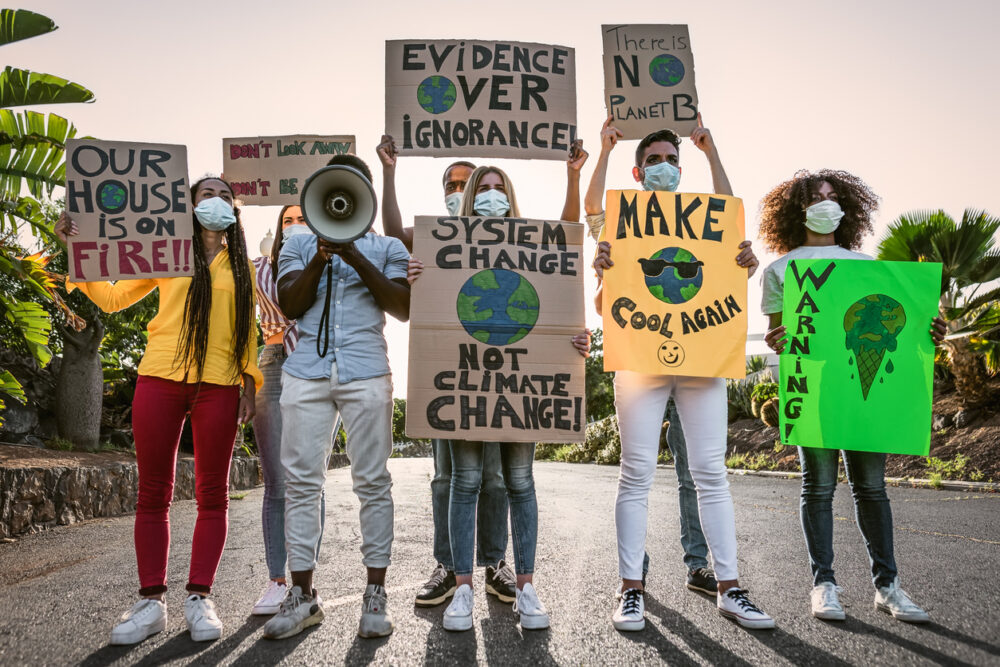
They were once the unstoppable force—school-striking teenagers chaining themselves to corporate doors, twenty-somethings abandoning career paths for climate advocacy. Yet across environmental circles, a troubling pattern emerges: passionate activists quietly disappearing from the frontlines.

Behind this retreat isn’t just ordinary burnout, but something emerging research in climate psychology identifies as more profound: paralyzing existential dread born from the cognitive dissonance between scientific understanding and societal inaction. These young activists aren’t simply tired—they’re grief-stricken, carrying the emotional burden of witnessing ecological collapse while society continues its carbon-fueled party. Their silence isn’t surrender; it’s the psychological toll of seeing too clearly a reality most still deny.


Read more

10 Darn Smart Reasons Gen Z Doesn’t Want Your McMansion

The great generational reset in housing preferences is transforming real estate.

©Image license via Canva

Those 3,500-square-foot suburban palaces with three-car garages that once symbolized peak American achievement now elicit eye rolls from the generation coming of age. As boomers downsize, many discover their sprawling dream homes lack appeal to the sustainability-minded, experience-hungry generation entering the housing market.

The McMansion has become the architectural equivalent of a gas-guzzling Hummer in an era of electric vehicles. Gen Z’s vision of home centers on flexibility, community, minimal environmental impact, and leaving room in their lives for what truly energizes them: authentic connections and passport stamps, not property taxes and lawn care.

Read more

Virtual Holistic Health Is Booming—Should You Try It?

The intersection of ancient wisdom and cutting-edge technology is revolutionizing patient care.

©Image license via iStock

The healthcare landscape is undergoing a seismic shift as virtual holistic medicine emerges from the fringes into the mainstream. Gone are the days when alternative therapies required in-person visits to practitioners operating outside conventional medical systems. Today’s digital platforms are creating unprecedented access to integrative care that combines traditional healing modalities with modern medicine.

Patients are discovering they can consult with naturopaths, acupuncturists, functional medicine doctors, and nutritionists without leaving their homes. This virtual revolution isn’t just making holistic care more convenient—it’s fundamentally altering how we think about wellness by emphasizing prevention, personalization, and patient empowerment. The integration of wearable technology, AI diagnostics, and telehealth has created a perfect storm that’s propelling holistic medicine into a new era of legitimacy and accessibility.

Read more

Should You Embrace The Mess? Why Cluttercore Is Taking Over Homes

Two conflicting philosophies that reflect our changing relationship with stuff.

©Image license via iStock

In the ever-evolving world of interior design, a fascinating battle is unfolding between two seemingly contradictory aesthetics. Minimalism, with its clean lines and “less is more” mantra, has dominated our Pinterest boards and Instagram feeds for years. But lurking in the corners, gaining momentum with each vintage teacup and eclectic wall hanging, is cluttercore—the unapologetic celebration of abundance, color, and personal artifacts.

This isn’t just about decorating choices. Cluttercore represents a philosophical standoff that reflects deeper cultural shifts in how we relate to our possessions, express our identities, and find comfort in our increasingly chaotic world.

Read more

These Radical Treatments Are Taking Over Hospitals—Would You Try Them?

New therapies are changing the way hospitals approach healing.

©Image license via Canva

Modern healthcare is expanding beyond conventional treatments. While medications and surgeries remain the foundation of hospital care, alternative therapies are gaining traction as powerful tools for pain relief, stress management, and recovery.

Acupuncture, meditation, and even music therapy are proving to be more than just wellness trends—they are now backed by research and actively used in medical settings. These therapies don’t replace traditional medicine but work alongside it, giving patients a more holistic healing experience.

Whether it’s hands-on treatments like massage therapy or energy-based practices like Reiki, hospitals are beginning to see that true healing involves both the body and mind. Across the country, alternative medicine is transforming patient care and redefining what it means to heal.

Read more

These Climate-Saving Choices Are Some Causing Serious Family Feuds

The generational climate clash is bigger than you think.

It’s one thing to argue about music or career choices, but climate change? That’s a whole other battlefield. Younger generations see the climate crisis as a code-red emergency. Their parents, however, often view it as just another issue on an already crowded plate. The divide isn’t just about whether climate change is real—most people (outside of a dwindling few) agree it’s happening. The real friction lies in the solutions.

From the foods we eat to the cars we drive, climate action is riddled with choices that spark family debates at the dinner table. Some parents swear by recycling, while their kids side-eye the weekly Costco-sized plastic haul. One generation might be open to cutting back on meat, while the other refuses to part with their steak dinners. These ideological clashes don’t just shape personal choices—they influence policies, economies, and the planet’s future.

Read more

Morning Habits You Should Steal from the Healthiest People on Earth

The world’s healthiest people start their mornings with purpose, not autopilot.

©Image license via Canva

What you do in the first hour of your day can shape everything that follows. While many people rush through their mornings, hitting snooze, grabbing caffeine, and reacting to notifications, the healthiest individuals take a different approach. Their mornings aren’t about scrambling to catch up—they’re about setting a foundation for better energy, focus, and overall well-being.

These rituals aren’t complicated or time-consuming, but they are intentional. Science backs many of them, showing that small, consistent habits can improve metabolism, mental clarity, and even longevity. Instead of extreme wellness trends, the world’s healthiest people stick to simple yet powerful choices—hydrating before coffee, moving before sitting, and focusing on their mindset before checking their phones.

None of these habits require perfection or expensive tools, just a willingness to approach mornings with purpose rather than autopilot. Here’s what the healthiest people do before the rest of the world even hits snooze.

Read more

What No One Tells You About Who’s Really Leading the Climate Fight

Wealthier nations hold the power, but vulnerable countries are paying the highest price.

©Image license via Canva

The climate crisis isn’t just about rising temperatures—it’s about rising inequalities. Across the Global South, communities that contribute the least to greenhouse gas emissions are grappling with the most devastating consequences. From severe droughts in sub-Saharan Africa to intensified cyclones in Southeast Asia, the human toll is mounting while wealthier nations continue to fall short on promises of financial aid and meaningful action.

As the planet warms, the fight for climate justice is becoming more urgent. These countries are demanding not just recognition, but reparations and systemic change from the global powers driving the crisis. This isn’t a battle for sympathy—it’s a call for accountability and equity on a global scale. Without a shift in power, funding, and climate policies, the divide between those responsible for the crisis and those suffering its consequences will only deepen.

Read more

Vegan Leather vs. Real Leather: Which Is Worse for the Environment?

The leather debate isn’t just about style it’s about saving the planet

©Image license via Canva

Leather has always been seen as a symbol of luxury and durability, but now there’s a new player in town: vegan leather. It’s marketed as the cooler, cruelty-free alternative to traditional leather, but is it actually better for the environment? Spoiler alert: It’s complicated. While vegan leather skips the animal cruelty part, a lot of it is made from plastics that hurt the planet in other ways.

Meanwhile, real leather production contributes to deforestation, water pollution, and massive carbon emissions. Neither option is totally eco-friendly, but some choices are definitely worse than others. For Gen Z, who actually care about both ethics and sustainability, the real question isn’t just which material looks better but which one does less damage in the long run. Here’s what you need to know before you flex your next leather look.

Read more

11 Scary Things That Big Corporations Are Doing to the Ocean Right Now

Big corporations are wrecking the ocean and getting away with it.

©Image license via Canva

The ocean isn’t just a pretty backdrop for vacation pics—it’s literally what keeps life on Earth going. It produces most of the oxygen we breathe, regulates the climate, and supports countless ecosystems. But here’s the scary part: while we’re busy posting beach photos, big corporations are turning the ocean into a dumping ground for profit. From oil spills and plastic pollution to deep-sea destruction, the damage they’re causing is pushing marine life to the brink—and it’s happening right now.

The worst part? They’re doing it quietly, while throwing around “green” labels to keep us distracted. If we don’t start holding them accountable, rising sea levels and dying ecosystems won’t just be someone else’s problem—they’ll be ours. Here are 11 terrifying ways big businesses are destroying the ocean right now and why Gen Z needs to be the generation that fights back.

Read more