The American Dream Broke the American Family—Here Are 12 Ways That Shows Up Now

©Image license via iStock

The American Dream promised a lot: a house, a car, a good job, and a life better than the one before. But somewhere along the way, that dream stopped being about community and started demanding constant performance. Success became individual. Struggle became shameful. And families were told to keep pushing, even when it meant breaking apart behind closed doors.

It wasn’t just about wanting more—it was about being told you weren’t enough without it. Generations were raised in households stretched thin by work, debt, and pressure to keep up. Emotional needs got buried under productivity. Rest turned into guilt. The pursuit of a better life created distance where there should’ve been closeness. And now? The cracks are showing. These 12 signs reveal how chasing the dream reshaped what family even means—and why so many are still trying to unlearn what they were taught to want.

Read more

Pushing Through Might Be Hurting You—Watch for These 13 Burnout Clues

Bed rotting might feel like rest, but sometimes it’s just burnout in disguise.

©Image license via iStock

Burnout isn’t just about dramatic breakdowns or quitting your job on a whim. It’s sneaky. It starts with small things—feeling drained after a “normal” day, snapping at a text, staring at your inbox like it personally wronged you. It’s easy to write it all off as stress or a bad week, but sometimes, it’s something deeper that’s been building quietly.

The culture of powering through doesn’t leave much room for slowing down, and that’s exactly how burnout slips in unnoticed. Before long, basic tasks feel heavy, joy disappears from things you used to love, and rest stops feeling restful. These clues don’t scream—they whisper. But if you know what to look for, you can spot them early. Recognizing the signs doesn’t make you weak. It makes you smart. These 13 burnout clues could be the nudge you need to take your energy seriously.

Read more

11 Jaw-Droppingly Idiotic Things We’ve Done to Wreck the Earth

From toxic lakes to trash islands, humans have turned Earth into a science fiction disaster movie.

©Image license via iStock

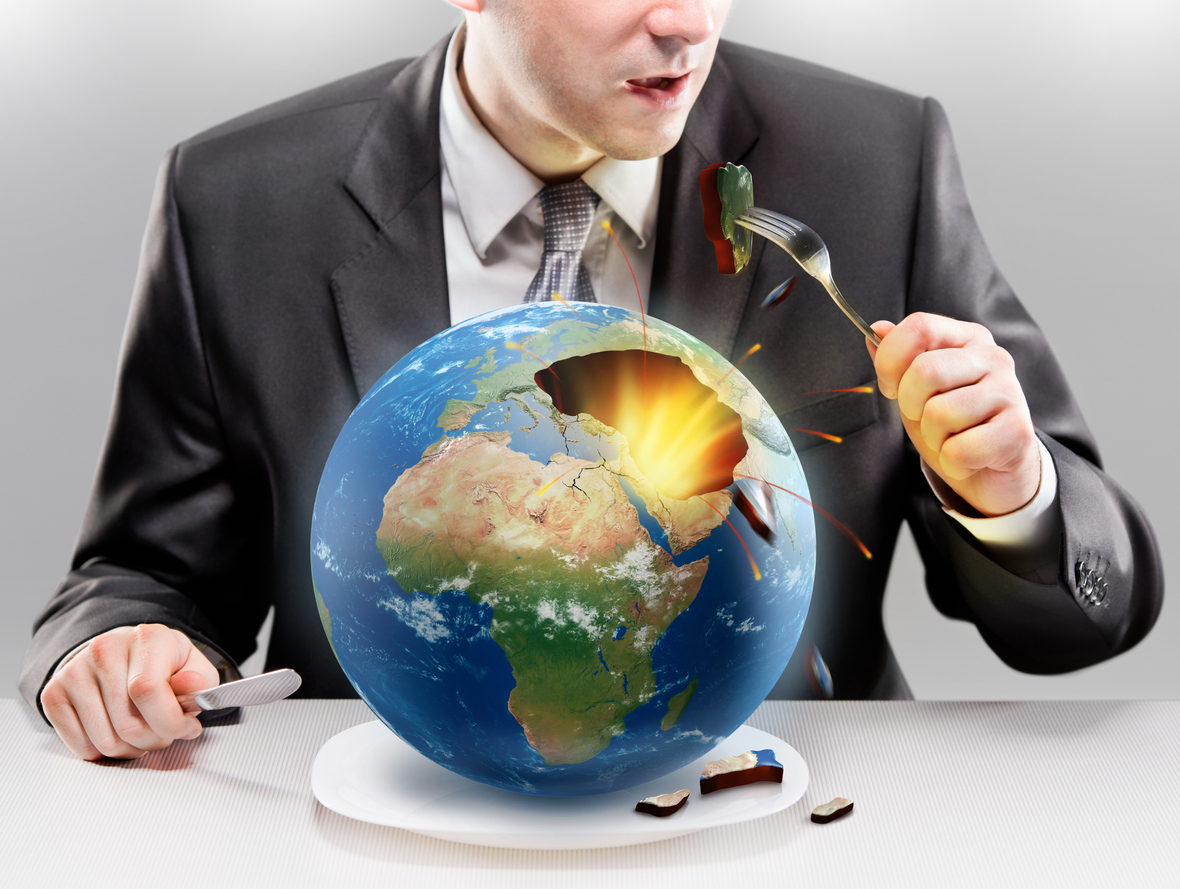
For a species that prides itself on intelligence, humans have made some mind-blowingly bad decisions when it comes to the planet. Instead of being responsible caretakers of the only home we have, the land, air, and water have been treated like infinite resources. Pollution, destruction, and wastefulness have been trademarks of human progress, leaving ecosystems struggling to recover.

The damage isn’t just an unfortunate accident—it’s the result of repeated choices that prioritized convenience and profit over sustainability. Industries have pushed forward with reckless expansion, and governments have ignored warning signs until disaster struck. Species have been driven to extinction, vital ecosystems have been wiped out, and entire landscapes have been reshaped to fit short-term needs.

Reversing the harm won’t be easy, but continuing on this path will only accelerate environmental collapse. The worst part is that much of the destruction could have been avoided if action had been taken before the damage became irreversible.

Read more

Stop Trying to Earn Peace—These 13 Truths Say You Already Deserve It

Peace isn’t a prize for being good, healed, or perfect—it’s something you get to claim now.

©Image license via iStock

We’re taught that peace comes after. After the grind. After the apology. After you’ve fixed your flaws, cleared the chaos, and proven your worth. It becomes something you chase like a goal, not something you’re allowed to feel as you are. Even rest turns into a reward system—something you get only when you’ve done enough to deserve it. No wonder so many people are exhausted but still tense, still restless, still trying.

But peace doesn’t work like that. It’s not reserved for the wise or the healed or the hyper-productive. It’s not something you buy, win, or negotiate your way into. It’s a right, not a trophy. And the more you believe you have to earn it, the further away it stays. These 13 truths exist to remind you: peace is yours already. You don’t have to fight yourself to feel it.

Read more

Think the Climate Movement Is Niche? These 10 Signs Say It’s Gone Mainstream

The climate movement has left the fringe and moved into the mainstream.

©Image license via Canva

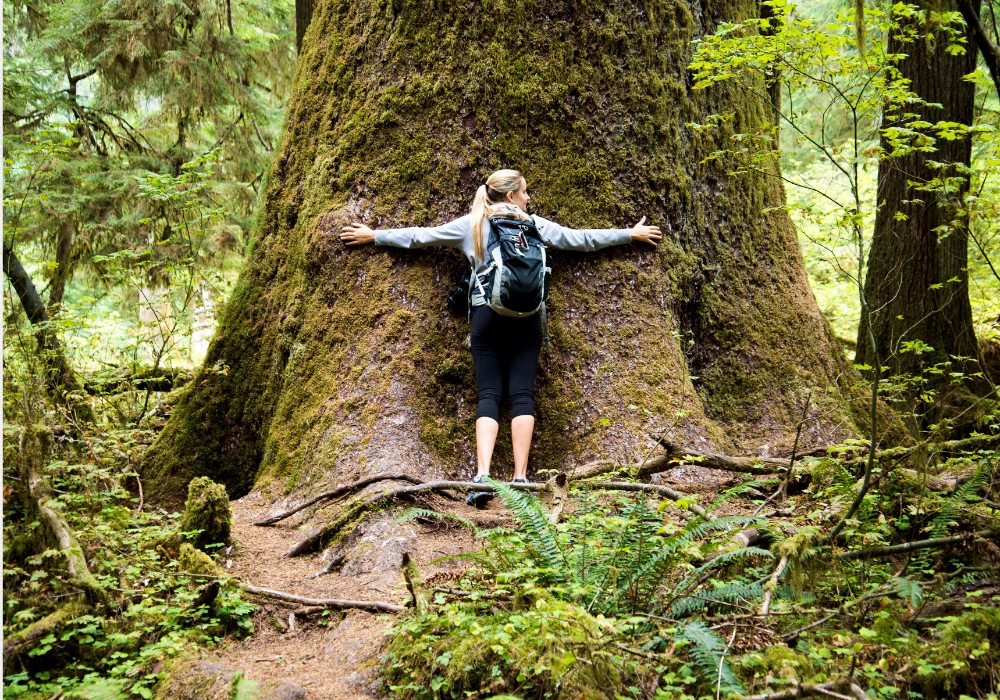
There was a time when caring about the climate meant hugging trees and rinsing yogurt containers. It felt earnest, a little crunchy, and mostly ignored by the mainstream. Not anymore. The climate conversation has slipped out of the activist circle and into the boardroom, the beauty aisle, the group chat, and your cousin’s wedding registry. It’s not just trending—it’s transforming.

From billion-dollar climate startups to oat milk becoming the new default, climate awareness isn’t lurking in the background. It’s everywhere, dressed up in sleek design and backed by serious money, data, and public support. You don’t need a “Save the Earth” bumper sticker to be part of the movement—you might already be in it without realizing. These ten signs show just how far things have shifted. The fringe is over. Climate culture has officially gone mainstream, and it’s not looking back.

Read more

The Brain Fog Epidemic: How Air Pollution Is Destroying Our Cognitive Abilities

Your daily brain fog might not be burnout—it could be the air around you.

©Image license via iStock

Most people think of air pollution as a respiratory issue. We picture smoggy skylines, asthma attacks, or city-wide alerts warning us to stay indoors. But the damage doesn’t stop with the lungs. A growing body of research shows that air pollution is just as harmful to the brain as it is to the body. It affects how people think, how they process emotions, and even how well they remember basic information.

This is no longer just an urban problem. The chemicals and particles found in polluted air are quietly interfering with cognitive health across the globe, including in areas previously considered low risk. And while many are aware of the physical symptoms, far fewer recognize what’s happening neurologically. Brain fog, forgetfulness, mood swings, and slowed thinking are on the rise. The air people breathe every day may be one of the most underestimated threats to mental clarity.

Read more

The Job Looks Fine on Paper—But These 12 Truths Say It’s Slowly Breaking You

Even with the right title and paycheck, this kind of work slowly erodes your well-being.

©Image license via iStock

A job can offer the right salary, respectable title, and solid benefits, yet still erode mental and emotional well-being over time. These roles rarely raise alarms. Instead, they slowly wear people down under the surface, masked by professionalism, politeness, and performance. The damage doesn’t always come from overwork—it often comes from feeling disconnected, underutilized, or misaligned with the role’s deeper impact.

This kind of burnout doesn’t make a dramatic entrance. It builds quietly, through mounting fatigue, quiet frustration, and a sense of detachment from one’s own values. Many stay out of obligation, fear, or habit, unsure if their discomfort is valid. But when a job begins to take more than it gives—mentally, physically, or emotionally—those signs deserve to be acknowledged. These 12 truths offer a closer look at how seemingly “good” jobs can gradually become harmful.

Read more

These 12 Insects Are Thriving Because the Planet’s on Fire—and They Want a Taste of You

These climate-fueled creepy crawlies are multiplying fast and biting harder than ever.

©Image license via iStock

While humans sweat, swat, and panic over every new heat record, insects are having the time of their lives. Rising temperatures mean faster reproduction. Milder winters increase survival. Longer summers offer more time to bite, sting, and creep into new territory. Thanks to climate change, bugs are no longer just buzzing—they’re booming.

Species once locked into tropical zones are moving north. Some are arriving earlier, staying longer, or evolving in ways that make them even more irritating—or downright dangerous. Insects that were once rare nuisances are now daily visitors, and in many places, they’re coming in hot (literally). The usual seasonal break from bug activity is disappearing, and insect-borne diseases are hitching a ride along with them. This isn’t a temporary annoyance. It’s a full-blown infestation revival powered by heat, chaos, and just the right amount of human misery.

Read more

Is Global Warming Just More Media Lies? 12 Truths No One Wants to Admit

The stories we’re told about climate change don’t always match what’s really going on.

©Image license via Canva

Depending on who you ask, global warming is either a manufactured hoax, a natural cycle, or the apocalypse itself. The noise is deafening—and that’s not by accident. For decades, powerful industries have pumped out spin, creating just enough confusion to keep people arguing instead of acting. What looks like a debate is often a distraction.

It’s not just about whether the planet’s heating up. It’s about who gets blamed, who gets ignored, and who keeps profiting while the rest of us stay overwhelmed. Climate change isn’t a simple science story—it’s a layered one full of manipulation, selective outrage, and some very carefully chosen lies. And some of the biggest ones? They sound like common sense. If you’ve ever rolled your eyes at climate headlines or felt like something wasn’t adding up, here’s what you’re probably not being told.

Read more

The New PTSD? Why Climate Disasters Are Mentally Shattering Entire Generations

Emotional collapse isn’t a side effect of climate change—it’s the next wave of the crisis.

©Image license via iStock

Homes are flooding, skies are turning orange, and childhoods are being shaped around evacuation routes. Climate disasters aren’t just environmental events anymore—they’re trauma factories. And for many, the mental scars aren’t fading once the fires are out or the water recedes. They’re compounding, year after year, with no time to heal before the next catastrophe hits.

This isn’t abstract anxiety or future fear. It’s panic attacks during thunder. It’s kids who can’t sleep when the wind picks up. It’s survivors carrying disaster fatigue so deep it starts to feel normal. Climate change isn’t just breaking systems—it’s breaking people. And the mental toll is hitting hardest in places that get ignored once the news cycle moves on. This is what trauma looks like when the threat never ends.

Read more