Your Home’s Value Could Crash Overnight—These 12 Climate Risks Are Already in Play

The market isn’t just watching interest rates anymore; it’s watching the weather.
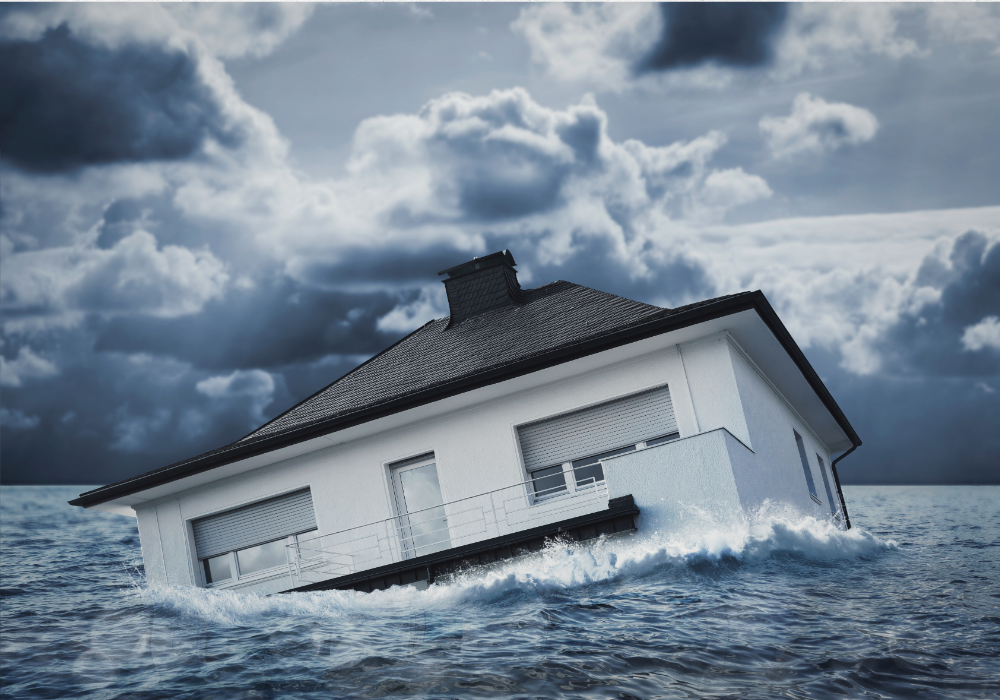
©Image license via Canva

For decades, homeownership has been considered one of the safest investments you can make. But that promise doesn’t hold up against rising seas, drought-stricken soil, and neighborhoods that flood every other year. As the climate crisis intensifies, it’s not just extreme weather events that are reshaping the housing market—it’s the risk itself.

Buyers, insurers, lenders, and government agencies are all starting to factor in long-term exposure to climate threats. In some regions, that means climbing premiums and stricter regulations. In others, it’s outright loss of insurability or retreat. Your home’s value may not change slowly; it may plummet in response to a single storm, a new zoning law, or a shift in flood maps. The danger isn’t always visible, but it’s already reshaping the landscape, and ignoring it could cost far more than equity.


Read more

We’ve Been Misled About Recycling—These 13 Truths Show What the Future Demands

The future won’t be saved by sorting bins, it needs something much bigger.

©Image license via Canva

Recycling was never designed to carry the weight we’ve put on it. For years, it’s been the go-to solution for a culture hooked on convenience. Toss it in the bin, feel better about the packaging, and move on. But behind the symbols and slogans is a system buckling under its own promise. Most of what we think we’re saving still ends up buried, burned, or floating where it shouldn’t be.

Meanwhile, production keeps rising, packaging keeps getting more complex, and personal responsibility keeps getting pushed harder—while the companies creating the waste are left off the hook. The truth is, recycling isn’t enough. It never was. The future depends on going far beyond sorting bins and good intentions. What’s coming will ask for bigger decisions, bolder shifts, and a whole new way of thinking about waste—not as something to manage after the fact, but something we can design out entirely.

Read more

You’re Not Lazy—Capitalism Just Made You Feel That Way

This system was never designed to let you feel like enough.

©Image license via Canva

Feeling tired, unmotivated, or like you’re somehow falling behind? That’s not a character flaw. That’s a feature of the system. Capitalism doesn’t just demand work—it builds an identity around it. Rest is framed as laziness, stillness as failure, and burnout as some kind of personal weakness. Productivity is rewarded not just with paychecks, but with praise. And slowly, without even noticing, people start to believe their value comes from how much they can get done.

This isn’t about individual failure—it’s about cultural conditioning. The world isn’t built to support rest, balance, or boundaries. It’s built to keep people striving, spending, and self-correcting any time they slow down. Laziness was never the issue. It’s just what the system calls anyone who dares to pause. These twelve truths pull the curtain back on a structure that profits when people forget they were never meant to operate like machines.

Read more

We’re Starved for What the Ancient World Knew—These 10 Practices Still Nourish the Soul

Modern life leaves us overstimulated and underfed where it counts.

©Image license via iStock

We have endless information, constant connection, and more convenience than any generation before us—but something still feels off. There’s a kind of hunger that can’t be fixed with screen time, shopping carts, or another self-help hack. It’s a soul-level ache, and it’s not new. The ancient world knew something we’ve forgotten: real nourishment doesn’t just come from food. It comes from rhythm, ritual, nature, silence, movement, and meaning.

Somehow, in gaining everything, we lost the things that made us feel truly alive. What used to be sacred has become optional. What used to be embodied is now intellectualized. And what used to ground us has been replaced with endless scrolling. But these old ways haven’t disappeared; they’ve just been buried under noise. Reclaiming them doesn’t mean going backward. It means remembering who we are underneath the chaos.

Read more

Forget the Cocktail: 10 Natural Alternatives That Crush Stress and Anxiety

Your nervous system isn’t craving another drink—it’s begging for real relief.

©Image license via iStock

Reaching for a cocktail at the end of a hard day is practically a cultural reflex. Happy hour, wine o’clock, stress drinks—it’s all framed as self-care. But while alcohol might take the edge off in the moment, it rarely solves the problem. Over time, it can make anxiety worse, mess with your sleep, and leave your body running on fumes.

The good news is, alcohol isn’t the only way to calm your system. There are plenty of natural, science-backed tools that don’t require a pour or a bar tab. These alternatives help your body regulate from the inside out—lowering cortisol, balancing your mood, and giving your brain a break without the crash. Whether you’re looking to cut back, quit entirely, or just need a healthier go-to when stress hits, these 10 options offer serious relief with zero hangover.

Read more

You Bought It All—and Still Feel Empty? 13 Reminders to Bring You Back to What Matters

The chase for more was never meant to fill what’s missing inside.

©Image license via iStock

It’s easy to assume the next purchase, the next milestone, or the next version of success will finally bring a sense of peace. That’s what the culture promises—if life still feels incomplete, maybe it’s because something else needs to be added. But the truth is quieter, and more complicated.

Sometimes, that hollow feeling isn’t a sign of failure. It’s the moment when old stories stop working. The upgrades, the achievements, the polished life—none of it quite hits the way it used to. Not because they’re meaningless, but because they were never meant to carry the full weight of meaning. When that feeling arrives, it isn’t a crisis. It’s a return. Not to minimalism or austerity, but to clarity. There’s a difference between living for more and living with depth. And even in a world built around consumption, it’s still possible to shift toward what truly matters.

Read more

The Future Isn’t All Doom—Here Are 14 Tech Breakthroughs Giving Us Hope

The future looks a little brighter when machines are on our side.

©Image license via Canva

Technology doesn’t exactly have the best PR right now. It’s blamed for ruining sleep, shortening attention spans, and giving everyone a mild existential crisis. But buried beneath the doomscrolling and digital chaos is a much brighter story—one where innovation is actually fixing things. Across the globe, engineers, scientists, and inventors are rolling out tools that are helping us breathe cleaner air, grow more food, cut emissions, and adapt to the chaos we’ve already created.

Some of these breakthroughs are quietly reshaping how the world works. Others are bold, flashy, and feel like something straight out of a sci-fi movie. But all of them are pushing us in the right direction. These inventions aren’t just cool—they’re hopeful. They remind us that when human creativity teams up with technology, it’s still possible to build something better than what we had before.

Read more

Extinct? Not Quite — These 15 Animals and Ecosystems Are Crashing Back In

Just when the planet counted them out, they came roaring back.

©Image license via iStock

Extinction sounds permanent. Once a species disappears, the assumption is that it’s gone for good. But nature doesn’t always follow the script. Around the world, animals once declared lost—or so close to vanishing they were practically ghost stories—are making wild, unexpected returns. Some were rediscovered after hiding for decades. Others clawed their way back with a little help and a lot of luck.

These aren’t fairy tale endings. Many of the populations are fragile, and some could still collapse again. But they offer proof that recovery is possible. That not every environmental crisis ends in silence. That even in the middle of a biodiversity emergency, the story isn’t always over. These resurgences feel personal, almost defiant. Because when species come back from the edge, they don’t just challenge extinction—they challenge the idea that it’s too late.

Read more

You’re Helping Dry Up the Earth—One of These 16 Foods at a Time

The planet is running dry and your grocery list isn’t helping.

©Image license via iStock

Water shortages sound like a faraway problem—until it’s not just lakes drying up, but crops, communities, and entire supply chains. Agriculture already consumes over 70% of the world’s freshwater, and a surprising chunk of that goes toward everyday foods that feel totally normal to eat. The catch? Some of them are seriously thirsty, quietly draining the planet while sitting pretty on your plate.

This isn’t about guilt-tripping every bite. It’s about noticing which foods are guzzling more water than they need—and realizing that personal choices do add up. From breakfast to dessert, a handful of ingredients are carrying a massive water footprint, even when they wear the label “natural,” “healthy,” or “plant-based.” Cutting back doesn’t mean giving up everything delicious. It just means thinking twice before doubling down on the worst offenders. These sixteen foods are the quiet culprits behind a much louder crisis.

Read more

We Could Fix the Climate—But These 13 Bold Policies Scare the People in Power

The planet could recover, but not without shaking up who’s in charge.

©Image license via iStock

Most people think the fight against climate change is about science, money, or awareness. But more often, it’s about control. The world already has the tools to cut emissions, restore ecosystems, and build a livable future. What’s missing isn’t innovation—it’s political courage. The boldest climate solutions tend to rattle the powerful, and that’s exactly why they get buried.

Policies that threaten corporate profits, disrupt old industries, or redistribute resources tend to hit walls fast. It’s not that they’re unworkable. It’s that they work too well. They shift power, and the people holding the most of it rarely want to let go. These ideas aren’t fringe or fantasy. They’re practical, tested, and ready to scale. But they demand more than lifestyle changes. They demand system changes—and that’s what makes them dangerous to the status quo.

Read more