12 Real Costs Behind Your “Free” Next-Day Delivery

It shows up at your door in a day, but the damage lasts a whole lot longer.

©Image license via Canva

There’s something weirdly magical about clicking “Buy Now” and seeing your package show up at your door the very next day. No long lines, no waiting weeks, no hassle. But here’s the thing—fast shipping isn’t actually free. You might not see a charge at checkout, but that speed has a price, and someone, somewhere, is paying it. Usually it’s not the seller or the brand. It’s warehouse workers, delivery drivers, the environment, and even your own community footing the real bill.

It’s easy to forget what happens behind the scenes when everything is designed to feel instant and effortless. But this level of convenience doesn’t come out of nowhere—it’s built on a system that cuts corners, drains people, and leaves a mess no one wants to talk about. There’s a whole chain of impact hiding behind that tracking number.


Read more

10 Ways Capitalism Makes Healing Harder No Matter How Much Therapy You Do

It’s not your fault you’re exhausted—this system was never built for your recovery.

©Image license via Canva

Let’s be real—therapy is powerful. It can help you unpack trauma, build emotional skills, and understand yourself in ways that change your life. But if you’ve ever sat in a session, spilled your heart out, and still left feeling like you’re stuck in survival mode, you’re not broken. You’re just living in a system that works against your healing. Capitalism doesn’t give you time to rest, space to process, or the resources to truly recover.

It demands constant productivity, treats burnout like a badge of honor, and acts like healing is something you should do on your own time, quietly, without slowing anything down. You can do all the “right” things—go to therapy, meditate, journal—and still feel like you’re drowning. That’s not failure. That’s reality. Therapy can help—but it can’t undo the damage a broken system keeps reinforcing every single day.

Read more

No, It’s Not Just Fearmongering—12 Shocking Facts About Greenhouse Gases

The science is real, the damage is growing, and these facts speak for themselves.

©Image license via Canva

Greenhouse gases get thrown around in every climate conversation—CO₂, methane, nitrous oxide—and sometimes it can feel like background noise. You hear about them so often, it’s easy to tune it all out or wonder if the panic is overblown. But here’s the thing: it’s not. The warnings aren’t hype, and the science isn’t some wild guess. Greenhouse gases are absolutely wrecking the balance of our planet, and the evidence is piling up.

This isn’t just about hotter summers or melting glaciers. It’s about extreme weather, rising food prices, displaced communities, and ecosystems falling apart faster than they can recover. And it all traces back to what we’re pumping into the air. If the scale of the crisis still feels abstract, the numbers—and what they mean—might finally make it hit home.

Read more

12 Easy Swaps to Ditch Fast Fashion and Dress More Sustainably Year-Round

The best outfits don’t come at the cost of environmental guilt.

©Image license via Canva

We’ve all felt the pull: new season, new clothes, new “must-haves” flooding your feed. Fast fashion thrives on convincing you that your perfectly fine wardrobe is suddenly outdated every few months. But chasing every trend isn’t just exhausting—it’s also one of the biggest reasons the fashion industry keeps trashing the planet. The good news? You don’t have to sacrifice style to make a smarter, more sustainable switch.

Swapping a few key pieces, learning how to layer, and investing in versatile basics can take you through every season without feeding the landfill. It’s not about guilt-tripping or going full minimalist overnight. It’s about making choices that feel good, look good, and actually last. Because your style should evolve with you, not with whatever trend cycle big brands are pushing next. Ready to refresh your closet and your conscience? These seasonal swaps are where it starts.

Read more

13 Surprising Zero-Waste Hacks from Seniors Who Grew Up with Nothing

They didn’t call it sustainable living—they just called it getting by.

©Image license via Canva

Long before reusable bags and compost bins became lifestyle trends, older generations were living low-waste lives out of pure necessity. What we now call “eco-conscious” was just called being resourceful. They mended instead of tossed, stretched meals into weeks, and found a second (or third) use for just about everything.

For many who grew up during the Great Depression, World War II, or lean postwar years, waste simply wasn’t an option. And while technology has changed, their wisdom hasn’t lost its power. These zero-waste habits weren’t designed to go viral—but they worked. And in a world drowning in packaging, fast fashion, and food waste, it’s worth revisiting how thrift, resilience, and creativity built a lifestyle that didn’t leave so much behind. These are the surprising, practical tricks today’s sustainability movement could learn a lot from.

Read more

The Myth of Ethical Eating—11 Reasons No Choice Is Perfect

Every bite you take comes with a cost someone else has to pay.

©Image license via Canva

You’ve probably tried to eat “better” at some point—local, organic, vegan, cruelty-free, fair trade. It feels good, right? Like you’re finally making choices that align with your values. But here’s the uncomfortable truth: there’s no such thing as a perfect plate. Behind every label, every swap, every so-called conscious decision is a mess of contradictions, trade-offs, and unseen consequences. That almond milk? Water-intensive. Those avocados? Often tied to cartel violence. The local beef? Still contributing to emissions.

It’s not about giving up or feeling guilty every time you eat—it’s about getting real. The food system is global, complex, and deeply flawed. No matter what you choose, someone or something is paying a price. So instead of chasing purity, maybe it’s time to question the system itself. Because the truth is, “ethical eating” isn’t a destination—it’s a constant, messy negotiation.

Read more

Crypto Might Make You Rich—But These 11 Costs to the Earth Are Devastating

The profits are digital, but the damage is painfully real.

©Image license via Canva

Crypto’s impact isn’t limited to your wallet. While headlines hype massive payouts and overnight millionaires, what often gets overlooked is the environmental wreckage left in its wake. Mining, trading, and even storing cryptocurrency all require enormous amounts of energy—and that energy isn’t coming from thin air. It’s powered by real electricity, real fossil fuels, and real consequences for the planet.

The industry loves to present itself as futuristic and untouchable, but the damage is happening right now. From coal-fired data centers to e-waste mountains and groundwater strain, crypto’s hidden costs are piling up fast. And the faster it grows, the harder it gets to ignore. These aren’t abstract problems. They’re ecological emergencies disguised as innovation. If we’re going to talk about what crypto creates, we also need to talk about what it destroys. Here’s where the digital gold rush leaves a scar.

Read more

You Don’t Need to Be Fixed, You Need to Feel Safe—13 Holistic Ways to Find Emotional Peace

When your body feels safe, your mind begins to quiet.

©Image license via Canva

Emotional peace doesn’t come from trying harder—it comes from feeling safer. For many of us, the constant tension, overthinking, or shutdown isn’t a personality flaw. It’s a nervous system doing its best to cope with a world that hasn’t always felt safe, soft, or forgiving. The goal isn’t to fix yourself—it’s to create the conditions where your body finally feels like it can exhale.

That’s where holistic practices come in. These aren’t quick fixes or rigid routines. They’re gentle invitations to return to yourself. From grounding rituals to nervous system regulation to reconnecting with sensory safety, these methods work not by changing who you are—but by giving your body the message it’s okay to rest. Peace isn’t about being perfect or always calm. It’s about having tools that help you come back to center, again and again, when the world pulls you away. These practices make space for that return.

Read more

Are You Killing Bees and Butterflies with These 12 Common Yard Features?

That “perfect” lawn might be silently wiping out local wildlife.

©Image license via Canva

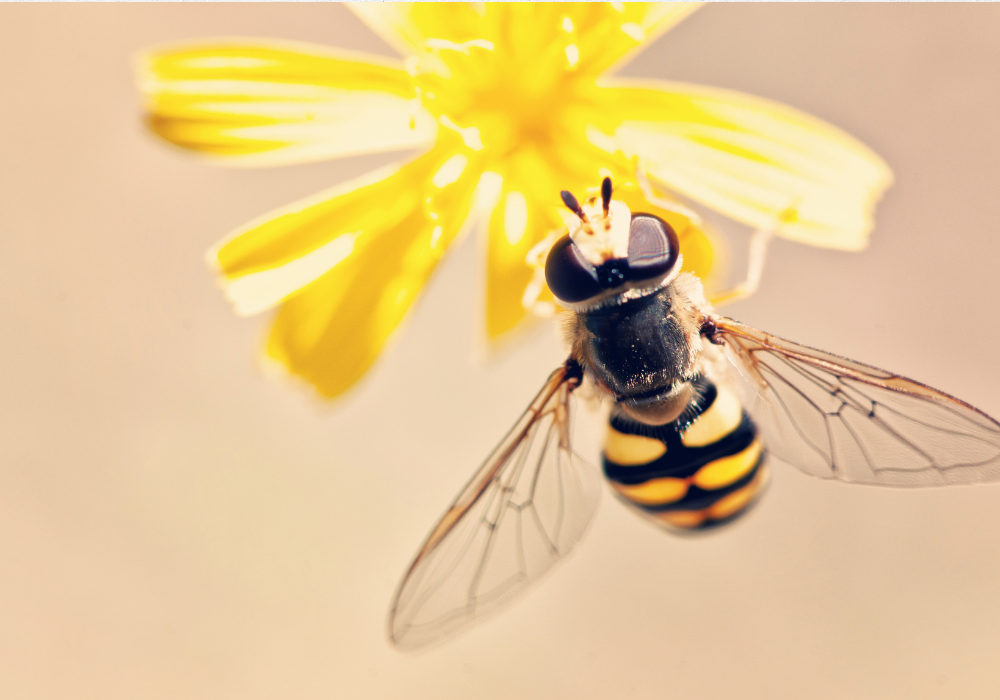
Pollinators don’t need much—just the right plants, clean water, and a safe place to land. But modern landscaping has quietly turned many yards into death traps. The pesticides, the tidy monoculture lawns, the decorative mulch—what looks clean and controlled to humans often reads as sterile or hostile to bees, butterflies, and other beneficial insects.

Even well-intentioned choices can backfire. Popular garden products, ornamental plants, and maintenance habits may be driving pollinators away—or killing them outright. And since most of this damage happens slowly and invisibly, it’s easy to miss the connection. But if your yard feels oddly quiet or your flowers aren’t getting visits like they used to, it’s worth taking a closer look. These are some of the most common backyard features that disrupt or destroy pollinator habitats—and how small changes can make your outdoor space part of the solution instead of the problem.

Read more

Rising UV Exposure Is Making Dermatologists Rich—10 Reasons Skin Cancer Is On the Rise

The sun’s getting stronger, but most people haven’t changed their habits.

©Image license via Canva

Skin cancer rates aren’t rising by accident. While medical advances have improved detection, the environmental and behavioral risks behind the surge are getting harder to ignore. Ultraviolet radiation is intensifying thanks to climate change and ozone depletion, yet sunscreen still feels optional for many. Tanning culture hasn’t disappeared—it’s just gotten sneakier. And daily exposure adds up faster than people realize.

What’s especially concerning is how preventable most of this is. We know how to protect ourselves, but bad habits, misleading product claims, and outdated ideas about sun safety keep getting in the way. Meanwhile, dermatologists are busier than ever—not because skin suddenly got weaker, but because the world around it did. These are the key reasons skin cancer is rising—and why protecting yourself now takes more than just slathering on SPF once a day.

Read more