Your Food Is Traveling Further Than You Think—10 Shocking Supply Chain Truths

That “local” label might be more global than you realize.

©Image license via Canva

You pick up a tomato at the store and think, “Nice, fresh, local.” But what if that tomato actually took a cross-country—or cross-continental—trip before landing in your cart? Most of us don’t think about where our food comes from beyond the store shelf, but behind every bite is a complex supply chain filled with unexpected detours. From refrigerated cargo ships to massive distribution hubs, your groceries have logged more miles than most people take on vacation.

It’s not just about distance—it’s about emissions, delays, labor, and hidden costs. Even food grown nearby might be packaged, processed, or stored far away before making its way back to you. The food system was built for efficiency, not transparency. Once you start tracing the journey, it becomes clear that what looks simple is anything but.


Read more

13 Ways Climate Change Is Pushing Animals Into New, Risky Territory

When ecosystems shift, survival becomes a dangerous guessing game.

©Image license via Canva

Animals don’t get weather alerts. They can’t check the forecast or make backup plans. When temperatures rise, forests burn, or oceans warm, they do the only thing they can: move. But that movement—once a seasonal rhythm—is turning into a frantic scramble for survival. Species are shifting their ranges in real time, chasing food, water, or livable conditions, even if it means crossing highways, creeping into cities, or ending up in territory they’ve never encountered before.

It’s not just about migration—it’s about disorientation. Entire food webs are unraveling. Predators and prey are colliding in unfamiliar places. Disease is spreading in ways it didn’t used to. And humans? We’re right in the middle of it. Climate change isn’t just altering weather—it’s rearranging where animals live, hunt, and breed. What we’re witnessing is a planet in flux, and the wild creatures we share it with are being forced to improvise.

Read more

What You Lose When Everything Goes Digital—11 Things We Miss About Analog Life

We got more speed, but lost more soul than we realized.

©Image license via Canva

Everything now fits on a screen. Your bookshelf? It’s an app. Your camera? Also an app. Even friendships, music collections, and daily routines have been shrunk into pixels and notifications. There’s no doubt tech makes life faster, more efficient, and in many ways, easier. But somewhere in that transition, we traded away things we didn’t realize we’d miss—until they were gone.

Analog life had a texture. A slowness. A sense of presence that’s harder to come by in a world buzzing with alerts and updates. It wasn’t perfect, but it was tangible. You could hold it, rewind it, hear the static, feel the weight. Now that we live through screens, a lot of the analog world feels like a dream we woke up from. But the truth is, some of that old reality might’ve been more real than what we’ve replaced it with.

Read more

You Don’t Actually Want to Look Hot—These 12 Beauty Shifts Are About Something Else

If you can’t win the beauty game, rewrite the rulebook.

©Image license via iStock

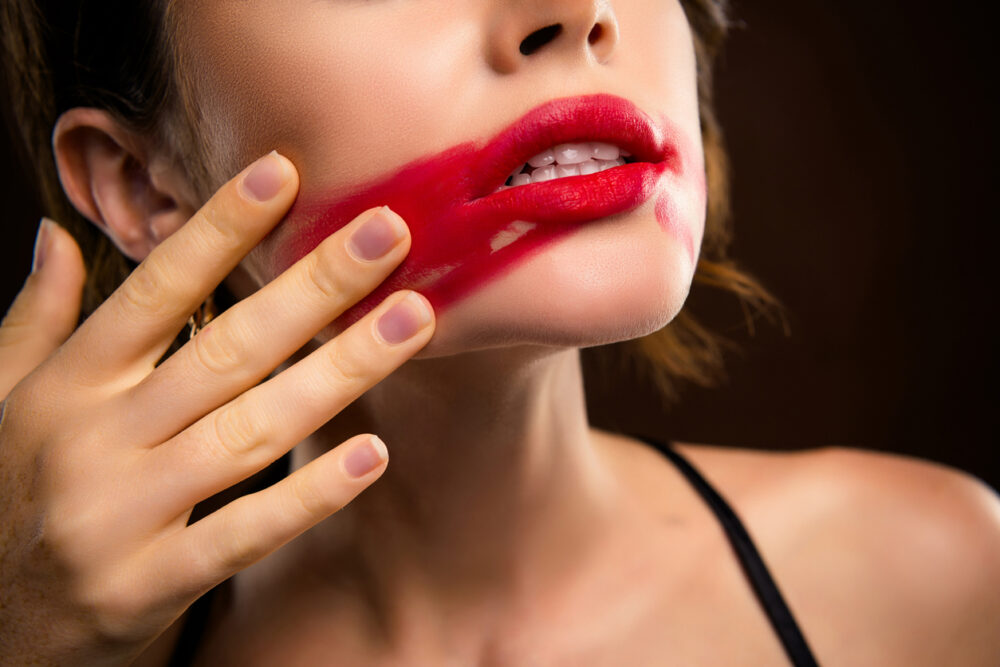
You probably started out just wanting to feel pretty. To fit in, to glow up, to be wanted. But somewhere along the way, it got weirder. The goalposts moved. “Hot” became a moving target. Beauty wasn’t just about attraction—it became about power, protection, survival. It became a language. And a shield.

Now, when you tweak your look, it’s not just about aesthetics. It’s about control. About crafting the version of you that gets taken seriously, feels safe in public, or just looks back in the mirror like she’s got your back. Beauty isn’t shallow. It’s strategic. It’s emotional. And a lot of us are playing a game we never actually agreed to—but we got damn good at bending the rules. These shifts aren’t about vanity. They’re about reclaiming space in a world that taught us to shrink.

Read more

What We Learned as Kids Still Lingers—These 10 Beliefs Never Really Went Away

Even if we know better now, some lessons still live in our bones.

©Image license via iStock

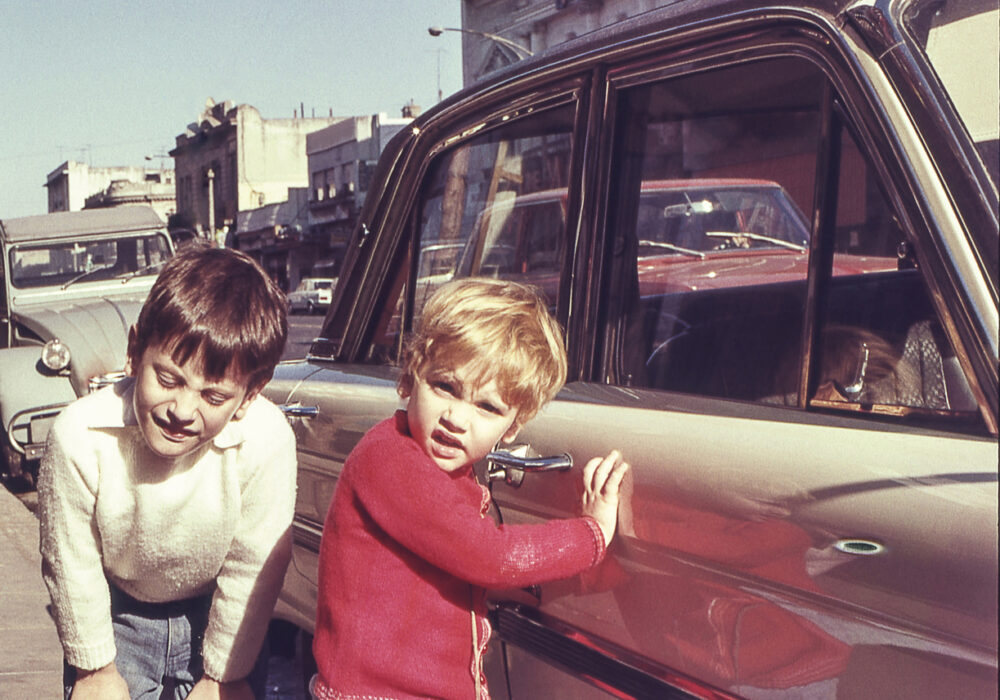
We like to think we outgrow childhood. We change our clothes, our hair, our cities. We set boundaries, go to therapy, learn better language. But beneath all of that, there are still beliefs we picked up when we were small—quiet rules about how to be, how to earn love, how to avoid pain. They weren’t necessarily spoken out loud. Sometimes they came in a look, a sigh, a pattern you didn’t notice until years later.

Even now, as adults who know better, we still move according to those early scripts. We still flinch when we fail. We still over-give when we want to be wanted. We still carry shame for things that were never our fault. These beliefs don’t control us, but they do follow us. And unless we name them, they’ll keep steering the ship from the back of our minds.

Read more

The Worst Polluters Still Have Power—These 11 Policies Prove It’s Not Getting Better

You’re told to recycle—meanwhile, billion-dollar industries keep destroying the planet.

©Image license via iStock

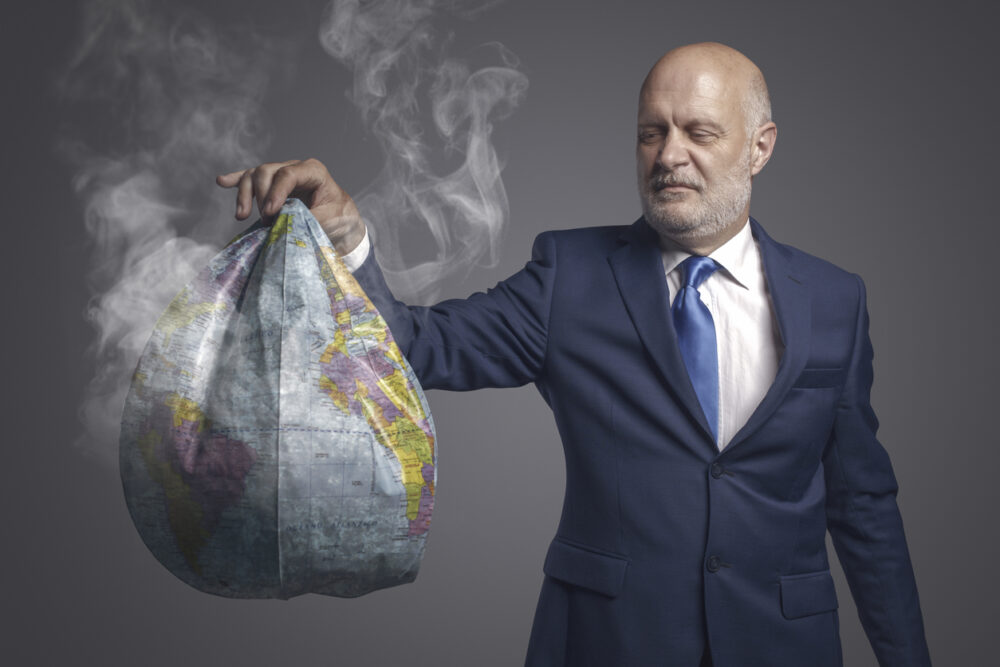
You’ve been told to shorten your showers. Sort your trash. Buy metal straws and carry your tote bags. And while individual choices matter, they’re not what’s keeping the planet in crisis. The truth is, the worst polluters are doing just fine. They’re still drilling, dumping, and burning—backed by governments that claim to care about climate while quietly passing laws that protect those very industries.

This isn’t about ignorance. It’s about influence. The corporations doing the most damage aren’t being reined in—they’re being rewarded. Loopholes, subsidies, and watered-down regulations let them operate with impunity while shifting blame onto everyday people. These 11 policies reveal exactly how the system keeps polluters powerful, and why real change won’t come from the bottom up until the top stops selling out the future.

Read more

These 10 Degrees Were Supposed to Guarantee Security—Now They Can’t Even Cover Rent

They sold it as a smart investment, but now it barely covers groceries.

©Image license via iStock

You did what you were told. Pick a “practical” major, work hard, graduate on time. You sat through required credits and group projects. You racked up debt with the promise that it would all pay off—that a degree meant stability, maybe even comfort. But somewhere along the line, the equation broke.

The job market shifted. The cost of living exploded. And those “safe” majors? Many of them can’t even get you to a living wage, let alone the life you imagined. It’s not that you chose wrong—it’s that the system changed without updating the rules. These ten degrees were marketed as reliable, but for a growing number of people, they’ve become expensive proof that following the formula doesn’t guarantee anything anymore.

Read more

We Called It Clutter, But It Was Grief—Here Are 10 Things We Never Really Meant to Throw Away

Behind every object was a story we weren’t ready to let go of.

©Image license via iStock

At first, it looked like junk. Stacks of old cards. Mismatched mugs. A drawer of tangled jewelry. We told ourselves we were just getting organized—finally cleaning up. But as we filled boxes and made donation piles, a different feeling crept in. Why did letting go feel so heavy? Why did something so small carry so much weight?

Because it wasn’t just stuff. It was connection. It was memory. It was the shape of the people we’ve been, the people we’ve lost, the lives we thought we’d still be living. We thought we were decluttering—but we were mourning, quietly, tenderly, without knowing how to say it out loud. These ten things weren’t meant to go in the trash. They were meant to be witnessed. And maybe held a little longer.

Read more

You Can’t Think Your Way Out of Emotional Pain, So Try These 13 Body-Based Practices Instead

Release doesn’t come from figuring it out—it comes from feeling it through.

©Image license via iStock

You can journal, analyze, talk it to death, and still feel stuck. Emotional pain doesn’t always respond to clarity. Sometimes, the more you try to make sense of it, the deeper you spiral. That’s because emotions aren’t just thoughts—they’re physical experiences. They live in muscle tension, shallow breathing, tight jaws, restless legs. And until your body feels safe, your mind won’t either.

You don’t have to process everything to begin healing. You just have to shift where you’re looking for relief. Body-based practices give your nervous system a chance to exhale. They don’t require insight or perfect awareness. They work because your body is always listening, always adapting, even when your mind is stuck in loops. If talking hasn’t helped or thinking feels like hitting a wall, these practices might crack something open. Not because they force release—but because they meet you where your pain actually lives.

Read more

You Thought Shopping Green Was Enough—Here Are 13 Steps Beyond Consumerism

The planet needs more than reusable bags and bamboo toothbrushes.

©Image license via Canva

Swapping plastic for glass, switching to eco-friendly detergent, buying organic everything—these feel like wins. And they are, to a point. But the system doesn’t change just because someone remembered a tote bag. Green shopping still revolves around constant consumption, and even the most sustainable product requires resources, energy, and waste. It’s less a solution and more a slightly softer version of the same old cycle.

That’s how consumerism keeps evolving—by offering new ways to buy without changing the rules of the game. The real progress doesn’t happen at checkout. It happens when people slow down, opt out, and choose different systems entirely. Shifting from green shopping to green living is less about products and more about priorities. Once you stop looking for better stuff and start looking for better systems, the path becomes a lot clearer.

Read more