Climate Change Could Trigger the Next Pandemic—Scientists Warn Deadlier Diseases Are Emerging

Rising temperatures are turning the planet into a breeding ground for outbreaks we’re not ready for.
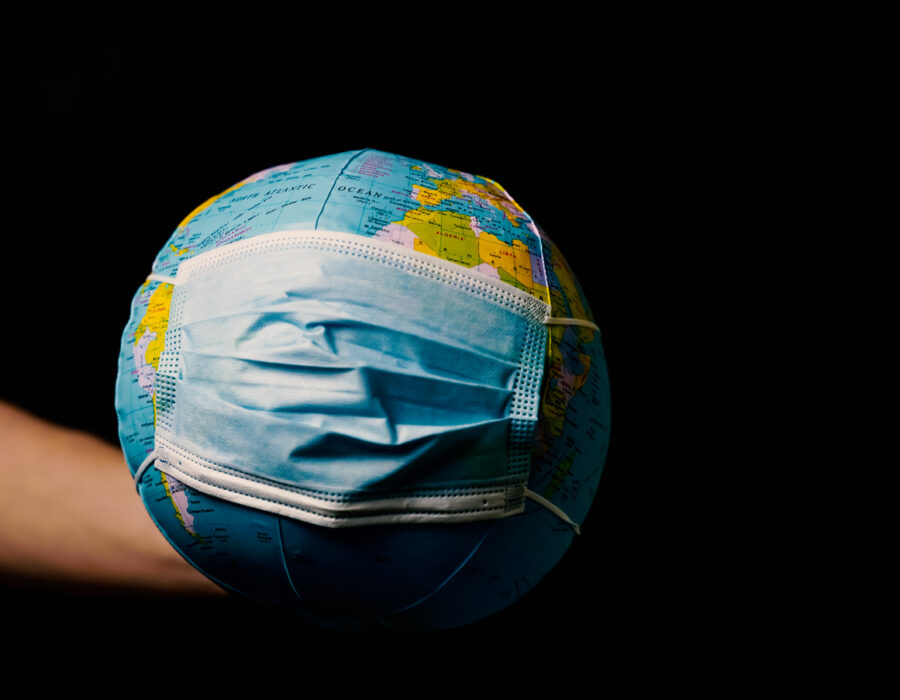
©Image license via iStock

Climate change isn’t just melting glaciers or fueling wildfires—it’s rewriting the rules of survival for every living thing on Earth. As ecosystems shift and collapse, viruses, bacteria, and the species that carry them are moving too. Animals that once lived far apart are now crossing paths. Pathogens are jumping between hosts. And diseases once locked in remote regions are gaining global reach. These aren’t vague predictions for the distant future. They’re unfolding now.

Scientists have been warning for years that rising temperatures could accelerate the emergence of new infectious diseases. But what’s changing isn’t just the climate—it’s the conditions that allow outbreaks to explode. From thawing permafrost to collapsing biodiversity, the ingredients for the next pandemic are already in motion. It won’t take a lab leak or bioterror event. It could take a bat, a mosquito, or a melting stretch of land. These 10 shifts reveal just how fast the threat is evolving.


Read more

11 Planet-Friendly Home Hacks That Actually Make a Difference

Sustainability doesn’t have to mean sacrificing comfort—or your style.

©Image license via Canva

You don’t need to live in a solar-powered yurt or spend thousands on futuristic gadgets to create a green home. Most of us want to reduce our environmental impact, but we assume it has to come with big sacrifices or even bigger price tags. The truth? You can make your home more eco-friendly without losing the warmth, personality, or convenience that makes it feel like yours. Going green doesn’t mean going extreme—it just means making smarter choices with what you already have or plan to build.

The little things matter more than you think. From the way your home uses energy to the materials hiding behind your walls, your everyday environment either helps the planet or quietly hurts it. But when you set your space up right, sustainability becomes effortless. These 11 home hacks make a real difference—and they won’t make your place feel like a science experiment.

Read more

12 Genius Decluttering Hacks That Clear Your Space and Your Head

When your surroundings calm down, your mind finally can too.

©Image license via Canva

Clutter doesn’t just crowd your closet—it crowds your brain. Every pile, every junk drawer, every “I’ll deal with it later” item weighs you down in ways you don’t even realize until it’s gone. A messy space creates mental noise, decision fatigue, and a low-key sense of failure that follows you around. But here’s the good news: you don’t need to become a minimalist monk to feel better. You just need a plan that works.

Decluttering isn’t about getting rid of everything. It’s about making room for what actually supports your life, not drags it down. When your environment feels lighter, your mind does too. It’s not magic—it’s momentum. The more you let go, the easier it gets. Whether you’re buried under laundry, drowning in digital files, or just sick of the chaos, these hacks will help you breathe again—without burning your life to the ground.

Read more

10 Products You Don’t Actually Need (But Capitalism Made You Buy Anyway)

They’re flashy, unnecessary, and designed to make you feel incomplete without them.

©Image license via Canva

We’ve all been there. You scroll past an ad, see a “must-have” product with glowing reviews and aesthetic packaging, and suddenly it feels like something’s missing from your life. Before you know it, it’s at your door, promising to make you happier, healthier, hotter, or more productive. But give it a few weeks—and it ends up in the back of a drawer with all the other regret purchases. This isn’t just bad luck. It’s strategy. Capitalism is built on the idea that you’re not enough without just one more thing.

These products aren’t evil. But they’re designed to solve problems you didn’t actually have—until marketing convinced you otherwise. The goal isn’t satisfaction. It’s endless desire. Once you spot the pattern, it’s easier to break the spell. You might be surprised how many of your purchases were never really your idea to begin with.

Read more

The Internet Stole Boredom—11 Quiet Pleasures That Disappeared With It

Idle moments made space for wonder, but the scroll took those too.

©Image license via iStock

There used to be entire pockets of the day when nothing happened—and they weren’t something to dread. They were where imagination lived. You stared out the car window and made up stories. You let your mind drift while waiting in line. You sat on the porch with no agenda, just air and time. But those little spaces got filled. Notifications, videos, endless feeds. The quiet gaps were replaced with noise, distraction, and algorithms that never sleep.

It wasn’t just boredom we lost—it was the gentle rhythm that came with it. The space to think a thought all the way through. The slow build of anticipation. The way rest used to feel like rest instead of guilt. Now, we reach for stimulation without even noticing. The phone’s already in our hand. The scroll starts before we realize we’re searching for something. These lost pleasures didn’t vanish all at once. They faded out quietly—one tap at a time.

Read more

You Can’t Hear the Forest Anymore—10 Subtle Losses That No One’s Grieving

The world is thinning out and we’re too distracted to care.

©Image license via iStock

You don’t always notice when something disappears. Especially when it goes quietly. No breaking news. No viral footage. Just a little less birdsong in the morning. A patch of wildflowers that doesn’t come back. That certain smell in the air after rain—gone without fanfare. These aren’t headline-grabbing extinctions or massive disasters. They’re the softer unravelings. The quiet subtractions from daily life that feel too small to mourn but too important to ignore.

We’re told to worry about the big picture—carbon emissions, rising seas, wildfire seasons that never end. But while our attention is pulled to the spectacular, the ordinary world is dissolving right under our feet. The losses are subtle, sensory, almost invisible. And that’s what makes them so dangerous. By the time we realize what we’ve lost, we’ve already adapted to the absence. The forest isn’t silent yet—but it’s quieter than it should be. And the silence is spreading.

Read more

Stop Following These 12 Budget Tips—They’re Tricking You Into Staying Broke

These hacks promise to help, but they’re really teaching you how to settle for less.

©Image license via iStock

Every time you scroll past a “money-saving hack,” it feels like someone’s handing you a flashlight in a blackout. But then you try it—and somehow, you’re still in the dark. A lot of popular budget advice sounds smart on the surface. Cook at home. Cut subscriptions. Freeze your credit cards in a block of ice. What gets lost in the glow of these hacks is that most of them aren’t built for real economic survival. They’re designed to distract you from how rigged the system actually is.

These tips weren’t made for an era of skyrocketing rents, cratered wages, and impossible medical bills. They’re relics of a world where cutting back felt empowering instead of humiliating. And they work best when your only goal is to survive, not thrive. It’s time to stop mistaking deprivation for discipline—and start questioning who benefits when you’re told to settle for less.

Read more

What If We Actually Win? 11 Ways the Climate Fight Could Pay Off

A livable planet isn’t a fantasy—it’s what we get if we act fast.

©Image license via Canva

It’s exhausting to constantly hear how we’re running out of time. Every day, it feels like the world is sliding further into chaos—floods, fires, heatwaves, repeat. But what if we flipped the script for a second? What if we actually did it? What if the world got serious, followed the science, and took action that worked? It’s not a pipe dream—it’s a real possibility. And the benefits aren’t just “less bad stuff.” They’re actually pretty incredible.

We’re talking healthier bodies, safer communities, better food, and more connection to the world around us. It’s not just about cutting emissions. It’s about building a life we actually want to live. There’s a version of the future that isn’t just bearable—it’s better. So let’s imagine that version for a minute. Here’s what winning the climate fight could actually look like.

Read more

Prehistoric Predators So Terrifying, You’ll Be Glad They’re Extinct

If these monsters still roamed the Earth, we wouldn’t stand a chance.

©Image license via Canva

Imagine living in a world where stepping outside meant taking your chances with creatures bigger, faster, and meaner than anything alive today. Prehistoric Earth wasn’t just dangerous—it was a full-on nightmare factory. Everywhere you turned, there were predators designed by millions of years of evolution to hunt, kill, and dominate. Survival wasn’t about being strong or smart; it was about not ending up on the menu. We think sharks, lions, and crocodiles are scary now, but they don’t even scratch the surface compared to what once roamed this planet.

Some of these ancient beasts had teeth longer than your forearm, armor thick enough to shrug off attacks, and instincts so sharp that even a split-second mistake meant certain death. It’s almost unbelievable how intense life used to be. Honestly, it’s a miracle anything survived long enough for humans to even show up. One thing’s for sure—you’ll be glad these monsters are long gone.

Read more

How Capitalism Hijacks Self-Care—10 Proofs It’s Selling You Stress Relief It Causes

The same system burning you out is making billions pretending to fix it.

©Image license via Canva

Self-care used to mean something simple—resting when you’re tired, saying no when you need to, doing things that nourish instead of deplete you. It’s a billion-dollar industry selling $80 jade rollers, productivity planners, and stress-relief subscriptions you barely use. The wild part? Most of what drives that need for self-care—burnout, pressure, overwork—comes from the same system that’s cashing in on your exhaustion.

Capitalism doesn’t want you healed. It wants you almost okay, just functional enough to keep spending. It sells the problem, then markets the solution back to you in the form of scented candles, dopamine detoxes, and time-blocking hacks. This isn’t about demonizing every product—it’s about seeing the cycle. If you’ve ever felt like no amount of “treating yourself” actually helps, this is why. These ten signs show exactly how self-care stopped being healing—and started being another hustle.

Read more