Is Being Triggered and Reactive Your Default? These 13 Habits Will Rewire You

If you’re tired of losing it over everything, these habits will save your sanity.

©Image license via iStock

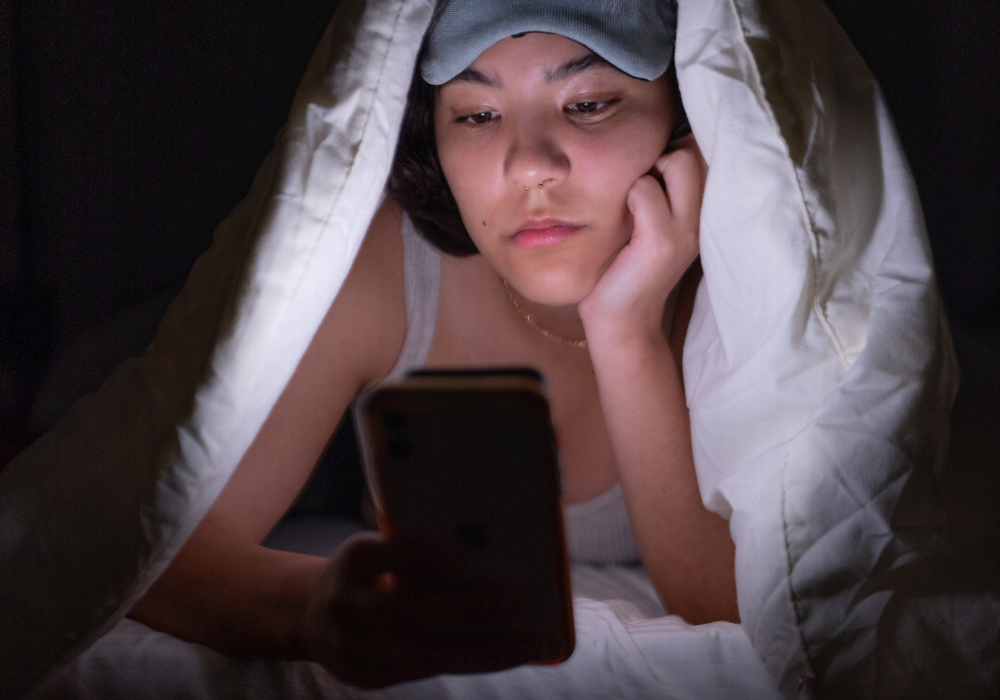
Are you sick of feeling like your emotions are running the show? One second you’re fine, and the next, you’re snapping, spiraling, or shutting down—and afterward, you’re left wondering what the heck just happened. It’s exhausting, right? You probably tell yourself to calm down or not take things so personally, but that advice usually flies out the window the moment someone presses your buttons.

The truth is, constantly being triggered and reactive doesn’t make you a bad person—it just means your nervous system is on high alert, and you haven’t learned how to dial it down. The good news? You can change that. You can retrain your mind and body to respond instead of react. It takes some awareness, a little patience, and the willingness to do things differently—but it’s absolutely doable. And once you start rewiring these patterns, life gets a whole lot calmer, saner, and more in your control.

Read more

We Thought We Were Saving Them—But These 12 “Conservation” Tactics Backfired

These well-meaning efforts ended up doing more harm than good.

©Image license via Canva

Conservation is supposed to be the fix. The course correction. The thing we do when we realize nature can’t recover without help. But sometimes, those well-meaning fixes have unintended consequences—big ones. Over the past few decades, governments, nonprofits, and scientists have launched conservation campaigns meant to protect species and restore balance. But not all of them worked the way we hoped. In some cases, they caused more damage than the problem they were meant to solve.

That doesn’t mean conservation is bad—it means it’s complicated. Ecosystems are delicate, interconnected, and often unpredictable. What works in one region might collapse in another. And sometimes, the very idea of “saving” a species overlooks the deeper issues driving decline in the first place. These first six examples show how good intentions don’t always lead to good outcomes—and why the planet needs more humility, not just more heroics.

Read more

Decluttering? Don’t Dare Toss These 11 Things—You’ll Regret It Big Time

These sneaky items seem disposable—until you desperately need them back.

©Image license via Canva

You’re about to toss something you’ll end up seriously regretting—and you won’t even realize it until it’s way too late. Decluttering feels amazing in the moment, right? You’re clearing space, taking control, and finally getting rid of all that extra stuff. But in your excitement to create a clean slate, it’s easy to go a little too far. You start throwing things out just to keep the momentum going, and suddenly, you’ve ditched something that actually mattered.

Maybe it held a memory. Maybe it had hidden value. Maybe it was just way more useful than you thought. But once it’s gone, it’s gone. You can’t exactly walk it back once the donation truck pulls away or the trash gets hauled off. Before you go full Marie Kondo on everything you own, take a beat. Some things deserve a second look—and saving them might just save you a whole lot of regret.

Read more

11 Dirty Lies Fossil Fuel Lobbyists Have Been Spinning for Decades

Here’s how fossil fuel giants manipulated the truth to protect profits.

©Image license via iStock

They’ve been lying to you—and making billions while they do it. You’ve probably heard the polished ads and smooth-talking spokespeople promising a cleaner future, all while clinging to the same dirty business. It’s no accident that so many people still think fossil fuels are safe, necessary, or somehow eco-friendly. That kind of thinking doesn’t just happen—it’s carefully crafted and spoon-fed to you by powerful lobbyists with deep pockets and zero shame. These aren’t harmless misunderstandings or innocent PR spins.

They’re calculated deceptions designed to delay progress and protect profits, even if it means wrecking the planet for future generations. You’ve been targeted with misinformation for decades, and it’s time to start calling it out. If you’ve ever felt unsure about what’s really going on behind those oil company smiles, you’re not alone. You’ve been misled—and the truth is more disturbing than you probably realize. Let’s set the record straight.

Read more

Stop Wasting Money on “Natural” Cleaning Products—These 11 Everyday Items Work Even Better

Put your wallet away and just raid your own shelves.

©Image license via Canva

You don’t need a basket full of expensive, “non-toxic” sprays to clean sustainably. A lot of what you already own—maybe stuff collecting dust in a cabinet—can work just as well, without the mystery chemicals or plastic packaging. Whether it’s something from your pantry, medicine cabinet, or fridge, odds are you’ve got a few multi-tasking items that can tackle grime, cut grease, or disinfect naturally.

Eco-friendly cleaning doesn’t have to mean spending more—it can start with spending nothing. You’re not just saving money by using what you’ve already got; you’re keeping synthetic cleaners out of waterways, plastic out of landfills, and fumes out of your home. These first five items aren’t just clever hacks—they’re reminders that sustainability can be simple, practical, and surprisingly satisfying. If it’s sitting in your kitchen or bathroom already, it might be all you need to get started.

Read more

Social Media Promised Connection—But These 11 Patterns Say It’s About Control

You’re not scrolling by choice—you’re reacting by design.

©Image license via Canva

You probably joined social media to stay in touch, share your life, and feel more connected. That’s the story we were all sold. But somewhere along the way, it stopped being about community and started feeling more like a trap. The likes, the alerts, the endless scroll—it’s all designed to keep you hooked, not happy. What looks like freedom is often just cleverly disguised manipulation.

Algorithms curate your worldview. Notifications hijack your focus. And every “like” trains your brain to want more, even when it leaves you feeling emptier. This isn’t about staying in touch—it’s about staying online. Social media platforms don’t make money when you feel good. They profit when you stay stuck. If something about your feed feels off lately, you’re not imagining it. These patterns show how connection became control—and why escaping it might take more than just deleting an app.

Read more

You Thought You Were Shopping Sustainably—But These 10 “Green” Brands Say Otherwise

They talk eco-friendly, but their supply chains tell a dirtier story.

©Image license via Canva

It’s easy to feel good when you toss something labeled “eco” into your cart. Compostable packaging, earthy color schemes, and vague claims like “made responsibly” are designed to make you feel like you’re saving the planet with every purchase. But dig a little deeper and you’ll find that a lot of these so-called green brands are just really good at marketing—not actual sustainability.

From fast fashion giants with “conscious collections” to cleaning products that hide toxins behind plant logos, the industry knows how to talk the talk without walking it. And while no one expects perfection, pretending to be ethical while cutting corners behind the scenes is its own kind of harm. If you’ve been trying to shop better, you deserve to know which companies are faking it. Greenwashing isn’t just misleading—it’s profitable. And some of your favorite brands are cashing in on your good intentions.

Read more

12 Things in Your Medicine Cabinet That Harm the Environment When Tossed

These everyday items turn toxic the second they hit the trash.

©Image license via Canva

Most of us don’t think twice about what we toss from the medicine cabinet. Expired pills? Gone. Half-used creams? Into the bin. But behind those quick tosses is a much bigger problem—one that’s quietly poisoning our water, soil, and even wildlife. Medications and personal care products aren’t like food waste or paper scraps. They don’t break down the same way, and they weren’t made with the environment in mind.

When these items end up in landfills or flushed down the drain, they don’t just disappear. Trace chemicals linger, leach, and sometimes bioaccumulate in fish, plants, and even our own drinking water. It’s not just about being wasteful—it’s about creating invisible harm in places you never meant to. You don’t need to overhaul your whole routine to make a difference. But knowing what not to toss in the trash is a good place to start.

Read more

Everyone Wants to Live to 100—Until They Learn These 12 Creepy Truths

Living to 100 isn’t the dream you think it is once you hear these disturbing facts.

©Image license via Canva

So, you think you want to live to 100? You might want to sit down for this. Sure, the idea sounds magical—more birthdays, more memories, more time to check off that bucket list. But what no one really talks about is what it actually means to hang around that long. It’s easy to romanticize old age when you’re still relatively young, spry, and dreaming about centenarian bragging rights. But once you peek behind the curtain, the shiny appeal starts to fade fast. You assume it’ll just be you, wiser and wrinklier, still enjoying life—but the reality might be a whole different story.

Don’t worry, this isn’t some gloom-and-doom lecture. It’s more of a heads-up. If you’ve ever said, “I hope I live to be 100,” you’re not alone. But by the time you reach the end of this article, you might be rethinking that wish entirely.

Read more

Are We Too Stupid to Stop Climate Change? 11 Worrying Signs We Might Be

The planet’s on fire, and we’re arguing about plastic straws.

©Image license via Canva

We’ve known about climate change for decades. The science has been clear, the warnings have been loud, and the solutions aren’t a mystery. And yet—here we are. Record heat. Flash floods. Burning forests. Vanishing coastlines. Instead of coordinated global action, we get lukewarm pledges and trend-based distractions. Instead of rethinking entire systems, we argue over whose individual habits are worse.

This isn’t just a policy failure—it’s a cognitive one. We’re not processing the urgency, not updating our behavior, and not facing reality with the seriousness it demands. It’s not that we’re incapable of fixing this—we just might be too distracted, too fragmented, or too afraid to do what needs to be done. Every warning light is flashing, and we’re still pretending this is optional. These first five signs show just how disconnected our brains, behaviors, and priorities have become from the scale of the crisis we’re living through.

Read more