Decision Fatigue Isn’t Just Annoying—Here Are 10 Ways It’s Wrecking Your Life

Little decisions are piling up, and they’re quietly running your life.

©Image license via Canva

Modern life demands constant choices—small ones, fast ones, endless ones. Every scroll, reply, and click adds another item to your brain’s invisible to-do list. Decision fatigue creeps in quietly, draining energy and making each task feel heavier than it should. It doesn’t show up all at once. It builds. Slowly, consistently, and often unnoticed until you’re knee-deep in indecision over something as simple as what to eat for lunch.

It’s not about being disorganized or bad at adulting. It’s about having too many mental tabs open with no time to reset. This kind of mental wear-and-tear isn’t loud—it’s subtle, and that’s what makes it dangerous. Choices that used to be automatic start feeling like brick walls. Momentum disappears. And before long, your entire day feels like wading through mud. That slow drag on your focus, mood, and motivation has a name—and it’s worth noticing.
Read more

11 Ways Superstorms Are Becoming the New Normal (And What It Means for You)

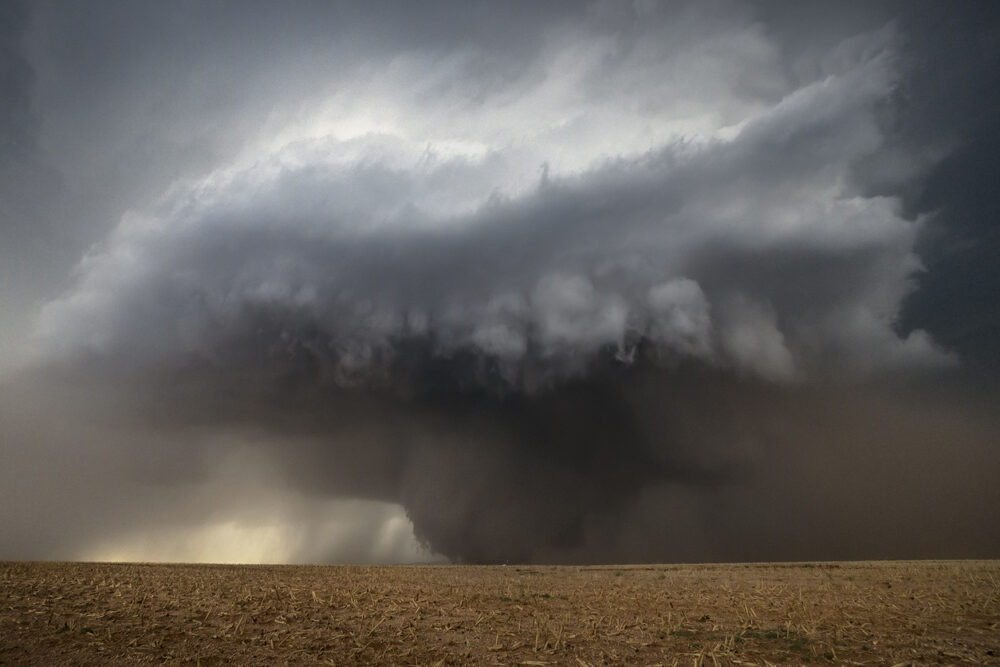
What used to be a once-in-a-century storm now hits every few years.

We©Image license via iStock

You used to watch hurricane footage on the news and think, “Wow, glad that’s not happening here.” But now? It’s knocking on your door—or flooding your basement. Superstorms have stopped feeling like freak events and started acting like seasonal visitors. And they don’t just pass through with a little wind and rain anymore. They linger, they level, and they leave entire regions scrambling to recover. It’s not just the coastal towns getting pummeled, either. Inland cities, suburbs, farmland—they’re all in the splash zone now. And when you add in hotter oceans, melting ice, and wilder jet streams, it’s clear something’s seriously out of whack.

You’re not just dealing with a bad storm—you’re watching the definition of “normal” shift right under your feet. It’s unsettling. It’s exhausting. And if you haven’t already felt the impact, chances are you will. Because this isn’t just climate change. It’s a full-blown wake-up call.

Read more

13 Everyday Things Americans Do That Are Killing Our Water Supply

You could be wrecking the planet’s water—and not even know it.

©Image license via iStock

You might think you’re just going about your normal day—showering, doing laundry, grabbing takeout—but some of those “normal” habits are helping drain one of our most precious resources. Water might seem infinite when it’s pouring from your tap or filling your washing machine, but the truth is way more alarming. America uses more water per person than almost any other country, and much of that usage is completely unnecessary—or worse, wildly wasteful.

The scariest part? You probably don’t even realize it’s happening. That’s how sneaky this problem is. It’s woven into convenience, comfort, and “the way things have always been done.” But that mindset is exactly what’s pushing lakes, rivers, and aquifers toward disaster. And once they’re gone, they’re not coming back in a hurry. If you care at all about clean water in your future—or for the people who come after you—it might be time to rethink the small stuff. Because it all adds up.

Read more

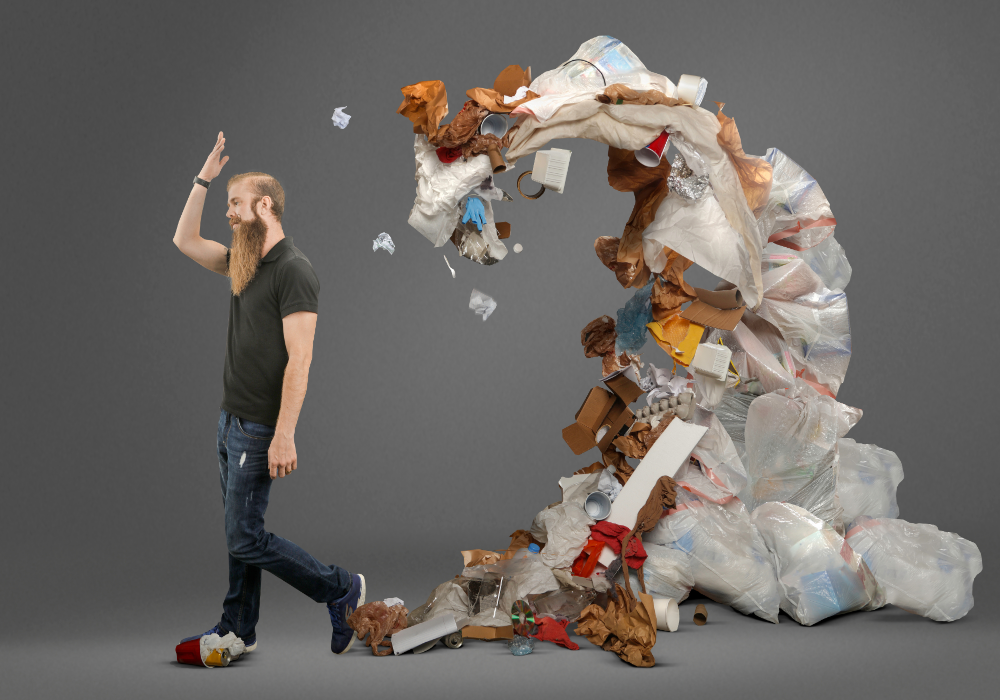
You Can’t Compost Your Way Out of These 11 Wasteful Habits

Cutting waste means changing habits—not just swapping bins.

©Image license via Canva

Composting feels like an eco badge of honor. Toss your scraps in the right bin, and suddenly your impact shrinks—right? Not exactly. Composting is great, but it’s not a get-out-of-trash-free card. A lot of waste happens before anything reaches the bin. From how we shop to what we use once and toss, waste is often baked into our routines long before it turns into a peel or wrapper.

The problem isn’t just the final destination of your waste—it’s the systems that produce it and the habits that reinforce it. Composting can’t undo the plastic that came with your produce, the food you forgot in the fridge, or the packaging-heavy impulse buy. It’s a useful tool, but only one piece of the puzzle. If we want to actually reduce waste, we have to start upstream—before we even think about the bin. These habits reveal where composting just isn’t enough on its own.

Read more

Think the Covid Lockdowns Helped the Planet? These 10 Facts Say Otherwise

You stayed home, but the climate crisis kept charging forward.

©Image license via iStock

You probably thought Earth finally caught a break. Planes were grounded, roads were empty, factories slowed to a crawl—and for a moment, it felt like the planet could finally breathe. Photos of crystal-clear canals and smog-free city skylines made the rounds, and it seemed like something good might come out of all that stillness. You weren’t the only one hoping that nature was quietly healing while the world hit pause. But that feel-good narrative you bought into? It left out some seriously inconvenient truths. Because behind the headlines and pretty pictures, deeper problems were quietly compounding.

The systems that drive pollution and climate breakdown didn’t stop—they just adapted. You might’ve felt like your absence from the world helped it, but what happened behind the scenes paints a totally different picture. Turns out, pressing pause isn’t the same as hitting rewind. If you’re still clinging to the idea that lockdowns gave the environment a boost, it’s time for a closer look.

Read more

Your Data Isn’t Private—These 10 Platforms Are Profiting Off Your Routine

The platforms you rely on most are cashing in behind your back.

©Image license via Canva

You don’t have to share your secrets online—your habits already did that for you. Every app you open, every notification you swipe, every scroll, pause, and tap is tracked. And not just to “improve user experience.” It’s packaged, sold, and repurposed to predict what you’ll do next—and how to make money off it. That includes the platforms you trust the most.

This isn’t about obscure spyware or sketchy data breaches. It’s about the apps baked into your daily life—maps, calendars, smart home devices, fitness trackers. They watch what time you wake up, where you drive, how you sleep, and even when you seem stressed. Then they sell that insight. Not just to advertisers, but to insurers, brokers, and political firms.

Convenience always comes with a cost. And in this case, it’s you—your preferences, your behaviors, your attention. The trade-off might seem worth it, but it’s still a trade. And most people don’t realize how deep that exchange goes.

Read more

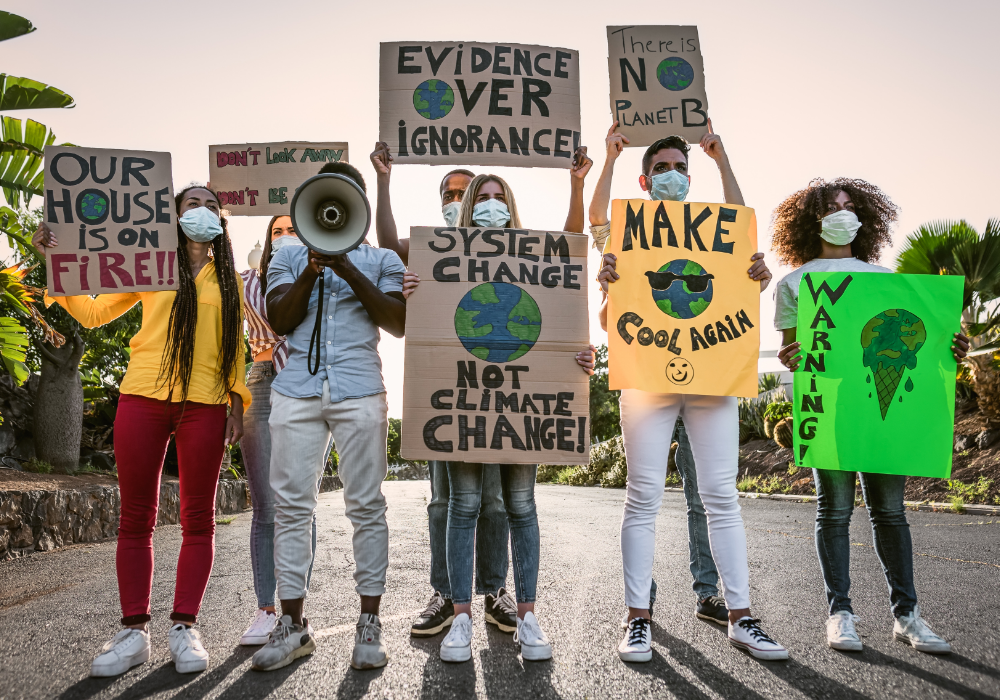
When the Fire Comes, They’ll Blame the Activists—10 Ways That’s Already True

Climate villains are pointing fingers at the very people trying to help.

©Image license via Canva

Every time the planet pushes back—floods, fires, heatwaves—the same people who helped cause it all somehow avoid the blame. Instead, fingers point toward the protestors, the scientists, the kids skipping school with cardboard signs. Climate activists are sounding the alarm, and somehow, they’re the ones catching the heat. It’s not just unfair—it’s calculated.

Painting activists as extremists or criminals distracts from the real culprits: fossil fuel giants, complicit politicians, and the industries profiting from destruction. And while these activists are getting arrested, sued, or discredited, the world keeps warming. The smoke gets thicker, the storms get worse, and the narrative gets twisted: the problem isn’t the collapse—it’s the people daring to talk about it. That’s how blame works in a system built to protect power, not people. And if this keeps up, when the fire does come, the ones who tried to stop it will be the first ones silenced.

Read more

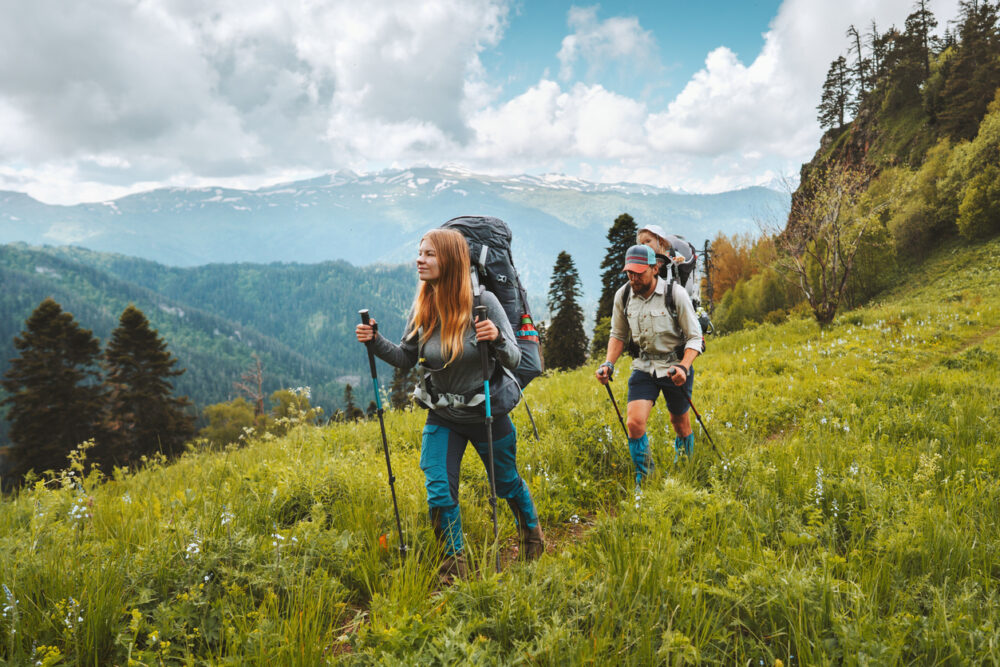
How to Travel Without Trashing the Planet—13 Rules Smart Tourists Follow

If your wanderlust has a conscience, follow these golden rules.

©Image license via iStock

You probably don’t think of your passport as a pollution pass, but every trip you take leaves a trail. It’s not just the flight emissions or the plastic water bottles—it’s the choices you make every step of the way. The good news? You’ve got way more power than you think to shift the impact. The travel industry is a giant, but it bends to demand. And when enough travelers say, “We want better,” better starts happening. The catch is, most people don’t know where to start. You book the trip, pack the bags, and suddenly it feels like being eco-friendly is a luxury, not a baseline.

But you don’t need to be perfect. You just need to be aware. That’s the real game-changer. If you’ve ever come home from a trip thinking, “That was amazing, but I feel a little gross about the footprint I left,” you’re not alone. There’s a smarter way to explore—and it doesn’t kill the vibe.

Read more

We Called It Minimalism—These 10 Decluttering Habits Were Just Avoidance in Disguise

Turns out, throwing things away won’t throw away your feelings.

©Image license via Canva

Minimalism felt like a breath of fresh air at first. Clean counters. Empty closets. White walls and matching bins and the kind of peace that looked great on Instagram. But somewhere along the way, the less-is-more mindset turned into a way to dodge what we didn’t want to deal with. We weren’t just getting rid of clutter—we were trying to outrun chaos, grief, control issues, and everything in between.

Decluttering can be healing, sure. But it can also become a coping mechanism in disguise. When we toss things out, we get a rush of control. A sense that life is manageable. But sometimes, we’re just burying emotions beneath the aesthetic. These habits might look productive, even admirable. But when we really zoom out, they start to look like emotional shortcuts. Here are 10 decluttering behaviors that had way less to do with stuff—and way more to do with avoidance.

Read more

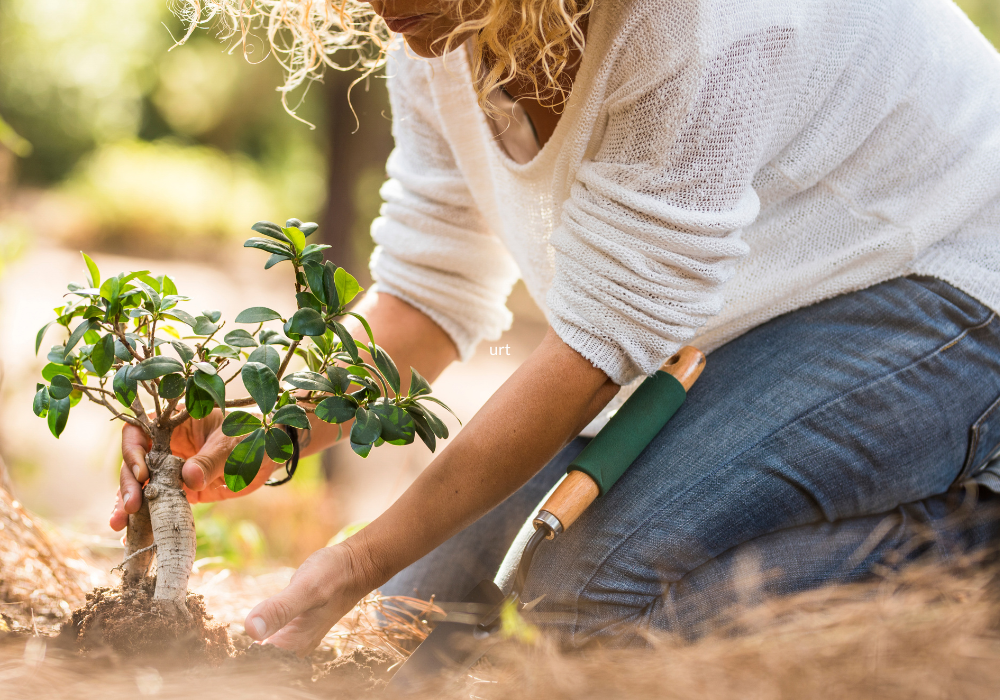
Feeling Helpless About Climate Change? These 11 Acts of Stewardship Actually Work

Small choices you make today could literally shape the planet your grandkids inherit.

©Image license via Canva

You might feel like nothing you do can stop the planet from burning—but that’s not true. If you’ve been carrying around a quiet sense of dread every time another climate headline flashes across your screen, you’re not alone. It’s overwhelming, right? The wildfires, the floods, the record-breaking heat—it’s enough to make you want to crawl under the covers and binge old sitcoms. But that helpless feeling?

It’s not the whole story. You actually have more power than you think. You don’t need a degree in environmental science or a compost bin the size of your SUV to start making a difference. The truth is, your daily choices—some tiny, some bold—add up to real impact when it comes to caring for this earth we all share. So if you’re tired of feeling like you’re just along for the ride, it might be time to reclaim your role as a steward of the planet.

Read more