The Climate-Friendly Travel Guide—12 Swaps to Lower Your Footprint

You’ll still get the views, just without trashing the planet to get there.

©Image license via Canva

Travel is one of life’s greatest joys—and one of the hardest things to do sustainably. Flights burn fuel, resorts waste resources, and all those tiny convenience purchases add up fast. But that doesn’t mean you need to give up exploring new places. It just means rethinking how you move through them. From your luggage to your lodging, there are small decisions that make a big impact.

You don’t have to be perfect. You just have to stop defaulting to wasteful habits. Some of the most effective climate-conscious swaps aren’t even expensive—they just take a little more intention. Reusables instead of single-use. Local stays instead of massive hotel chains. Slow travel instead of chaotic checklists. It’s not about doing everything right—it’s about not ignoring the footprint you’re leaving behind while chasing the next great view.

Read more

If Life Feels Flat and Empty, These 10 Sensory Practices Will Help You Feel Again

You’re not broken—you’re just disconnected from your senses.

©Image license via Canva

When everything feels numb, no to-do list, productivity hack, or self-help quote hits quite right. You’re going through the motions, but it’s like you’re watching your own life from outside your body. That’s not laziness or apathy—it’s disconnection. Stress, grief, burnout, and even just modern life have a way of dulling the senses, turning everything into background noise. And once you stop feeling, even joy starts to feel like a memory.

But your body remembers. Before language, before thought, you were made to sense and feel. And reconnecting doesn’t have to be big or dramatic. It can be as small as holding something warm in your hands or noticing how a song moves through your chest. These practices are simple, accessible, and built to wake you up—gently. Not to fix you, but to remind you that you’re still here. And yes, you can feel good again.

Read more

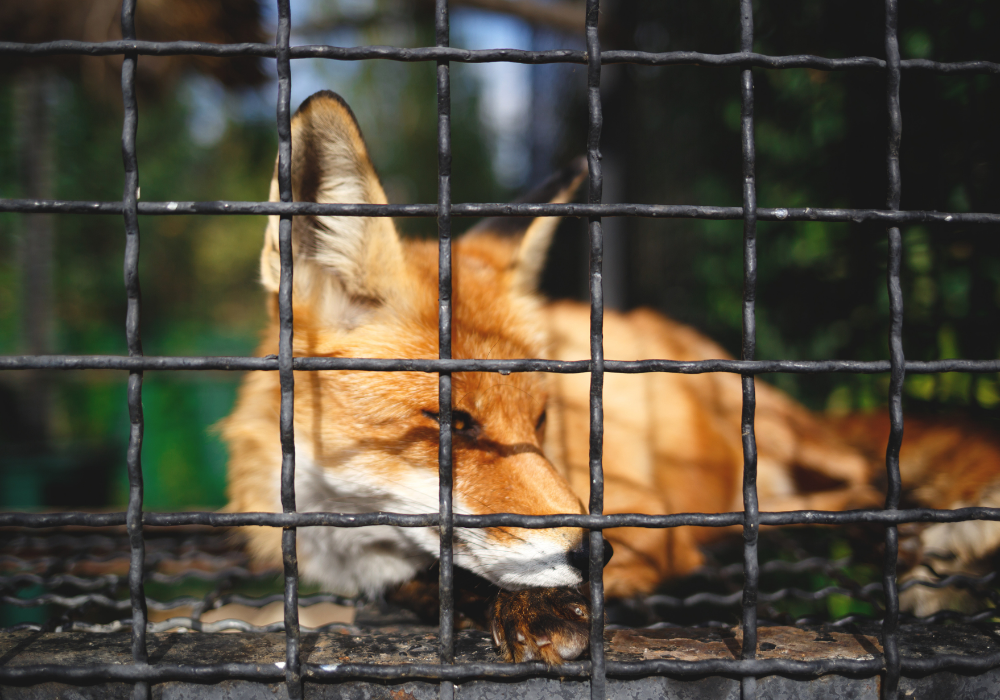
You Call It Wildlife Management—But These 10 Policies Quietly Erase Entire Species

These rules protect industries, not the animals they claim to help.

©Image license via Canva

You’ve probably seen the glossy brochures: smiling rangers, healthy herds, and words like balance and stewardship stamped over sweeping landscapes. It feels reassuring, right? The idea that someone, somewhere, has a master plan for keeping wildlife safe means you can hike, camp, or scroll past another cute animal video without guilt. Unfortunately, the reality on the ground is messier—and far less compassionate—than the marketing copy suggests.

Because when officials talk about “management,” they often mean numbers on a spreadsheet, not living, breathing ecosystems. Policies get mass-aged to favor ranchers, loggers, and trophy hunters, while the species themselves become collateral damage hidden behind bureaucratic language. No angry alarms, no dramatic headlines—just quiet, incremental loss. If that makes you uneasy, good. It means you still care. Here are ten management strategies that promise protection but end up signing extinction notices instead.

Read more

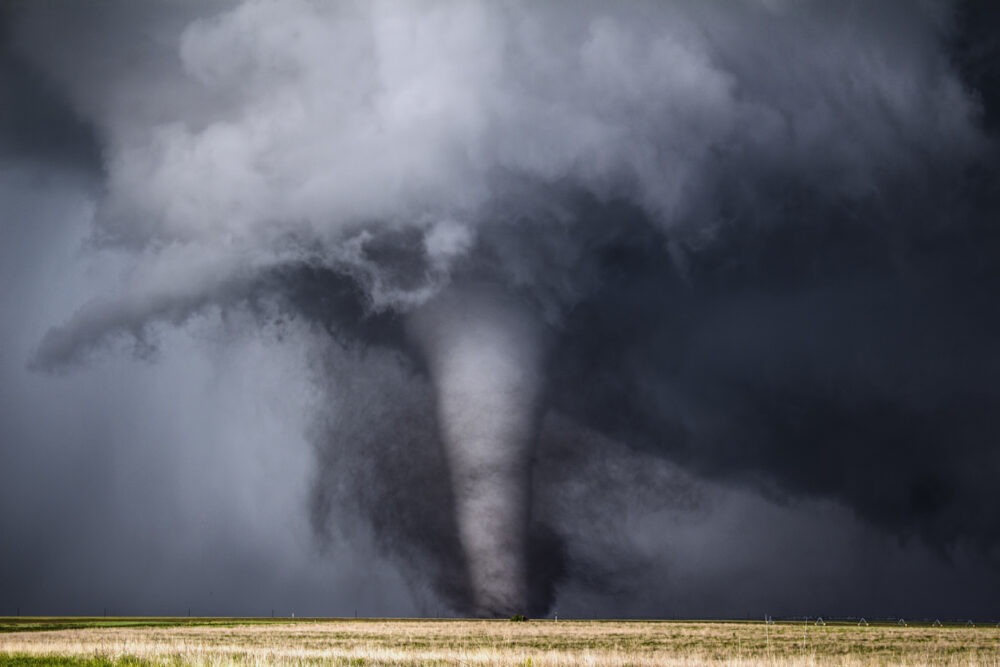
Tornado Alley Is Moving—10 Shocking Places Now in the Danger Zone

Scientists just redrew the tornado map—and your hometown might be in the bullseye.

©Image license via iStock

You might want to rethink where you call “safe.” If you grew up thinking tornadoes only tore through flat stretches of Oklahoma or Kansas, brace yourself—because that’s not the case anymore. Tornado Alley isn’t staying put. It’s on the move, and the new path it’s cutting is catching a lot of people off guard. We’re talking about places that never saw a twister in decades now watching funnel clouds roll through like it’s nothing new. You may have even seen those viral videos popping up lately—violent storms dropping out of calm skies in towns you’d never expect. It’s not just your imagination.

Scientists and storm chasers are raising the alarm, and the data backs them up. The shift is already underway, and the storms are hitting harder and faster. If you think tornado season doesn’t apply to you because of your zip code, you might be in for a rude awakening. This change is real, and it’s reshaping what we all thought we knew about where these monster storms strike.

Read more

People Who Escape Loneliness Often Start with These 11 Small Shifts

Experts say these tiny changes can completely shift your social life.

©Image license via iStock

You don’t talk about it much, but you feel it—like a low-grade ache that shows up in quiet moments. Loneliness has a sneaky way of creeping in, even when you’re surrounded by people or staying “busy.” It’s not always dramatic. Sometimes it’s just the realization that no one really knows what’s going on in your head—or worse, that no one has even asked in a while. And the longer it lingers, the heavier it feels, like you’re slowly drifting from the rest of the world without knowing how to paddle back.

You might even start believing this is just how life is now. But it doesn’t have to be. A full social reset isn’t what most people need. Sometimes, it’s just a few tiny course corrections—small, deliberate shifts in the way you move through your day. They might not look like much at first, but over time, they start to open doors—and suddenly, connection doesn’t feel so out of reach anymore.

Read more

Stop the Drip Drama—These 11 Habits Are Drowning Your Water Bill

It’s not your showers—these habits are draining way more than you think.

©Image license via Canva

You probably think you’re doing okay on the water front. Short showers? Check. No sprinklers? Check. Maybe you even brag about your low-flow toilet. But the real water wasters aren’t always the obvious ones. They hide in plain sight—in habits so routine you don’t even question them. And while they may seem small, they add up to gallons lost, money wasted, and a whole lot of unnecessary strain on a resource we’re running out of.

This isn’t about living like a desert monk. It’s about noticing the little things that are quietly draining your wallet while pretending to be harmless. You don’t need to overhaul your life or sacrifice hygiene—just get smarter about the sneaky places water slips away. Here are 11 surprisingly common habits that waste more water than you’d ever expect—and how to stop the silent leak before your next bill makes you choke.

Read more

12 Devastating Signs We’re Not Heading for Collapse—We’re Living It

The systems meant to protect us are now the ones unraveling around us.

©Image license via Canva

We used to talk about collapse like it was something far off—something the next generation might have to deal with if we didn’t get our act together. But look around: the fires, the floods, the unaffordable housing, the empty grocery shelves. This isn’t the build-up. It’s the fallout. We’re not watching the beginning of the end. We’re watching the middle of it—and most people are too burned out to notice.

This isn’t about panic. It’s about recognition. Because if we keep pretending this is normal, we’ll never demand anything better. The old systems weren’t built to last, and now they’re breaking in real time. It’s not one big disaster—it’s a thousand little ones, stacking up like kindling. Here are 12 brutal signs collapse isn’t coming—it’s already here, woven into the everyday chaos we’re being told to just survive.

Read more

The Algorithm Isn’t Just Watching—11 Ways It Alters Your Identity

Personalization sounds helpful, until it starts warping your reality.

©Image license via Canva

You’re not imagining it—your online world feels eerily tailored. Every ad, every video, every suggested post feels like it knows you. That’s not by accident. Algorithms are designed to capture your attention, but they don’t stop there. They reshape how you see yourself, what you care about, and who you believe you are. It’s more than surveillance—it’s subtle self-reinvention through constant digital nudging.

What started as convenience became conditioning. You click, scroll, like, and engage, and the algorithm builds a version of “you” it thinks you’ll respond to. Then it feeds you more of that version—again and again—until other parts of you fade. Your opinions narrow, your habits shift, and your sense of self starts bending toward whatever keeps you on the platform. This isn’t just about data privacy. It’s about identity, autonomy, and the invisible ways you’re being edited in real time.

Read more

The Dumbest Climate Arguments We Still Hear—12 That Need to End

They’ve been debunked for years, but somehow people keep repeating them.

©Image license via Canva

You’d think we’d be past the point of arguing whether climate change is real. But every time there’s a heat wave, wildfire, or hurricane, the same tired talking points resurface like they’ve never been addressed. And it’s not just trolls in comment sections. These arguments show up in policy debates, corporate greenwashing, and everyday conversations—acting like speed bumps on the road to progress.

Some of them sound logical until you dig even slightly below the surface. Others are just flat-out denial wrapped in cherry-picked stats or fake “balance.” Either way, they all serve the same function: to delay action, shift blame, or downplay responsibility. We don’t have time for that anymore. The climate crisis isn’t a matter of opinion—and clinging to these myths won’t make reality less urgent. It’s time to retire these arguments for good and stop letting outdated nonsense set the tone for our future.

Read more

Amid the Chaos, These 13 Happy Headlines Will Restore Your Faith in Humanity

People across the globe are doing amazing things—you just haven’t heard about them yet.

©Image license via iStock

You probably didn’t see it on your newsfeed, but something beautiful just happened. While the world is busy shouting about everything that’s wrong, quiet acts of courage, kindness, and downright brilliance are unfolding in the background. You know that pit in your stomach that shows up after five minutes of doomscrolling? This is the antidote. Because believe it or not, people are still doing the right thing—sometimes in big, public ways, and sometimes in ways that barely make a ripple. But those ripples matter. They add up. They remind you that, despite all the noise, most folks out there aren’t giving up on each other.

You just have to look in the right places. And once you do, the world feels a little less broken. It’s not about ignoring what’s wrong—it’s about remembering that the good stuff still exists. It’s quieter, sure. But it’s there. And once you see it, you’ll start to notice a lot more of it.

Read more