These 10 DIY Upgrades Seem “Green” But Cause Bigger Problems Later

Some “eco-friendly” fixes do more damage than the thing they replaced.

©Image license via Canva

Trying to live greener? Same. But these days, being “eco-conscious” comes with a maze of DIY advice, influencer hacks, and viral TikTok fixes that promise to save the planet and your wallet. Unfortunately, some of the trendiest upgrades aren’t actually helping—and in some cases, they’re making things worse. That bamboo flooring? Not so sustainable. Those backyard solar lights? Headed for the landfill faster than you’d think.

It’s not your fault. Most of these ideas sound like smart swaps. They’re marketed as sustainable, low-impact, or “better than nothing.” But hidden emissions, wasteful production, or long-term maintenance issues often outweigh the short-term benefits. If you’ve been sold a green dream that turned into a money pit (or an energy hog), you’re not alone. These ten upgrades might look responsible on the surface—but take a closer look, and the cracks start to show.


Read more

11 Plant-Based Meals Even the Most Stubborn Meat Eater Would Keep Eating

Flavor wins over protein politics every single time.

©Image license via Canva

Let’s be real—telling a die-hard meat lover to try plant-based anything is basically inviting an eye roll. But here’s the thing: plant-based food has leveled up. We’re not talking sad salads or bland tofu anymore. These meals are rich, filling, and so good they make you forget you’re not eating meat. Whether you’re easing into Meatless Mondays or just trying to cut back without sacrificing taste, there are dishes that actually deliver.

This list isn’t about faking meat or pretending a lentil is a steak. It’s about dishes that taste amazing on their own terms. Big flavors, bold textures, and enough umami to win over even the most skeptical carnivore. These are the meals people go back to—not because they’re healthy or ethical (though that’s a bonus), but because they’re ridiculously satisfying. One bite, and suddenly, that meat craving doesn’t seem so stubborn anymore.

Read more

You Don’t Need to Retreat to the Woods—These 11 Lifestyle Shifts Work Anywhere

Nature isn’t a destination—it’s a mindset you can bring home.

©Image license via Canva

There’s a romantic fantasy about escape. You picture yourself in a remote cabin, growing your own food, living slowly, breathing deeply—finally free from the noise. But most people can’t drop everything and move to the forest. Rent is due. Kids have school. The real world doesn’t come with a wood-burning stove and a sunrise over the pines. That doesn’t mean you can’t live differently.

You don’t have to disappear into the wilderness to live more consciously. You can start right where you are—apartment, suburb, city block—and build a life that feels less extractive and more grounded. It’s not about being perfect. It’s about shifting how you relate to time, food, energy, and attention. These aren’t aesthetic tweaks. They’re real choices that move you closer to balance, even if there’s a highway outside your window.

Read more

Modern Life Feels Impossible Because It Kind Of Is—Here Are 10 Signs You’re Maxed Out

What feels like failure might actually be survival mode.

©Image license via Canva

You’re not imagining it—everything really does feel harder right now. Work expectations are sky-high. Social media won’t let your brain rest. Rent’s due, the news is terrifying, and somehow you’re also supposed to meditate, hydrate, and thrive. If it feels like modern life demands more than you can realistically give, that’s because it does. This system wasn’t built to support your well-being—it was built to keep you producing, consuming, and chasing a version of success that keeps moving further away.

And while you’re trying to keep up, your body and brain are throwing out warning flares. Maybe you feel numb. Maybe you’re tired no matter how much you sleep. Maybe everything feels like too much and not enough at the same time. That’s not laziness. That’s not weakness. That’s your nervous system running on fumes in a world that keeps piling on. These signs don’t mean you’re broken. They mean you’re maxed out.

Read more

10 Beautiful Places That Exist Because Something Was Destroyed First

These landscapes are breathtaking now, but their past is full of scars.

©Image license via Canva

Some of the world’s most stunning places didn’t start out serene—they began with chaos, destruction, or loss. The kind of transformation that makes you stop and wonder how beauty ever bloomed there at all. These aren’t just pretty vacation spots. They’re places where nature, history, and time worked overtime to heal something that was once broken, buried, or burned.

What looks like paradise now might’ve been the site of a deadly eruption, a collapsed city, or a man-made disaster. And that’s what makes them feel different. They carry memory in their soil. You can feel the tension—between what was and what came after. These places don’t just remind us of what can be rebuilt. They show how beauty isn’t the absence of damage. It’s what rises in its wake. Sometimes, the most unforgettable views only exist because something else was lost first.

Read more

Your Yard Might Be a Dead Zone—Here Are 10 Ways to Bring It Back to Life

If your lawn is neat but empty, it’s probably doing more harm than good.

©Image license via Canva

It’s easy to assume a well-manicured lawn is a sign of care. But for local ecosystems, it’s often the opposite. A flat, green, pesticide-laced lawn might look tidy, but it offers nothing to pollinators, birds, or soil health. In fact, it actively drives life away. Beneath that surface is a quiet crisis: compacted dirt, shallow roots, dead microbial life, and silence where there should be birdsong and buzzing.

You don’t have to rewild your whole yard or turn it into a full-blown prairie. Simple shifts—planting native flowers, letting one patch grow wild, ditching synthetic sprays—can help revive the soil and welcome back the species that belong there. The goal isn’t perfection. It’s participation. When your yard starts humming again—with bees, butterflies, fungi, and birds—it stops being a chore and starts being a habitat. A place where things grow because they’re supposed to.

Read more

Your Dishwasher Is Lying to You—12 “Clean” Kitchen Habits That Actually Spread Germs

The things you do to stay sanitary might be making your kitchen more dangerous.

©Image license via Canva

Everyone wants a clean kitchen—but what if the way you’re cleaning is actually making things worse? Most of us follow routines that feel safe and familiar: a quick rinse here, a wipe down there, maybe an extra cycle in the dishwasher just to be sure. But a lot of what we think of as “clean” is really just surface-level—and in some cases, it’s straight-up spreading bacteria around like seasoning.

The kitchen is one of the germiest rooms in the house, and it’s not because people are lazy. It’s because some habits that look hygienic are secretly doing the opposite. From sponge mistakes to food storage flops, these common behaviors might be turning your kitchen into a bacterial playground. Once you know what to look for, you can clean smarter—not harder—and keep your space actually safe, not just Instagram-ready.

Read more

Stop Buying These 10 Things If You Want a Slower, Calmer Life

Clutter isn’t just physical—it’s emotional, and these purchases keep the chaos alive.

©Image license via Canva

If life constantly feels overstimulating, your shopping habits might be part of the noise. It’s easy to buy things that promise convenience, beauty, or self-care—only to find they add more decisions, mess, or guilt. The truth is, some purchases feel like comfort in the moment but lead to more stress over time. Before you know it, your home becomes another source of overwhelm instead of a place that restores you.

Slowing down often has less to do with changing your schedule and more to do with changing your surroundings. It’s not about having nothing—it’s about making room for peace to exist. And peace doesn’t grow well in chaos. These choices may seem harmless, but they carry weight. Start noticing what’s quietly speeding you up and distracting you from the life you’re trying to build.

Read more

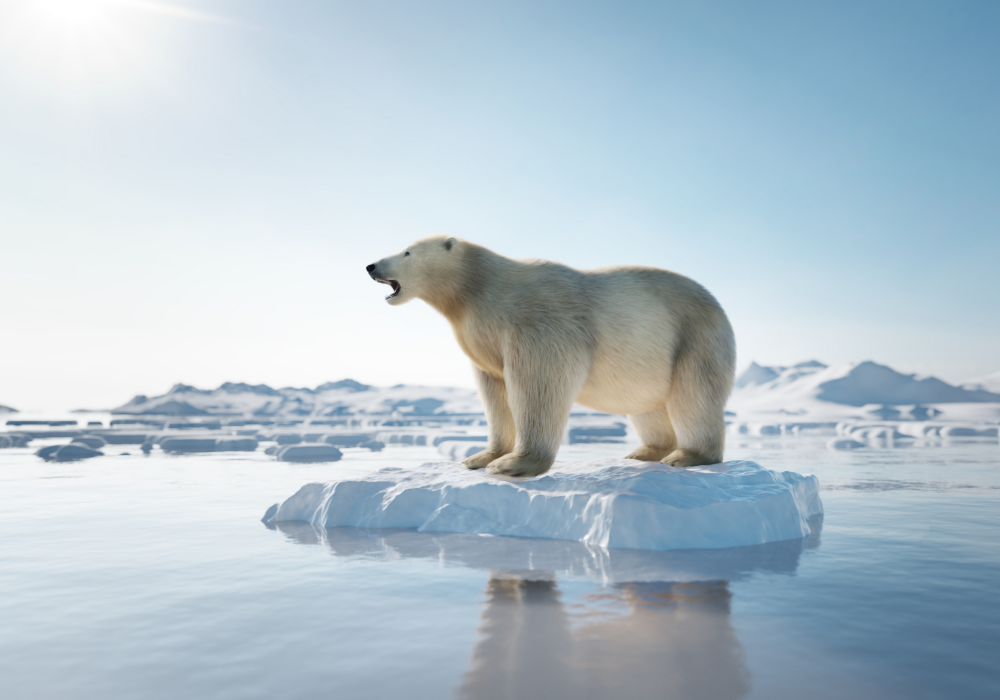
10 Alarming Ways Melting Ice Is Reshaping the Planet—And It’s Not Just Coastal Cities at Risk

Glaciers are vanishing, and the ripple effects are already hitting your daily life.

©Image license via Canva

When people hear “melting ice,” they think of polar bears and rising seas. But that’s only the beginning. The truth is, ice loss is unraveling entire systems—weather, food, water, and even geopolitics. It’s not just about coastlines disappearing (although they are). It’s about chaos showing up where you least expect it—on your plate, in your wallet, or during your morning commute.

This isn’t some distant warning from a frozen wasteland. The poles may seem far away, but they’re connected to everything. Think of ice like the planet’s thermostat. Once it starts breaking down, nothing runs the way it’s supposed to. These 10 changes aren’t happening someday—they’re already underway. And they’re shifting the way life works everywhere, whether or not you live near a glacier. The melt is on, and the fallout is coming fast.

Read more

Men Were Taught to Provide—But These 12 Values Are Costing the Planet

The traits praised as masculine success are fueling environmental collapse.

©Image license via iStock

Generations of men were taught that their worth came from what they could build, buy, and pass down. Providing wasn’t just a role—it was a full identity. The provider archetype was praised for being dependable, strong, practical. But no one stopped to ask what all that “providing” was actually costing. The house, the car, the steady income, the nonstop growth—these ideals weren’t built with the planet in mind.

This isn’t about blaming men for the climate crisis. It’s about seeing how gendered expectations shaped a culture of extraction, ownership, and overconsumption. Traits that once felt noble—stoicism, dominance, control—now show up as unsustainable habits in a world that’s hitting its ecological limits. Masculinity isn’t inherently harmful, but it’s been molded into something that rewards depletion over regeneration. If we want to survive the next chapter, we’ll have to rewrite what strength really looks like—and who we allow to embody it.

Read more