13 Things in Your Bathroom That Should Never Go Down the Drain

Flushing these things won’t make them disappear—it only makes things worse.
©Image license via Canva

There’s something weirdly satisfying about watching water carry waste away. It feels clean, quick, and convenient—like a problem instantly solved. But the illusion doesn’t last. What vanishes down the drain in seconds often ends up somewhere it shouldn’t, from clogged pipes in your home to polluted waterways downstream. And while a few culprits are obvious, others might seem harmless until they build up in plumbing systems or leach toxins into soil and water.

The bathroom is one of the biggest problem zones for hidden waste. Personal care routines, cleaning habits, and daily hygiene often involve rinsing, flushing, or washing things away without a second thought. Unfortunately, many of those things don’t break down properly—or at all. Some gum up wastewater equipment, others kill helpful bacteria in septic systems, and several contribute to microplastic pollution or chemical contamination. A little more awareness here can make a huge difference.


Read more

You Mean Well, But These 10 Donation Habits Are Making Things Worse

Giving back feels great—unless your help secretly creates more harm than good.

©Image license via Canva

Donating feels like the ultimate good deed. You clean out your closet, write a check, or drop off canned goods and walk away with that warm glow of “I did something good today.” But here’s the uncomfortable truth: sometimes, what we think is helping actually causes more problems for the people and organizations we’re trying to support. Well-meaning donations can clog up resources, create waste, or even undermine local economies and dignity.

It’s not about shaming you for wanting to help—your heart is in the right place. It’s about becoming more mindful so that your generosity actually supports, rather than burdens. Once you know better, you can give in ways that truly empower and uplift. Before your next big declutter or fundraiser, check out these 10 common charitable habits that quietly backfire.

Read more

What Changed Between the ’90s and Now? These 12 Consumer Traps for Starters

The things you buy today aren’t as innocent as they looked back then.

©Image license via Canva

Remember when shopping in the ’90s meant wandering the mall with friends, flipping through CDs, or picking up a single lotion from Bath & Body Works? It felt simpler—fewer pop-ups, less pressure, and definitely fewer sneaky algorithms tracking your every move. Fast forward to today, and consumer culture has become a slick, digital labyrinth designed to keep you spending without even realizing it.

Companies now use psychological tricks, curated FOMO, and endless “limited edition” hype to turn every scroll into a purchase. What used to be an occasional treat is now a daily dopamine hit designed to feel like self-care. If you feel like you’re constantly playing catch-up with trends and deals, you’re not imagining it. Here’s a breakdown of 12 sneaky traps that didn’t exist—or were way milder—back in our butterfly-clip-wearing, dial-up days.

Read more

These 11 Foods Are Branded as “Healthy” But Are Really Just Ultra-Processed Junk

The health halo around these products hides what’s really inside.

©Image license via Canva

It’s easy to feel like a wellness rockstar when your grocery cart is full of “healthy” labels: plant-based this, gluten-free that, protein-packed bars galore. But here’s the kicker—many of these so-called health foods are basically candy bars or salty snacks in disguise. Food companies are genius at slapping on buzzwords that make us feel virtuous while sneaking in sugar, chemicals, and fillers that do us zero favors.

Most of these products leave you hungrier, bloated, or stuck in a cycle of cravings that sabotage real health goals. The truth? Real, whole foods don’t need flashy marketing. Once you learn to see through the health halo, you’ll feel way more confident navigating the grocery aisles. Here’s a breakdown of 11 “healthy” foods that are actually ultra-processed junk you might want to rethink before tossing them in your cart.

Read more

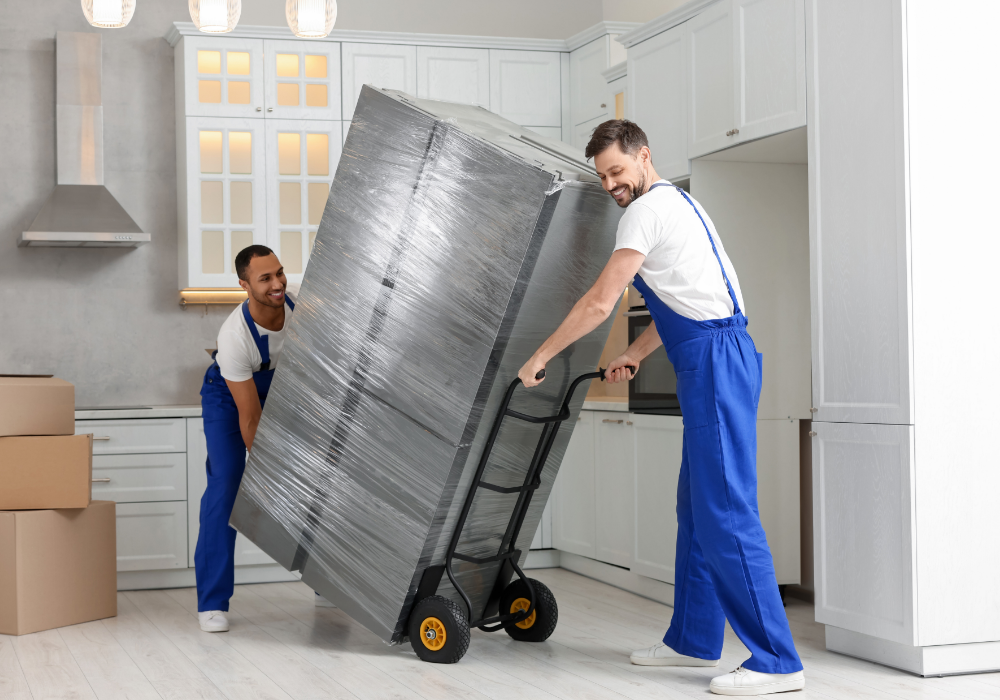
How Do You Recycle a Refrigerator? These 10 Free Recycling Programs Can Help

You could get rid of that bulky fridge without lifting a finger—or spending a dime.

©Image license via Canva

Getting rid of an old refrigerator can feel like an expensive, back-breaking headache—but it doesn’t have to be. That clunky appliance sitting in your garage or humming away in the basement might actually qualify for free pickup and proper recycling. You just need to know where to look. Tossing a fridge in the landfill isn’t just bad for the environment—it’s also illegal in many places. These machines are packed with chemicals, metals, and materials that need to be handled the right way.

Luckily, a surprising number of programs across the U.S. will take it off your hands at no cost. If you’ve been putting it off because you don’t want the hassle, these free solutions are about to make your life a whole lot easier.

Read more

If the Internet Vanished Tomorrow, These 11 Habits Would Go With It

Most of your daily routine depends on something you can’t see and don’t own.

©Image license via iStock

It’s woven into your routines so tightly that you barely notice it—until you try to go without it. The internet isn’t just a tool anymore. It’s a backdrop, a scheduler, a middleman, and a reward system. From the moment you wake up to the second you fall asleep, it holds your attention, fills your calendar, and filters your social life. And if it vanished overnight? The ripple effects would be stranger than most people expect.

Some shifts would feel liberating. Others would leave you disoriented. Because so many everyday habits, from shopping to socializing to relaxing, weren’t shaped around your needs—they were shaped around what the internet makes convenient. It’s not just about losing Google or TikTok. It’s about realizing how much of your behavior only exists because the internet did.

Read more

12 Ways Modern Life Was Never Built to Last Past 2030

The systems you trust most are already breaking behind the scenes.

©Image license via Canva

It’s easy to think the modern world is solid—like some sleek, unstoppable machine. Grocery stores stocked 24/7, flights anywhere, instant everything at the push of a button. But behind all that convenience? Cracks are forming. The truth is, so much of what we rely on wasn’t designed to go the distance—especially as we barrel toward 2030. Climate chaos, resource depletion, mental health crises, and fragile supply chains are all signs that our “normal” isn’t as sturdy as we pretend.

If this feels scary, you’re not alone. But paying attention now means we can start imagining and building something better before it all tips over. Awareness is power—and the sooner we face these inconvenient truths, the sooner we can step into real solutions. Here are 12 surprising ways our beloved modern life was never meant to last.

Read more

Before You Buy One More Thing, Consider These 11 Reasons You Already Have Enough

Your next purchase won’t fill the void you think it will.

©Image license via Canva

We’ve all been there—scrolling late at night, adding random stuff to our cart because we’re stressed, bored, or craving that sweet hit of “new.” But let’s be real: that thrill fades fast, and you’re left with another thing taking up space (and another dent in your bank account). Most of us have more than we even remember owning. Our closets, drawers, and garages are already bursting, yet we keep reaching for more as if it’ll finally make us feel complete.

It’s not about shaming yourself or giving up nice things forever—it’s about getting honest about what really adds value to your life. Once you start seeing how much abundance you already have, it gets easier (and way more satisfying) to say no to impulse buys. Let’s break down 11 reasons to pause before clicking “buy now.”

Read more

14 Toxic Things No Healthy Partner Would Ever Say to You

A caring partner would never let these toxic words leave their mouth.

©Image license via Shutterstock

You know something’s off when the words sting more than the silence. A healthy partner should build you up—not chip away at your confidence with backhanded comments or subtle digs. But toxic phrases often slip into relationships disguised as jokes, frustration, or “just being honest.” If you’ve ever felt smaller, confused, or like you’re constantly walking on eggshells after a conversation, it’s not in your head. The way someone speaks to you reveals way more than just their mood—it shows their respect for you.

And if they keep saying things that leave you questioning your worth, it’s time to take a hard look at what you’re tolerating. You deserve communication that feels safe, honest, and kind—not soul-crushing.

Read more

Are Holistic Doctors Legit—or Just Wellness Influencers with a Diploma?

Some treat chronic illness—others just sell supplements on Instagram. Can you tell the difference?

©Image license via Canva

Holistic doctors are popping up everywhere—from trendy wellness centers to your TikTok feed—and they’re not all cut from the same cloth. Some are licensed MDs or DOs who’ve added integrative tools to their toolkit. Others are naturopathic doctors, chiropractors, or functional medicine practitioners with different training and philosophies. A few lean deeply into nutrition and detox protocols, while others focus on energy healing, acupuncture, or homeopathy.

It sounds promising—treating the whole person instead of just slapping on a prescription. But how do you know if someone’s a true healer or just a wellness influencer with a nice website and a diploma on the wall? With so many titles, approaches, and personalities in the mix, it’s getting harder to tell what’s legit and what’s just cleverly packaged hype. Your health deserves clarity, not confusion disguised as “holistic wisdom.”

Read more