The End of Snow? 12 Things That Means for Water, Wildlife, and Winter Fun

What looks like a mild winter could be the beginning of something devastating.
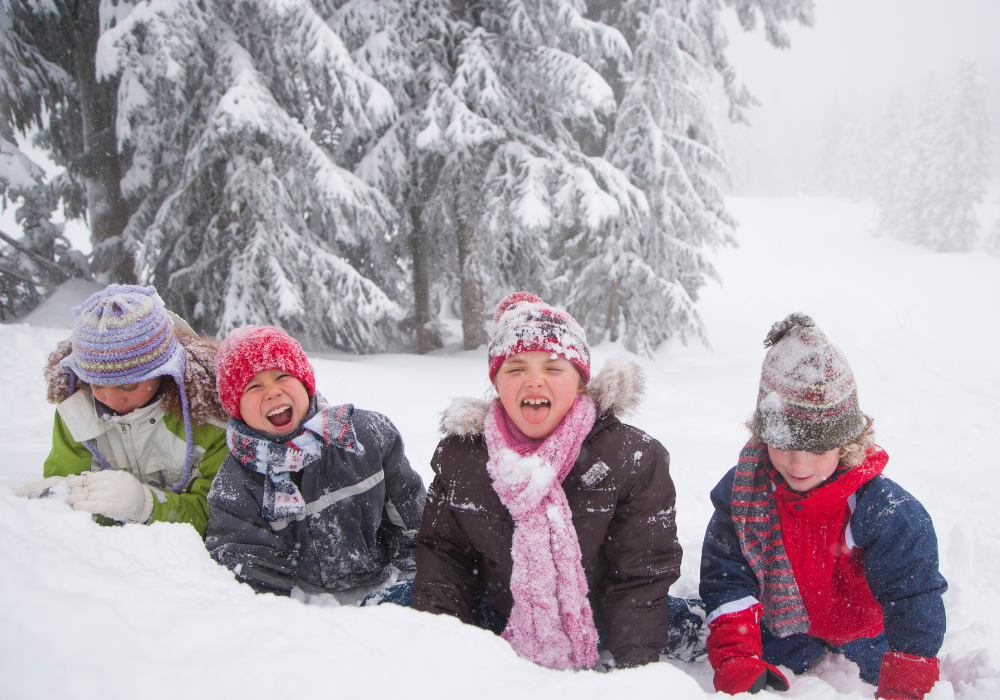
Children playing in the snow. ©Image license via Canva

Snow isn’t just pretty—it’s essential. But in many places, it’s quietly disappearing, and the consequences are stacking up fast. Winters are getting warmer, snowpacks are shrinking, and the flurries that once blanketed landscapes for months are melting away sooner than ever. That might sound like an inconvenience for ski lovers, but the ripple effects go far beyond the slopes.

Snow is nature’s water savings account, slowly releasing moisture into rivers, farms, forests, and reservoirs. Without it, entire ecosystems and industries are thrown off balance. From thirsty towns to struggling species, the end of snow changes everything.

And while it’s tempting to think we’ve just traded shovels for jackets, the reality is much more serious. Here are 12 ways our lives and environment are being reshaped as snow becomes a fading memory instead of a seasonal guarantee.

Read more

Dinner Parties Have Made a Comeback — 11 Ways Having Friends Over Helps Your Mind

Hosting dinner parties might be the mental health hack you never saw coming.

Friends having meal outside. ©Image license via Canva

There’s something magical happening around kitchen tables and backyard patios again. Dinner parties—the real kind, with mismatched chairs, wine-stained conversations, and way too much dessert—are back. And they’re doing more than just feeding bellies. They’re feeding our minds.

After years of isolation, screen fatigue, and fast-paced everything, people are rediscovering that sitting down with friends for a meal might just be the most nourishing thing we can do for our brains. You don’t need a Pinterest-worthy setup or gourmet flair. What matters is the laughter, the eye contact, the stories told over second helpings.

These gatherings can rewire how we feel, think, and relate—not in some lofty theoretical way, but in tangible, beautiful shifts you’ll feel for days. Here’s how dinner parties are quietly healing us from the inside out.

Read more

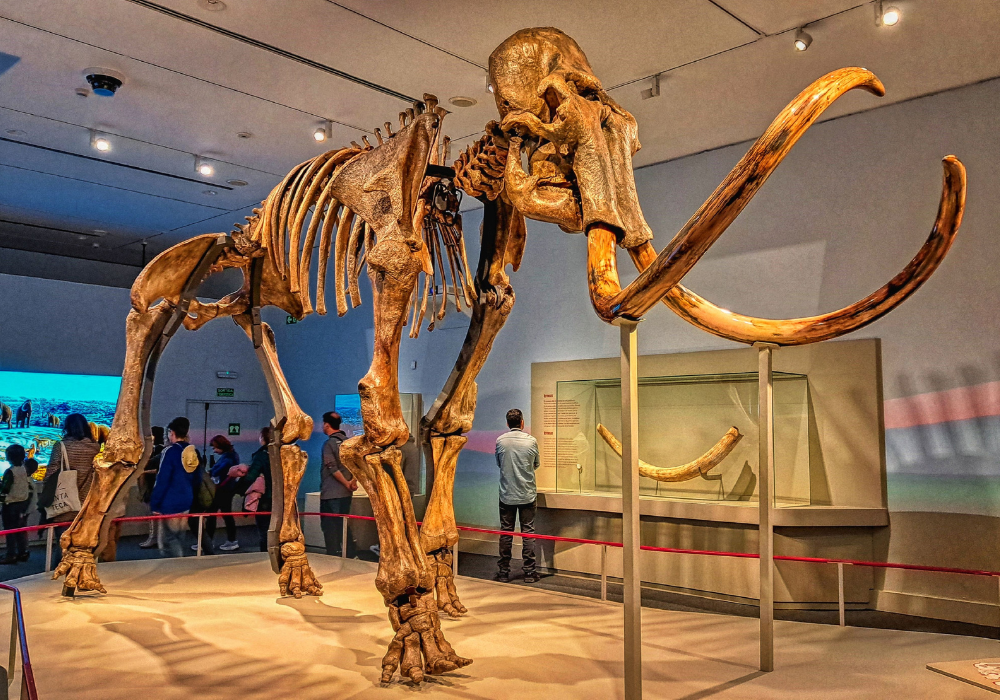
11 Extinct Creatures That Could Be Brought Back—Thanks to DNA Tech

Scientists aren’t just dreaming—these lost species might actually walk the earth again.

Woolly mammoth skeleton. ©Image license via Canva

You might think once an animal goes extinct, it’s gone forever. But thanks to mind-blowing advances in DNA technology, that “forever” is looking a lot shorter. Scientists are now digging into ancient bones and frozen carcasses, pulling out genetic material and asking, “What if we could bring them back?” And honestly, they just might.

We’re talking about the real possibility of seeing mammoths stroll across tundras again or hearing the eerie call of birds long silenced. It’s like Jurassic Park—without the velociraptors (we hope). If these projects work, we could be entering a new era where extinction isn’t a full stop—it’s just a pause. Here are 11 animals that could make the ultimate comeback—and what it means for the planet (and our curiosity).

Read more

The Trauma You Forgot Is Still Showing Up—Here Are 10 Clues

You think you’ve moved on, but your body and mind remember everything.

©Image license via Canva

It’s easy to think the past is behind you just because you don’t consciously think about it anymore. But trauma doesn’t always announce itself with big, obvious signs. Sometimes it’s subtle—woven into your daily reactions, habits, and even the way you hold your body. You might feel like you’re “over it,” but your nervous system, relationships, and energy levels might be telling a very different story.

Trauma isn’t just about dramatic events; it can also come from ongoing stress, neglect, or tiny repeated hurts that pile up over time. Noticing these hidden clues isn’t about blaming yourself—it’s about finally understanding what’s really running in the background. Once you spot these patterns, you can start moving toward true healing instead of just coping. Here are 10 sneaky ways old trauma might still be calling the shots in your life.

Read more

By 2040, These 10 Daily Habits May Be Impossible Due to Extreme Heat

Scorching temperatures could wipe out these everyday routines faster than you think.

©Image license via Shutterstock

Think your daily routine is safe from climate change? You might want to think again—extreme heat is creeping into every corner of our lives, and by 2040, it could make some basic habits nearly impossible. We’re not just talking about beach days getting hotter. We’re talking about everyday things—like walking your dog or running errands—that could become risky or even life-threatening.

It’s easy to assume we’ll just adapt, but heat isn’t a minor inconvenience. It pushes our bodies, infrastructure, and systems to their limits. And the scariest part? These changes are already happening in some parts of the world. If you’re not paying attention to how heat is reshaping life, you might be caught off guard when the thermostat won’t budge.

Read more

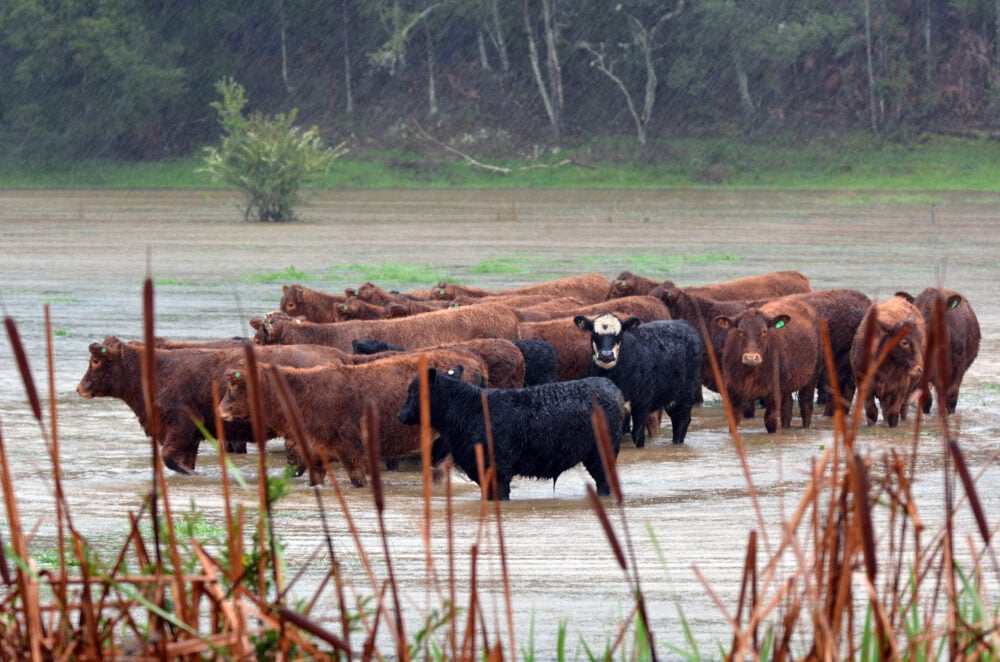
From Drowning to Displacement—12 Brutal Ways Flash Floods Devastate Wildlife

These sudden floods do more than wash out roads—they wipe out entire ecosystems.

©Image license via Shutterstock

You probably think flash floods are just a human problem—but the truth is, wildlife suffers even more. One minute, an animal’s home is safe and sound. The next, it’s underwater, wrecked, or simply gone. It’s easy to forget how fast and unforgiving these floods are when you’re not the one running for your life.

But imagine being a tiny frog, a sleeping bird, or a mother fox with babies tucked away in a hidden den. They don’t get flood warnings. They don’t have escape plans. And they definitely don’t have rescue teams waiting to swoop in.

What they face is raw and brutal, and most of us never see it. But once you do, it’s hard to forget. It’s not just the rising water—it’s the ripple effect of destruction that touches every branch, burrow, and nest. And the cost to the animal kingdom? Far worse than you’d think.

Read more

Are We At the Tipping Point? Ecological Collapse Is Closer Than You Think

You might not see it yet—but the planet’s most vital systems are already unraveling.

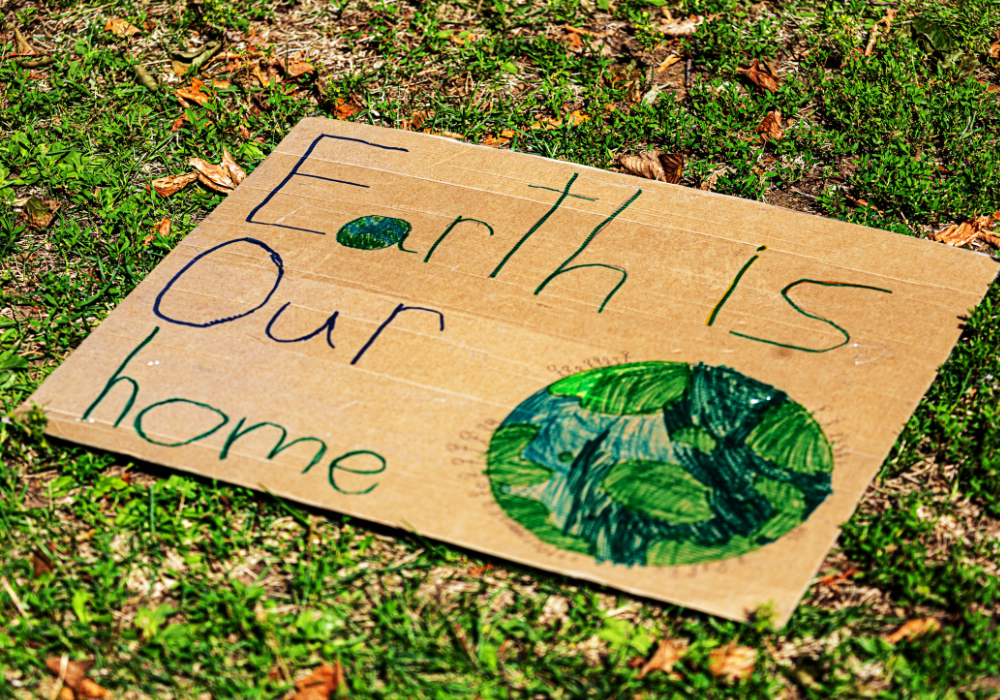
Climate action sign. ©Image license via Canva

The cracks in our planet’s systems aren’t forming—they’ve already formed. Oceans are heating up at record speed, forests are turning into carbon sources instead of sinks, and species are vanishing faster than we can count them. For years, we’ve heard warnings about the “tipping point,” as if it’s some distant red line we might cross one day.

But here’s the truth: we’re not near it—we’re standing on it. What felt theoretical a decade ago is now showing up in weather patterns, food chains, and supply chains. You don’t need to be a scientist to feel that something’s off. If you’ve been waiting for a sign to take this seriously, this is it. The future isn’t coming—it’s already reacting to our past.

Read more

These Everyday Habits May Increase Your Cancer Risk Without You Knowing

Most people do these daily and have no idea they could be toxic.

Woman eating cake. ©Image license via Canva

You brush it off as stress eating. Or just needing a glass of wine to unwind. Maybe it’s binge-watching with snacks in hand or always needing noise in the background. But these common behaviors—things that soothe, distract, or numb—might be doing more than messing with your routine. They could be feeding a dangerous cycle in your body.

Cravings for stimulation, food, or substances light up your brain’s reward system, but they also trigger the same biochemical chaos that fuels inflammation and weakens your immune response.

Over time, that disruption can set the stage for serious disease—including cancer. It’s not about fear-mongering. It’s about seeing how everyday habits add up in ways we never connected. The science is clear: what we reach for to cope could quietly be turning our bodies into fertile ground for illness we never saw coming.

Read more

People Who Are Calm and Centered Do These 12 Things Before 9 A.M.

If you’re feeling scattered, adopting these simple routines could change everything.

Calm woman reading a book. ©Image license via Canva

Some people wake up and just seem… unshakable. While the rest of us are spilling coffee, checking emails in a panic, and wondering what day it is, calm and centered people are already setting the tone for a balanced day. It’s not magic or some rare personality trait—it’s what they do before the chaos begins.

Their mornings aren’t rushed or reactive—they’re intentional, grounding, and quietly powerful. These people don’t wait for peace to find them—they create it before most of the world even hits snooze. If your mornings feel like a mess of stress and distraction, it might be time to rethink your routine. Because what you do before 9 a.m. can shape everything that comes after.

Read more

Unlearn These 11 Kitchen Habits If You Want to Eat Sustainably

Even eco-conscious foodies are guilty of these everyday kitchen mistakes.

Woman eating healthy foods. ©Image license via Canva

You might think you’re doing your part—buying organic, skipping meat now and then, maybe even composting. But sustainable eating doesn’t stop at what you buy. It sneaks into how you cook, store, prep, and clean up in the kitchen.

And chances are, you’ve picked up some habits over the years that clash with your eco-friendly goals without you even realizing it. Don’t beat yourself up—most of us learned to cook long before sustainability was part of the conversation.

But if you’re serious about shrinking your food waste, cutting energy use, and making better choices for the planet, it’s time to unlearn a few things. The good news? You don’t have to overhaul your life. These small kitchen shifts add up fast—and your meals won’t suffer in the process. In fact, they might even get better.

Read more