How Climate Change and Global Trade Are Driving a Silent Extinction Crisis

Your morning coffee and that cargo ship could be pushing animals to the brink.
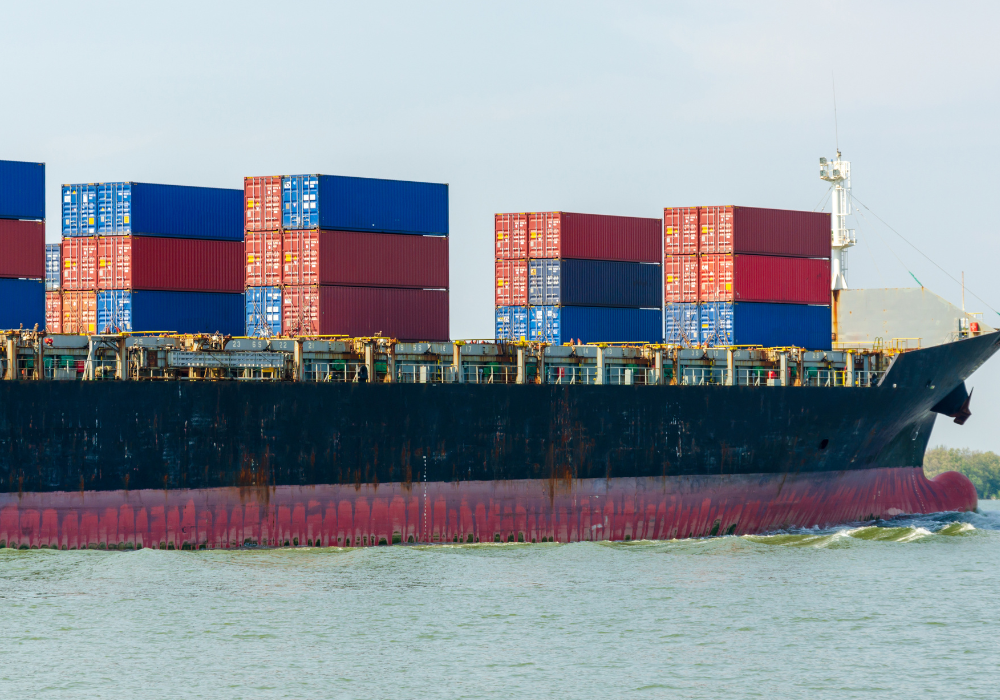
Container cargo ship. ©Image license via Canva

You probably don’t notice it, but the world is getting quieter—literally. Frogs, birds, bees, and thousands of other creatures are vanishing, and it’s not always because of bulldozers or poachers. The real culprits? A warming planet and the relentless pace of global trade. What you buy, how it’s shipped, and where it’s grown all play a part in pushing species closer to the edge.

This isn’t just about “saving the whales”—it’s about the slow collapse of ecosystems we all depend on. The saddest part? It’s happening in plain sight, and most people have no clue. These 11 hidden drivers of extinction are linked to our everyday climate and trade habits—and once you see them, you can’t unsee them.

Read more

13 Things That Were Marketed as “Reusable” But Rarely Survive the Month

You bought them to save money and waste—now they’re cluttering your trash can.

©Image license via Canva

You jumped on the reusable bandwagon—shopping with good intentions and a hopeful heart. Save money? Help the planet? It sounded like a no-brainer. But now your kitchen drawer is stuffed with warped silicone lids, broken “eco” scrubbers, and mystery lids that no longer fit anything. The truth is, not all reusable products are created equal. Some of them are just overhyped plastic with a green label slapped on. Others sound genius in theory but fail miserably in real life. If you’ve ever wondered why your sustainable stash seems short-lived, you’re not alone. Here are the worst offenders that rarely go the distance.

Read more

11 Signs Your Insurance Company May Dump You After the Next Natural Disaster

Rising climate risks mean your “guaranteed” coverage might not be so guaranteed.

Worried couple looking at computer. ©Image license via Canva

You pay your insurance premiums faithfully, trusting your provider will have your back when disaster strikes. But here’s the harsh truth—some insurance companies are already planning their exit before the next storm even forms. With wildfires, floods, hurricanes, and other natural disasters on the rise, insurers are scrambling to protect their bottom line—and that often means dropping you. Fast.

Homeowners across the country are waking up to cancellation notices or steep rate hikes right when they need protection the most. These red flags can help you spot the warning signs early—before you’re left uninsured when you need it most.

Read more

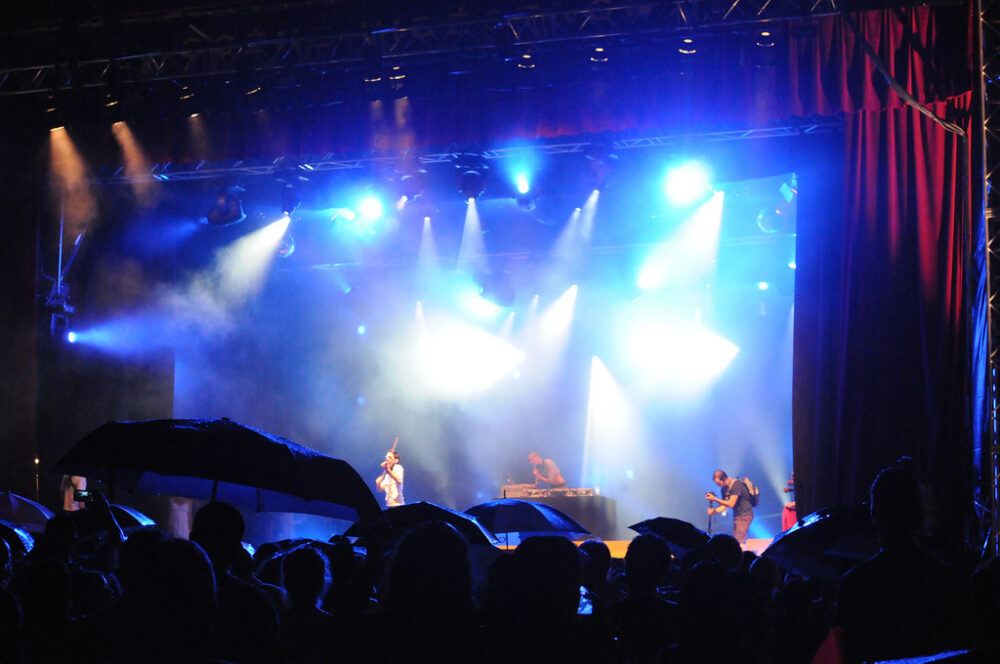
Extreme Weather Is Shutting Down Music Festivals and Concerts Across the U.S.

Fans are losing more than tickets as storms, heat, and floods derail live music season.

©Image license via Flickr

Extreme weather is crashing the live music scene—and not in a good way. Across the U.S., once-reliable summer concerts and festivals are facing last-minute cancellations, dangerous conditions, and growing costs thanks to floods, smoke, heat waves, and more. Fans are being turned away, artists are pulling the plug, and event planners are scrambling to react in real-time. For an industry built on crowds and open skies, the climate’s growing unpredictability is becoming a major headliner. With big names like Steve Miller canceling entire tours, it’s clear: nature is forcing music to hit the pause button—and no one’s dancing through it.

Read more

More Women Are Finally Getting ADHD Diagnoses—Here Are 12 Reasons Why

Late diagnoses are revealing how deeply society misunderstood female brains.

Woman covering her eyes. ©Image license via Canva

For decades, ADHD was seen as a hyper boy’s condition—fidgeting in classrooms, blurting out answers, bouncing off the walls. Meanwhile, girls who quietly struggled to focus, finish tasks, or manage their emotions were often labeled “spacey,” “moody,” or “lazy.”

The truth is, their symptoms didn’t match the loud, disruptive behaviors doctors were trained to spot. As more research shines a light on how ADHD presents in women, a flood of overdue diagnoses is finally happening.

From hormonal changes to high-functioning masking, women are piecing together a lifelong puzzle that suddenly makes sense. And for many, the diagnosis isn’t a crisis—it’s a massive relief. It means they’re not broken, just misunderstood.

Read more

10 Things You Forgot You Liked Because the Algorithm Stopped Feeding Them to You

These forgotten gems show how easily digital trends erase your interests.

©Image license via Canva

Remember when you loved quirky indie films, deep-dive blogs, or lo-fi music that made you feel something? Chances are, you didn’t outgrow those things—the algorithm just stopped showing them to you. As platforms like YouTube, TikTok, Instagram, and even Spotify refine what they think you want, they quietly erase what doesn’t “perform.” That doesn’t mean your tastes changed—it means your feed did. Our digital lives are increasingly curated for engagement, not nostalgia or nuance. If you’ve felt disconnected from your former favorites, you’re not alone.

Read more

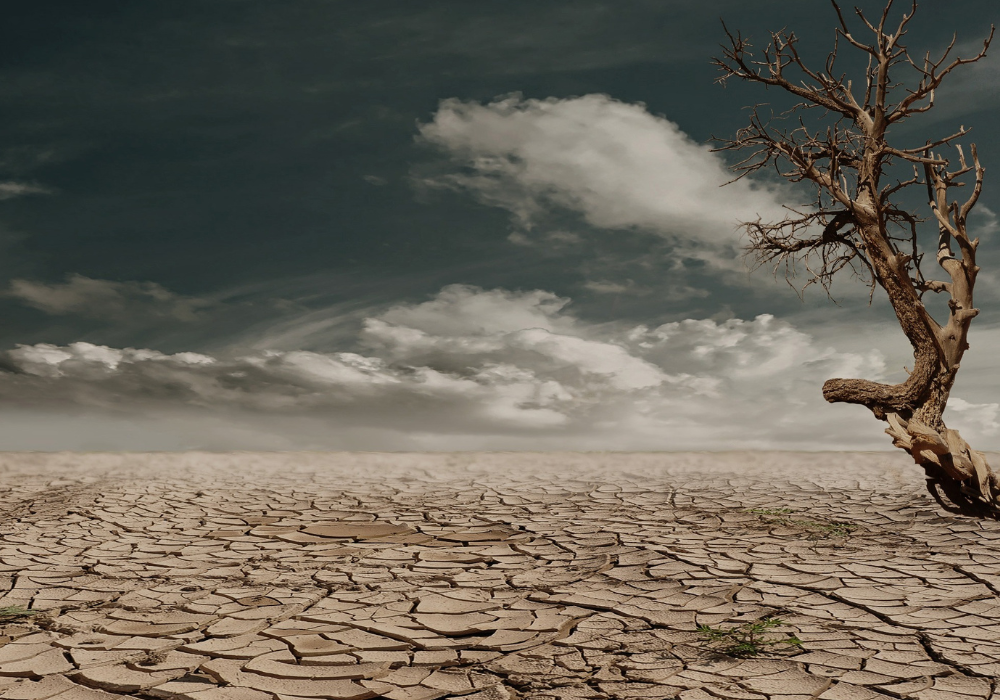
The Western U.S. Is Facing Its Worst Drought in 1,200 Years—Here’s What That Means

Climate scientists say the megadrought is no longer a future threat—it’s already here.

Parched landscape due to drought. ©Image license via Canva

The American West isn’t just parched—it’s in the grip of a historic megadrought that scientists now say is the worst in over 1,200 years. Recent studies using tree-ring and sediment data confirm that this extreme dry spell eclipses even the most severe droughts dating back to 800 A.D. What’s making it worse? Human-driven climate change. The natural climate cycle has been pushed into dangerous new territory, where water scarcity is no longer a seasonal problem but a permanent feature of life in the region. From agriculture to daily life, the ripple effects are already here—and they’re only intensifying.

Read more

11 Ways Trump’s Immigration Crackdown Could Trigger a Grocery Crisis

Trump’s immigration raids could leave fruits, vegetables, and meat boxes bare—and prices soaring.

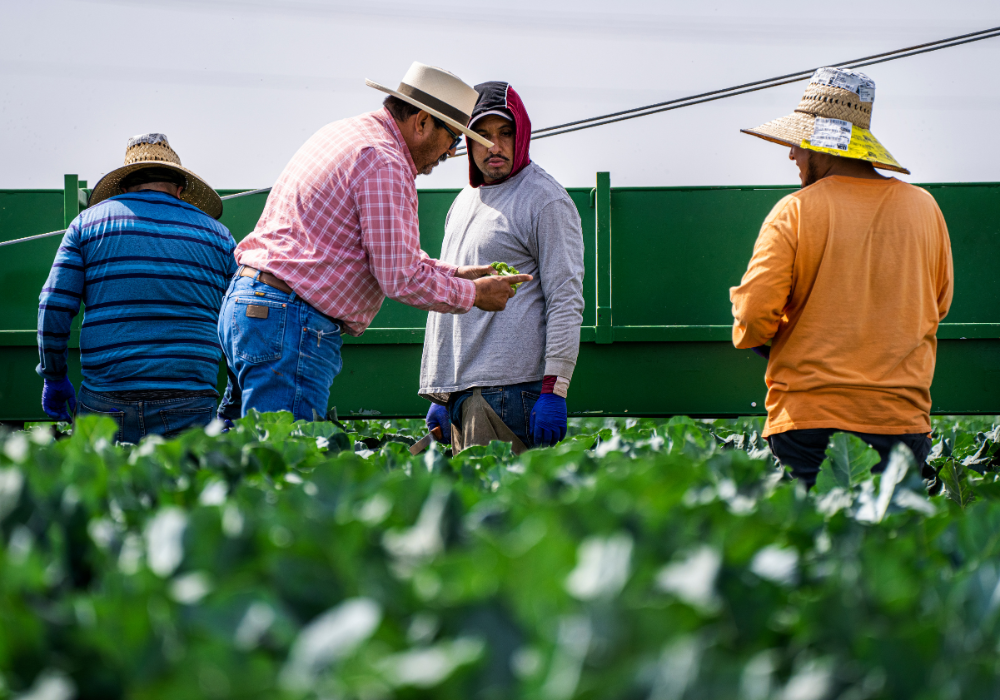
Farm workers in a field. ©Image license via Canva

As Donald Trump revives promises of sweeping immigration crackdowns, America’s food supply may be heading toward a full-blown crisis. Immigrant labor—much of it undocumented—is the backbone of the U.S. agricultural system, handling everything from planting and harvesting to processing and packaging. Without these workers, farms can’t function, supply chains falter, and grocery store shelves begin to thin out. The fallout won’t just be empty bins in the produce section—it could mean skyrocketing food prices, spoiled crops, and economic turmoil for rural communities.

Read more

Experts Warn Not to Burn These 9 Things in Your Fireplace or Fire Pit—Most People Do

Think twice before tossing these things in the fire—they could poison your air and damage your lungs.

Friends sitting around fire pit. ©Image license via Canva

Lighting up a fireplace or backyard fire pit feels like pure comfort—until you realize what’s actually going up in flames. Most people think if it burns, it’s fair game. But experts are waving red flags over what we’re casually tossing into the fire. From old magazines to pressure-treated wood, the smoke you’re breathing in could be laced with toxins you’d never knowingly inhale. It’s not just bad for your health—it’s rough on your chimney, bad for the environment, and dangerous for kids and pets nearby.

Read more

As Climate Risks Rise, These 12 States Are Falling Out of Favor Fast

You won’t believe which states are suddenly climate cast-offs.

©Image license via iStock

As climate risks skyrocket, some states are quietly slipping off people’s “forever home” lists. Rising temperatures, chronic droughts, worsening storms, and sea level creep are turning once-popular places into liability zones. And it’s not just about dramatic disasters. It’s the slow grind of extreme heat, worsening air quality, or the unsettling reality that your home might be uninsurable in a few years. People are starting to notice. Families are reconsidering relocations. Investors are pulling out. And the states hit hardest? They’re watching their reputations—and their populations—change fast.

Read more