13 Household Smells You Should Never Ignore—They Could Mean Serious Trouble

That strange odor in your home might be more than unpleasant—it could be dangerous.

©Image license via Canva

You might dismiss odd household smells as temporary annoyances—but some are red flags you should never ignore. Whether it’s a whiff of rotten eggs, a musty corner, or a sudden burning odor, your nose could be alerting you to serious trouble. These scents often signal hidden dangers like gas leaks, electrical issues, mold infestations, or even plumbing problems.

Acting quickly can save you from costly repairs—or far worse. Your home has a way of warning you when something’s off, but only if you’re paying attention. Here are 13 smells you should never brush off—and what they might be trying to tell you.
Read more

America’s Coal Addiction Has Consequences—These 10 Should Scare Us

What fuels our power plants is quietly fueling a public health and climate crisis.

©Image license via Canva

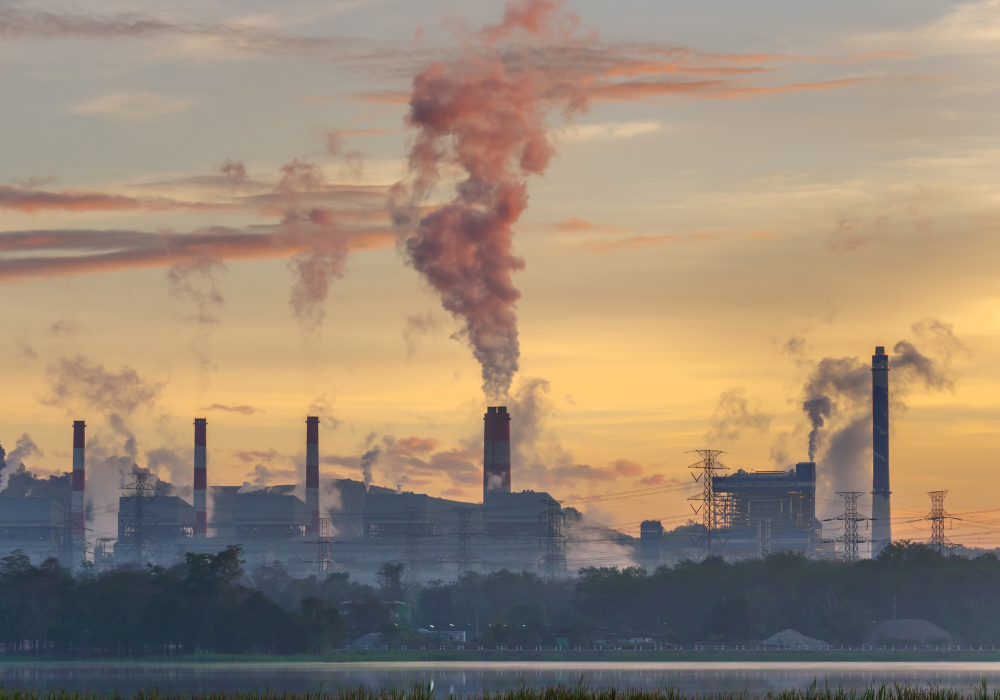
America’s long-standing reliance on coal isn’t just an outdated energy strategy—it’s a dangerous habit with devastating consequences. While coal still powers roughly 20% of the nation’s electricity, it comes at a staggering cost to public health, the environment, and our future.

From polluted air and poisoned water to climate disruption and community sacrifice zones, the toll is far greater than most people realize. As cleaner, cheaper energy alternatives surge ahead, our addiction to coal drags us backward. These are not distant problems—they’re unfolding now. Here are 10 frightening consequences of America’s coal addiction that should wake us up.

Read more

Outdated Flood Maps Are Failing Homeowners—10 Smart Ways to Know Your Real Risk

With climate change accelerating, yesterday’s maps can’t predict tomorrow’s floods.

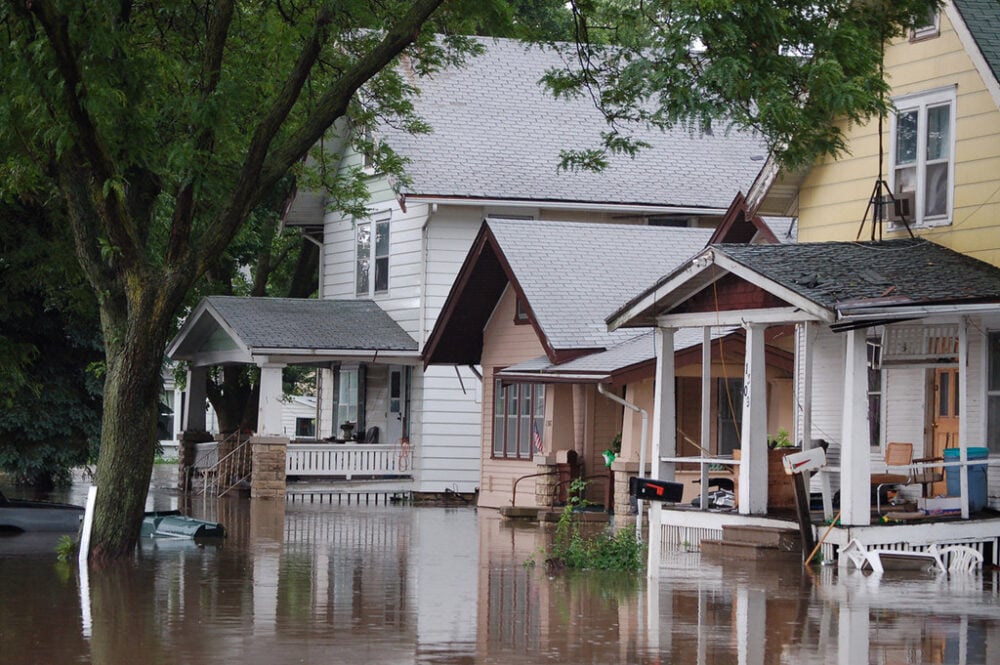
Flooded homes. ©Image license via Flickr

You may think you’re in the clear because FEMA’s flood map shows your home in a “low-risk” zone—but that map could be dangerously outdated. Across the U.S., millions of homeowners are relying on flood risk data that hasn’t kept pace with climate change, development, or rising sea levels. These aging maps can give a false sense of security—until the water’s at your doorstep.

Flood insurance, emergency plans, and even property values all hinge on understanding your real risk. If you’re not digging deeper, you may be gambling with your home. Here are 10 smart ways to get the full picture—before it’s too late.

Read more

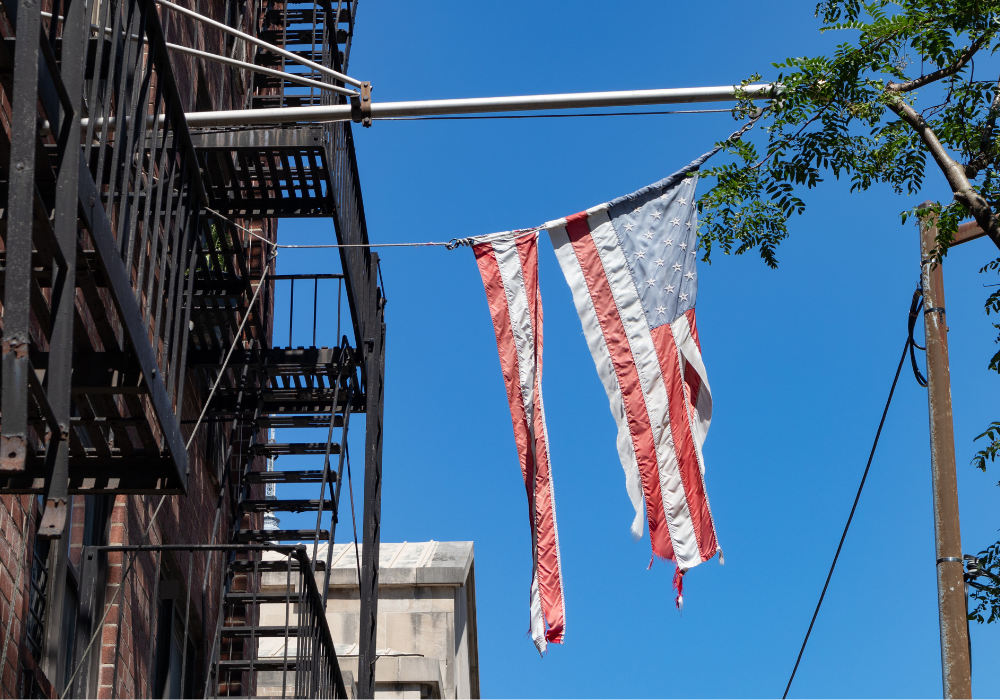
The American Dream Didn’t Die on Its Own—These 12 Decisions Killed It

Policies that claimed to help the middle class quietly pulled the rug out from under it.

©Image license via Canva

The American Dream was never perfect—but it once stood for something powerful: the belief that with hard work, anyone could achieve a stable, meaningful life. A home. A good job. A decent education. A shot at upward mobility. But that dream didn’t just quietly vanish—it was systematically dismantled. Over decades, a series of policy decisions, corporate strategies, and cultural shifts pulled the ladder up from the middle and working classes, leaving many Americans stuck, exhausted, and disillusioned.

These weren’t isolated mistakes. They were deliberate choices made in boardrooms and backrooms—often justified in the name of “growth” or “freedom.” Today, millions feel the dream slipping out of reach not because of personal failure, but because the system was rigged against them.

Read more

11 Lies About Mental Health That Too Many People Still Believe

When false ideas go unchecked, real healing becomes nearly impossible.

©Image license via Canva

Mental health isn’t a character flaw, a passing mood, or a private shame—but far too often, that’s how it’s treated. Despite growing awareness and expanding conversations, many dangerous myths about mental illness still shape how we think, talk, and act. These lies keep people from seeking help, fuel stigma, and prevent real understanding and support.

They show up in everyday conversations, social media soundbites, and even medical settings, reinforcing outdated and harmful assumptions. Mental health challenges are complex, widespread, and deeply human—but misinformation makes them seem alien, dramatic, or even fake. If we want to truly support ourselves and each other, we have to confront what we’ve been told.

Read more

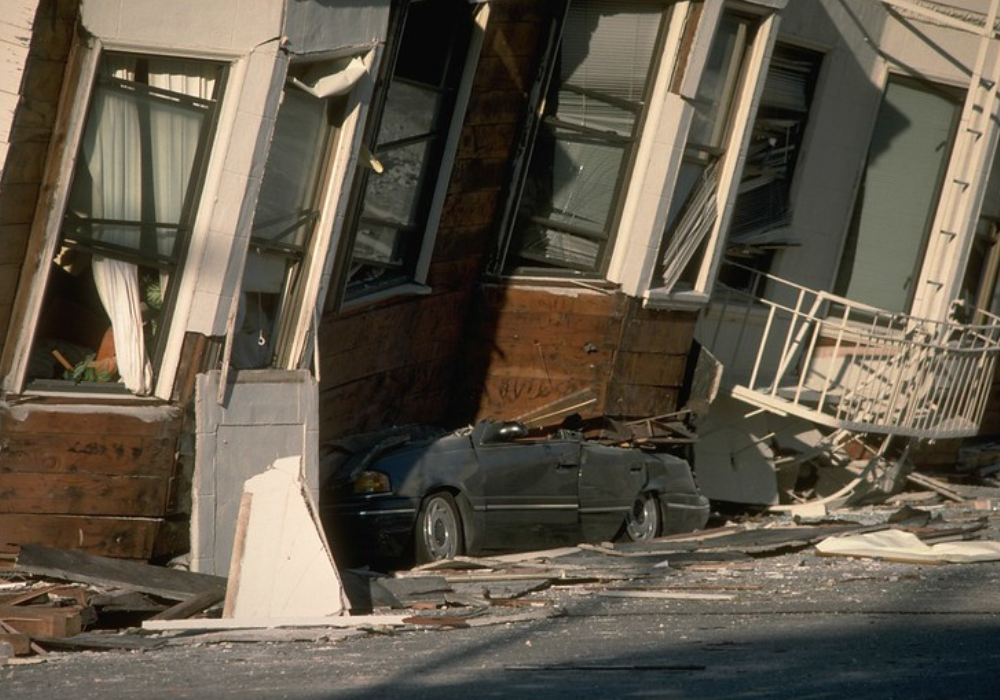
The Next Big Quake May Not Be in California—2 U.S. Regions Now on Alert

Forget the San Andreas—two lesser-known U.S. zones may be due for a major quake.

©Image license via Flickr

When Americans think “earthquake,” they picture California’s infamous San Andreas Fault. But experts now warn that the next major seismic disaster may strike far from the Golden State. Two unexpected regions—the Pacific Northwest’s Cascadia Subduction Zone and the central U.S.’s New Madrid Seismic Zone—are flashing red on geologists’ radar. Alaska, too, continues to rumble with powerful quakes, shaking confidence that only the West Coast needs to worry.

These areas are experiencing increased seismic activity, updated hazard assessments, and renewed emergency planning. And if history is any guide, the next “Big One” may catch millions off-guard. Here are eight urgent reasons why California isn’t the only place you should be watching.

Read more

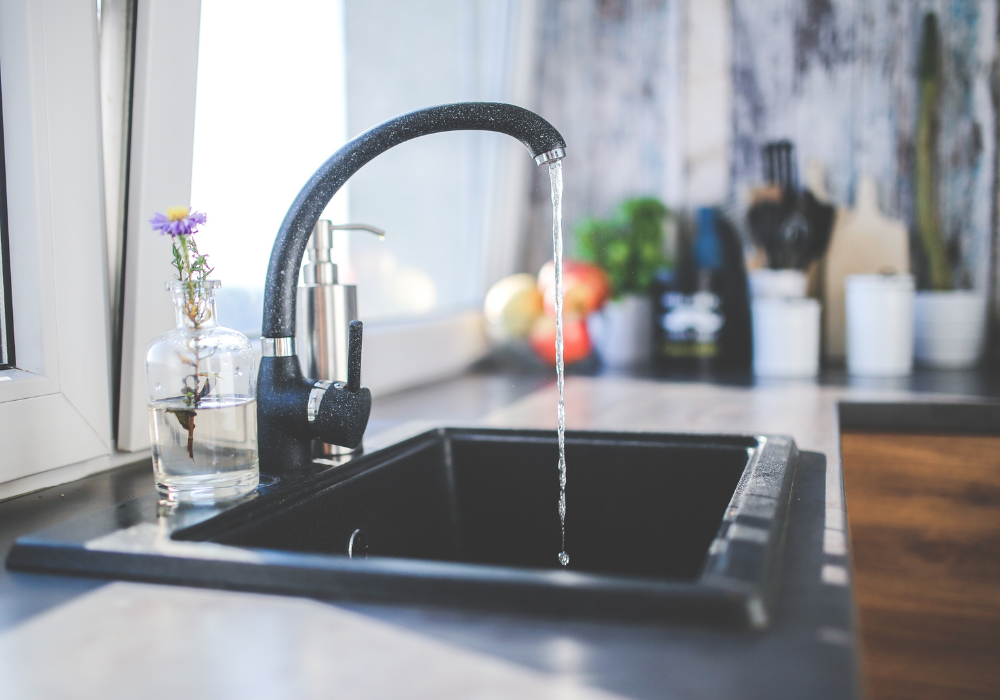
You’re Wasting Water, Time, and Money with These 12 Cleaning Habits

These so-called “cleaning hacks” are secretly draining your wallet and the planet.

©Image license via Canva

You might think your cleaning routine is efficient, but some of your habits are quietly draining your wallet, wasting precious water, and eating up your time. From rinsing dishes that are already clean to overusing cleaning products that do more harm than good, these everyday missteps add up fast.

What feels like being thorough often turns out to be unnecessary—or even counterproductive. In a world where conserving resources and saving time matter more than ever, it’s worth rethinking how you scrub, spray, and sanitize. Here are 12 cleaning habits you need to break if you want a cleaner, smarter routine.

Read more

10 Alarming Changes Wildfires Are Causing in America’s National Parks

Beloved landscapes are burning—and the damage goes far beyond what the eye can see.

©Image license via Canva

Wildfires have always been part of nature’s rhythm, but today’s climate-fueled blazes are growing hotter, faster, and far more destructive. America’s national parks—long seen as serene sanctuaries—are now ground zero for these extreme fires. Recently, both Grand Canyon National Park and Black Canyon of the Gunnison were forced to close due to nearby infernos, a stark reminder that no iconic landscape is immune.

From vanishing species to burned-out infrastructure, wildfires are leaving scars that won’t heal quickly—if ever. And as temperatures climb, the damage is only accelerating. These aren’t just temporary setbacks—they’re long-term transformations. If you love these parks, it’s time to face what’s happening.

Read more

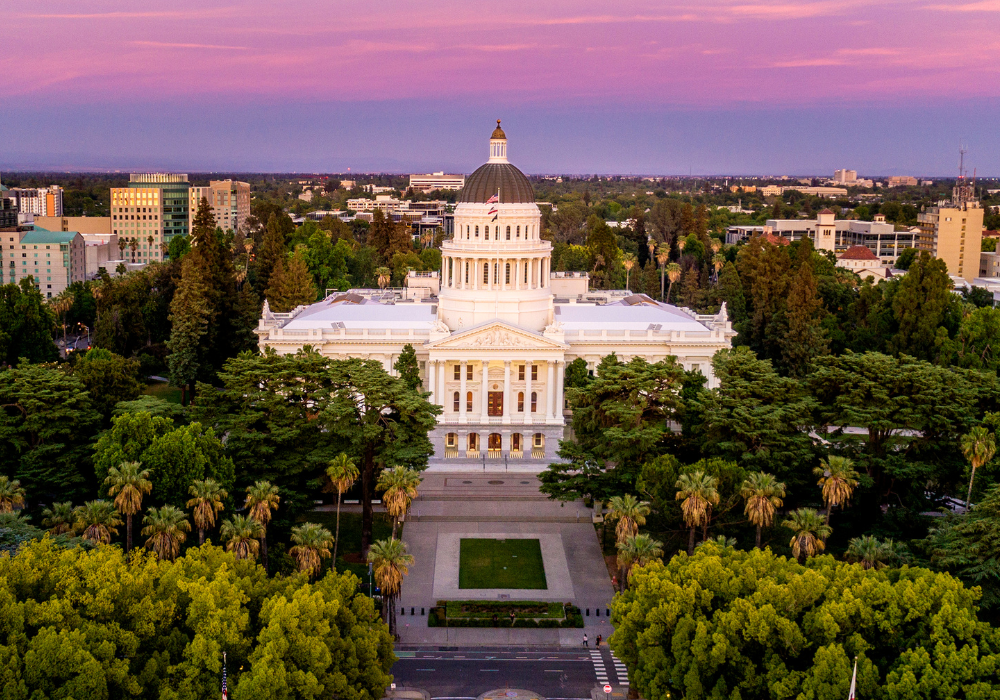
These 11 States Are Actually Ready for the Climate Crisis—Is Yours on the List?

While others delay and deny, these states are planning—and acting—for a hotter future.

©Image license via Canva

The climate crisis isn’t a distant threat—it’s already battering communities with record heat, wildfires, floods, and rising seas. Yet while many states are still arguing over whether climate change is real, a few have moved beyond denial and into serious, strategic action. These states aren’t just talking about the environment—they’re investing in infrastructure, rewriting policy, protecting vulnerable populations, and preparing for a new era of climate extremes.

Their forward-thinking efforts could mean the difference between catastrophe and survival. Whether your state is part of this elite group or still dragging its feet could impact everything from your health and safety to your home insurance rates. Want to know if your state is ready for what’s coming?

Read more

You’re Not Forgetful—You’re Overstimulated by These 13 Daily Triggers

Your brain isn’t failing—it’s just drowning in constant noise, distractions, and demands.

©Image license via Canva

You walk into a room and forget why you’re there. You miss appointments, misplace your phone, or blank on a name you’ve known for years. Before you panic about memory loss, consider this: you’re not forgetful—you’re overstimulated. In today’s fast-paced world, your brain is constantly bombarded by notifications, noise, decisions, and distractions. That mental overload clogs your focus and short-circuits short-term memory. What feels like a cognitive decline is often just your mind waving a white flag. These 13 daily triggers are quietly hijacking your attention and clouding your clarity. Once you spot them, you can start reclaiming your mental space.

Read more