The First Country Forced to Evacuate—And It’s Because of Climate Change

Rising seas are making one island nation uninhabitable—now its citizens must flee.

©Image license via Canva

Tuvalu, a tiny island nation tucked in the Pacific Ocean, is facing an unthinkable future—becoming the world’s first country forced to relocate its entire population due to climate change. With just over 11,000 citizens and an average elevation of less than seven feet, Tuvalu has watched its shorelines vanish and freshwater sources degrade as sea levels rise, according to a recent article in Wired Magazine.

In 2023, the nation struck a groundbreaking agreement with Australia, allowing a limited number of Tuvaluans to relocate each year through a climate visa program. While Tuvaluans remain deeply connected to their land, this planned migration is no longer theoretical. It’s a blueprint for climate-era survival and a dire signal that what once seemed far off is happening now—and faster than many expected.

Read more

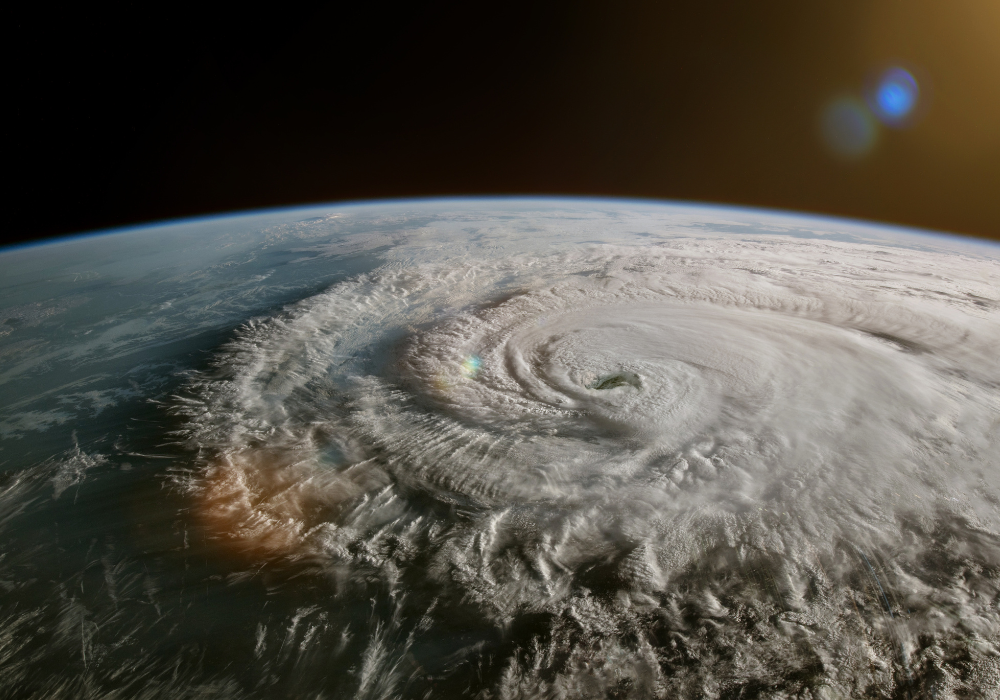
The Next ‘Storm of the Century’ Is Brewing—It Could Be Worse Than Ever

Rising ocean temps and atmospheric chaos are fueling storms we may no longer be able to predict—or survive.

©Image license via Canva

A storm is forming that scientists warn may surpass anything seen in modern U.S. weather history. With climate change intensifying atmospheric dynamics, events once deemed rare—”hundred‑year storms”—are unfolding multiple times per decade. NOAA and climate experts predict an above-average Atlantic hurricane season in 2025, while western states face increasing risks from amplified atmospheric rivers capable of dumping catastrophic rainfall.

These supercharged storms, fueled by warmer sea surface temperatures and increased moisture in the air, threaten to shatter infrastructure, flood cities, and overwhelm emergency systems. As history rewrites what counts as extreme, preparedness systems may lag behind the new normal. This series of escalating dangers could unleash a summary-level “storm of the century”—only this time, it may come with far greater ruin.

Read more

Forget Meat—These 12 Global Plant-Based Cuisines Are Winning Over Foodies

Whether you’re vegan or just veggie-curious, these international meals are flavorful and unforgettable.

©Image license via Canva

Around the world, entire culinary traditions have embraced plants not out of trendiness but necessity, culture, and innovation. These time-honored cuisines have mastered the art of making vegetables, grains, legumes, and spices the stars of the table—no meat required. Food lovers seeking bold flavor, nourishment, and sustainability are turning to these global dishes that go far beyond basic salads or faux meats.

Whether it’s the rich lentil stews of Ethiopia or the fragrant curries of India, plant-based cooking has always had a place at the heart of the world’s food heritage. As more people reduce meat consumption for health and climate reasons, these cuisines are earning newfound respect and admiration. Their delicious offerings prove you don’t have to sacrifice taste or tradition to eat consciously.

Read more

13 Core Values Every Generation Needs to Carry Forward

Timeless principles will guide future generations through an uncertain world.

©Image license via Canva

In an age of rapid change, it’s tempting to throw out everything old in favor of what’s new. But some values are timeless—and abandoning them risks unraveling the fabric that holds communities, families, and individuals together. While each generation must navigate its own challenges, certain foundational beliefs have proven essential to human progress and emotional well-being.

They’re not about clinging to outdated traditions—they’re about honoring the best of what’s come before while adapting to what’s ahead. These 13 core values deserve to endure across generations, shaping a more compassionate, resilient, and thoughtful future for everyone.

Read more

11 Hotel Perks You Might Lose Thanks to the EU’s New Climate Laws

You may want to pack extra: these once-standard comforts are on the chopping block.

©Image license via Canva

If you’ve grown used to free air conditioning, endless towel swaps, and breakfast buffets piled high, your next European vacation might look a little different. The European Union is rolling out strict new climate regulations aimed at cutting carbon emissions from the tourism and hospitality sectors.

Hotels are being pushed to conserve energy, reduce waste, and rethink luxury through a green lens. While the planet may benefit, travelers could see some beloved comforts scaled back or disappear entirely. These hotel perks could become rare—or vanish altogether—as climate-conscious laws reshape the European travel experience.

Read more

Think It’s Just Hoarding? 12 Ways ADHD Might Be Driving the Behavior

New research shows clutter may stem more from brain function than bad habits.

©Image license via Canva

When people think of hoarding, they often imagine a cluttered home filled with old newspapers, broken appliances, and decades of forgotten items. But for some, this behavior isn’t simply a refusal to let go—it’s deeply tied to how their brain works. ADHD (Attention-Deficit/Hyperactivity Disorder) can profoundly affect a person’s ability to organize, prioritize, and make decisions.

That means what looks like hoarding may actually be a form of executive dysfunction, emotional regulation challenges, or even sensory overload. Before you judge—or judge yourself—it’s worth looking closer. Here are 12 ways ADHD might be quietly fueling hoarding-like behaviors, offering insight into how the disorder can impact daily life in ways most people never see.

Read more

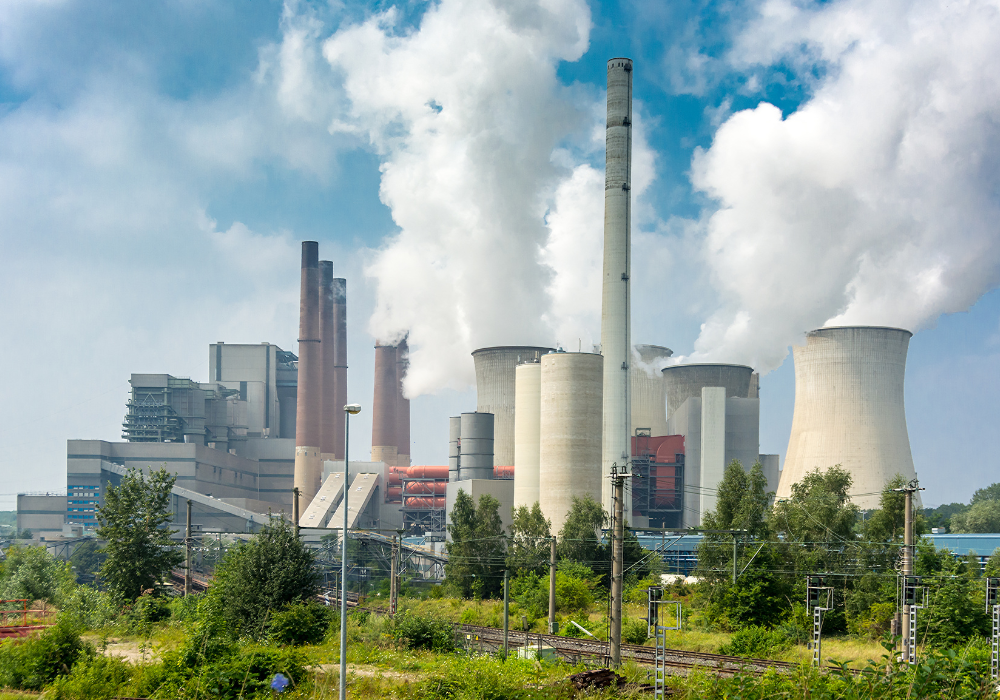
White House Targets EPA’s Greenhouse Gas Warning That Launched Climate Action

The 2009 finding sparked U.S. climate policy—now it’s on the chopping block.

©Image license via Canva

The 2009 EPA endangerment finding marked a seismic shift in U.S. climate policy. Declaring greenhouse gases a threat to public health and welfare, it laid the legal groundwork for regulating emissions under the Clean Air Act. Now, new moves by the White House aim to dismantle or redefine that very foundation.

Rolling back the endangerment finding could strip the EPA of its power to address carbon pollution—jeopardizing decades of climate progress. As the political battle intensifies, here are the far-reaching consequences of targeting the ruling that jumpstarted America’s climate response.

Read more

Why Heat Domes Are Breaking Records—and Breaking the Rules of Forecasting

Scientists thought they understood heat domes—then this summer shattered all expectations.

©Image license via Canva

Heat domes used to be freak weather events—now they’re showing up like uninvited guests who never leave. You feel it when you walk outside and the air hits like a furnace blast. But there’s something bigger going on than just a few extra hot days.

These monster domes are breaking temperature records left and right—and meteorologists are scrambling to keep up. What we’re seeing isn’t just hotter summers. It’s a total shake-up in how weather behaves, and forecasting tools that worked for decades are suddenly falling short.

Read more

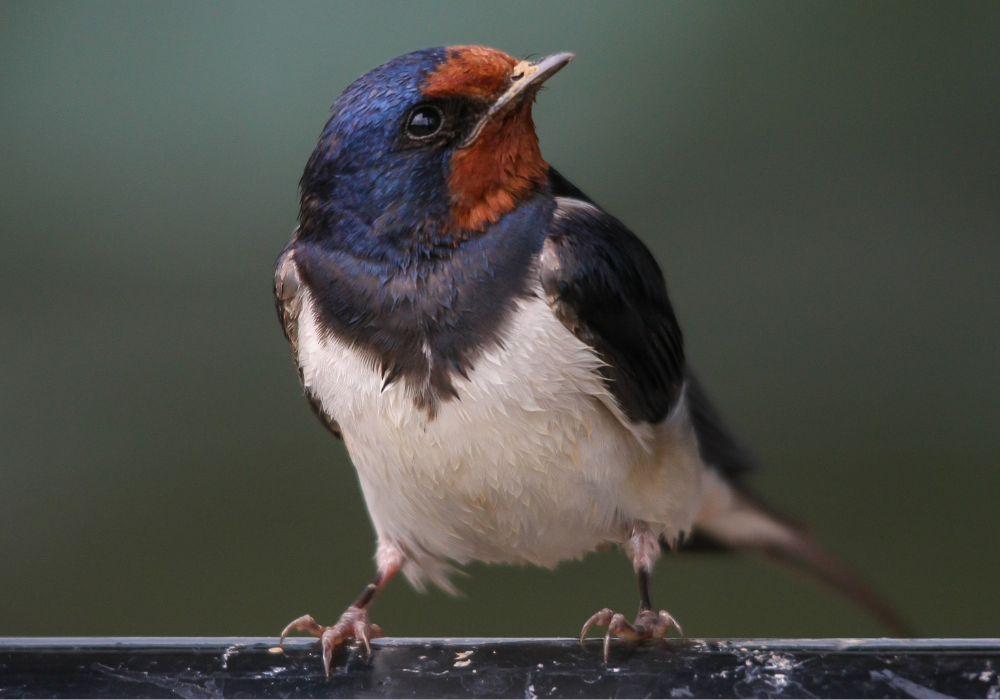
America’s Birds Are Disappearing—And It’s Worse Than Anyone Thought

A third of U.S. bird species are vanishing—and nearly 80 are in freefall.

©Image license via Canva

The State of the Birds 2025 report delivers a sobering wake-up call: one-third of all bird species in the United States are now in decline. Nearly 80 species have lost more than half their populations over the past five decades—and they’re still disappearing. Compiled by top conservation and scientific organizations, the report warns of an accelerating collapse tied to habitat loss, climate change, and human activity.

From songbirds to shorebirds, once-familiar species are vanishing from skies, forests, and wetlands across the country. Here’s what this alarming trend means for ecosystems, the planet, and our own future.

Read more

10 Artists Turning Trash Into Stunning Works of Environmental Art

Meet the visionaries using garbage to spark conversation and reimagine sustainability.

©Image license via Flickr

As the planet grapples with a growing waste crisis, a bold movement in the art world is turning discarded debris into creative protest. From ocean plastic and industrial scrap to e-waste and food packaging, artists are reclaiming what society throws away and transforming it into arresting works that challenge how we see the environment—and ourselves. These creators aren’t just making art; they’re raising awareness about consumption, pollution, and the consequences of throwaway culture.

Their works straddle the line between beauty and discomfort, forcing viewers to reckon with the materials we mindlessly discard. This fusion of environmentalism and artistry is reshaping both the gallery and the conversation, proving that even the ugliest remnants of human waste can become powerful, transformative symbols in the hands of visionaries who refuse to look away.

Read more