
Geologists say advanced analysis confirms the deposit’s scale, marking a rare find in modern mineral research.
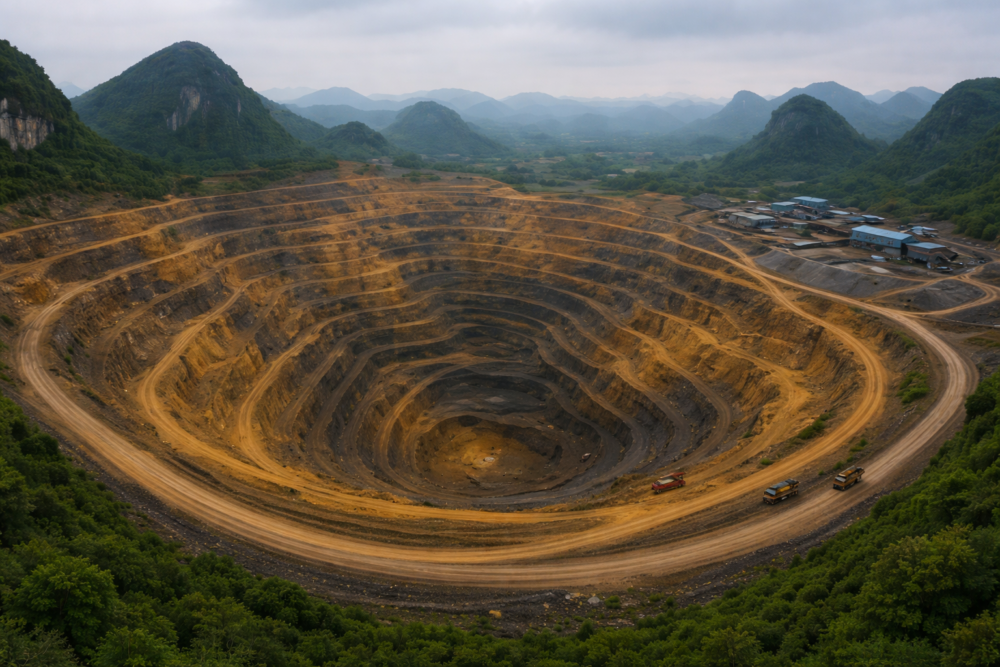
A team of geologists in China says it has mapped a “supergiant” gold system deep beneath the Wangu gold field in Hunan Province. Early drilling reportedly traced dozens of gold-bearing veins more than a mile underground, with models suggesting the resource could be far larger than first estimates.
If confirmed, it would rank among the biggest gold deposits described in recent scientific and technical reports. But size claims hinge on follow-up drilling and independent verification.
Either way, the find is a reminder that big discoveries can still happen — especially when modern imaging, core sampling, and 3D modeling are combined.
1. The Discovery Was Made Deep Underground
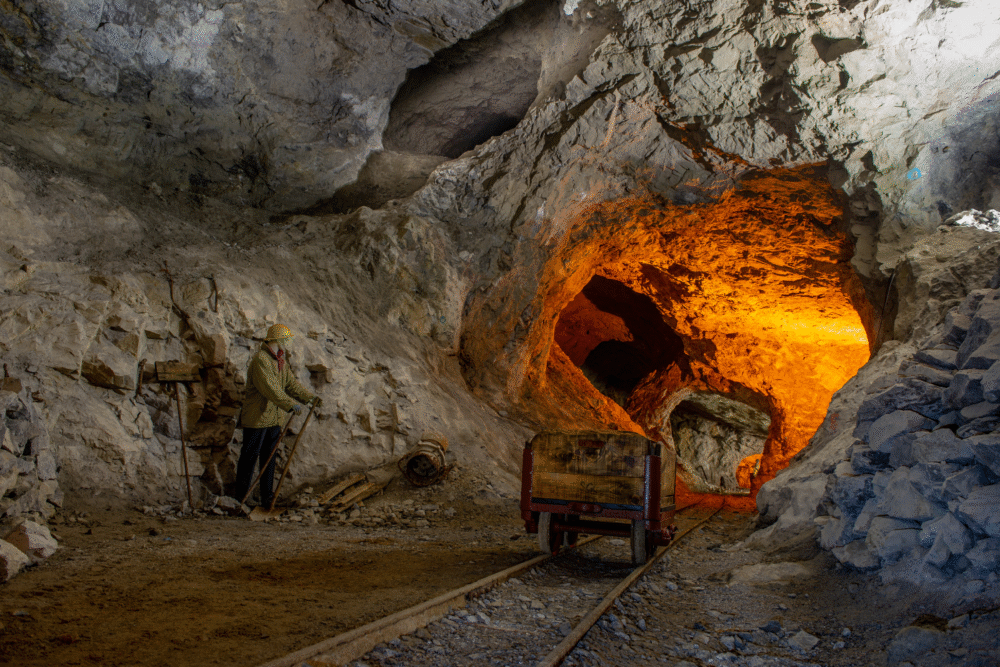
Geologists report that the gold system was identified far below the surface, at depths rarely explored in earlier mining campaigns. Advanced drilling reached more than a mile underground, where multiple gold-bearing veins were detected.
This depth is significant because many past surveys focused on shallower deposits. Modern equipment now allows scientists to probe far deeper, revealing mineral systems that would have been invisible just a few decades ago.
2. Scientists Used New Imaging and Modeling Tools
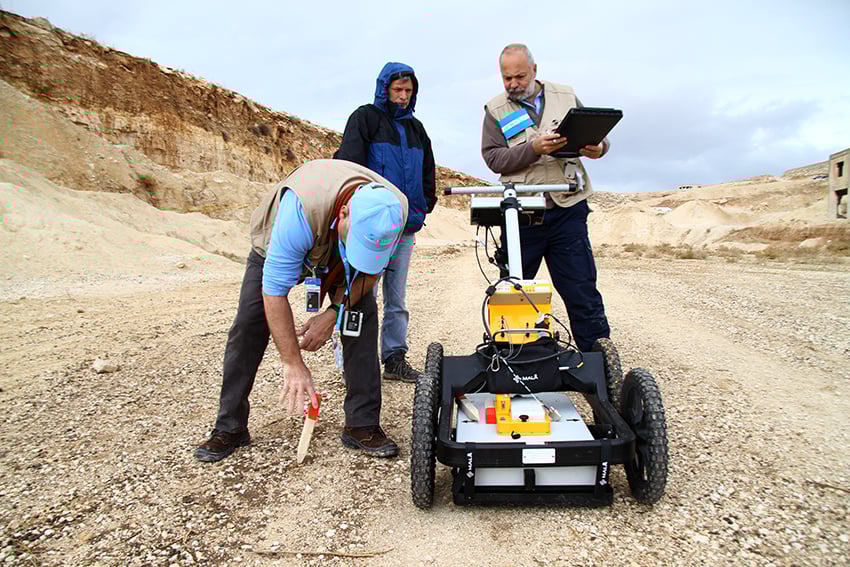
Rather than relying on surface clues alone, researchers combined drilling data with 3D geological modeling to map the gold system. This approach helps visualize how veins connect and how far they may extend underground.
These tools don’t just find gold — they estimate scale. By modeling vein density and continuity, scientists can predict whether a discovery represents a modest deposit or something far more significant.
3. The Deposit Appears Unusually Extensive
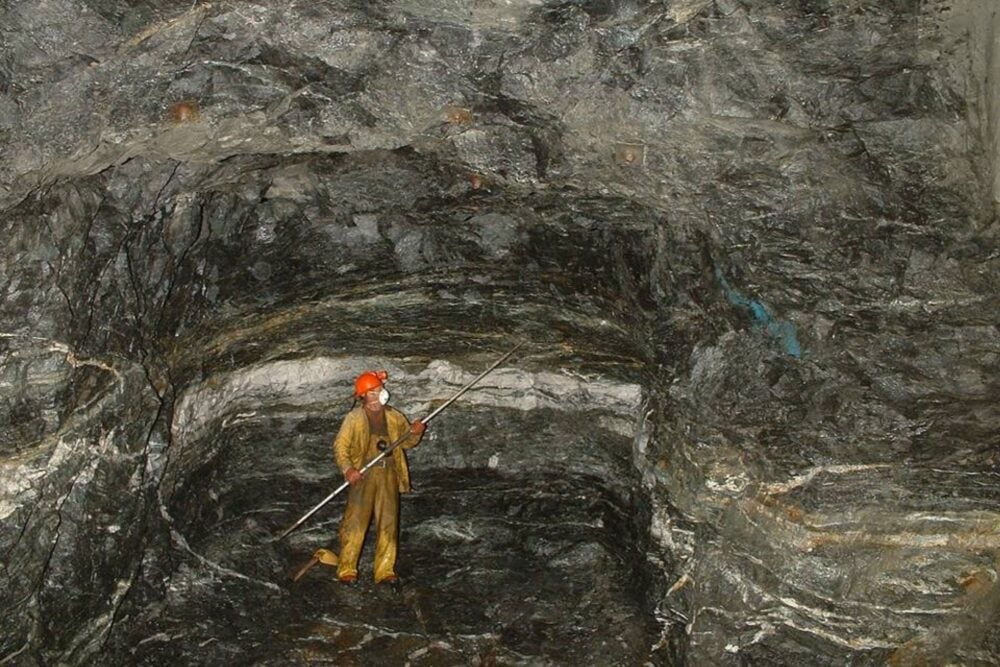
Early analysis suggests the gold-bearing veins stretch across a wide underground area, forming a complex network rather than a single isolated pocket. This kind of structure is often associated with very large mineral systems.
Experts caution that estimates will evolve as more data comes in, but the initial scope alone sets this discovery apart from typical finds reported in modern geological surveys.
4. High Gold Concentrations Caught Researchers’ Attention
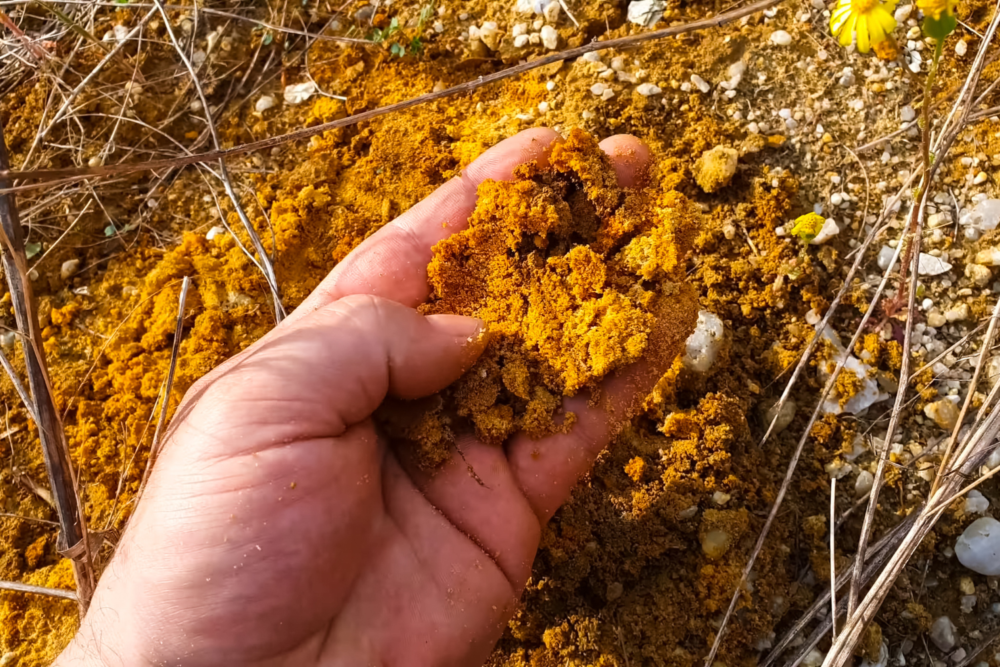
Some core samples reportedly showed gold concentrations far above what’s common in deep underground deposits. High-grade sections can dramatically affect how valuable and viable a deposit becomes.
While not every section is expected to be rich, even limited zones of high concentration can change how scientists evaluate the overall importance of the system.
5. Size Estimates Are Based on Careful Modeling

Claims about scale don’t come from a single drill hole. Instead, scientists use repeated sampling, structural analysis, and computer models to estimate how much gold may be present across the system.
These estimates are considered provisional until further drilling confirms them. Still, experts say the modeling methods used here are among the most advanced available today.
6. Verification Will Take Time
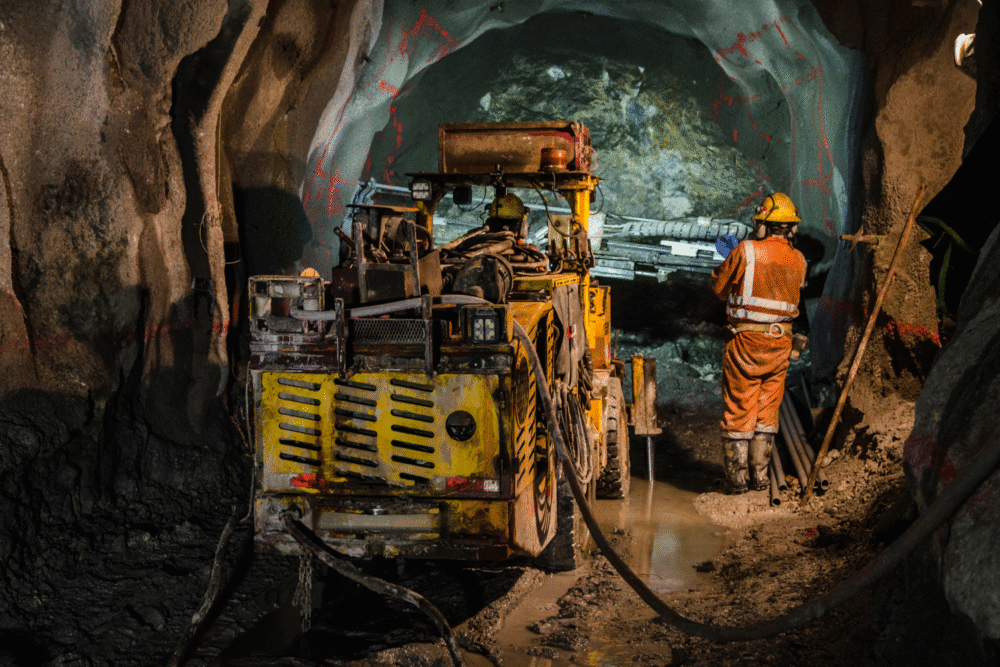
Researchers stress that large discoveries aren’t confirmed overnight. Independent studies, additional drilling, and long-term analysis are required before size claims are fully validated.
This cautious approach helps prevent overstatement and ensures that scientific conclusions hold up under scrutiny, especially when discoveries attract global attention.
7. The Find Challenges Assumptions About Known Regions
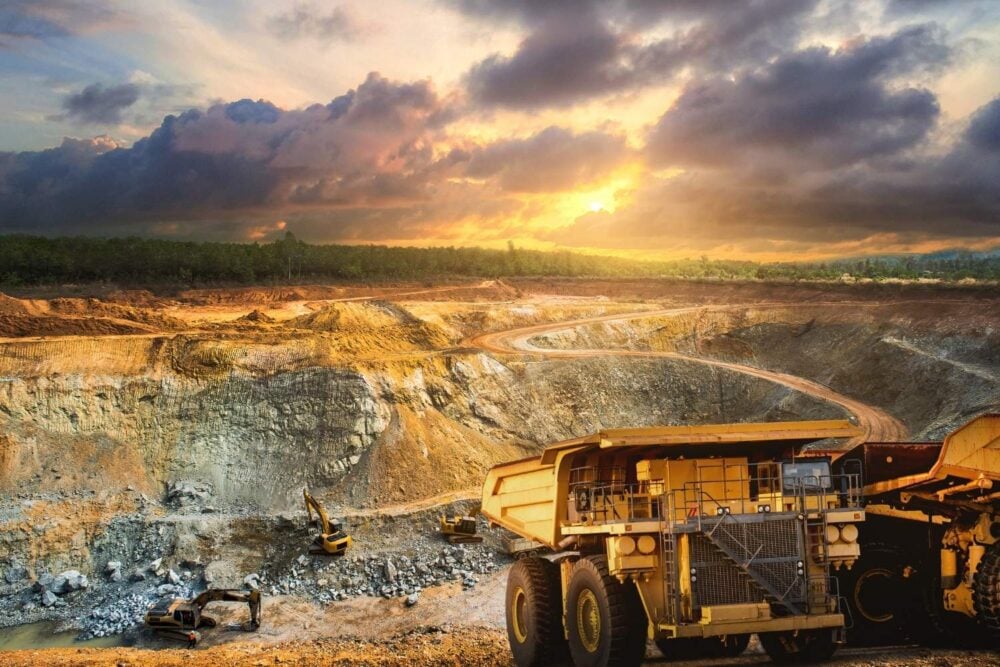
The area where the deposit was identified has been studied before, but not at this depth or with today’s technology. That suggests other “known” regions may still hold surprises.
Geologists say this discovery highlights how incomplete our understanding of Earth’s subsurface remains, even in places with long histories of mining and exploration.
8. Modern Technology Is Changing Gold Exploration
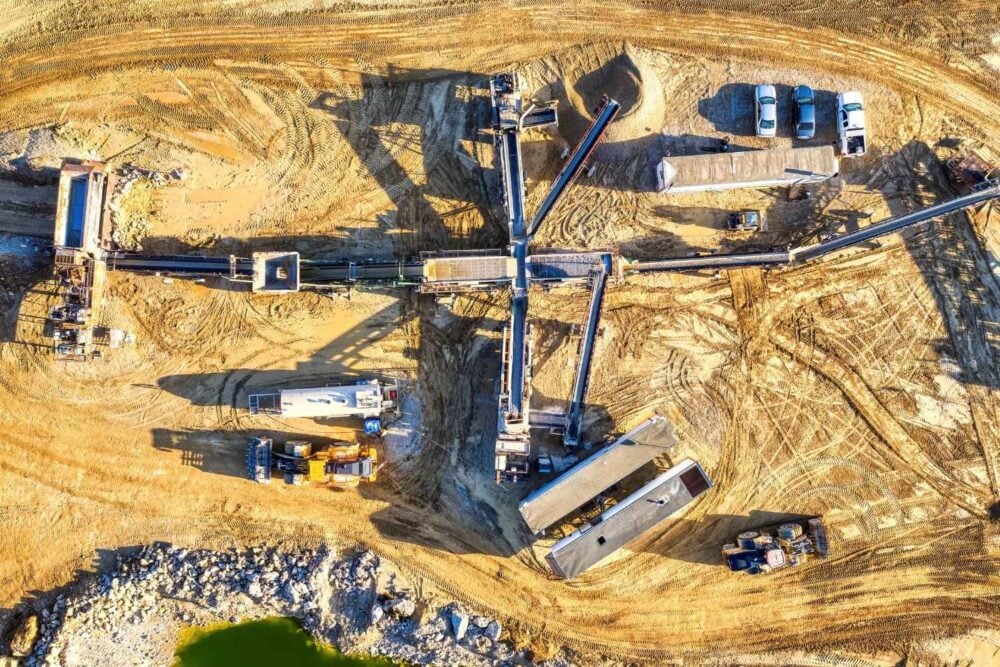
Advances in drilling precision, imaging, and data analysis are allowing scientists to explore deeper and more efficiently than ever. This discovery reflects that broader shift across mineral research.
As technology improves, experts expect more deep, previously overlooked systems to be identified — not just for gold, but for other critical resources as well.
9. Economic Impact Isn’t the Focus Yet

At this stage, researchers are focused on geological understanding rather than mining timelines or economic outcomes. Scientific validation comes first, before any discussions of extraction.
Experts note that many large discoveries never become active mines, depending on feasibility, cost, and environmental considerations. Discovery alone doesn’t guarantee development.
10. The Discovery Shows Big Finds Are Still Possible
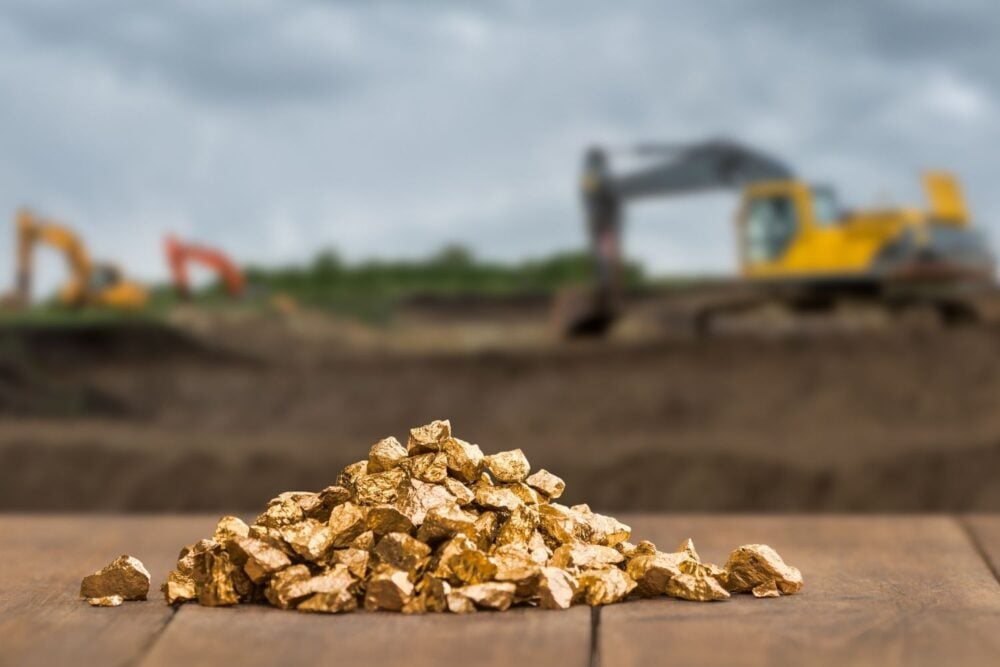
For years, some believed most major gold deposits had already been found. This research challenges that idea, showing that Earth still holds large, hidden systems waiting to be mapped.
Scientists say the real significance lies not just in the gold itself, but in what the discovery reveals about how modern science can reshape our understanding of the planet beneath our feet.