
Experts are monitoring Mt. Spurr closely as seismic activity raises concern.

Mt. Spurr, a volcano about 80 miles west of Anchorage, has shown signs of unrest that experts say make an eruption “likely” within the next few weeks to months. Volcanic gas emissions, hundreds of small, shallow earthquakes, rising ground deformation, and reactivated gas vents at its Crater Peak vent are all pushing Alaska Volcano Observatory scientists to warn residents. While no eruption is certain, officials are urging people in Southcentral Alaska to prepare for ashfall, travel disruptions, and possible health risks.
1. Mt. Spurr Shows Troubling Signs of Unrest

Mt. Spurr, located about 80 miles west of Anchorage, is one of Alaska’s most closely watched volcanoes. In early 2025, scientists detected an unusual combination of rising gas emissions, shallow earthquakes, and surface deformation around its Crater Peak vent.
These signs indicate that magma could be moving beneath the surface. While such activity doesn’t always lead to an eruption, experts raised the volcano’s alert level, warning residents that a significant event was possible in the coming weeks or months.
2. Why Mt. Spurr Is Considered High Risk

Mt. Spurr has a history of explosive eruptions, including a powerful 1992 event that sent ash as far as Colorado. That eruption disrupted flights and blanketed Anchorage with volcanic debris, demonstrating the far-reaching consequences of an Alaskan volcano.
Because Mt. Spurr sits near major air traffic routes, even a moderate eruption could ground flights across North America. For both local communities and international aviation, this volcano ranks among the most hazardous in the United States.
3. The Role of Earthquakes and Gas Vents

In early 2025, scientists recorded hundreds of small, shallow earthquakes beneath Mt. Spurr. At the same time, previously dormant gas vents began releasing plumes of steam and sulfur-rich gases. Both are considered early signs that magma might be rising.
The reactivation of fumaroles is particularly concerning. These openings in the volcano’s surface can indicate pathways for magma and gases, providing clues about internal pressure. Together with seismic activity, they painted a picture of a restless volcano preparing for change.
4. Alert Levels Raised and Lowered
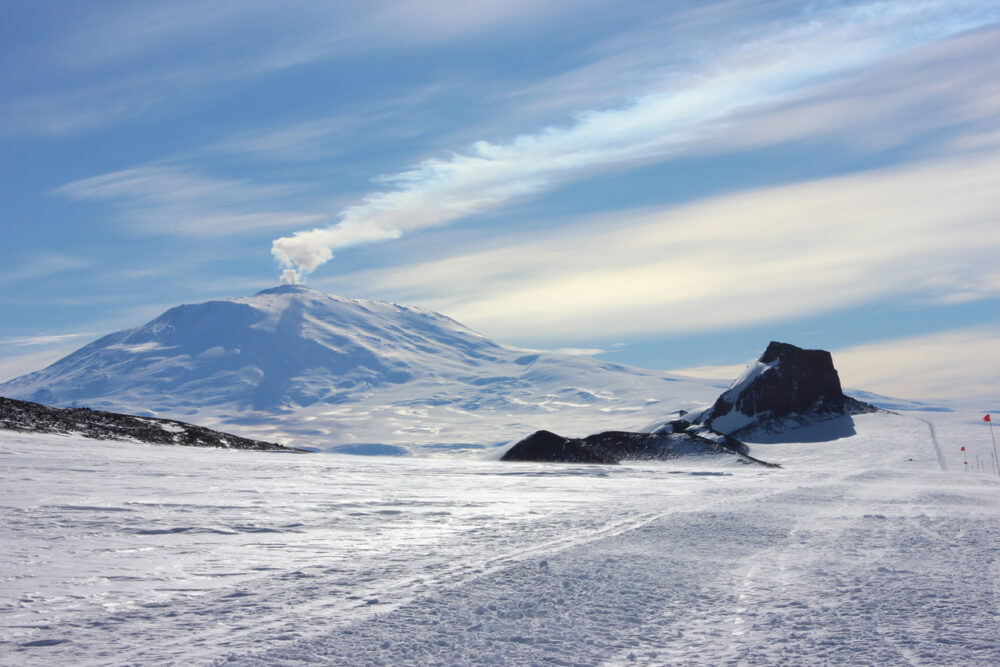
In March 2025, officials raised Mt. Spurr’s alert level to advisory, signaling that an eruption was considered likely in the near term. Aviation warnings were also issued because of the potential ash hazard.
By late summer, however, seismic activity slowed, gas emissions dropped, and ground deformation lessened. This allowed experts to lower the alert back to normal, though they cautioned that the volcano remains active and could awaken again with little notice.
5. Lessons From the 1992 Eruption

The 1992 eruption of Mt. Spurr offers a stark reminder of what’s at stake. That event sent a towering ash column into the sky, disrupting air travel across much of North America. Ash covered Anchorage, forcing closures and creating dangerous conditions.
Such eruptions are especially hazardous to airplanes, as volcanic ash can clog jet engines. Because modern air traffic over Alaska is even busier today, another large eruption could cause widespread disruption to international flights.
6. How Scientists Track the Volcano
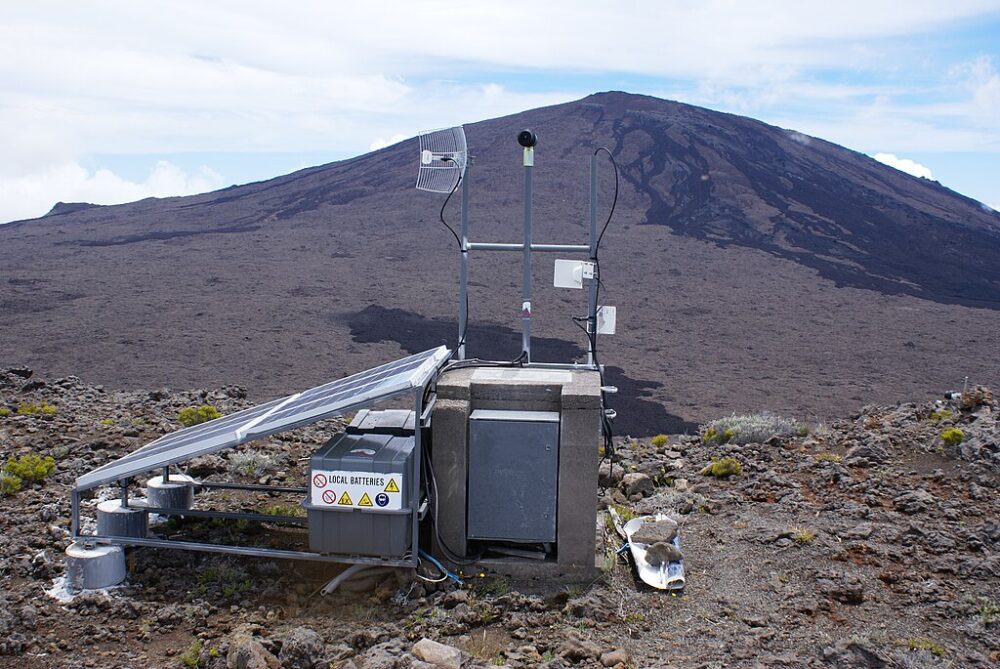
Monitoring Mt. Spurr involves a combination of seismic instruments, gas sensors, satellite imaging, and direct overflights. Each tool helps paint a picture of what’s happening inside the volcano.
For example, satellites can measure subtle swelling of the ground caused by rising magma. Gas sensors track changes in volcanic emissions, while seismic networks record tremors invisible to people on the surface. Together, these tools allow experts to give early warnings to communities at risk.
7. What an Eruption Could Look Like

If Mt. Spurr erupts again, scientists expect explosive activity similar to 1992. That could mean towering ash clouds, local ashfall, and disruptions to transportation.
The scale of the eruption would depend on how much magma rises and how much pressure builds inside the volcano. Even a smaller event could still affect aviation and deposit ash across populated areas. Because of its location, any eruption at Mt. Spurr would likely draw international attention.
8. Unrest Doesn’t Always Mean Eruption

Volcanologists emphasize that unrest does not guarantee an eruption. Mt. Spurr has shown signs of activity before, such as during 2004 to 2006, without actually erupting. In those cases, magma intruded but stalled underground.
Still, the possibility remains. Experts warn that each episode of unrest carries the risk of escalation. That is why authorities continue close monitoring, even when activity seems to calm down. The unpredictability of volcanoes makes vigilance essential.
9. Preparing for Ashfall in Alaska

One of the greatest concerns for residents is ashfall. Even a moderate eruption could blanket Anchorage and surrounding communities with volcanic ash. Ash can contaminate water supplies, damage machinery, and pose health risks when inhaled.
Authorities encourage residents to prepare by storing clean water, keeping air filters on hand, and having protective masks available. These steps, while simple, can help reduce the impact of ashfall and keep families safer if Mt. Spurr erupts again.
10. Aviation Hazards Extend Worldwide

Alaska’s airspace is one of the busiest in the world for international travel. Many flights between North America, Europe, and Asia pass directly over the region. An eruption at Mt. Spurr could force rerouting or cancelation of hundreds of flights.
Volcanic ash is particularly dangerous to airplanes because it can melt inside jet engines, causing sudden failures. Even a small eruption can create no-fly zones stretching thousands of miles, highlighting why Mt. Spurr is closely tracked by aviation authorities worldwide.
11. Scientists Urge Continued Vigilance

Although activity has quieted since the peak of early 2025, scientists stress that Mt. Spurr remains a dangerous volcano. Conditions can change quickly, and the mountain’s history proves it is capable of powerful eruptions.
The Alaska Volcano Observatory continues to monitor the volcano around the clock. Experts say residents and travelers alike should stay informed about alerts and advisories. While no one can predict the exact timing of an eruption, preparation and awareness can greatly reduce the risks when a hazardous volcano stirs.