
Scientists say rising temperatures have allowed mosquitoes to survive in Iceland for the first time.
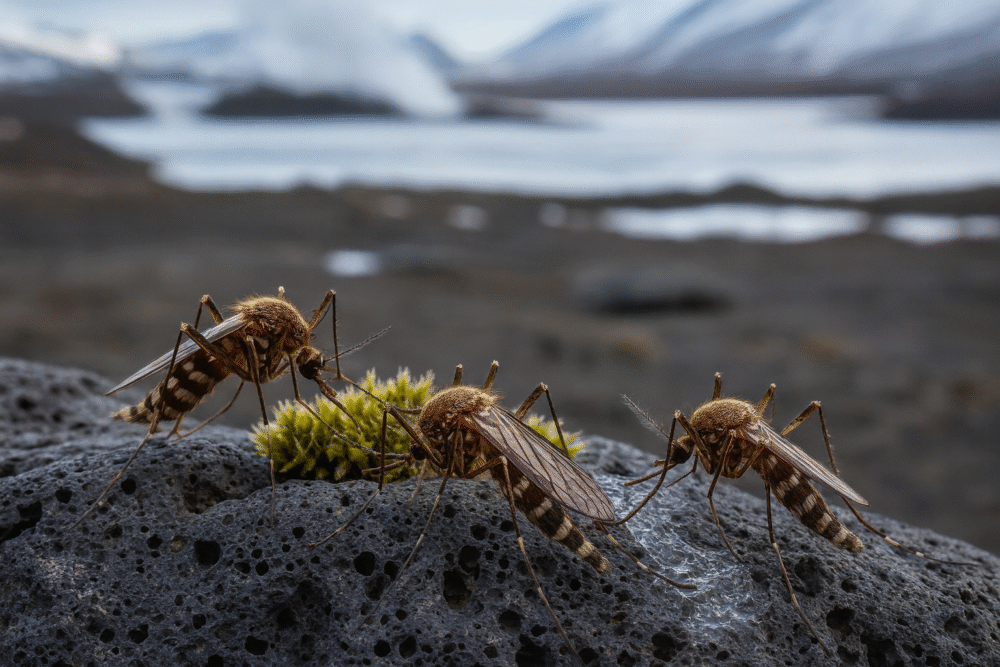
For the first time in recorded history, mosquitoes have been detected in Iceland—a country long known for its mosquito-free environment. Researchers at the Icelandic Institute of Natural History say warmer temperatures and milder winters have enabled the insects to complete their life cycle on the island. The discovery highlights how climate change is transforming ecosystems even in Earth’s coldest regions, raising concerns about future disease risks and biodiversity shifts as global temperatures continue to rise.
1. Mosquitoes Detected in Iceland for the First Time
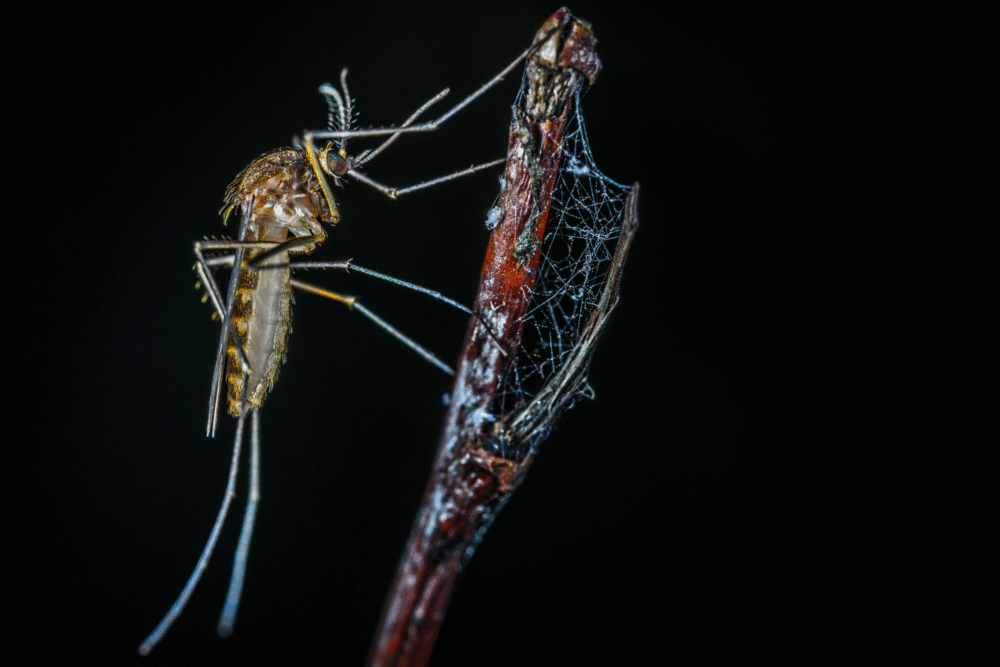
For the first time in recorded history, scientists have confirmed the presence of mosquitoes in Iceland. Three individuals of the species Culiseta annulata were found in the Kjós area, near Reykjavík, in mid-October 2025. Entomologists at the Icelandic Institute of Natural History verified the discovery, marking a milestone for the country long known as one of the few places on Earth without native mosquitoes.
This development indicates that environmental conditions on the island have changed enough to allow the insects to survive — something previously thought impossible given Iceland’s cold climate and short summers.
2. Warming Climate Made Survival Possible
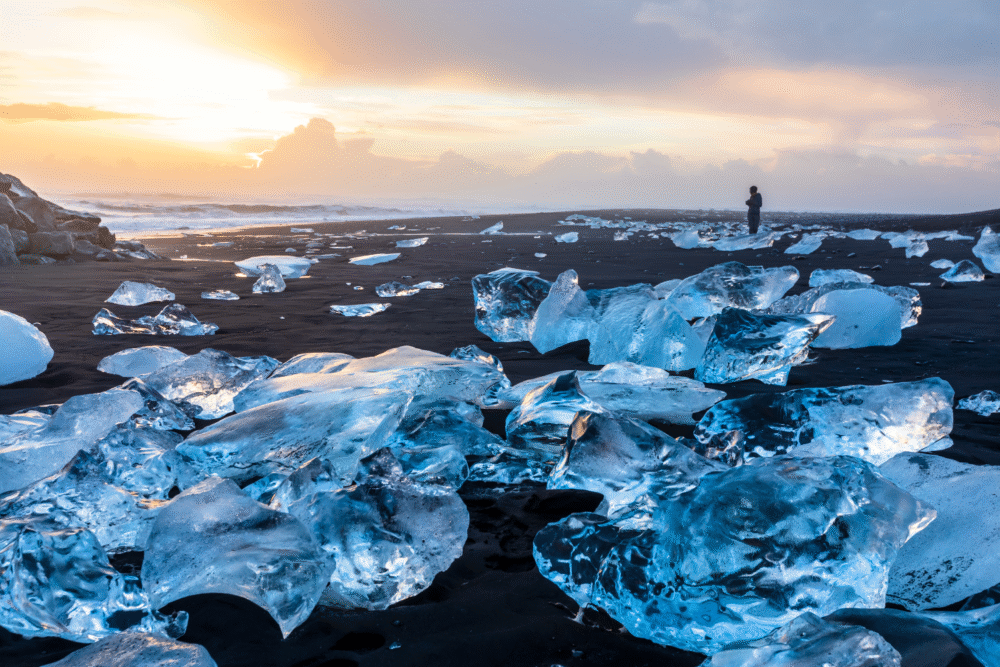
Researchers attribute the arrival of mosquitoes to Iceland’s rapidly warming climate. The nation has been heating roughly four times faster than the global average, with milder winters and longer summers creating favorable breeding conditions.
This shift has allowed Culiseta annulata, a cold-tolerant mosquito species common in northern Europe, to complete its life cycle for the first time in Iceland. Scientists say it’s a striking example of how even subtle temperature increases can transform ecosystems once considered too harsh for insect life.
3. Local Habitats Are Ideal for Mosquito Breeding
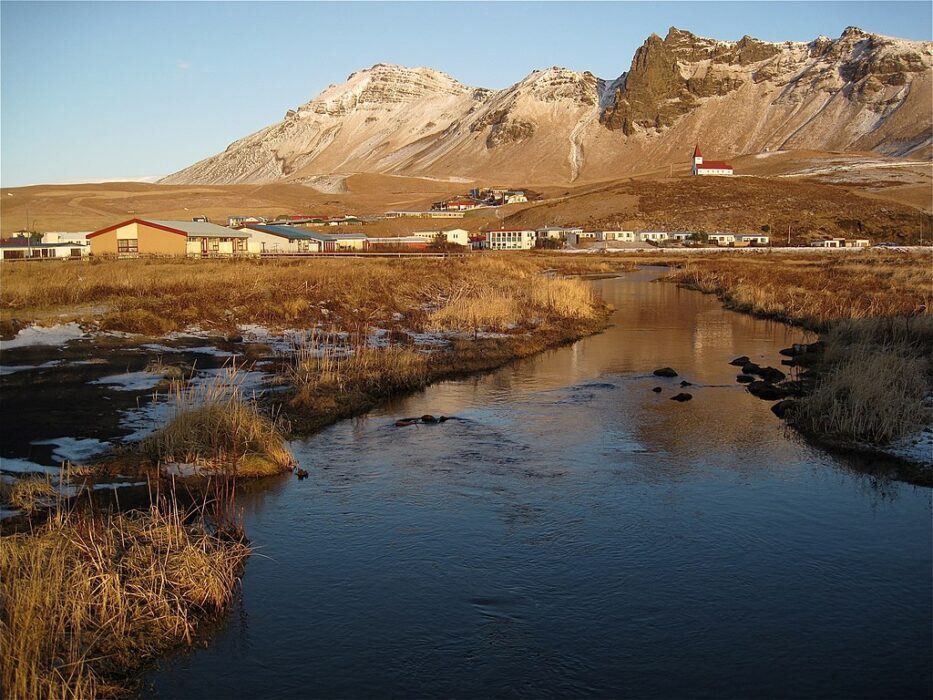
Despite its cold reputation, Iceland’s wetlands, ponds, and shallow pools provide the still water mosquitoes need for breeding. For decades, the country’s frigid climate kept those habitats mosquito-free — but warming has now tipped the balance.
Experts note that these habitats could support more extensive mosquito populations if the warming trend continues. The same ponds that sustain migratory birds and local wildlife could soon become permanent breeding grounds for insects that were once unable to survive there.
4. Human Activity Likely Aided Their Introduction
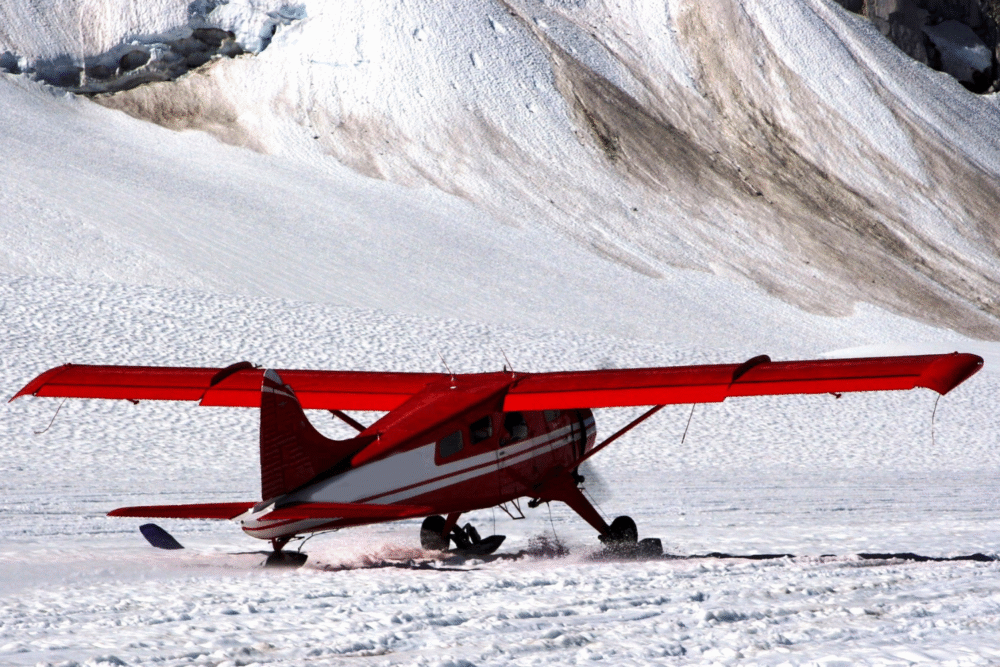
While the warming climate has enabled mosquitoes to survive, human movement may have brought them to the island in the first place. Cargo ships, airplanes, and imported plants are common pathways for insects to spread to new regions.
Once introduced, species like Culiseta annulata can establish small populations quickly if conditions are right. Researchers suspect that a few individuals may have arrived unnoticed in recent years and only now managed to persist through an entire breeding season.
5. Immediate Health Risks Remain Low
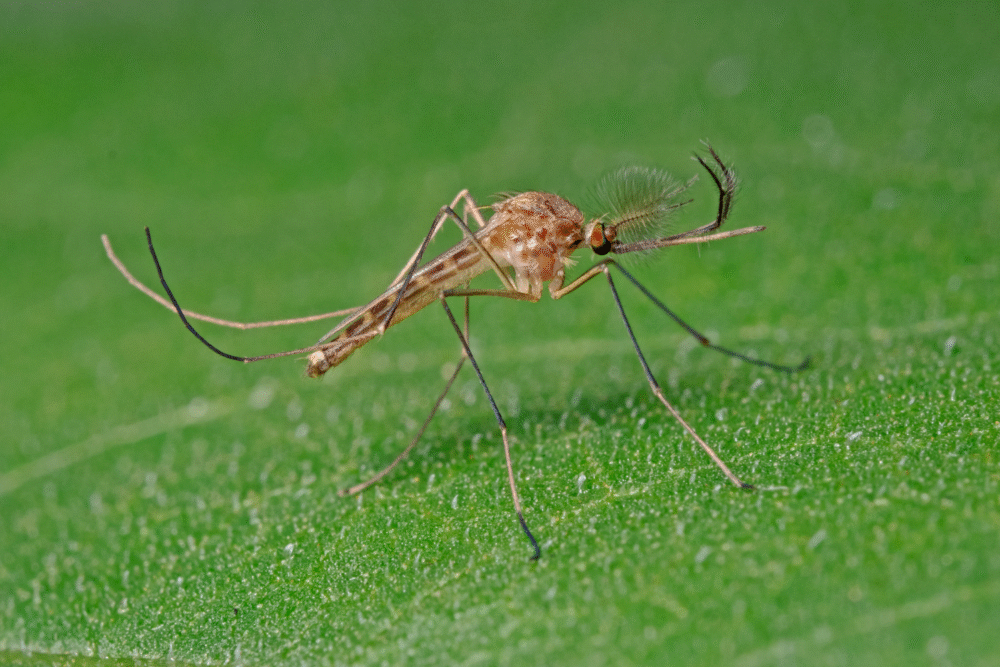
Scientists emphasize that Iceland’s newly discovered mosquitoes pose little direct danger to public health. Culiseta annulata is not a major vector for diseases such as malaria, dengue, or Zika, and no pathogens have been detected in the captured specimens.
Still, health authorities are urging vigilance. As climates warm and other mosquito species migrate north, the potential for disease-carrying insects to reach Iceland could increase. Monitoring programs are being expanded to detect any new arrivals early.
6. A Symbolic Loss for One of the Last Mosquito-Free Regions
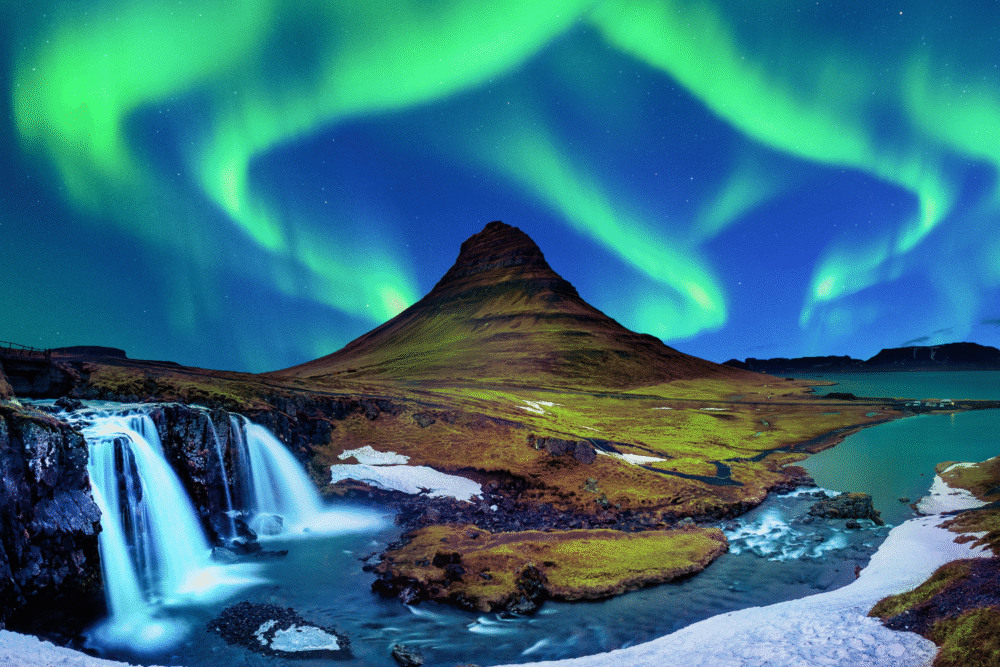
Iceland’s reputation as one of the world’s last mosquito-free environments has now come to an end. The discovery leaves only Antarctica entirely free of mosquitoes, highlighting how few refuges remain untouched by the effects of global warming.
The change is more than symbolic — it reflects how quickly environmental boundaries are breaking down. Scientists say even small biological shifts like this are evidence of profound ecological transformation underway across the planet.
7. Climate Change Is Reshaping Insect Distribution
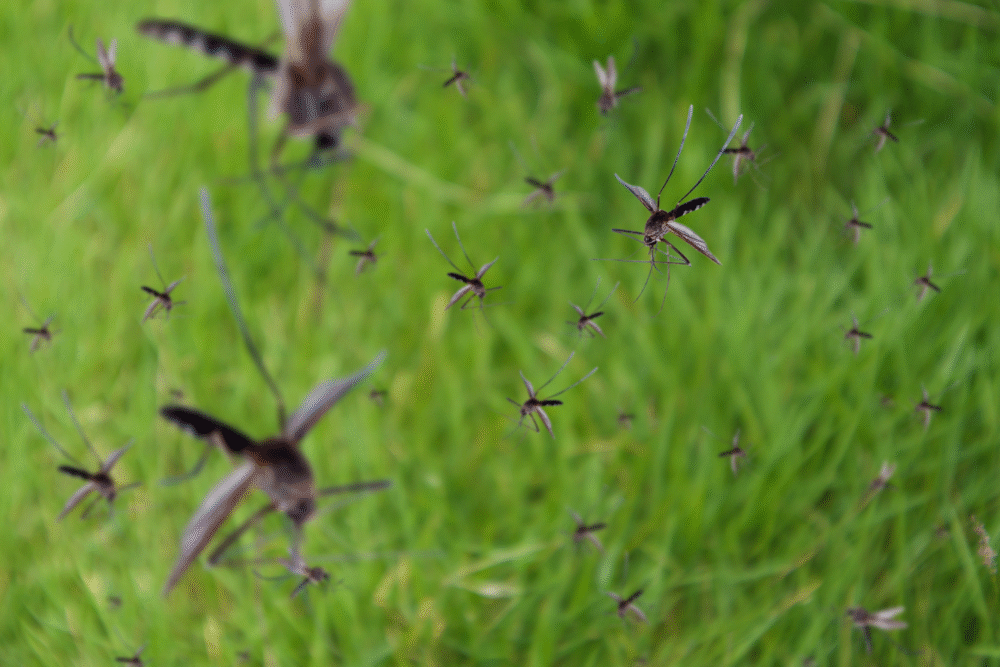
The presence of mosquitoes in Iceland aligns with a larger global trend of insects expanding their ranges northward. From Alaska to Scandinavia, species once limited to temperate zones are now appearing in polar and subarctic regions.
Researchers warn that these migrations could disrupt native ecosystems and introduce new parasites or diseases to vulnerable wildlife. The Iceland finding adds another data point showing that climate change is altering biodiversity in measurable ways.
8. Mosquito Survival Reflects Warmer, Shorter Winters
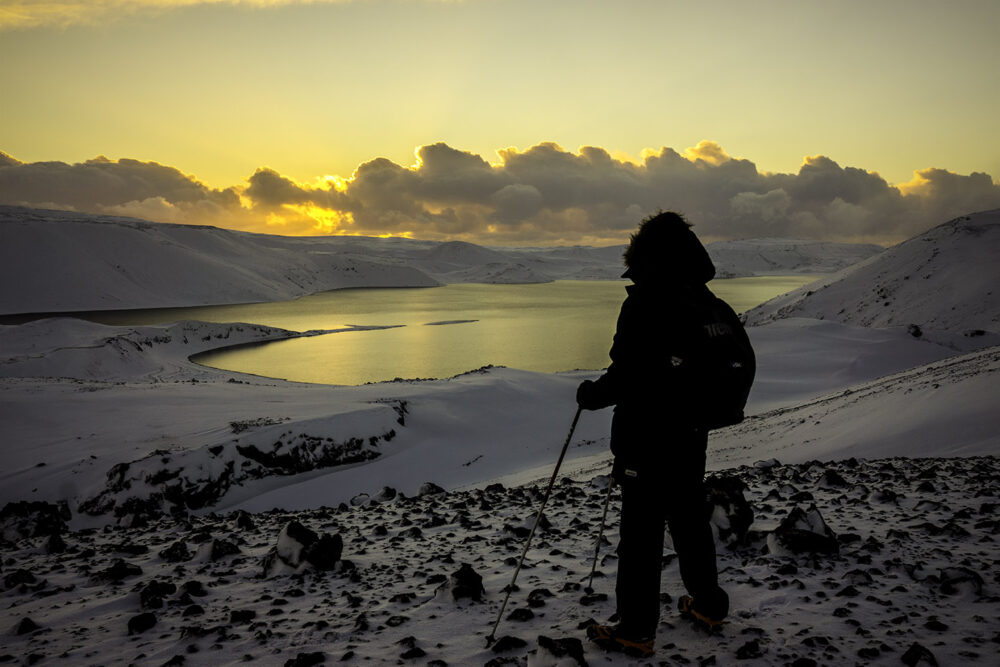
Historically, Iceland’s freezing winters killed off any insects that might have arrived during warmer months. But recent winters have been significantly milder, with fewer days of sustained subzero temperatures.
These shorter, warmer winters allow mosquitoes to overwinter successfully — a biological first for the region. Entomologists believe that if the warming trend continues, mosquitoes could become a permanent part of Iceland’s insect fauna within a decade.
9. Scientists Are Expanding Monitoring Efforts
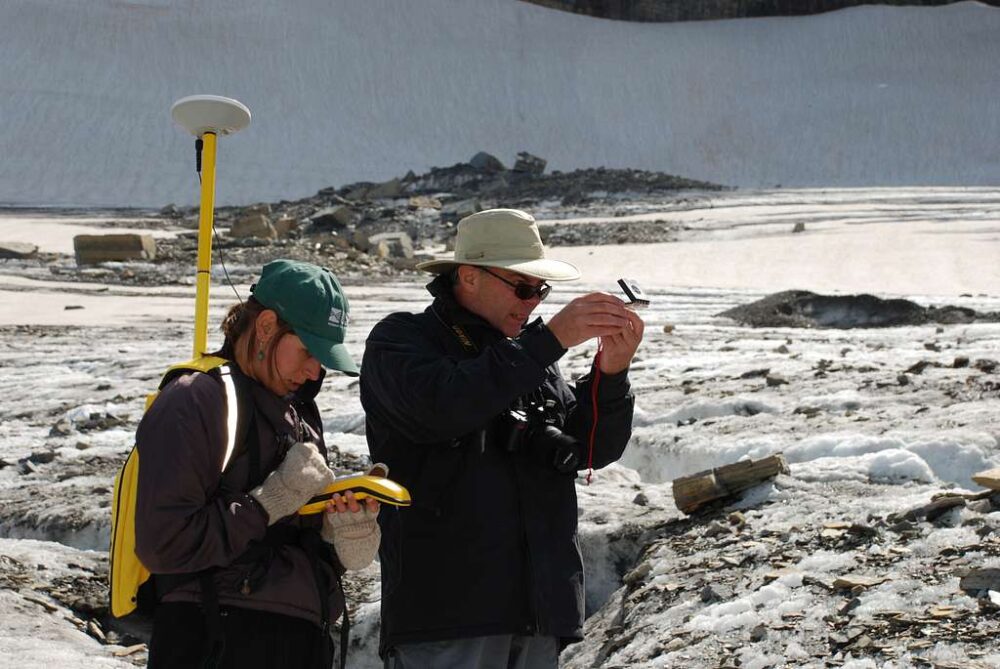
Following the discovery, Icelandic researchers have launched new monitoring programs to track mosquito activity across multiple regions. Sampling traps are being placed in wetlands, urban gardens, and near shipping ports to assess whether breeding populations exist.
The goal is to determine if the insects can survive multiple generations in the wild, or if the October finding represents an isolated case. Continued surveillance will help scientists understand how rapidly the species might spread and whether preventive measures are needed.
10. A Warning Sign for a Rapidly Changing Planet
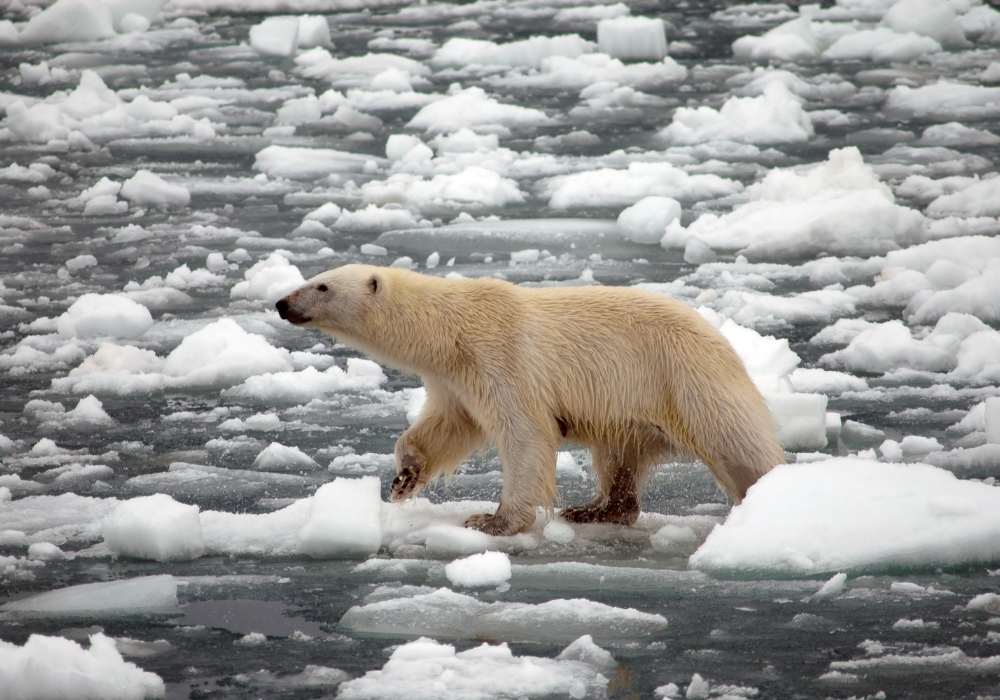
Experts view the appearance of mosquitoes in Iceland as a clear indicator of accelerating climate change. For decades, the island’s harsh environment symbolized the limits of insect survival — limits that are now shifting northward.
The finding serves as both a scientific milestone and a cautionary message: no region, however remote, is immune to the effects of global warming. As the planet warms, even the coldest corners of Earth are witnessing ecological changes that once seemed unimaginable.