
Ancient needlework found in a cave pushes the origins of tailored clothing back to the end of the Ice Age.
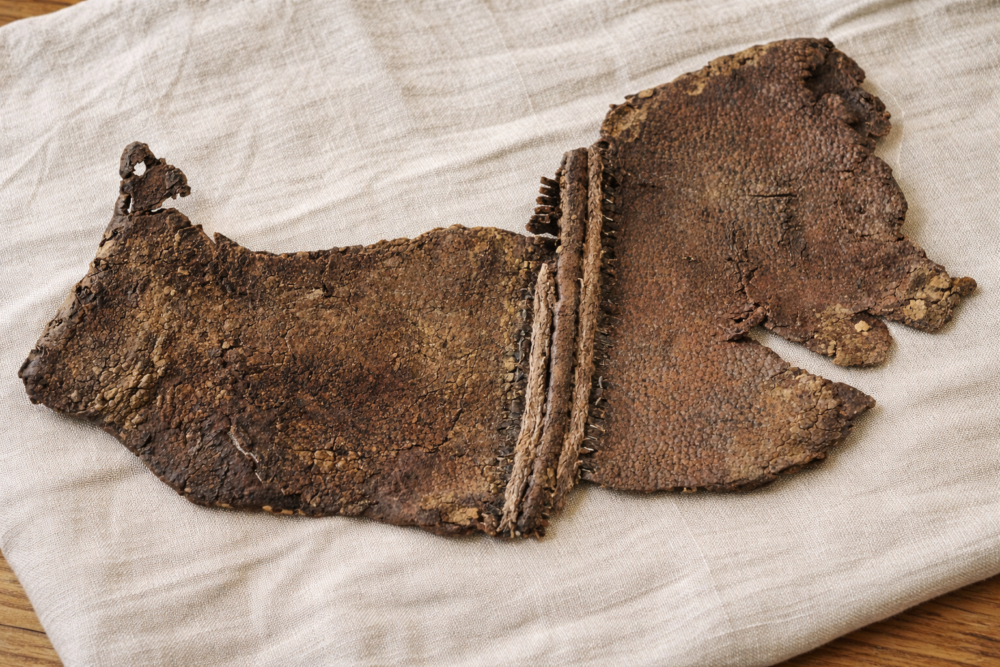
For most of human history, people made do with animal skins, fur, and simple wraps. But a remarkable archaeological discovery is rewriting that story. Deep in an Ice Age cave in what is now Oregon, researchers uncovered evidence of sewn clothing far older than any previously documented.
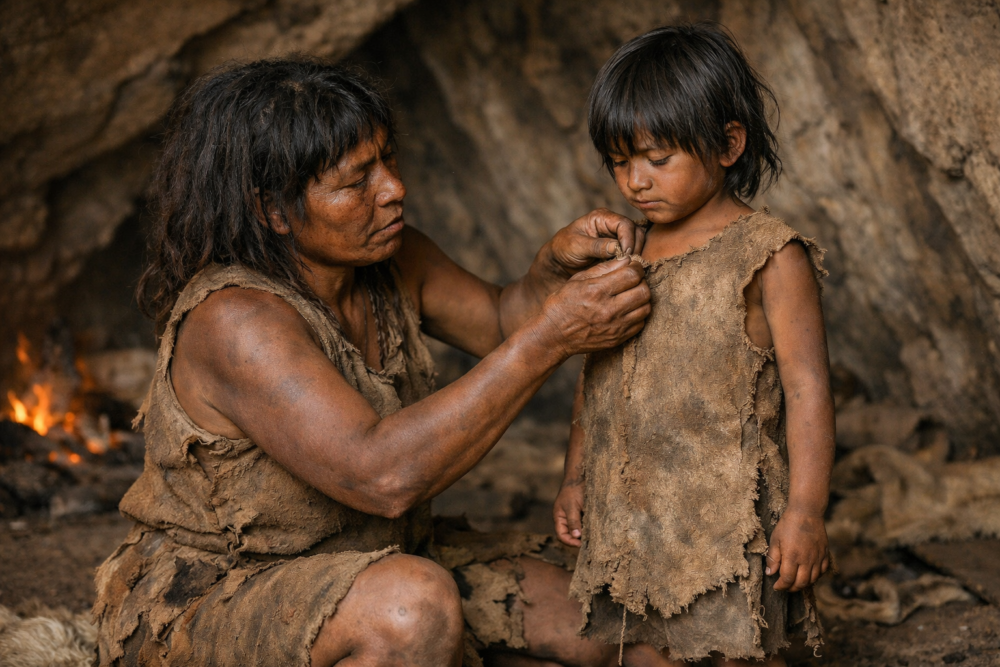
Fragments of hides and early sewing tools suggest that our ancestors were not just draping themselves in skins. They were tailoring them with bone needles and thread, adapting garments with surprising skill to cope with cold climates.
This breakthrough pushes back the timeline for tailored clothing deep into the end of the last Ice Age and offers new insight into how early humans survived in harsh environments.
1. The Discovery in an Oregon Ice Age Cave
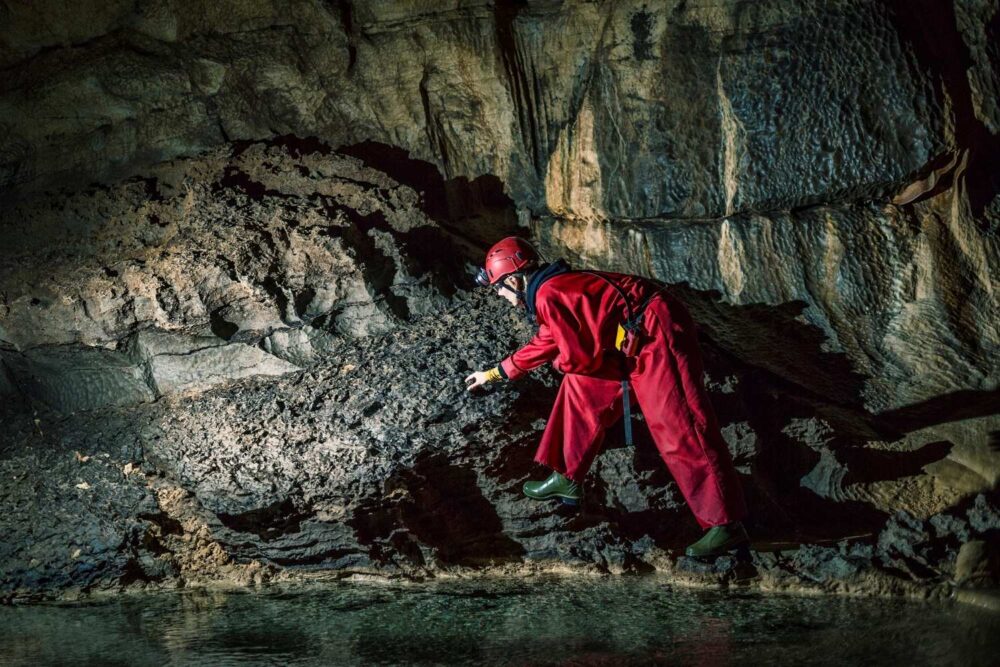
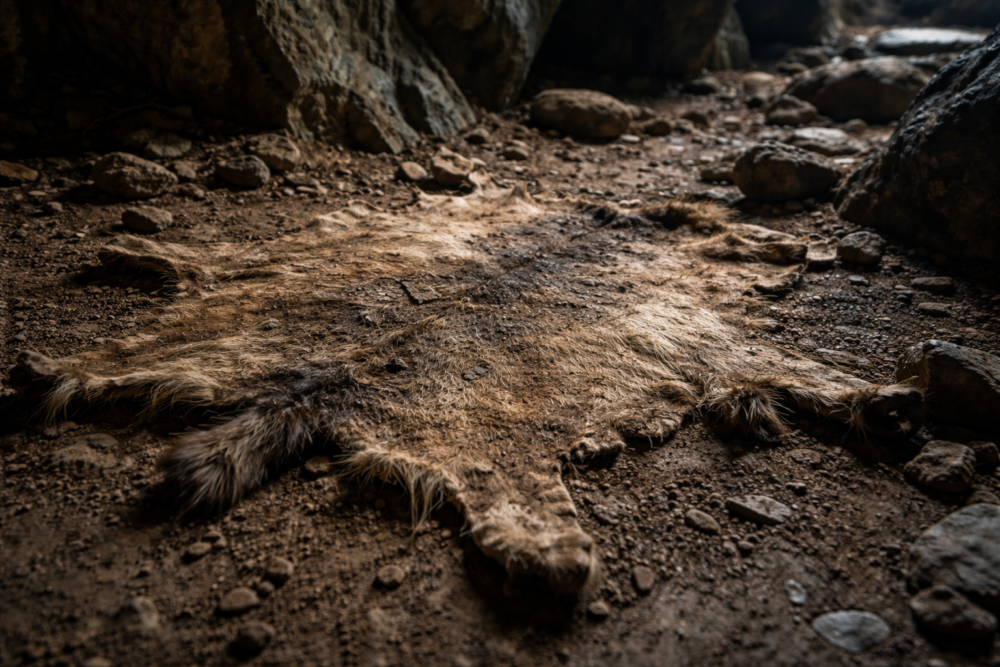
In a high desert cave in eastern Oregon, archaeologists found fragments of worked animal hides and sewing implements alongside ice age tools, challenging long-held assumptions about early clothing.
The hide fragments show cut marks consistent with intentional shaping, and impressions that suggest stitching had once held them together. These clues indicate that people living at the end of the last Ice Age were making fitted clothing, not just simple drapes.
2. The Role of Bone Needles
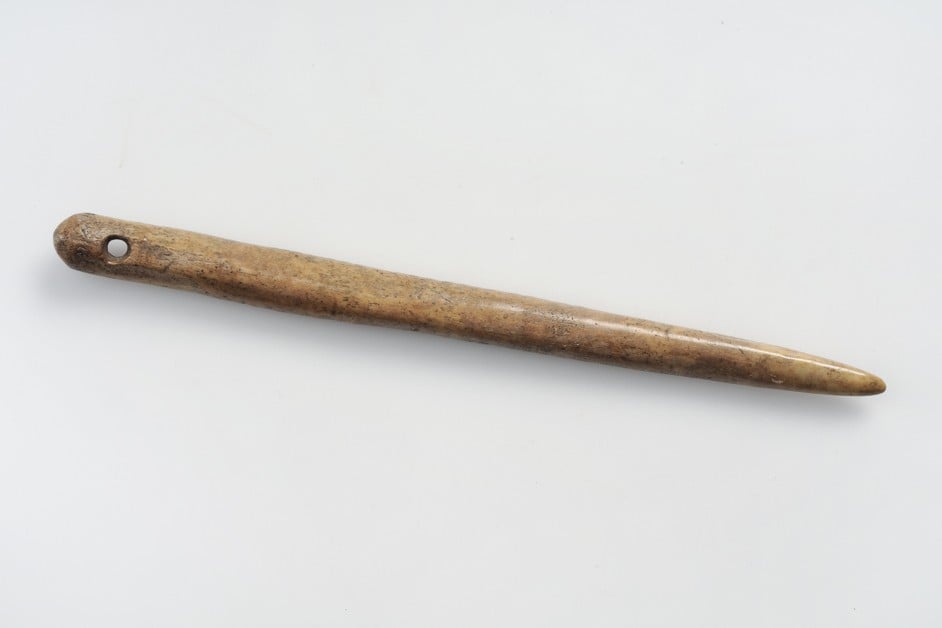
Among the artifacts were bone needles with worn tips and eye holes — unmistakable signs of repeated use in sewing. These tools are among the oldest needlework implements ever found in North America.
The presence of bone needles alongside prepared hides suggests that early humans were making tailored garments, not just punching holes in skins. That implies a sophisticated understanding of materials and a planned approach to warmth and protection.
3. Dating the Clothing to the Ice Age

Radiocarbon dating places these items at around 12,000 to 13,000 years old, near the end of the last glacial period. That timeline makes these some of the earliest direct evidence of sewn clothing anywhere in the world.
Other sites of similar age in Alaska and Eurasia have produced tools and hide scraps, but the Oregon finds stand out for the combination of tools and working traces that strongly suggest intentional garment production.
4. Tailoring for Cold Conditions

During the Ice Age, temperatures in North America were harsh, with long winters and extreme seasonal swings. Simple drapes of hide would have offered limited protection.
Sewn clothing would have allowed early humans to create fitted garments that trapped heat more efficiently, reduced wind chill, and gave wearers greater mobility and endurance in demanding landscapes.
5. From Drapes to Fitted Garments

Before this discovery, most archaeologists believed early clothing was little more than wrapped skins held by pins or thongs. The Oregon evidence suggests a transition to more tailored garments occurred earlier than many expected.
This shift parallels other technological advances of the period, including more specialized stone tools and the beginnings of large-game hunting technologies, indicating a leap in adaptive strategies.
6. How Sewing Changes Our View of Early Culture
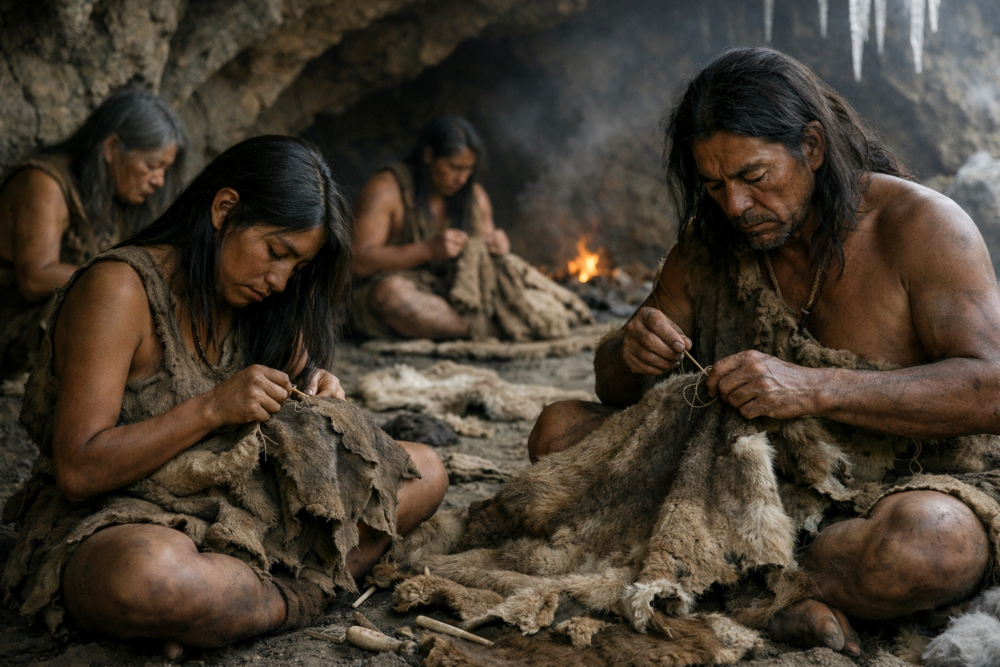
Sewing requires time, materials, and skill. It implies planning, shared knowledge, and perhaps even apprenticeship. These are hallmarks of complex human behavior.
The presence of sewing tools in a household context suggests that making clothes was not a rare event but likely a regular task in these communities, passed down and refined over generations.
7. Clothing as Protection and Identity

In cold, unpredictable environments, functional clothing would have been crucial. But tailored garments may have also conveyed identity, status, or group affiliation.
Patterns of stitch work, material choices, and methods of assembly could vary between groups, serving both practical and social functions in early human societies.
8. Comparisons With Other Early Finds
Similar evidence for sewing and tailored clothing — including bone needles and hide remains — has been found in sites across Siberia and Alaska from roughly the same period.
Those parallel discoveries suggest that the development of sewn clothing was not a one-off event but part of a broader adaptive trend among humans migrating across northern landscapes at the end of the Ice Age.
9. Sewn Clothing and Human Survival

Warm, well-fitted clothing would have been key for success in extreme conditions. It made long hunts, seasonal migrations, and life far from temperate zones possible.
This discovery reinforces how human innovation was driven not just by tools for food acquisition but also by technologies for protection and resilience.
10. Tools, Materials, and Techniques

Bone needles were strong and could be sharpened repeatedly, but they required cordage or sinew for thread, which also needed skill to prepare and use.
The hides show careful scraping and tanning techniques, hinting at a deep understanding of animal materials and how best to manipulate them for clothing that would last.
11. The Bigger Picture for Human History

Finding the oldest sewn clothing expands our understanding of what early humans valued and how they adapted. It highlights the importance of technology in shaping daily life, long before agriculture or written history.
These garments were not luxuries but essentials — anchors of survival that helped humans flourish in some of the toughest environments on Earth.
12. What Still Remains a Mystery
While these discoveries push back the timeline for sewn clothing, many questions remain. How widespread were these technologies? Did styles differ between groups? And what other early innovations are waiting to be uncovered?
Each new find adds depth to the story of human ingenuity and reminds us that even the clothes we take for granted once represented a major leap forward in how people lived, moved, and survived in the world.