
Scientists say the find rewrites part of dinosaur history and reveals an ancient ancestor.

Deep in Mongolia’s Eastern Gobi, paleontologists have uncovered Zavacephale rinpoche, the oldest dome-headed dinosaur ever found. Its exquisitely preserved skull was exposed “on a cliff like a cabochon jewel,” giving scientists a rare, almost complete look at a pachycephalosaur from the Early Cretaceous, about 115-108 million years ago. The specimen isn’t fully grown—but already sports a full dome, challenging the idea that skull domes only form in adulthood. At under one meter long and about ten kilograms, it offers fresh clues about dinosaur evolution.
1. A Rare Fossil Emerges in Mongolia’s Gobi Desert
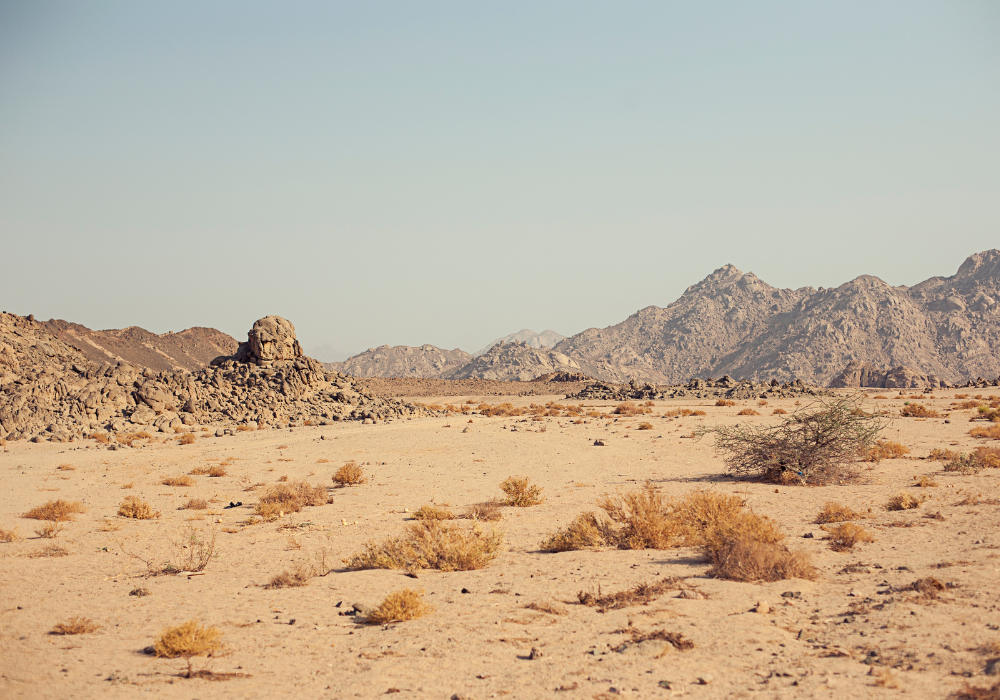
Paleontologists working in Mongolia’s Eastern Gobi uncovered a remarkable fossil: the skull of Zavacephale rinpoche, the oldest dome-headed dinosaur ever found. This pachycephalosaur dates back about 115–108 million years to the Early Cretaceous period.
The fossil was found in stunning condition. Scientists described the skull as lying “on a cliff like a cabochon jewel,” perfectly preserved. Such a discovery is rare in this region, where erosion often scatters bones. The find provides new insight into the origins of one of the dinosaur world’s strangest groups.
2. Meet Zavacephale rinpoche

The newly described dinosaur has been named Zavacephale rinpoche, meaning “jewel head” in honor of both its skull shape and the way it was discovered. The name reflects its scientific and symbolic importance.
This small pachycephalosaur likely measured less than a meter long and weighed about ten kilograms. Despite its size, its most striking feature was a rounded dome on its skull. That dome links it to later relatives like Pachycephalosaurus, famous for their thick heads and supposed head-butting behavior.
3. The Oldest Dome-Headed Dinosaur Yet

Before this find, most pachycephalosaur fossils came from the Late Cretaceous period, around 80 to 66 million years ago. The discovery of Zavacephale pushes the origin of dome-headed dinosaurs back tens of millions of years.
Dating to the Early Cretaceous, this fossil shows that these dinosaurs evolved their distinctive skulls earlier than scientists once believed. The find rewrites part of the evolutionary timeline, forcing paleontologists to reconsider when and how pachycephalosaurs first developed their unique domes.
4. A Dome on a Young Dinosaur’s Skull

One of the most surprising aspects of the fossil is that the skull belonged to a subadult dinosaur, not a fully mature one. Yet even at this age, it already displayed a fully formed dome.
This challenges earlier assumptions that pachycephalosaur domes only appeared late in development. The evidence suggests these dinosaurs may have grown their signature skull structures earlier in life, possibly using them for display or defense well before reaching full size.
5. How Scientists Found It

The discovery was made during an expedition in Mongolia’s Eastern Gobi, a desert known for its rich fossil beds. Erosion had exposed the skull on a cliffside, making it easier to spot.
The team described the skull as unusually complete and beautifully preserved. Many fossils in this region are found as scattered fragments, but this specimen allowed for detailed study of the dome. Its condition helped paleontologists confirm its place as the oldest known pachycephalosaur.
6. What Pachycephalosaurs Are Known For
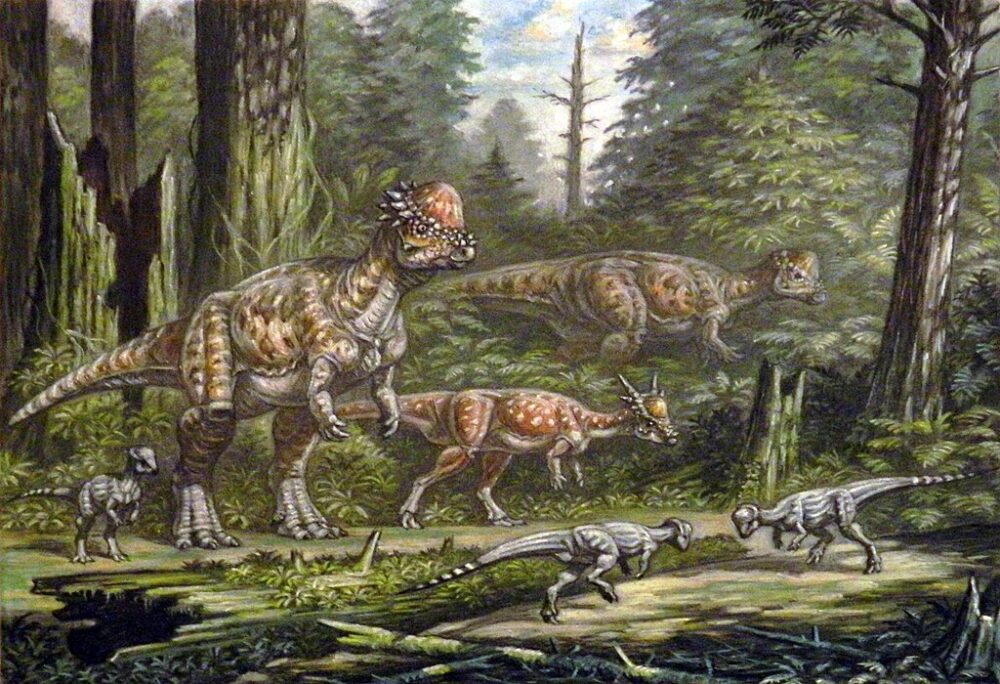
Pachycephalosaurs are a family of small, plant-eating dinosaurs famous for their thickened skulls. Some later species developed domes up to 25 centimeters thick. These strange adaptations have long fascinated paleontologists.
Popular culture often portrays them as head-butting dinosaurs, ramming each other in combat. While this idea remains debated, the group’s distinctive skulls were clearly important, whether for defense, display, or recognition. The discovery of Zavacephale adds a crucial early chapter to the story of these unusual animals.
7. Clues From a Jewel-Like Skull

The skull of Zavacephale was so well-preserved that researchers could examine the fine details of its structure. This allowed them to compare it closely with later pachycephalosaurs from North America and Asia.
The fossil showed features consistent with dome-headed dinosaurs, confirming its evolutionary link. Its completeness also provides a rare look at how these animals’ skulls developed over time. Scientists believe it represents an early step in the long lineage that culminated in larger, more robust dome-headed species millions of years later.
8. How Big Was This Dinosaur?

Unlike its larger relatives, Zavacephale was relatively small. At less than one meter long and about ten kilograms in weight, it was roughly the size of a housecat.
Despite its size, it already displayed the dome structure seen in much larger pachycephalosaurs. This suggests that skull domes weren’t just features of giant species. Instead, even smaller, earlier pachycephalosaurs may have used them for communication, display, or protection. The fossil shows that dome-building started small before evolving into the massive structures seen later.
9. What the Discovery Means for Dinosaur Evolution

The fossil forces paleontologists to rethink the timeline of pachycephalosaur evolution. It suggests that dome-headed dinosaurs originated earlier and developed their distinctive traits sooner than previously believed.
This pushes the evolutionary history of the group deeper into the Early Cretaceous. It also raises new questions about how these dinosaurs spread across Asia and North America. The discovery of Zavacephale highlights the importance of Mongolian fossil sites in filling gaps in dinosaur history.
10. Mongolia’s Gobi Desert Keeps Delivering

Mongolia’s Gobi Desert has long been one of the world’s richest sources of dinosaur fossils. It was here that the first fossilized dinosaur eggs were discovered in the 1920s, and many groundbreaking finds have followed.
The region continues to reveal new species, often preserved in exceptional detail. Zavacephale is the latest in a long line of discoveries that reshape scientists’ understanding of dinosaur diversity. Paleontologists say the Gobi’s fossil record still holds many secrets waiting to be uncovered.
11. Why This Find Matters Today
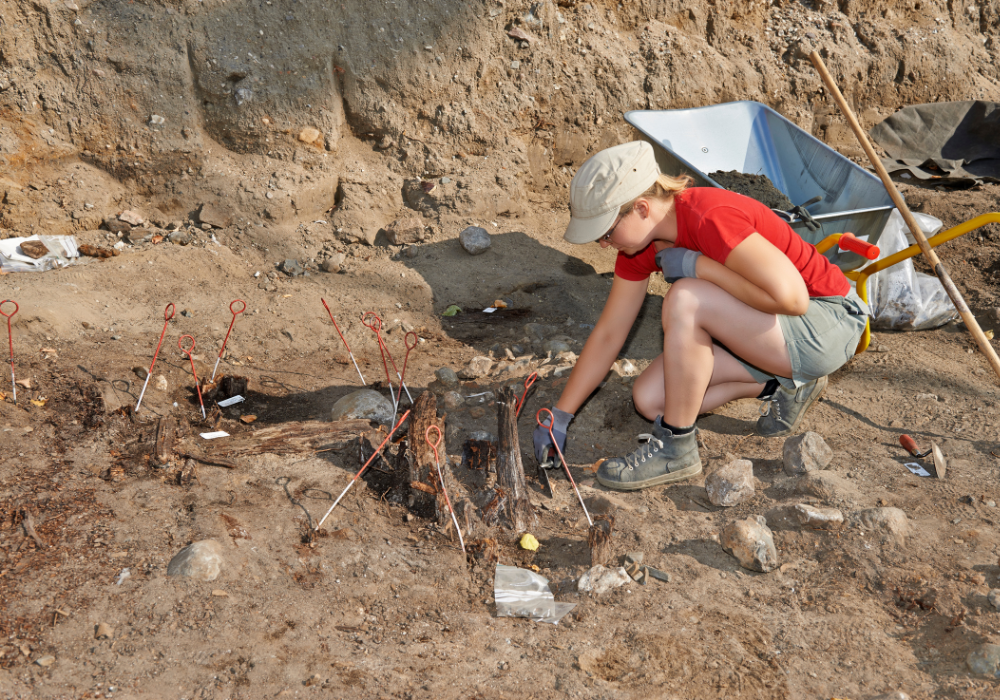
Beyond its scientific significance, the discovery of Zavacephale captures public imagination. Dinosaurs like pachycephalosaurs are symbols of prehistoric life’s diversity and adaptability. Each new find sheds light on how these animals lived, evolved, and interacted with their environments.
The study also underscores the importance of protecting fossil sites from looting and erosion. Every well-preserved fossil offers clues to Earth’s past. For scientists and the public alike, Zavacephale is a reminder of how much there is still to learn about life that thrived millions of years ago.