
New research links chronic late nights to serious physical and mental health risks.

In one of the largest sleep studies to date, researchers analyzed data from over 24,000 adults to explore how bedtime habits impact long-term health—and the results aren’t looking good for night owls.
People who consistently go to bed after 1 a.m. were found to have higher risks for depression, obesity, chronic illness, and even early death. The study, published in Chronobiology International, adds to a growing body of evidence showing that late sleep schedules may throw off the body’s circadian rhythm in ways that ripple through nearly every biological system.
It’s not just about how many hours you sleep—it’s when you sleep that may determine everything from your mood to your metabolic function. If you’re staying up late out of habit or necessity, it may be time to rethink your nightly routine before your health pays the price.
1. Staying up late disrupts your natural circadian rhythm.

Your body isn’t just tired after midnight—it’s confused. Humans evolved to follow the sun’s cycles, and when you consistently go to bed late, you’re forcing your internal clock to work against its natural rhythm. This disruption, known as circadian misalignment, affects hormone release, body temperature, digestion, and even immune function.
Being out of sync with your biological clock can increase the risk for metabolic disorders, depression, and cardiovascular disease. Night owls often try to “make up” for lost sleep, but the damage isn’t just from lack of rest—it’s from sleeping at biologically unnatural hours.
2. Late sleepers are significantly more likely to suffer from depression.

In the 24,000-person study, those who went to bed past 1 a.m. reported far higher levels of depressive symptoms than those who turned in earlier. Experts believe this link has to do with both the isolation that can come with nighttime wakefulness and the biological effects of delayed melatonin release. Staying up late also often means less exposure to morning sunlight, which is essential for serotonin production and mood regulation.
Over time, this pattern can spiral, leading to persistent sadness, fatigue, and reduced motivation. Night owls are statistically more vulnerable to emotional lows—and it’s not just about being tired.
3. Your risk of obesity climbs when you burn the midnight oil.

Late bedtimes tend to go hand-in-hand with late-night snacking, irregular meal timing, and disrupted metabolic patterns. The body’s ability to process glucose and fat peaks earlier in the day, so eating late at night can lead to higher blood sugar levels and weight gain.
Research shows that night owls are more likely to crave high-calorie, high-sugar foods in the evening—and are also less likely to exercise regularly. Even if you sleep the same number of hours, your metabolism won’t function as efficiently if you’re on a late schedule. Over time, those extra pounds can lead to bigger health problems.
4. Sleeping late could increase your risk of diabetes.

Night owls don’t just weigh more—they also show poorer insulin sensitivity, which raises the risk of Type 2 diabetes. When you sleep out of sync with your biological clock, your pancreas may not produce insulin as effectively, and your body has a harder time regulating blood sugar.
This pattern holds even in people who get a full night’s rest, proving that timing—not just duration—matters. In fact, some studies show that even a few nights of late sleep can alter glucose tolerance. For anyone with a family history of diabetes, staying up late could be more dangerous than you think.
5. Night owls may suffer from lower brain function during the day.
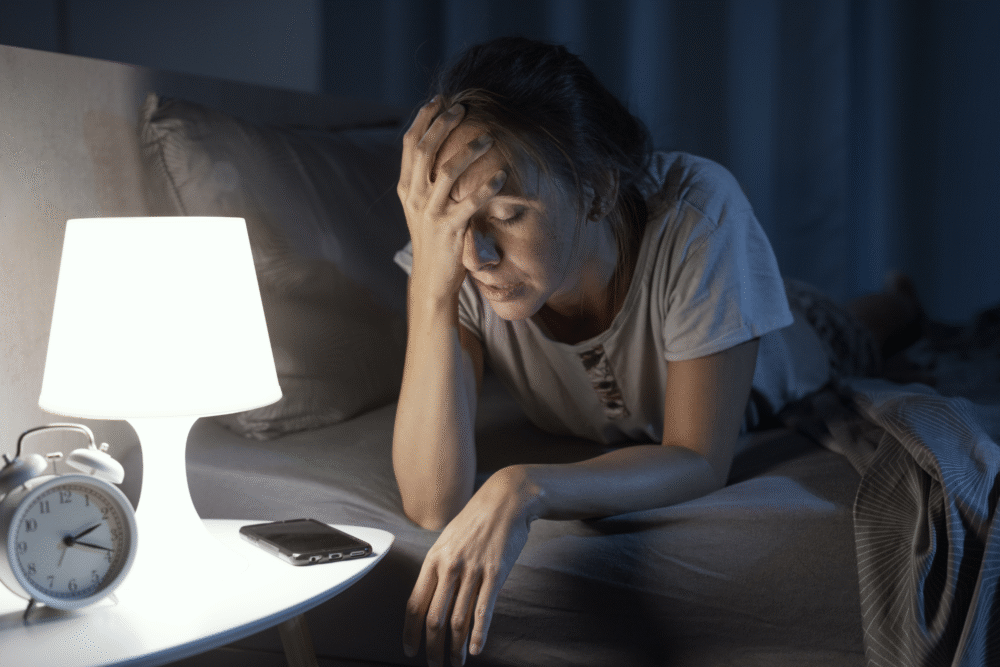
Think staying up late makes you more creative or sharper? Research doesn’t agree. The same 24,000-person study showed that late sleepers tend to perform worse on tasks involving memory, attention, and cognitive flexibility during daytime hours. Their reaction times are slower, and they’re more prone to mental fatigue. Even self-identified night owls don’t perform as well during standard work or school hours.
While you may feel more alert late at night, your brain’s peak capacity doesn’t align with typical schedules—which can impact your productivity, learning, and decision-making when it matters most.
6. Irregular sleep timing weakens your immune system.

When your sleep schedule is inconsistent or excessively delayed, your immune system may take a hit. Studies have found that late sleepers have fewer infection-fighting white blood cells and reduced levels of protective antibodies.
This weakened immune response can make it harder to fight off common illnesses like colds or the flu—and potentially more serious infections. Sleep is a vital time for immune restoration, and your body expects that repair process to happen on a regular rhythm. Constantly going to bed late throws off that cycle, leaving you more vulnerable to whatever viruses are going around.
7. Heart health suffers when you delay bedtime.

People who stay up late are at higher risk for hypertension, heart disease, and stroke. In part, this is due to disrupted sleep patterns, but it’s also tied to lifestyle habits that tend to accompany late-night living—like poor diet, sedentary behavior, and chronic stress. Circadian misalignment can throw off blood pressure regulation and raise inflammation, both of which contribute to cardiovascular problems.
One large-scale study found that late bedtimes were associated with higher resting heart rates, even in otherwise healthy adults. If you want to protect your heart, resetting your sleep schedule might be a powerful first step.
8. Poor sleep timing may shorten your lifespan.

The combination of disrupted circadian rhythms, chronic inflammation, and lifestyle consequences from late bedtimes may explain why some studies suggest night owls have higher mortality rates. In other words, consistently going to bed late could lead to a shorter life. While many factors influence longevity, sleep timing appears to be a strong predictor of long-term health outcomes.
Night people also tend to sleep less overall and face greater challenges with sleep quality—both of which are linked to earlier death. If you’re staying up late because it’s “just how you’re wired,” it might be time to reconsider what your body truly needs.
9. Night owls are more likely to develop substance use problems.

There’s a strong correlation between late sleep schedules and higher rates of alcohol, nicotine, and drug use. Night owls are statistically more likely to engage in risky behavior, including late-night drinking or substance experimentation. These habits often start early in life and can continue into adulthood, compounding the long-term effects of irregular sleep.
Some researchers suggest that the brain’s reward centers are more activated at night, leading to impulsive behavior and cravings. Whether due to social settings, stress relief, or boredom, the combination of night owl hours and substance exposure is a dangerous mix for mental and physical health.
10. Relationships and social rhythms can suffer from late-night habits.

Living life on a different clock than your family, friends, or coworkers can lead to social jet lag—a chronic misalignment between your biological rhythm and your daily responsibilities. Night owls often struggle to maintain consistent schedules with partners or children, and may miss out on morning routines or social bonding time.
Over time, this can lead to isolation, misunderstandings, and relationship strain. Even in professional settings, late sleepers may be perceived as unmotivated or unreliable, simply because they aren’t as active during conventional hours. Being out of sync socially can damage more than just your calendar—it can hurt your sense of connection and belonging.
11. Resetting your internal clock can reverse many of these risks.

The good news? Late sleepers aren’t doomed. Shifting your sleep schedule—even gradually—can restore healthier circadian patterns and reduce many of the risks outlined above. Experts recommend setting a consistent wake-up time, avoiding screens at night, and getting morning sunlight exposure to help reset your biological clock. Some find success with melatonin supplements or sleep training routines.
Even a 30- to 60-minute shift earlier can make a big difference in mood, metabolism, and cognitive function. If you’re a night owl by choice or necessity, consider whether your sleep habits are helping or hurting you—and take steps to reclaim your nights for better days ahead.