
New data reveal a gap between Gen Z’s environmental values and everyday actions.
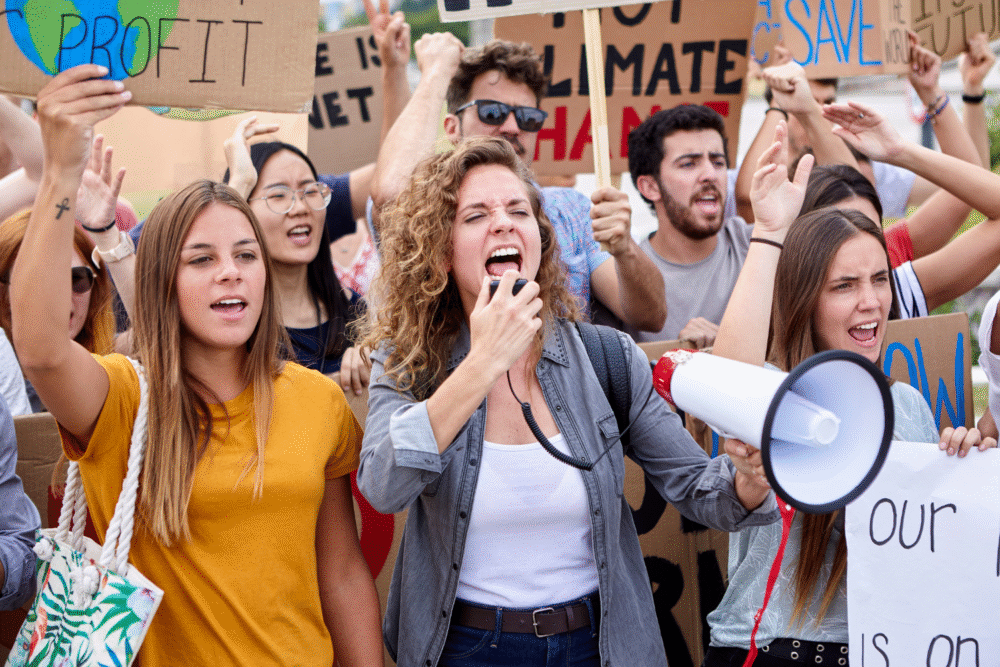
A lot of people assume Gen Z is the most eco-conscious generation. Surveys do show that young adults care about climate change and say protecting the environment matters. But when researchers look at what people actually do day to day, the story shifts.
Multiple surveys, including a national recycling survey by Boxed Water, find that Gen Z is less likely than older generations to recycle regularly, even while expressing strong environmental concern.
At the same time, Gen Z is more likely to believe real responsibility for environmental change belongs to governments, corporations, and large institutions rather than individual consumers. Researchers say this doesn’t point to indifference. Instead, it suggests a generational shift in how power, responsibility, and impact are understood.
Click through and discover where Gen Z is falling behind.
1. Caring about the environment is not a generational divide

When asked whether helping the environment is important, Gen Z answers at roughly the same rate as Millennials, Gen X, and Boomers. The idea that young people care while older generations do not doesn’t hold up in the data.
Concern is high across age groups. What changes is how people think environmental problems should be solved. For Gen Z, caring does not automatically mean changing personal habits in the same ways previous generations were taught to.
Follow us and access great exclusive content every day
2. Recycling is where the gap becomes visible

Recycling is one of the clearest behaviors researchers can measure, and this is where differences show up. Surveys find that Gen Z is the least likely generation to say they recycle often. Older generations report higher and more consistent participation.
Researchers say this gap matters because recycling has long been framed as a basic environmental action. When younger adults opt out of it, it signals a deeper shift rather than simple forgetfulness.
3. Gen Z is less likely to see sustainability as a personal obligation

Data suggest that Gen Z is the least likely generation to say consumers should be responsible for acting sustainably. Instead of focusing on individual behavior, many young adults see sustainability as something shaped by systems they don’t control.
This reflects skepticism about whether personal actions matter when large corporations and industries drive most environmental damage.
4. Responsibility is often placed on institutions instead

While Gen Z may recycle less, they are the most likely to expect local governments and institutions to lead on environmental issues.
This includes regulation, infrastructure, and enforcement. Many young adults believe change only happens when rules and systems change. This mindset has grown alongside highly visible debates about climate policy, corporate accountability, and greenwashing.
Follow us and access great exclusive content every day
5. Practical barriers shape everyday behavior

Researchers also point to logistics. Gen Z is more likely to rent, move frequently, or live in buildings where recycling rules are unclear or inconsistent. Confusing systems reduce participation.
When people are unsure whether recycling actually works, they are less likely to bother. This means lower recycling rates may reflect frustration with the system rather than a lack of concern.
6. Climate anxiety changes how effort is prioritized

Many young adults report feeling overwhelmed by the sheer scale and complexity of climate change. Psychologists and social researchers note that this sense of magnitude can reshape how people prioritize effort and attention.
When the problem feels global and systemic, small individual actions can start to feel symbolic rather than meaningful. For some Gen Z adults, activities like recycling or reducing personal waste seem insignificant compared to emissions from major corporations or the slow pace of policy change.
The data suggest this emotional context influences not only behavior, but also how responsibility is assigned, often shifting focus toward institutions rather than individuals.
7. Older generations built habits under different messaging

Boomers and Gen X grew up during decades when environmental campaigns focused heavily on individual responsibility. Recycling was framed as something everyone needed to do.
Over time, those habits stuck. Gen Z entered adulthood during a period when climate conversations emphasized systemic failure and corporate impact. A difference in messaging helps explain why behaviors diverge even when values align.
8. Values and actions often diverge across generations

Social scientists have long noted that values do not always translate neatly into behavior. Gen Z is not unique in this, but the gap looks different. The data show strong environmental concern paired with lower participation in certain traditional actions.
Researchers caution against reading this as hypocrisy. Instead, they see it as a sign that sustainability is being defined differently.
Follow us and access great exclusive content every day
9. This reflects a broader shift in how power is understood

Gen Z tends to question whether individual choices matter in systems dominated by large institutions. Many young adults believe corporations and governments hold the real leverage to reduce environmental harm.
This worldview shapes behavior by pushing responsibility upward rather than inward, influencing how future climate movements organize and what kinds of solutions gain traction.
10. What these findings mean for the future of climate action

Taken together, the data suggest environmental concern remains strong, but expectations about who should act are changing. For Gen Z, sustainability may be less about personal habits and more about accountability at the top.
Efforts that ignore this shift risk missing younger audiences entirely. Understanding how Gen Z defines responsibility may be key to closing the gap between concern and action.