
UC Santa Barbara researchers say climate change and human activity are accelerating ocean stress.
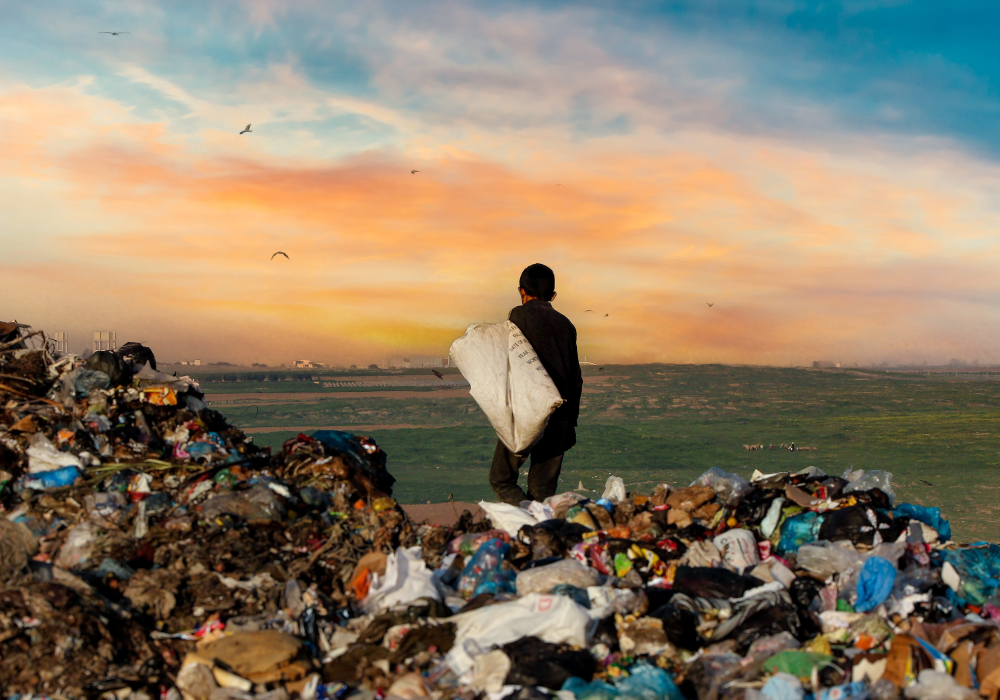
A new study from UC Santa Barbara’s National Center for Ecological Analysis & Synthesis (NCEAS) warns that the cumulative pressure humans place on the world’s oceans could double to 2.6-times current levels by 2050. The research integrates 17 global data sets to model how climate change, overfishing, pollution, acidification, and other human stresses will converge on marine ecosystems. Scientists say the worst impacts may hit coastal, tropical, and polar regions hardest, with cascading risks for biodiversity, fisheries, coastal protection, and the communities that depend on them.
1. Human Impacts on Oceans Could Double or Triple by 2050
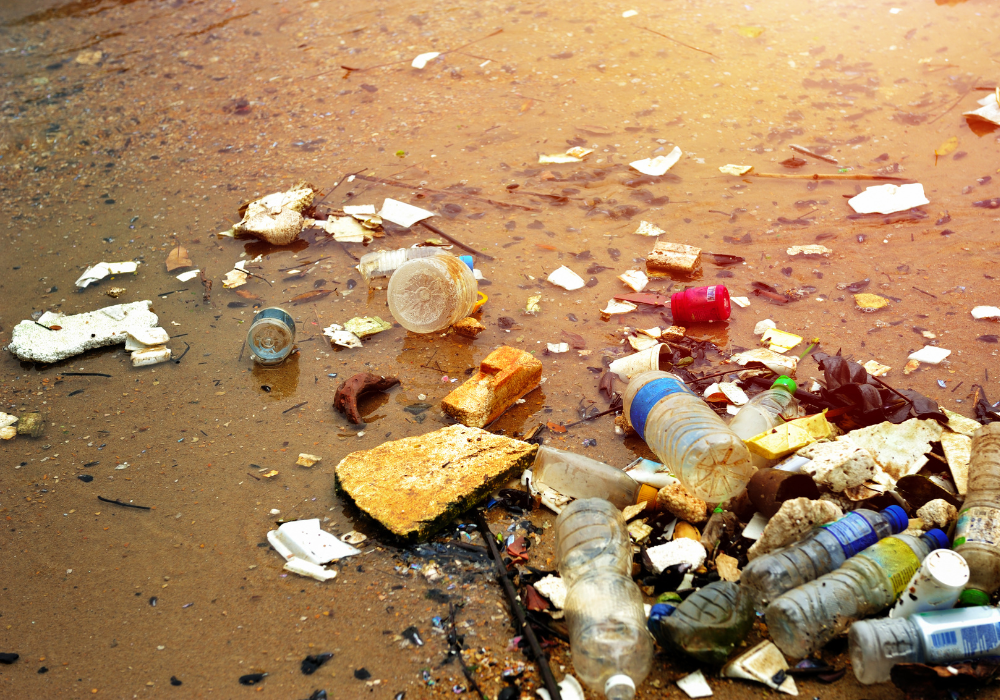
The UC Santa Barbara study found that the combined pressures humans put on oceans could increase two to threefold within the next 25 years. This projection comes from analyzing global data on climate change, fishing, shipping, and pollution.
The finding underscores how human activity is accelerating faster than ecosystems can adapt. Without major changes, scientists warn, ocean systems could face stresses on a scale never seen before, threatening biodiversity and human livelihoods that depend on healthy seas.
2. The Study Combined 17 Global Data Sets

Researchers at UCSB’s National Center for Ecological Analysis & Synthesis used 17 different data sets to create one of the most comprehensive forecasts of ocean pressures ever assembled. The analysis spanned fishing activity, shipping lanes, fertilizer runoff, and climate models.
By combining diverse data, scientists gained a more holistic picture of how multiple stressors interact. Instead of looking at one problem in isolation, the study highlights how pressures overlap, creating compounding risks for marine ecosystems that are already strained.
3. Climate Change Is the Largest Driver

According to the study, climate change will be the most significant driver of increased ocean stress. Rising sea surface temperatures, acidification, and deoxygenation are projected to worsen sharply by mid-century.
These climate-linked pressures weaken coral reefs, disrupt fish migrations, and reduce oxygen available for marine life. As greenhouse gas emissions continue, the combined effects of warming and acidification will magnify other human-driven stresses already affecting the ocean.
4. Coastal Areas Will See the Heaviest Strain
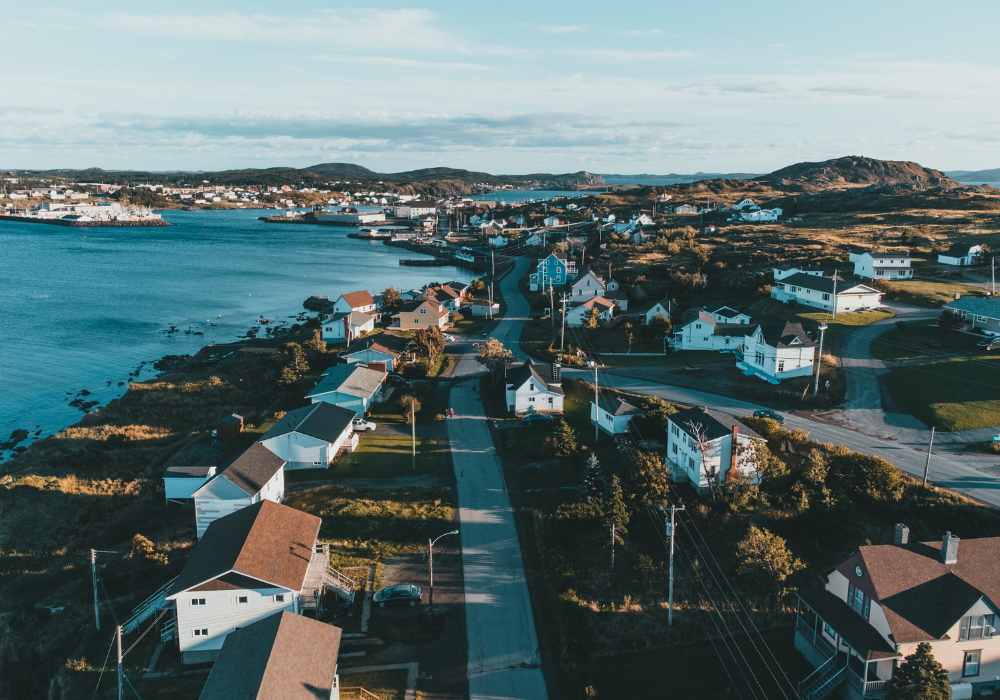
The report found that coastlines—where human activity is most intense—will likely experience the most severe increases in pressure. Pollution, shipping, fishing, and urban runoff all concentrate near shorelines, where ecosystems are also richest in biodiversity.
This overlap means coral reefs, estuaries, mangroves, and seagrass meadows could see disproportionate harm. These ecosystems provide critical protection against storms and support fisheries. Their decline would carry heavy consequences for both people and nature.
5. Tropical Regions Face Major Risks
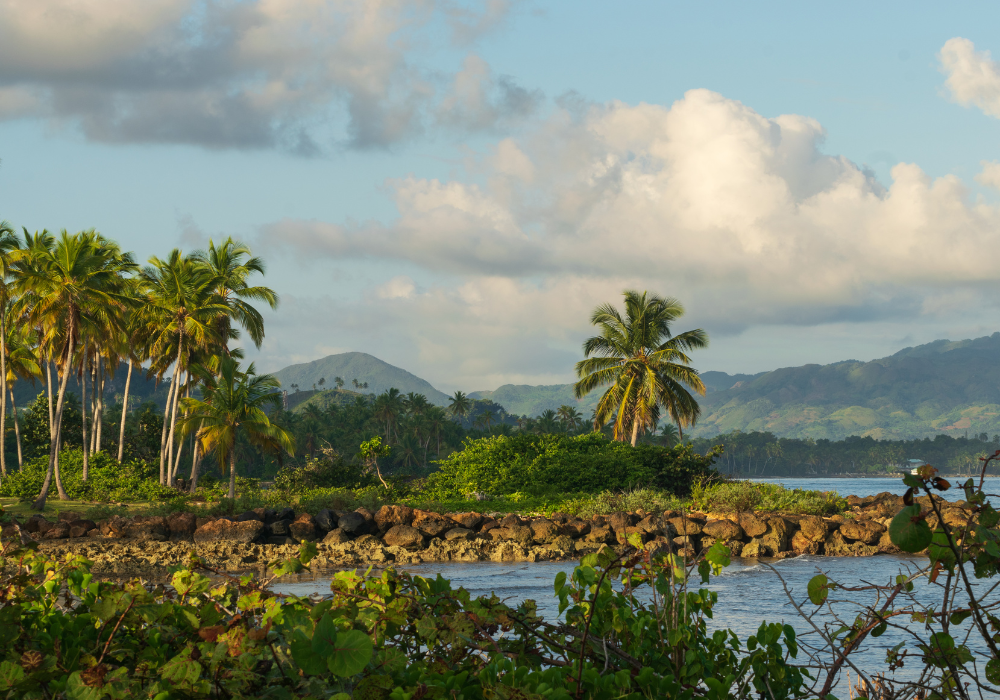
Tropical oceans, including areas in Southeast Asia and the Caribbean, are projected to experience some of the fastest increases in human impact. These regions rely heavily on coral reefs and fisheries for food security and economic stability.
With warming seas and intensified pressures from tourism and development, tropical ecosystems may reach tipping points. Coral bleaching events, for instance, are expected to become more frequent and severe, jeopardizing food systems for millions of people.
6. Polar Seas Are Not Immune
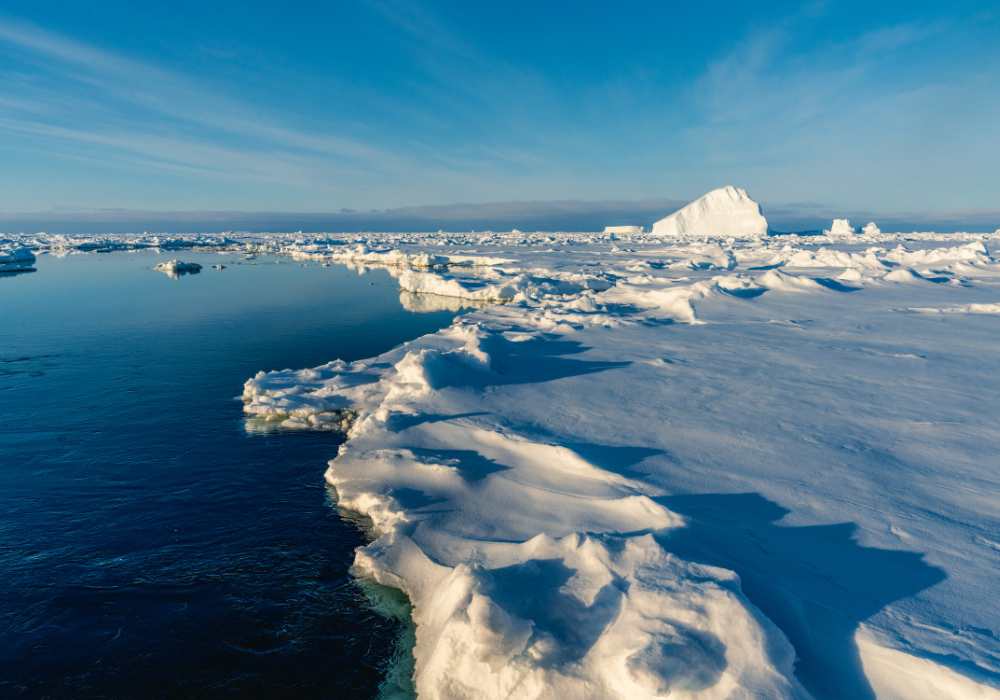
The Arctic and Antarctic, though remote, are not shielded from human impact. Melting sea ice is opening new shipping routes and making polar regions more accessible to fishing and resource extraction.
The UCSB study warns that these activities, combined with rapid warming, could cause dramatic changes in fragile polar ecosystems. Species like krill, vital to the food chain, may decline, creating ripple effects throughout marine life, from fish to whales.
7. Ocean Acidification Will Intensify
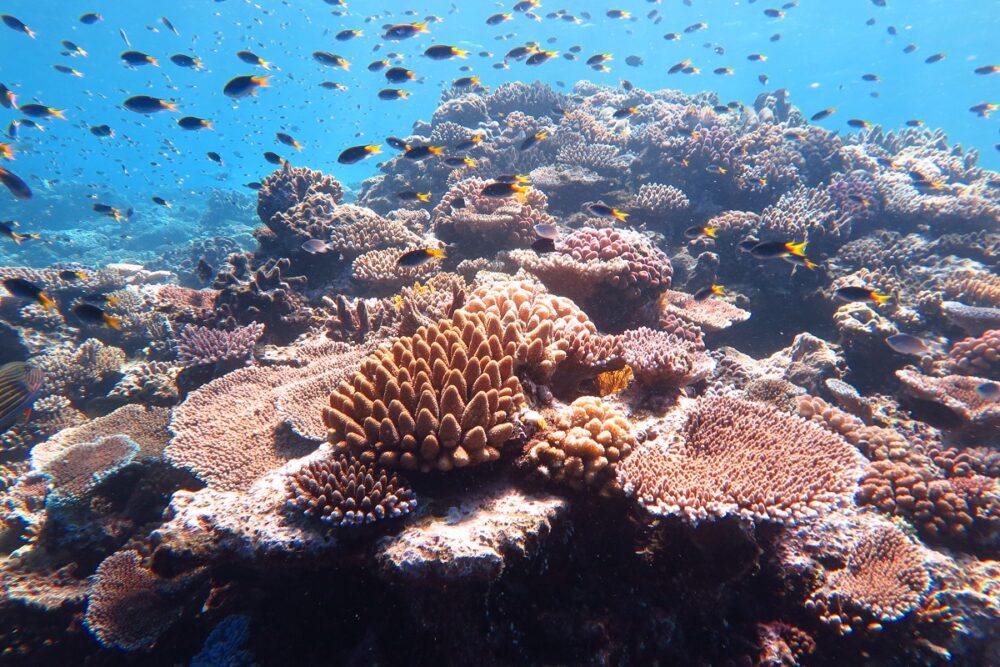
Carbon dioxide absorbed by oceans makes seawater more acidic, and this trend is projected to worsen. The study shows that acidification will continue eroding the ability of shell-building organisms like corals, oysters, and plankton to survive.
This problem affects entire food webs. As foundational species struggle, fisheries that depend on them also face collapse. The cascading impacts could threaten both ecological health and economic livelihoods tied to marine industries.
8. Fisheries Could Be Heavily Impacted
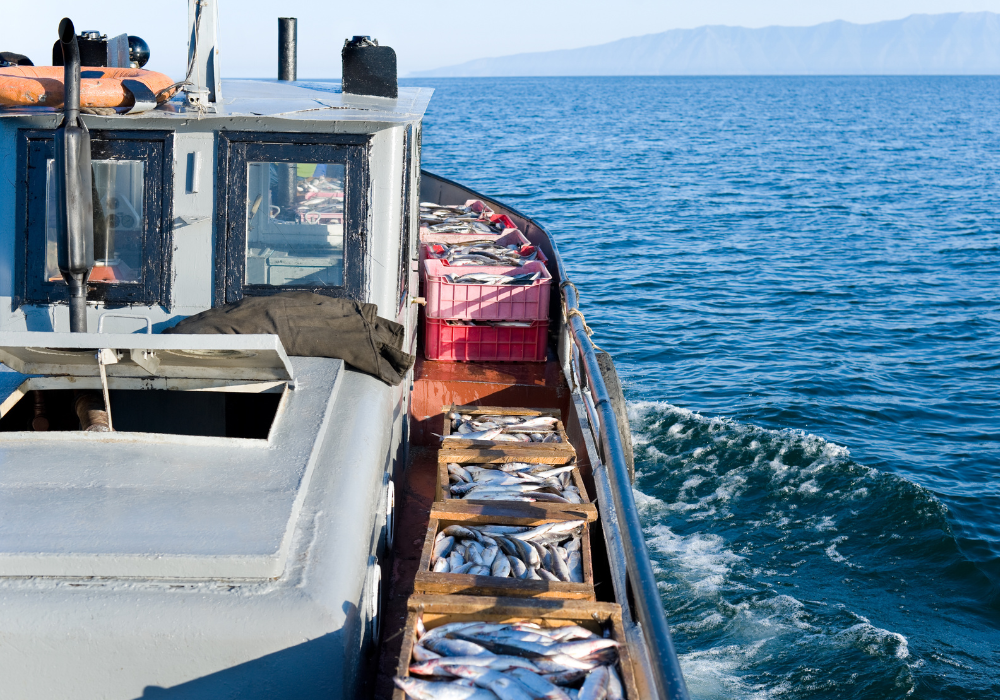
The UCSB team found that global fisheries may face mounting challenges from combined pressures. Overfishing, habitat loss, and warming waters are already stressing fish populations, and these pressures are expected to grow.
By 2050, some of the most important fishing grounds may no longer be sustainable. This puts both food security and livelihoods at risk, especially for coastal communities that rely heavily on fish as a dietary staple.
9. Pollution Will Compound the Problem
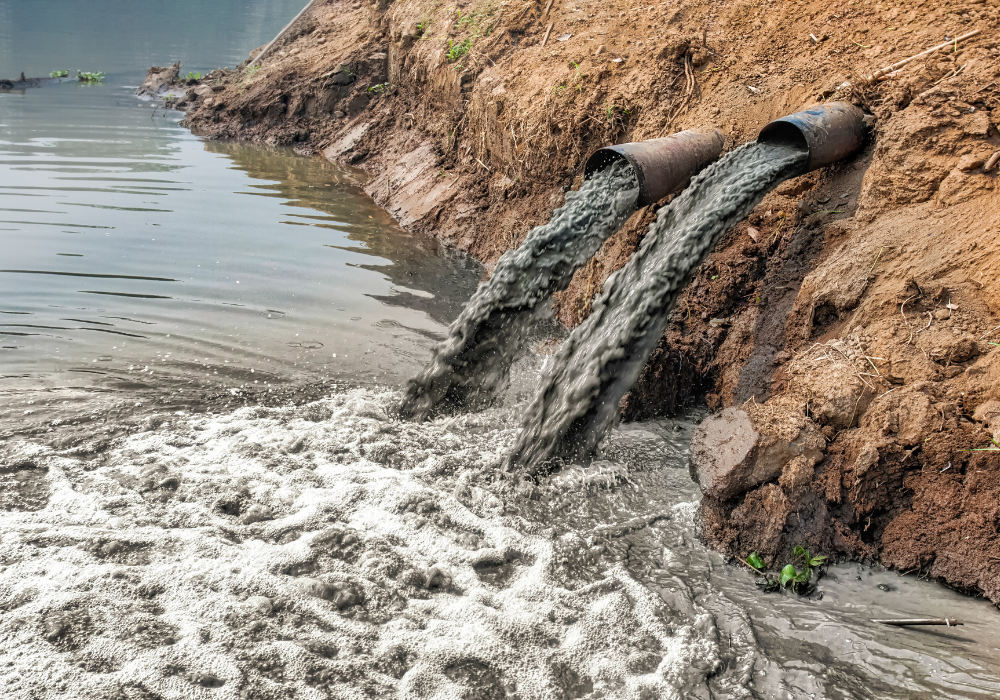
Land-based pollution—including agricultural runoff, plastics, and chemicals—remains a major contributor to ocean stress. The report shows that nutrient pollution will worsen dead zones, where oxygen levels drop too low for marine life to survive.
Plastic waste adds another layer of damage, harming marine animals directly and infiltrating food chains through microplastics. These pollutants, when combined with climate stress, may drive ecosystems closer to collapse.
10. Shipping Traffic Is Expanding Rapidly
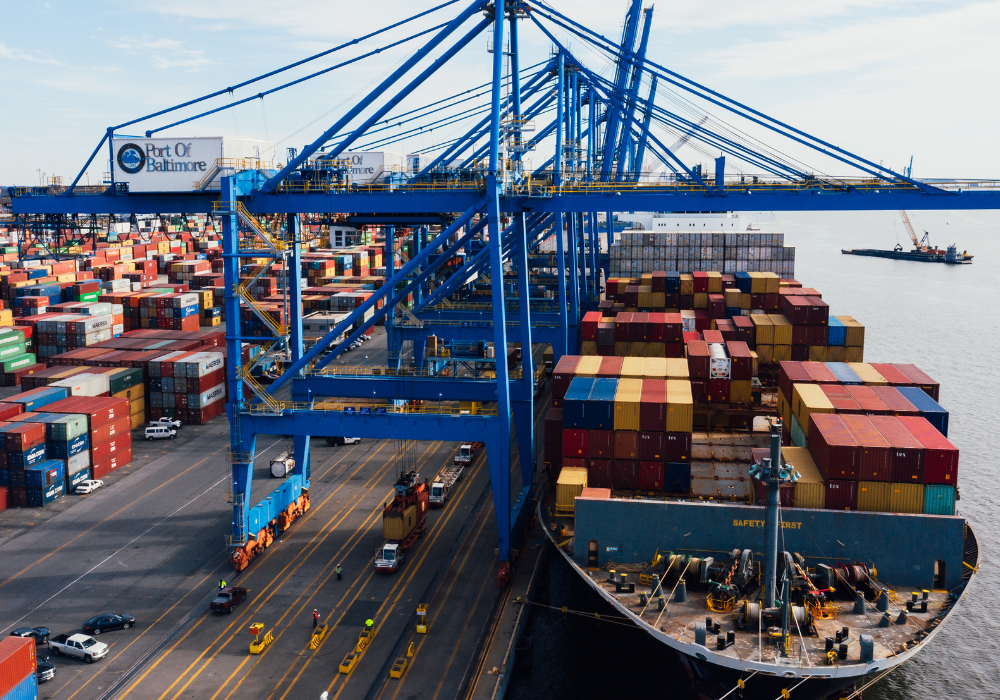
Global shipping continues to rise, bringing with it underwater noise, oil spills, invasive species, and carbon emissions. The study highlights that by 2050, shipping-related impacts could grow substantially as international trade expands.
Noise pollution, in particular, disrupts the communication of whales and dolphins. Meanwhile, invasive species carried in ballast water often destabilize ecosystems. These problems are rarely considered in climate models but will become increasingly important.
11. Marine Ecosystems Provide Critical Protection
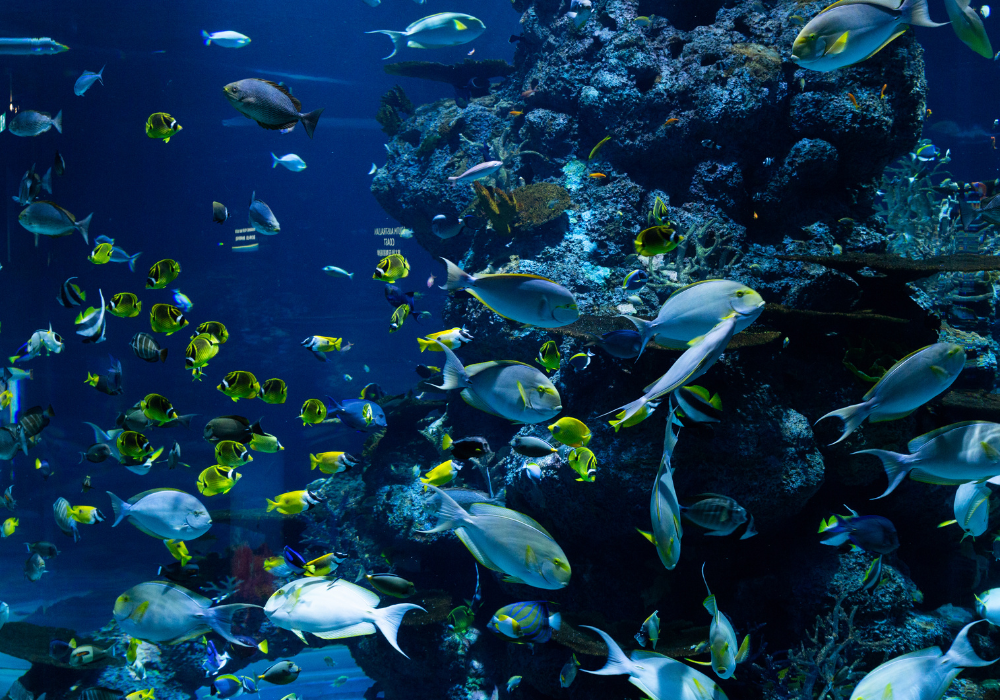
The report stresses that oceans are not just passive victims—they actively protect human societies. Mangroves, coral reefs, and wetlands absorb storm surges, protect coastlines, and store vast amounts of carbon.
If these ecosystems decline under mounting pressure, communities will face higher costs from flooding, storm damage, and climate change. Protecting marine environments is therefore a matter of human security as well as conservation.
12. Urgent Policy Action Is Needed

The UCSB study concludes that without swift global action, ocean systems could cross dangerous thresholds by mid-century. Scientists recommend reducing greenhouse gas emissions, strengthening marine protections, and limiting pollution.
International cooperation will be key, since ocean ecosystems cross national boundaries. Researchers argue that acting now could significantly reduce future damage and preserve the vital services oceans provide. Delay, however, would only make solutions more difficult and costly.