
Tattoos might not be “just ink” once your skin starts changing.

A tattoo can feel permanent in the best way, like a story you chose to wear. But a new wave of research is asking a slightly uncomfortable question: could tattoos also change your long-term skin cancer risk, especially melanoma?
The science is messy, not definitive, and honestly a little surprising. One Swedish study found a higher melanoma risk among tattooed people, while U.S. research hints heavy tattooing might even correlate with lower risk. That contradiction is where things get interesting.
1. A Swedish study found a modest increase in melanoma risk.
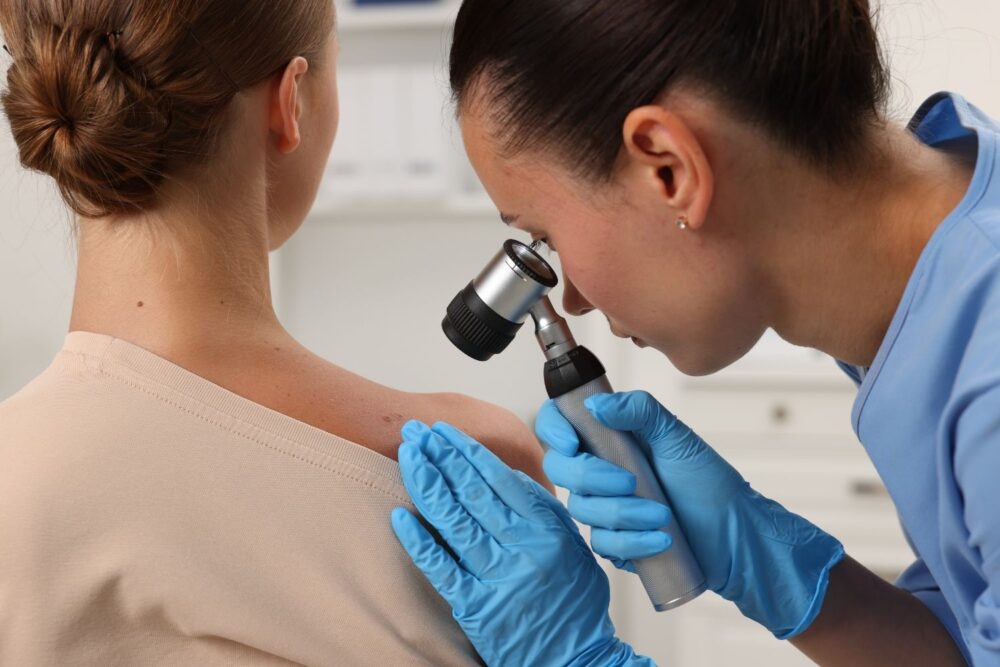
Researchers at Lund University looked at nearly 12,000 Swedes ages 20 to 60 and compared skin cancer cases to matched controls. In that group, tattooed participants showed a 29 percent higher relative odds of melanoma after adjusting for sun habits, tanning, smoking, skin type, and other factors.
That’s the headline people are reacting to, and I get why. A 29 percent increase sounds alarming, even though it’s still a “relative risk” finding, not proof that tattoos directly cause cancer.
2. Tattoo size did not predict higher melanoma odds.

One of the more unexpected details in the Swedish research is that tattoo size didn’t correlate with melanoma risk. You’d think bigger tattoos would mean more ink exposure and a stronger signal, but that pattern didn’t show up.
That matters because it complicates the easy narrative of “more ink equals more danger.” It suggests the relationship might involve something other than simple volume, like how the body responds to pigments over time, how people protect their skin, or even who tends to get tattooed in the first place.
3. Older tattoos may carry a slightly different risk profile.

The Swedish study hinted that tattoos older than 10 years might be linked to higher melanoma odds. That’s the kind of detail that makes researchers lean in, because time matters in cancer development.
At the same time, older tattoos also mean longer exposure to lifestyle variables that are hard to perfectly measure. Skin changes, sun exposure habits, and aging all pile up in the background. Still, the time factor raises the question of what ink does in the body over the long haul.
4. The same Swedish dataset found no squamous cell cancer link.

Melanoma gets most of the attention because it’s the deadliest skin cancer, but it’s not the only one. In the Lund University analysis, tattooed participants did not show a clear association with squamous cell carcinoma.
That difference is worth noting because it might mean tattoos are not broadly increasing skin cancer risk across the board. It could also mean melanoma has unique biology that interacts differently with inflammation, immune activity, or pigment-related changes compared to other skin cancer types.
5. A U.S. study found no overall tattoo melanoma connection.

A large population-based study in Utah involving over 7,000 people, including 1,167 melanoma cases, found no clear overall link between tattooing and melanoma. That’s a big deal, because it directly clashes with the Swedish result.
Instead of a single conclusion, the U.S. data looked more complicated. It suggested certain tattoo patterns might matter, and that risks could vary depending on how heavily tattooed someone is. That’s a lot more nuanced than most headlines make it sound.
6. Heavier tattooing was linked to lower melanoma risk in U.S. data.

Here’s the part that makes people blink. In the Utah study, people with 4 or more tattoo sessions showed a 56 percent lower melanoma risk (OR 0.44). Those with 3 or more large tattoos showed a 74 percent lower risk (OR 0.26).
That does not mean tattoos are protective, at least not automatically. It could reflect behavior differences in heavily tattooed people, like being more vigilant about skin changes or being less likely to bake in the sun. Still, it’s a real finding that challenges simplistic fear-based takes.
7. Single session tattoos showed a slight risk increase in women.
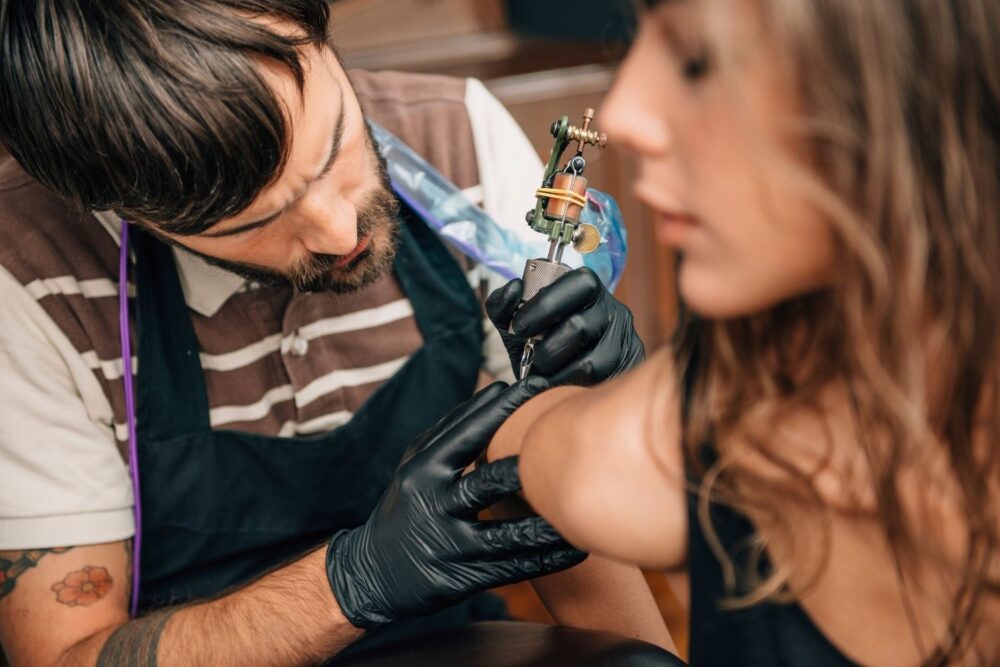
The same U.S. research flagged something else: single-session tattoos were linked to slightly increased melanoma risk, especially in women. That might sound contradictory next to the “more tattoos equals lower risk” pattern, but it’s exactly why researchers are cautious.
One explanation is confounding. People with just one tattoo may have different habits than heavily tattooed people, including sun exposure or health monitoring. It also raises the possibility that immune response changes might differ depending on repeated ink exposure over time.
8. Tattoo ink can migrate and may affect lymph nodes.

One proposed explanation is biological rather than behavioral. Tattoo inks can contain metals and pigments, and studies show ink particles can migrate to lymph nodes. That movement may cause inflammation, and chronic inflammation sometimes shows up in cancer discussions.
None of this proves tattoos cause melanoma. It’s more like a plausible mechanism researchers are exploring. The body doesn’t treat tattoo ink like a cute accessory. It treats it like a foreign substance that has to be contained, moved, or processed somehow.
9. Lifestyle confounders might be the real driver behind the mixed results.

Even when studies adjust for UV exposure, it’s hard to perfectly measure someone’s sun history. Tanning bed use, outdoor work, vacation sunburns, and sunscreen consistency are messy human behaviors, not neat lab variables.
Some researchers also wonder if heavily tattooed people might avoid sun to protect their art, accidentally lowering melanoma risk. Others suspect immune “training” effects, but that’s still speculative. For now, the smartest takeaway is simple: there’s no consensus yet, only signals worth studying.
10. The real takeaway is to watch your skin more closely, not panic.

Even the Swedish study result is a modest increase, and the U.S. findings muddy the waters in the opposite direction. So no, this isn’t a reason to treat tattoos like cigarettes. It’s a reason to treat skin awareness like brushing your teeth.
If you have tattoos, protect them with sunscreen, skip tanning, and keep an eye on moles and weird spots that change. Tattoos can make changes harder to spot, so a quick monthly check is a smart habit. Future research will hopefully clarify what’s going on.