
Sinking land, rising seas, and aging levees create a perfect storm for catastrophic flooding.
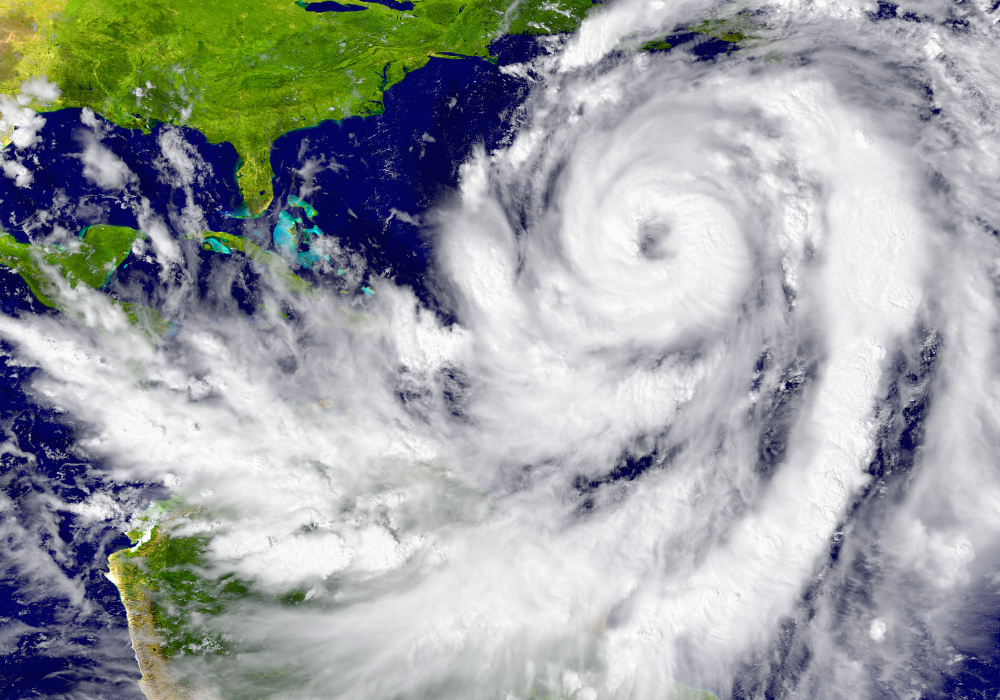
Twenty years after Hurricane Katrina, New Orleans should feel safer. The city spent $15 billion building bigger levees, stronger floodwalls, and better pumps. But new research reveals a disturbing truth: the very flood defenses meant to protect the city are sinking into the ground faster than anyone expected.
Some areas are losing nearly two inches of elevation every year, while sea levels keep rising. It’s like trying to build a sandcastle while the tide is coming in and the sand keeps washing away beneath your feet.
Scientists warn that this combination of sinking land and rising water could create flooding scenarios even worse than Katrina. The city that rebuilt itself to be stronger might actually be more vulnerable than ever before.
1. Flood defenses are sinking faster than sea levels are rising
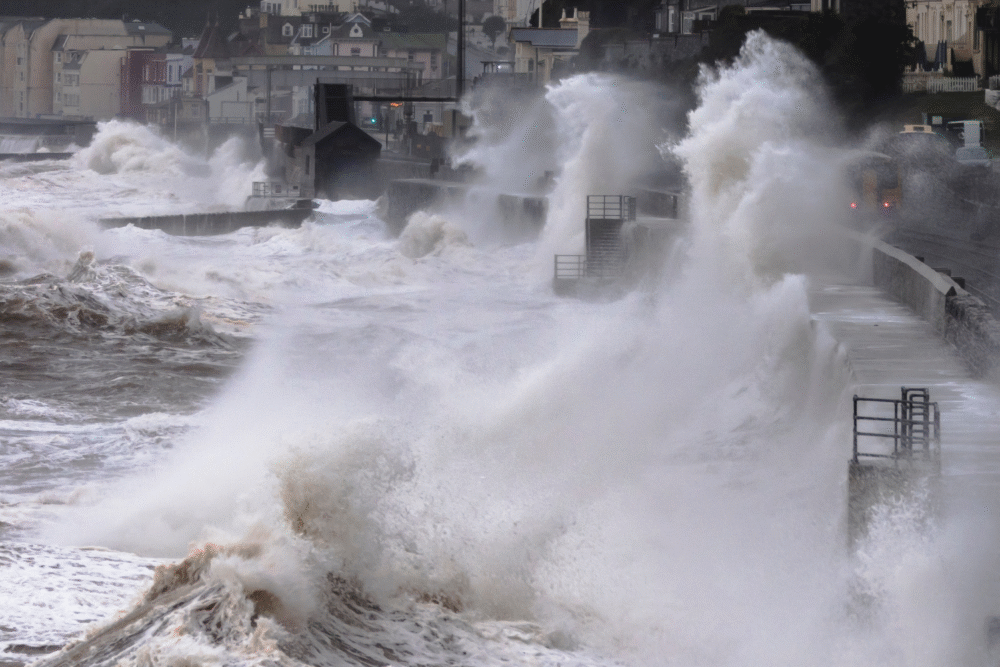
New research shows that parts of New Orleans’ $15 billion levee system are dropping by up to 28 millimeters per year—that’s over seven times faster than sea levels are rising. Some concrete floodwalls built after Katrina are literally sinking into the ground they’re supposed to protect.
When flood barriers sink while water levels rise, it creates a double threat that engineers didn’t plan for. In some cases, parts of the Hurricane and Storm Damage Risk Reduction System are losing elevation faster than sea levels are rising, reducing their capacity to block storm surges.
2. The city is built on unstable ground that keeps compacting
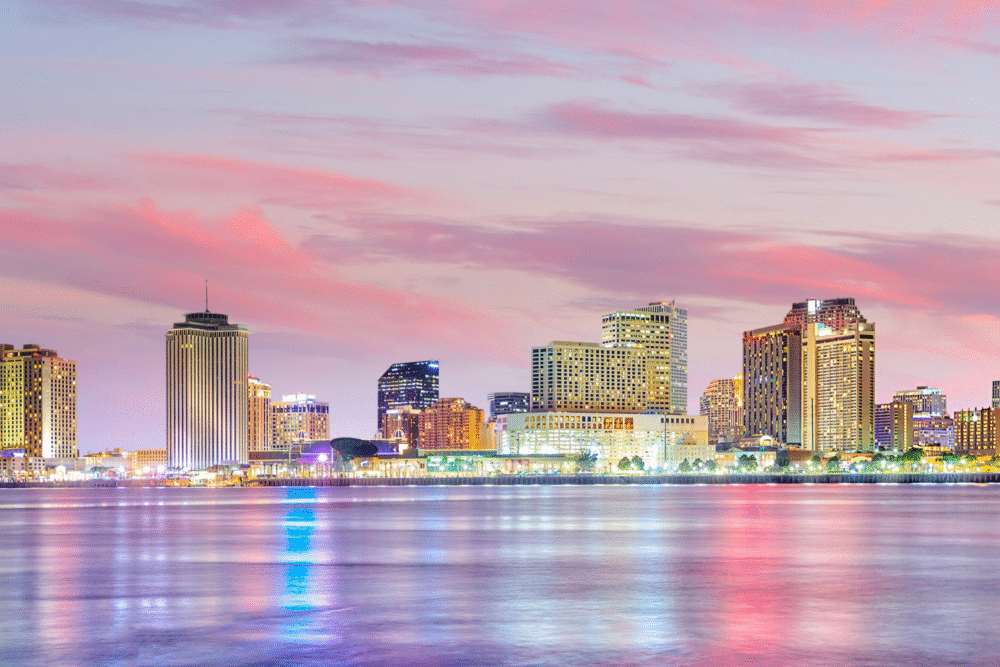
New Orleans sits on layers of soft soil and sediment that naturally compress over time, like stepping on a sponge. Causes of the sinking include natural soil compaction, groundwater pumping, industrial development and the legacy of wetland drainage for urban growth.
Unlike cities built on solid rock, New Orleans has no stable foundation to anchor its flood defenses. The weight of new construction, combined with water being pumped out of the ground, causes the land to keep settling and shrinking.
3. Satellite data reveals the problem is getting worse, not better
A new study from Tulane University used satellite radar data to track ground elevation changes between 2002 and 2020, finding that some areas are experiencing up to 47 millimeters (nearly 2 inches) of elevation loss annually.
This satellite monitoring shows the sinking isn’t uniform—some neighborhoods drop while others stay stable. The unpredictable pattern makes it nearly impossible to know which areas need the most urgent attention until it’s too late.
4. Industrial sites and new developments are sinking the fastest

The study found pockets of sinking around industrial sites, the airport and newer residential developments—areas where soil compression and groundwater withdrawal are likely contributors. Heavy buildings and industrial equipment compress the soft soil beneath them.
When companies pump groundwater for manufacturing or construction, it removes the water that helps support the ground above. This creates underground cavities that eventually collapse, pulling everything on the surface downward.
5. Wetlands that protect the city are disappearing into open water
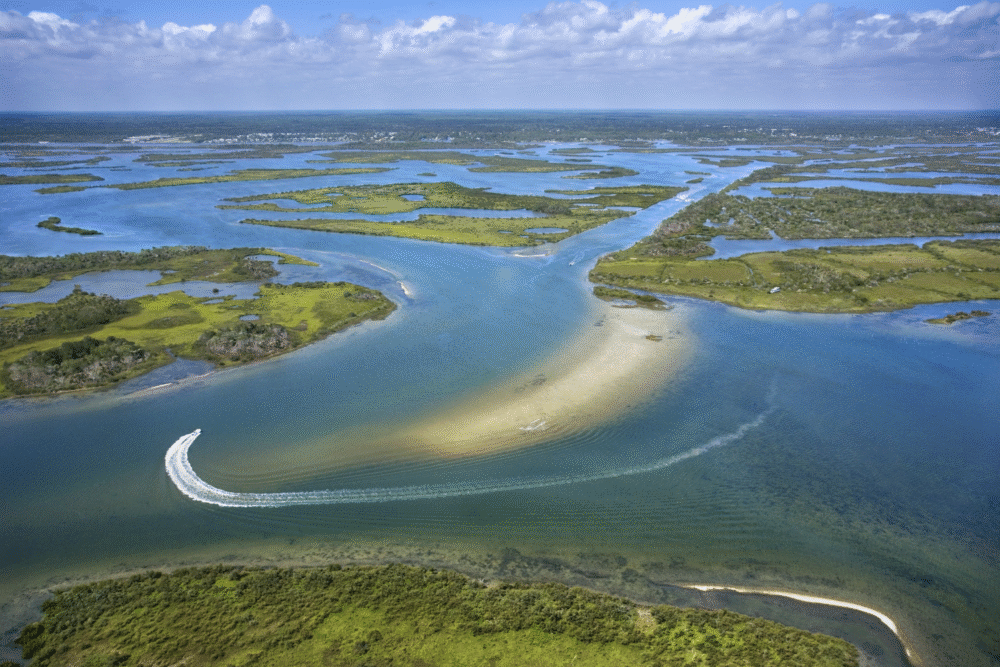
The marshes and swamps east of New Orleans serve as natural storm buffers, absorbing wave energy before it hits the city. But wetlands are sinking rapidly in places, and in some spots, the loss of elevation could transform marshes into open water within a decade.
When wetlands turn into open water, they lose their ability to slow down storm surges. This means hurricanes will hit the city’s levees with more force than engineers designed them to handle, potentially causing catastrophic failures.
6. Climate change is making storms stronger and more frequent
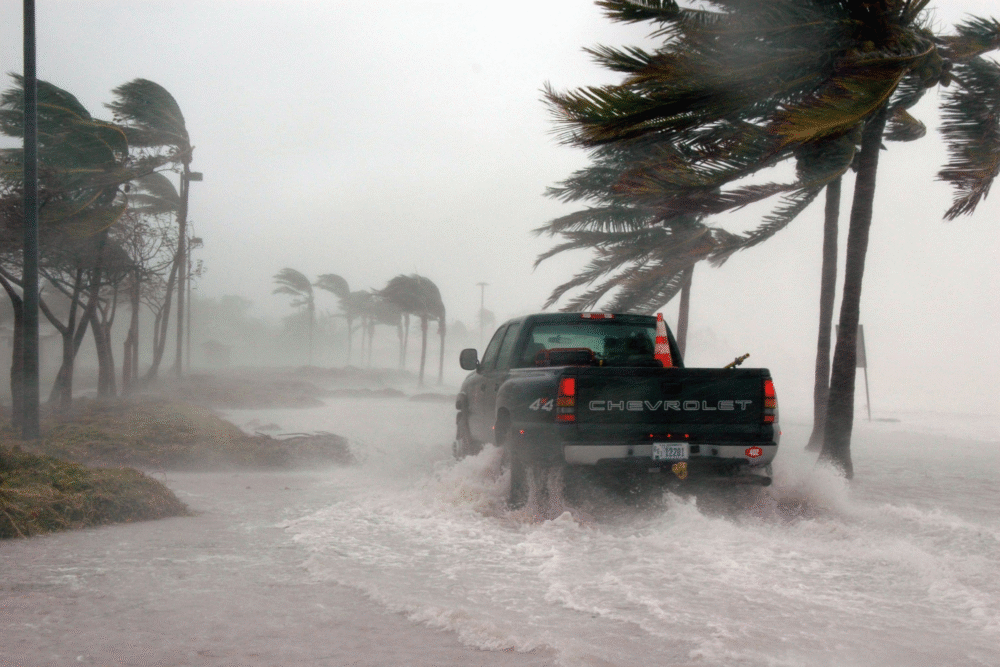
While the city deals with sinking land, the storms hitting it are getting more powerful due to climate change. Warmer ocean temperatures fuel stronger hurricanes that carry more water and create higher storm surges.
The levees were designed to handle storms based on historical patterns, but climate change is rewriting the rulebook. Stronger storms combined with sinking defenses create a scenario that could overwhelm the city’s protection system.
7. Pumping systems can’t keep up with increased rainfall
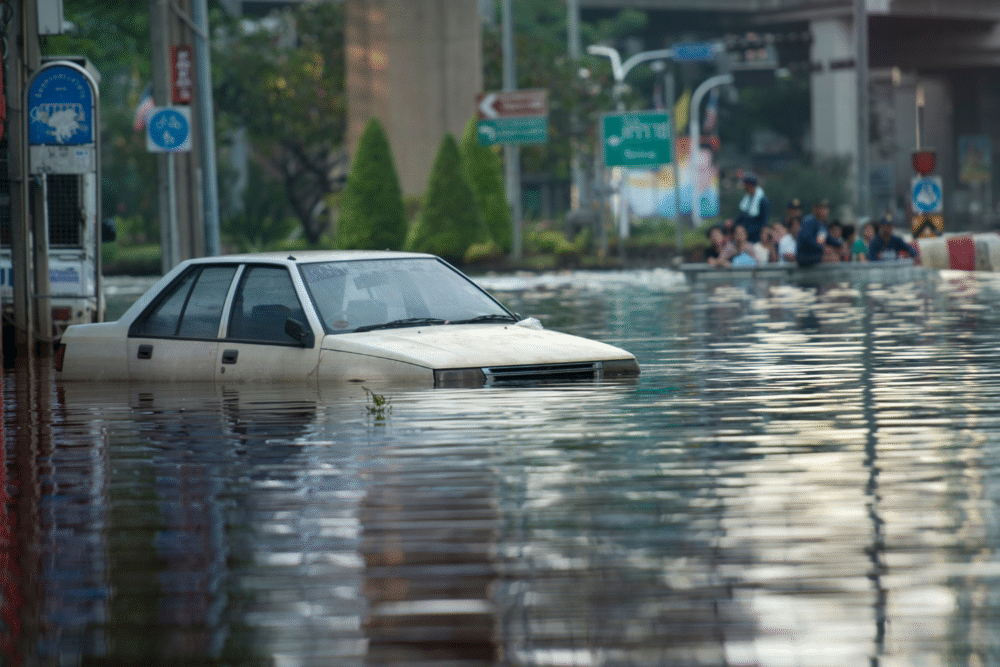
New Orleans depends on massive pumps to remove rainwater from the below-sea-level city, but these systems are struggling with more intense rainfall from climate change. During heavy storms, the pumps often can’t remove water fast enough, causing street flooding even without storm surge.
The pumping stations also contribute to the city’s sinking problem. Removing water from the ground causes the soil to compact, creating a vicious cycle where the city sinks while needing more pumping to stay dry.
8. Levee failures could happen in unexpected places
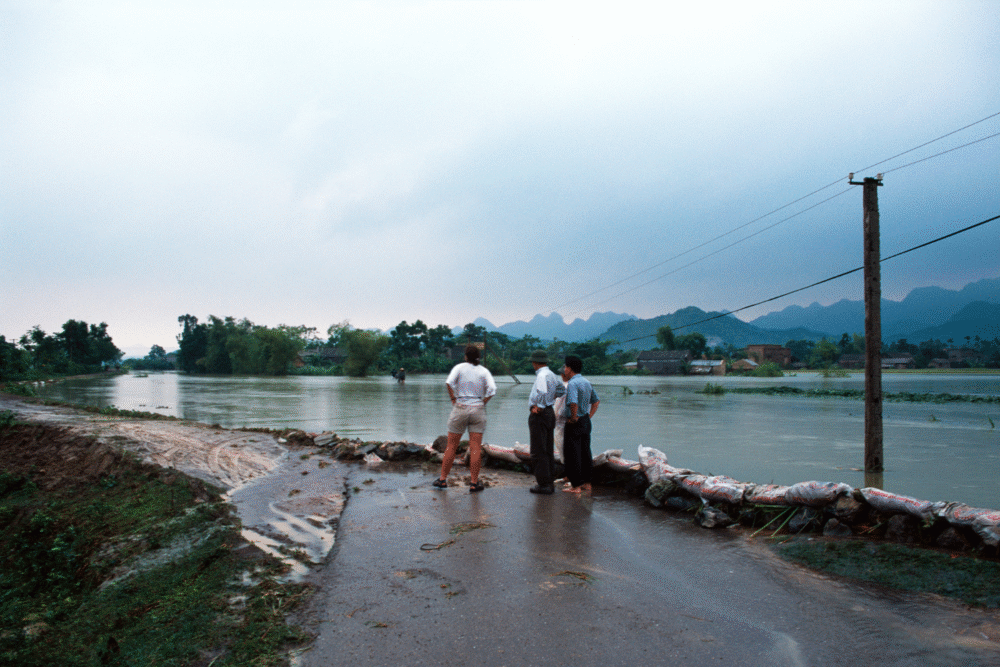
“In a city like New Orleans, where much of the land is already near sea level, even minor drops in elevation can increase flood risk,” said lead researcher Simone Fiaschi. Small changes in elevation can determine which neighborhoods flood first.
The uneven sinking pattern means that levee failures could occur in areas that seem safe on paper. Engineers might focus resources on obvious trouble spots while missing sections that are quietly becoming more vulnerable.
9. Emergency evacuation routes could be underwater

As the city sinks and sea levels rise, the highways and bridges used for hurricane evacuation could be more prone to flooding. If evacuation routes become impassable, residents could be trapped during major storms.
The 2005 Katrina evacuation was already chaotic with working infrastructure. If key roads and bridges fail during future storms, the city could face evacuation disasters that dwarf the original tragedy.
10. The $15 billion investment might not last as long as expected

Scientists warn that sea-level rise and ground subsidence will render the flood barriers inadequate in just four years. The massive post-Katrina rebuilding project assumed the infrastructure would last for decades, not just a few years.
Taxpayers invested billions in flood protection that might need constant, expensive upgrades just to maintain current safety levels. The long-term costs of maintaining sinking defenses could far exceed the original construction budget.
11. Other coastal cities are watching New Orleans as a test case

New Orleans isn’t the only coastal city dealing with sinking land and rising seas, making it a crucial test case for urban flood defense. Cities like Miami, Norfolk, and Charleston face similar challenges and are closely watching how New Orleans handles these problems.
If New Orleans can’t solve its sinking defense problem, it raises serious questions about whether any coastal city can successfully defend against climate change and natural subsidence over the long term.
12. Scientists say continuous monitoring is critical for survival

“These results are a wake-up call,” said co-author Prof. Mead Allison. “We need ongoing monitoring and maintenance to ensure that our flood defenses don’t lose their level of protection beneath us”.
Without constant satellite monitoring and ground measurements, the city won’t know which defenses are failing until a storm tests them. The research shows that inches truly matter in a city where the margin for error keeps shrinking every year.