
Researchers link decades of extreme heat directly to emissions from major fossil fuel companies.
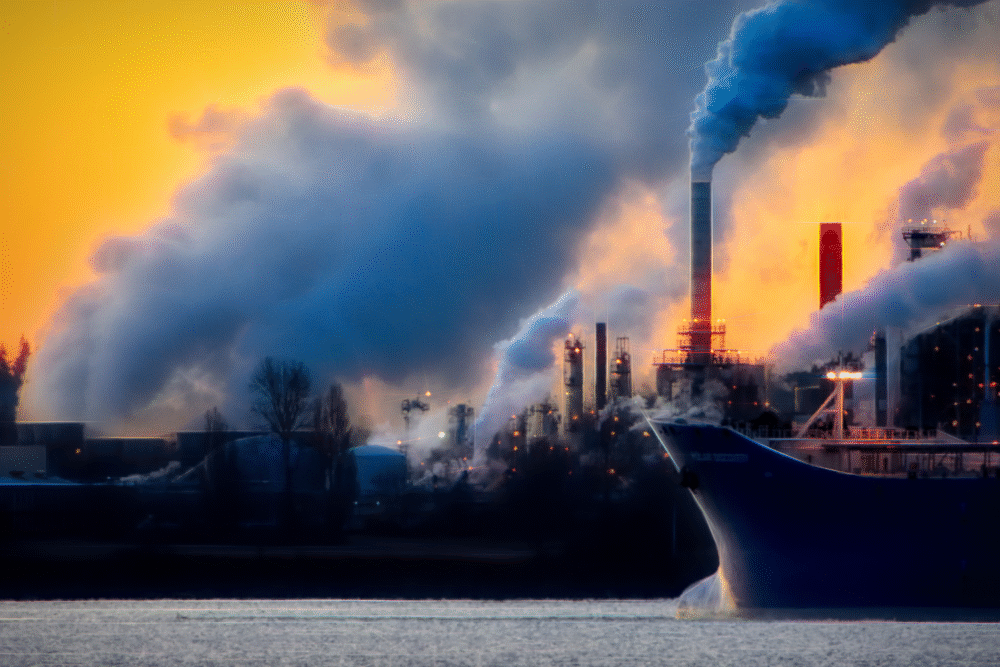
A new study published in the journal Nature directly links every major heatwave since 2000 to emissions from the world’s largest fossil fuel companies. Researchers found that carbon pollution from these corporations has made extreme heat events not only more frequent but also more intense and deadly. The findings highlight how corporate emissions have fueled decades of dangerous warming, placing responsibility for worsening climate impacts squarely on the shoulders of the biggest fossil fuel producers.
1. Landmark Study Ties Heatwaves to Fossil Fuel Giants
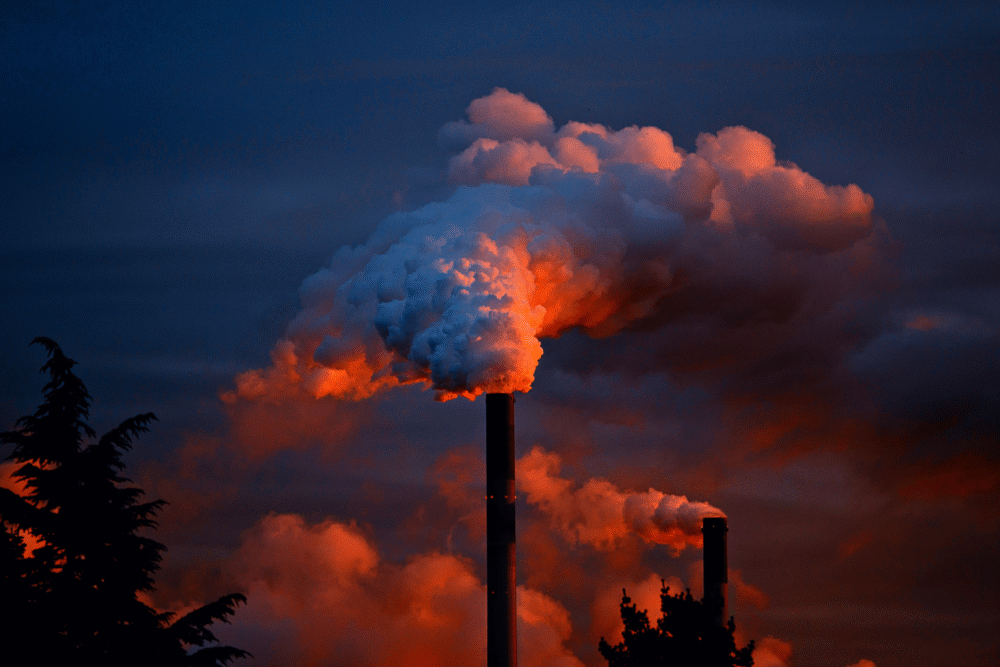
The Nature study breaks new ground by showing a direct link between major heatwaves since 2000 and the emissions of just 14 fossil fuel companies. For decades, scientists have shown that greenhouse gases trap heat, but this research traces the impacts to specific corporate polluters.
The study’s authors stress that extreme heat events didn’t simply happen by chance. Instead, they were made more intense and more likely by the cumulative effect of decades of fossil fuel emissions, much of it tied to a relatively small group of powerful companies.
2. Fourteen Companies Hold Outsized Responsibility

Researchers focused on 14 of the world’s biggest fossil fuel producers, sometimes called “carbon majors.” These include household names like ExxonMobil, Chevron, BP, and Shell, along with state-owned giants such as Saudi Aramco, Gazprom, and China’s National Petroleum Corporation.
Together, these corporations are linked to roughly two-thirds of historic greenhouse gas emissions. By isolating their contributions, the study was able to quantify how much their operations have directly influenced extreme heat events worldwide over the past two decades.
3. Every Heatwave Since 2000 Bears Their Emissions

Perhaps the most striking conclusion is the claim that every major heatwave recorded since the year 2000 can be connected to these companies’ carbon emissions. From Europe’s deadly 2003 heatwave to record-breaking U.S. and Asian summers, all carry their imprint.
The study makes clear that while climate change is global, it is not abstract. It shows how a relatively small number of corporations are tied to suffering, loss, and death on a massive scale through the warming they helped drive.
4. Heatwaves Are Deadlier Than Most People Realize

Heatwaves are sometimes overlooked compared to hurricanes or wildfires, but they are among the deadliest weather events. Extreme heat can kill thousands in a single season by overwhelming the human body, stressing the heart, and worsening lung conditions.
The Nature study reinforces this point by showing that these deadly episodes have been intensified by fossil fuel emissions. In effect, the choices of a small number of companies have put billions of people at greater risk each summer.
5. Corporate Emissions Were Long Documented

What makes these findings more significant is that many of the companies named have known about the risks of carbon pollution for decades. Internal documents from major oil companies show that scientists inside these firms warned of climate dangers as early as the 1970s.
Despite this knowledge, production expanded, and lobbying efforts often sought to cast doubt on climate science. The new research shows how those choices translated into measurable harm, turning abstract warnings into lived reality through worsening heatwaves.
6. The U.S. Has Seen Repeated Extreme Summers

In recent years, the United States has endured record-shattering summer heat across the South, West, and Midwest. Cities like Phoenix and Las Vegas have set records for consecutive days above 110 degrees Fahrenheit. These extremes are part of the pattern tied to corporate emissions.
The Nature study highlights how fossil fuel pollution has made U.S. summers hotter and deadlier. Without this warming influence, many of the longest and most severe heatwaves would have been far less likely, if not virtually impossible.
7. Europe’s Deadly Heatwaves Are Linked Too

Europe has suffered some of the deadliest heat events in modern history, including the infamous 2003 heatwave that killed more than 70,000 people. More recent summers in 2019, 2022, and 2023 have also broken records, sparking wildfires, droughts, and health crises.
The study ties these events directly to emissions from the 14 fossil fuel companies. By increasing global average temperatures, their operations have fueled heat extremes that overwhelm infrastructure and put millions of Europeans at risk during increasingly frequent hot spells.
8. Asia Faces Intensifying Heat Stress

From India’s scorching pre-monsoon heatwaves to record highs in China, Asia has seen deadly summer extremes in recent years. In 2022, parts of India and Pakistan experienced temperatures above 120 degrees Fahrenheit, leading to water shortages and mass suffering.
The study shows these events, too, are linked to corporate emissions. The findings emphasize that the impacts are global, not just regional. Communities across Asia, with billions of residents, face compounding risks as fossil fuel-driven climate change pushes heat extremes to new heights.
9. Heatwaves Are Becoming Longer and More Frequent
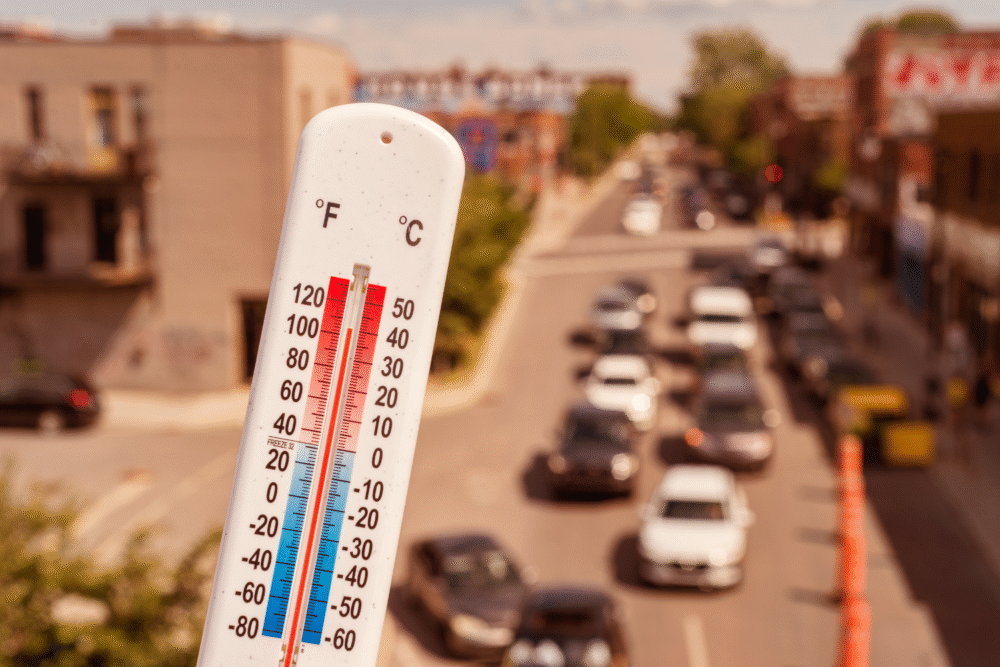
Scientists note that the fingerprint of fossil fuel emissions is not just hotter peaks but also longer heatwaves. Instead of a few days of extreme heat, many regions now endure weeks of dangerous temperatures with little nighttime relief.
The study reinforces that these prolonged events are driven by the warming caused by the named fossil fuel giants. Longer heatwaves strain power grids, stress crops, and increase the risk of mass illness and death, making them among the most dangerous outcomes of climate change.
10. Vulnerable Communities Bear the Brunt

The health impacts of extreme heat are not felt equally. Low-income communities, outdoor workers, and people without access to reliable air conditioning are far more likely to suffer during long hot spells.
By tying heatwaves to specific corporations, the study underscores how the actions of a few have disproportionately harmed the most vulnerable. These findings add weight to ongoing calls for accountability and justice, especially in regions with limited resources to adapt.
11. The Findings Could Fuel Legal Action

The new research may play a role in climate litigation, as courts increasingly weigh evidence tying corporate emissions to specific harms. Demonstrating that heatwaves are directly linked to fossil fuel companies strengthens arguments that polluters should be held financially responsible.
Already, lawsuits have been filed against oil and gas giants by cities, states, and advocacy groups. The Nature study provides a powerful scientific foundation that could shift legal battles over accountability for climate damages.
12. Scientists Call for Urgent Change

The overall message of the Nature study is that fossil fuel emissions are not just abstract numbers—they translate into deadly events happening here and now. Scientists stress that rapid reductions in carbon pollution are essential to limit future heatwaves.
The findings serve as both a warning and a call to action. Without systemic changes to energy production and emissions, summers will continue to grow deadlier, and the same companies identified in this study will remain central to the crisis.