
Discovery of vast natural hydrogen reserves could fuel clean energy and reshape Earth’s future power supply.
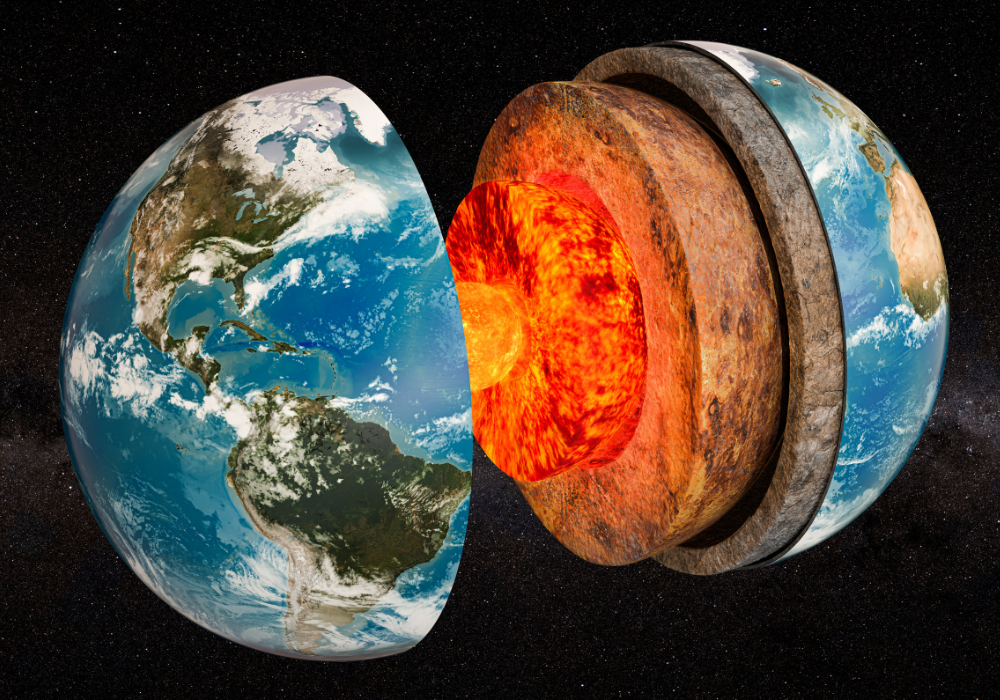
Some discoveries have the power to flip our energy outlook upside down. That’s exactly what’s happening with a new study led by researchers at the University of Oxford, Durham, and the University of Toronto: they found that Earth’s crust has produced enough hydrogen over the past billion years to meet global energy needs for about 170,000 years.
According to Professor Chris Ballentine of Oxford—who helped lead the study—this hydrogen might still be trapped underground, offering a low-carbon energy option the world hasn’t had before. It’s a discovery with huge potential—if we can figure out how to tap into it safely and affordably.
1. Scientists Stumble Upon a Hidden Hydrogen Treasure

Hydrogen wasn’t expected to exist in large, natural reserves. For years, it was believed the gas escaped Earth’s surface too easily to collect underground. Yet recent drilling projects revealed massive deposits in places like Eastern Europe and parts of Africa. These findings caught researchers by surprise, changing how we think about Earth’s geology.
If these reserves prove as widespread as early estimates suggest, they could rewrite energy strategies worldwide. Instead of being a niche resource, hydrogen might become the backbone of a global energy system that is cleaner, safer, and far more sustainable than today’s fossil fuels.
2. Why This Energy Source Could Last for Millennia
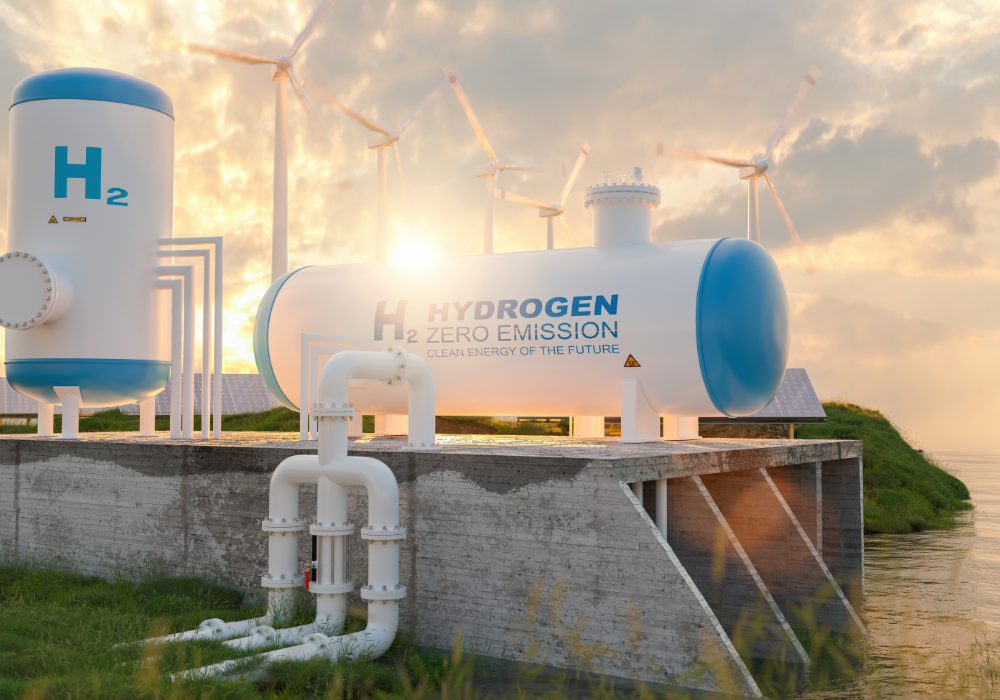
Numbers this big are hard to grasp: 170,000 years of potential energy supply. Of course, not every deposit will be easy or economical to tap, but the sheer scale is staggering. To put it into perspective, most forecasts for fossil fuels measure supply in decades, not centuries.
The discovery suggests hydrogen could serve as a bridge to a future where renewables dominate. Instead of scrambling for short-term fixes, nations could plan long-term systems around a resource that won’t vanish overnight. It’s not an exaggeration to say this could provide energy stability for countless future generations.
3. A Cleaner Alternative to Fossil Fuels
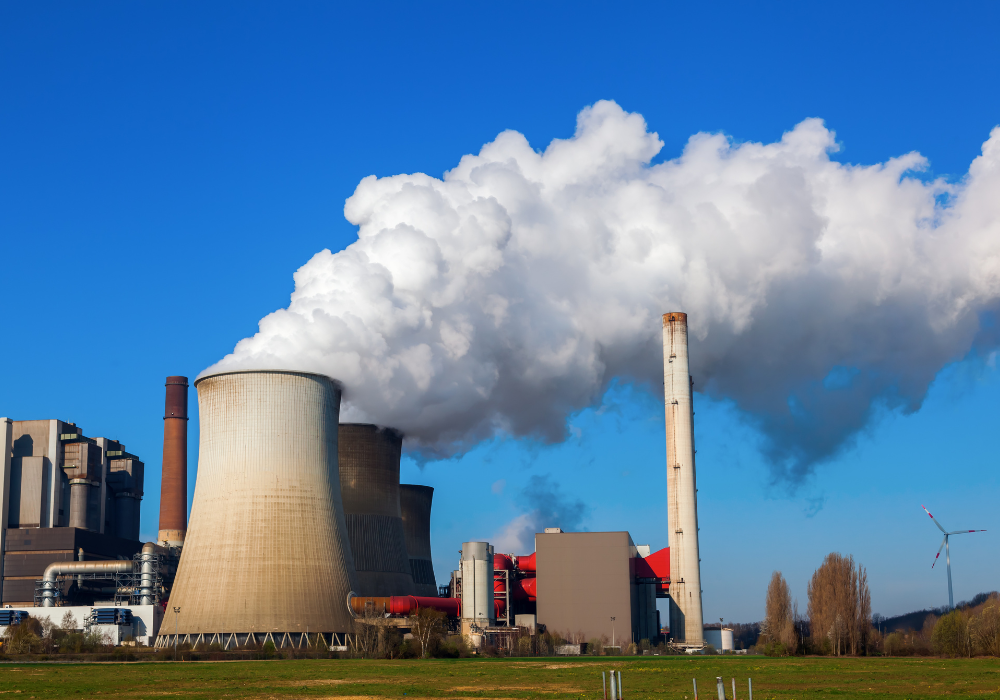
One of hydrogen’s biggest advantages is its environmental footprint. When burned or used in fuel cells, it produces water vapor, not carbon dioxide. That makes it a clean, renewable alternative to oil, coal, and natural gas.
While fossil fuels drive climate change through greenhouse gas emissions, hydrogen could help cut global pollution at the source. If widely adopted, this shift could reduce air pollution, improve public health, and slow the warming of the planet. It’s rare to find an energy source that’s both powerful and environmentally friendly—hydrogen has the potential to check both boxes.
4. How Hydrogen Fits with Wind and Solar

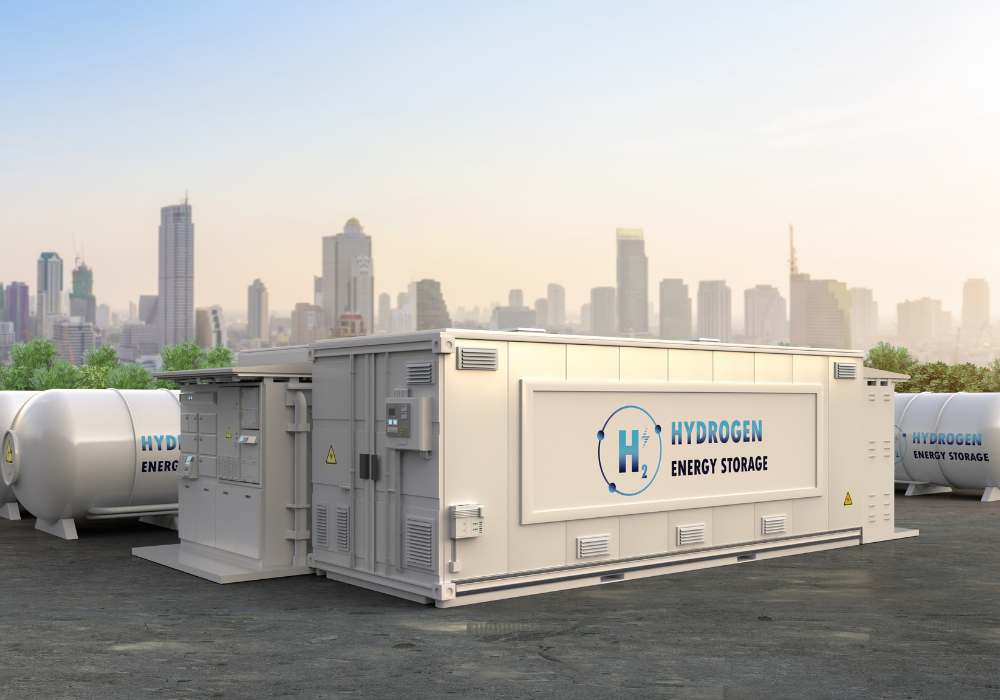
Renewables like solar and wind are vital, but they don’t always deliver consistent power. Hydrogen could fill that gap by storing excess energy and releasing it when needed. Imagine a solar farm producing more electricity than the grid can use—hydrogen production could absorb the surplus.
Later, during a cloudy week, hydrogen fuel cells could return that energy back into the system. This kind of synergy makes hydrogen more than just another energy source. It could become the missing puzzle piece that finally makes renewable energy reliable around the clock, even in places far from sunshine or steady winds.
5. The Technology Catch: Can We Extract It Efficiently?
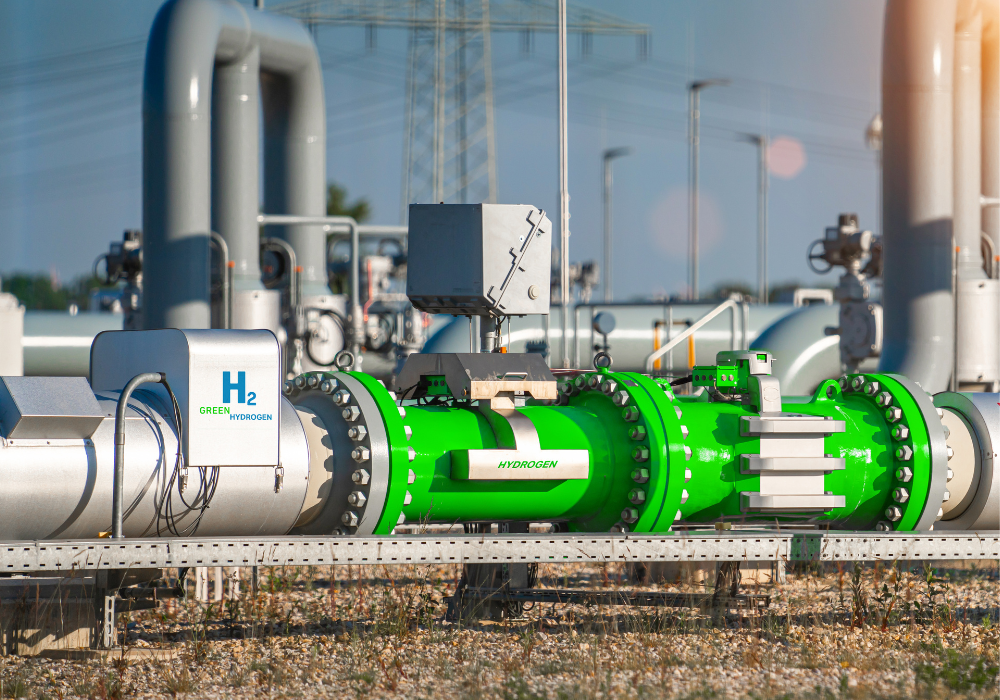
Finding underground hydrogen is one thing; extracting it is another. Right now, the technology for locating, drilling, and storing hydrogen safely is still developing. Unlike oil, hydrogen is the smallest molecule in the universe, which means it can leak easily and requires specialized equipment.
Researchers are working on new drilling techniques and containment systems to make large-scale extraction possible. These challenges are real, but they’re not insurmountable. With growing investment and interest, the tools for tapping into natural hydrogen could arrive much faster than skeptics expect, opening the door to a new energy frontier.
6. Why Geologists Didn’t See This Coming

For decades, textbooks claimed natural hydrogen was too rare to matter. The assumption was that Earth couldn’t hold onto it underground because the molecules were so light. Only recently did drilling projects prove otherwise. It turns out hydrogen can be trapped in rock formations and continually replenished through natural processes deep below the surface.
This means reserves might not just exist—they could regenerate over time. The discovery is forcing scientists to revisit long-held beliefs about the planet’s chemistry. Sometimes, it’s not about what we don’t know, but what we thought we knew that turns out to be wrong.
7. The Global Hotspots for Natural Hydrogen

So far, hydrogen reserves have been confirmed in countries like Mali, France, and the United States. Other regions are now being surveyed, with early signs pointing to Africa, Europe, and parts of Asia as promising sources.
These findings raise geopolitical questions. Could hydrogen reshape energy alliances, shifting power away from oil-rich regions to new players? It’s too early to tell, but the global map of energy resources may look very different in the future. If countries can tap into their own reserves, it could also reduce reliance on imports, strengthening national energy independence.
8. Hydrogen Could Transform Transportation Worldwide

Cars, trucks, trains, and even airplanes could all benefit from hydrogen fuel. Unlike batteries, which take time to charge, hydrogen vehicles can refuel quickly. They also offer longer ranges, making them ideal for heavy-duty transport.
Some automakers are already testing hydrogen-powered fleets, while airlines are experimenting with hydrogen-based jet fuel. If the infrastructure expands, commuters could see hydrogen pumps at gas stations alongside traditional fuels. Transportation is one of the hardest sectors to clean up, but hydrogen offers a real path forward that doesn’t force drivers to compromise on convenience or performance.
9. The Promise for Heavy Industry and Manufacturing
Steel plants, chemical factories, and cement producers are some of the biggest polluters on Earth. These industries rely on fossil fuels not just for power but also for the chemical reactions in production. Hydrogen could replace coal and natural gas in these processes, dramatically lowering emissions.
Some pilot projects are already showing it’s possible to produce “green steel” using hydrogen instead of carbon-heavy fuels. If scaled up, this change could cut billions of tons of emissions each year, making industrial pollution—once thought untouchable—something humanity can actually control.
10. Challenges of Storage and Transport

While hydrogen has amazing potential, storing and transporting it safely is tricky. Because it’s so light, hydrogen requires compression or cooling to very low temperatures, which is energy-intensive. Leaks are also a concern since the gas can escape more easily than heavier fuels.
That said, new technologies are emerging, such as solid-state storage and advanced pipeline systems, that could make distribution more practical. Like any major energy source, infrastructure takes time to build, but history shows that once the right incentives are in place, industries adapt faster than expected.
11. The Economics: Can Hydrogen Compete on Price?

Fossil fuels remain cheap and widely available, which is why they dominate energy markets. For hydrogen to take off, it must compete on cost. Right now, extraction and storage make it more expensive than oil or natural gas.
However, as demand grows and technology improves, the price is expected to fall—just like it did with solar panels and wind turbines. Early adopters will likely pay more, but long-term, hydrogen could become a cost-effective option. Economies of scale and government support may play key roles in determining whether hydrogen becomes mainstream.
12. Could Hydrogen Really Be the Answer to Climate Change?

Hydrogen alone won’t solve global warming, but it could play a massive role in reducing emissions. Unlike fossil fuels, it doesn’t release greenhouse gases when used, and unlike some renewables, it doesn’t depend on weather conditions.
If scaled globally, hydrogen could replace coal in power plants, gasoline in cars, and natural gas in industry. That kind of transition would take decades, but every step forward reduces carbon pollution. While it’s not a silver bullet, hydrogen is one of the strongest candidates for reshaping energy in a way that keeps the planet livable.
13. The Road Ahead: What Happens Next

The discovery of natural hydrogen reserves is just the beginning. Scientists are now racing to map deposits, test extraction methods, and figure out how to integrate hydrogen into existing energy systems. Governments and private companies are already investing billions to speed up research.
There will be challenges, setbacks, and debates along the way, but the momentum is building. If successful, the world could be looking at an energy revolution that lasts far longer than any in human history. It’s a bold possibility—and one that could transform how civilization powers itself for thousands of years.