
Artifacts uncovered in Egypt are shedding new light on how Cleopatra ruled and governed.

New discoveries along Egypt’s northern coast are offering a clearer picture of life during Cleopatra VII’s reign. Excavations near the ancient city of Taposiris Magna, where Cleopatra is believed to have worshipped and possibly sought refuge, have revealed coins, statues, and temple foundations dating to her rule.
These findings shed light on the political and religious climate of late Ptolemaic Egypt, a period marked by alliances with Rome, internal unrest, and the enduring power of one of history’s most enigmatic queens.
1. Archaeologists Are Unearthing New Clues to Cleopatra’s World
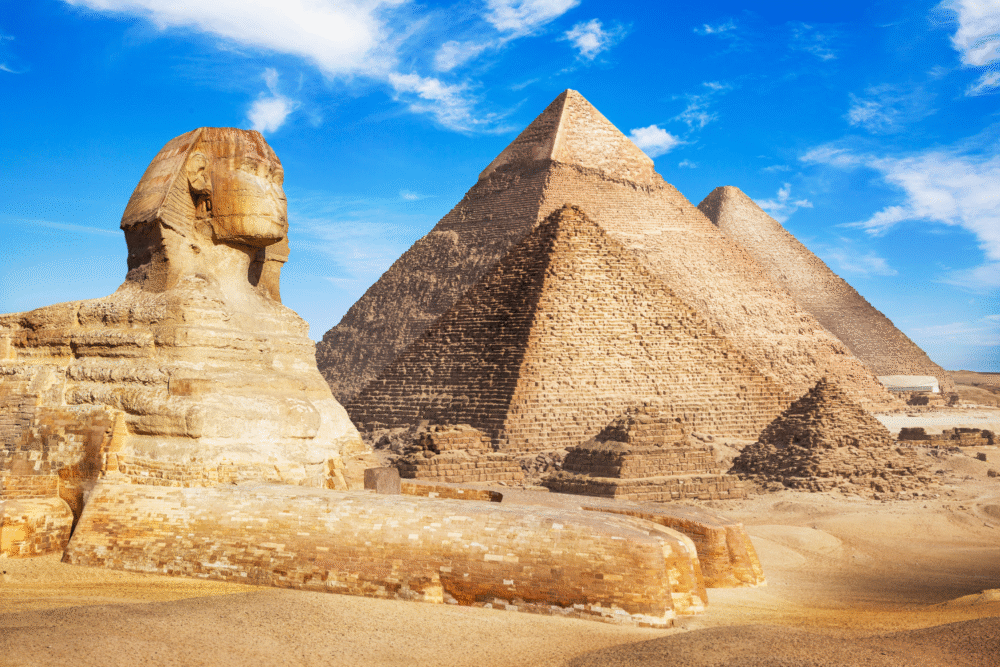
Recent excavations at Taposiris Magna, a coastal city west of Alexandria, have revealed new artifacts dating to Cleopatra VII’s reign. The site, once home to temples dedicated to the goddess Isis, has long intrigued researchers searching for evidence of the final Ptolemaic dynasty.
Archaeologists uncovered coins bearing Cleopatra’s likeness, ancient pottery, and temple structures that suggest the city was an important political and religious center in her time. These discoveries are helping to reconstruct daily life in Egypt’s last royal generation.
2. The Finds Include Temples, Statues, and Royal Inscriptions

Excavation teams led by archaeologist Kathleen Martínez of the University of Santo Domingo uncovered statues of Egyptian deities, ritual jars, and foundation stones carved with hieroglyphic inscriptions. Some artifacts bear symbols linking the site to the Ptolemaic royal family.
These details reveal that Taposiris Magna was not a provincial outpost but a vibrant ceremonial city. Its temples mirrored Alexandria’s religious architecture, suggesting it may have served as a secondary cult center for Egypt’s ruling elite.
3. Coins Offer a Rare Glimpse of Cleopatra’s Image
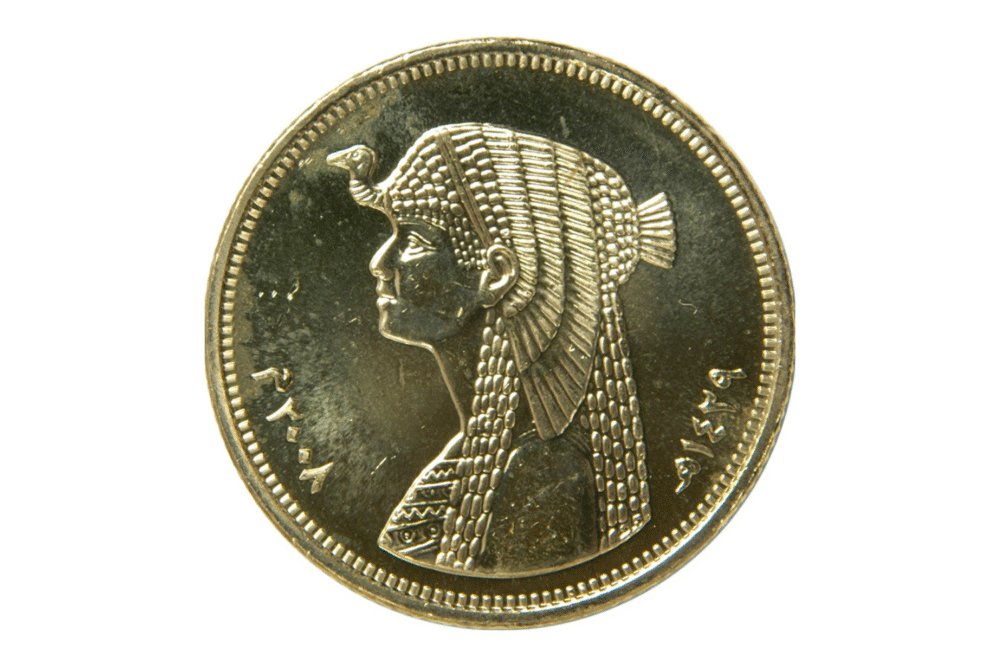
Dozens of bronze coins minted during Cleopatra’s rule were found in near-perfect condition. They depict her with distinctive features—sharp nose, prominent chin, and royal diadem—similar to portraits seen on other artifacts from the era.
Numismatists say these coins confirm Cleopatra’s efforts to assert both Egyptian and Greek identities. By circulating her image widely, she reinforced her authority as pharaoh while aligning herself with the Hellenistic traditions of the Ptolemaic dynasty.
4. Taposiris Magna May Have Been a Refuge in Troubled Times
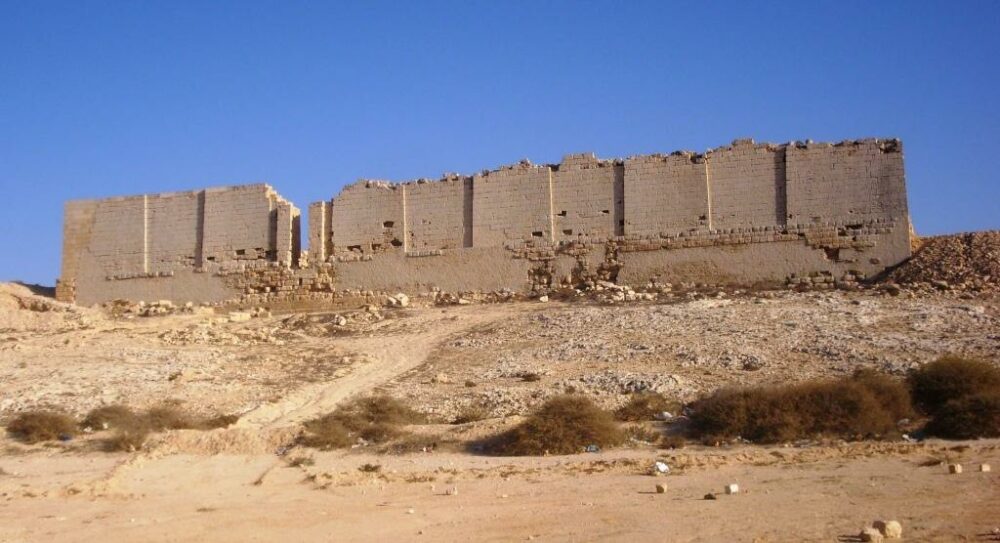
Historical records describe Cleopatra’s final years as politically turbulent, with Egypt under threat from Rome. Some archaeologists believe she may have sought sanctuary at Taposiris Magna after the fall of Alexandria to Octavian’s forces in 30 BCE.
While there is no evidence yet of her burial there, the site’s location along the Mediterranean coast makes it a plausible retreat. Ongoing excavations continue to search for royal tombs or inscriptions that could link directly to Cleopatra herself.
5. The Temple Was Dedicated to the Goddess Isis

Central to the discoveries is a temple dedicated to Isis, the Egyptian goddess of motherhood and magic. Cleopatra often identified herself with Isis, using this association to strengthen her political legitimacy and divine status.
Artifacts found at the site—including amulets and ritual tools—indicate that priests may have conducted ceremonies honoring both the goddess and the queen. This blending of religion and politics was central to Cleopatra’s reign and image as a divine ruler.
6. The Site Reveals How Greek and Egyptian Cultures Intertwined

The Ptolemaic period was a time of cultural fusion between Greek and Egyptian traditions. Excavations show that buildings at Taposiris Magna feature both Hellenistic columns and hieroglyphic carvings, reflecting this dual identity.
Cleopatra embraced both worlds: she was ethnically Greek but ruled as a traditional Egyptian monarch. Archaeologists say the artifacts from this site illustrate how her dynasty balanced two civilizations during Egypt’s final era of independence.
7. Earthquakes and Floods Buried Parts of the Ancient City
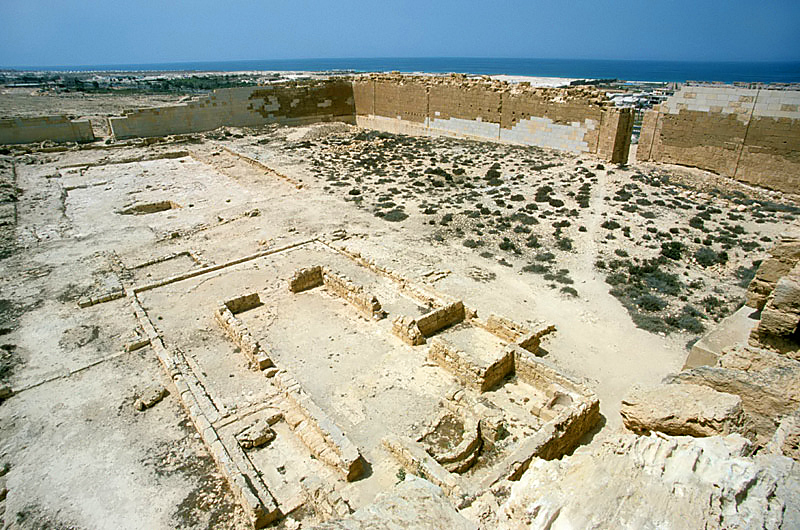
Geologists have confirmed that sections of Taposiris Magna sank after a series of earthquakes and tsunamis between the 2nd century BCE and 8th century CE. Parts of the temple complex now lie underwater off Egypt’s northern coast.
These seismic events likely destroyed or submerged many records of Cleopatra’s reign. Underwater archaeology has since become vital to recovering her world, as divers continue to map ancient harbors and sunken structures that once connected Egypt’s coastal cities.
8. The Discoveries Help Reconstruct Daily Life in Cleopatra’s Egypt

Beyond royal intrigue, the findings include pottery fragments, tools, and household items used by ordinary citizens. These artifacts offer rare insight into how people lived, traded, and worshipped during the queen’s rule.
Researchers say such everyday evidence is crucial for understanding Cleopatra’s Egypt as more than a story of romance and conquest—it was a thriving society of merchants, priests, and artisans living through the final years of ancient Egyptian civilization.
9. Alexandria Remains Central to Cleopatra’s Legacy
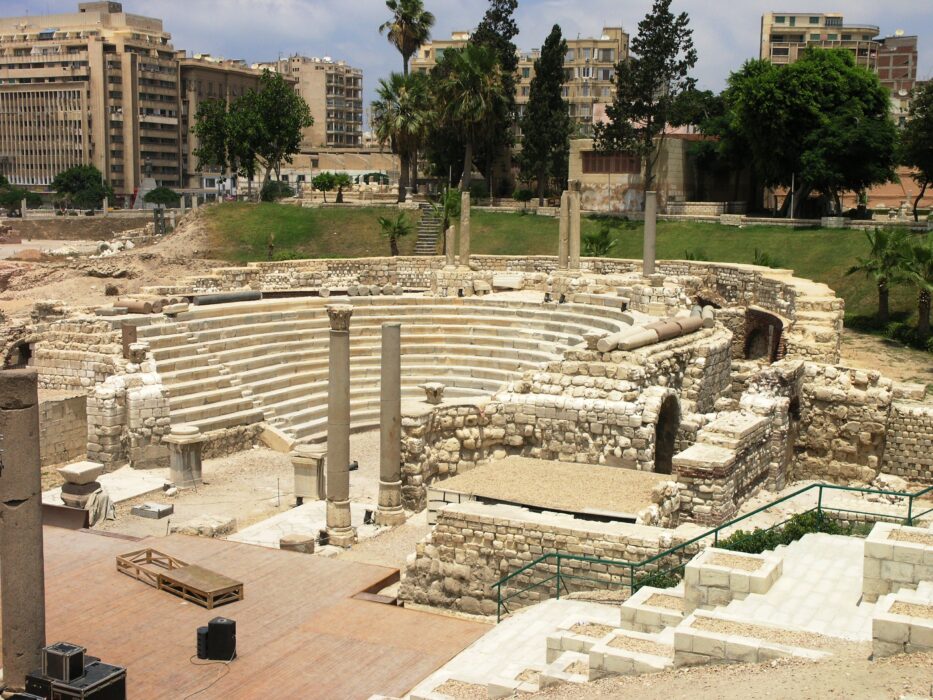
Cleopatra ruled from Alexandria, a cosmopolitan city founded by Alexander the Great that served as the Ptolemaic capital. Archaeological discoveries there—including palace ruins beneath the harbor—show how advanced the city was in architecture, learning, and trade.
Taposiris Magna’s proximity to Alexandria supports the theory that it functioned as an auxiliary religious or administrative hub. Together, these sites reveal the sophistication of Egypt’s final dynasty before Roman annexation.
10. Cleopatra’s Death Marked the End of Ancient Egypt’s Independence
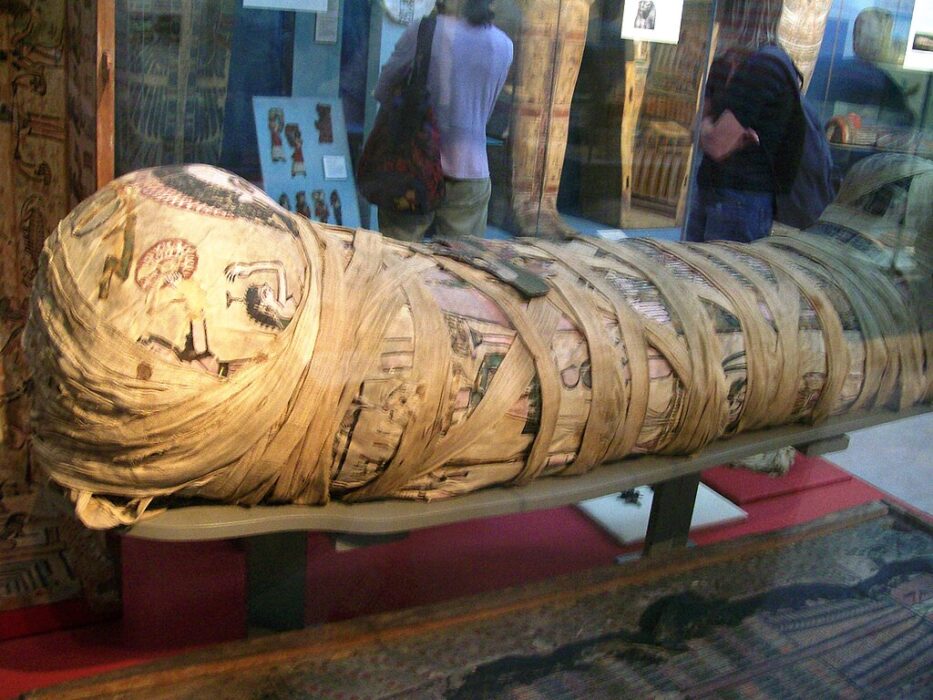
Cleopatra’s defeat and death in 30 BCE marked the fall of the Ptolemaic Kingdom and the beginning of Roman rule in Egypt. Her reign remains one of the most documented—and misunderstood—periods in ancient history.
Archaeologists say new discoveries from her era help separate myth from fact. By studying contemporary artifacts rather than later Roman accounts, historians are forming a more balanced view of her political skill and cultural legacy.
11. Ongoing Excavations Promise More Discoveries Ahead
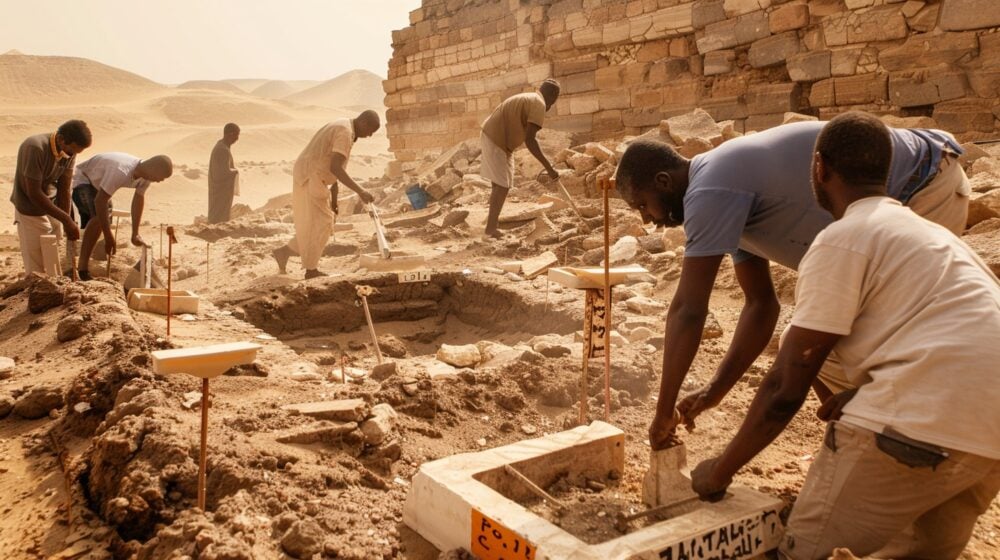
Excavations at Taposiris Magna are ongoing, led by Egyptian and international teams working under the Supreme Council of Antiquities. New technology such as ground-penetrating radar and 3D mapping is helping locate hidden chambers and artifacts.
Researchers hope future finds may clarify mysteries surrounding Cleopatra’s final days and burial site. Even without definitive evidence of her tomb, every new discovery adds context to how she ruled, worshipped, and shaped one of history’s most fascinating civilizations.