
Advanced testing suggests the Shroud’s history may not match earlier carbon-dating conclusions

Recent studies from Italy’s National Agency for New Technologies, Energy and Sustainable Economic Development (ENEA) are reigniting one of history’s most controversial debates.
Using advanced imaging and spectral analysis, researchers claim the faint image on the Shroud of Turin, a linen cloth long believed by some to bear the image of Jesus, shows properties that earlier tests may have overlooked.
The findings suggest the shroud’s markings were not created by paint, dye, or traditional radiation. While the results don’t prove authenticity, they raise new questions that challenge decades of scientific and theological assumptions.
1. The Shroud Has Long Been Both a Relic and a Mystery
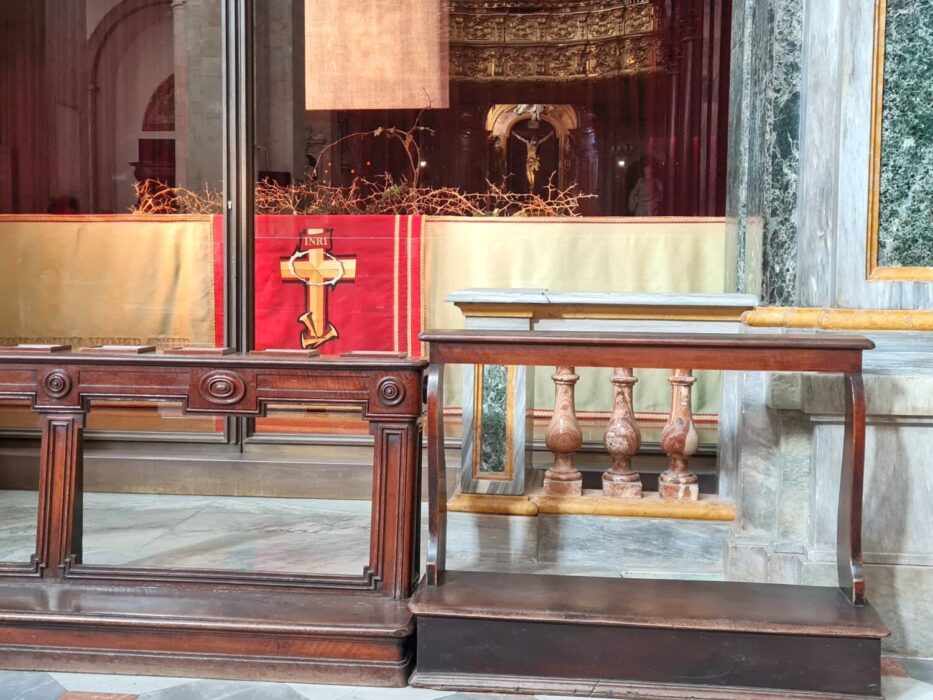
The Shroud of Turin is a 14-foot-long linen cloth imprinted with the faint image of a man who appears to have been crucified. Housed in Turin’s Cathedral of St. John the Baptist, it has been venerated for centuries as the possible burial shroud of Jesus Christ.
Scientists, however, have debated its origin since the 1970s. Previous studies have struggled to explain how the image was formed—a mystery that continues to make the artifact one of the most studied objects in history.
2. Earlier Carbon Dating Suggested a Medieval Origin
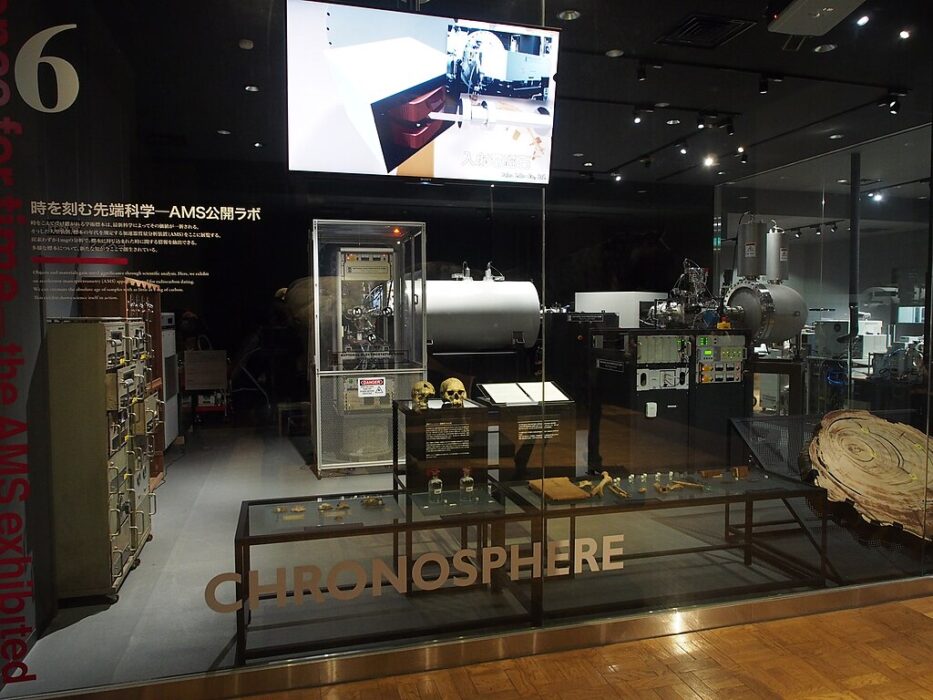
In 1988, radiocarbon testing by laboratories in Oxford, Zurich, and Arizona concluded that the cloth dated between 1260 and 1390 AD—implying it was a medieval creation.
While that finding shaped decades of skepticism, critics have since argued that the tested sample may have come from a repaired section contaminated by later fibers. The new Italian research aims to reexamine the shroud with more advanced technology to determine whether earlier tests accurately reflected the entire fabric.
3. Italian Scientists Used Cutting-Edge Imaging Technology

The ENEA researchers applied high-resolution ultraviolet and infrared light to analyze the linen’s structure at the microscopic level. Their goal was to understand how the image was imprinted without damaging the cloth.
They found that the markings appear on only the uppermost surface fibers—just a few microns deep—and cannot be reproduced with paint, pigment, or burning. This, they say, suggests the image was created by a rapid burst of energy, unlike any known artistic method from medieval times.
4. The Image Shows Unexplained Radiation-Like Properties

The study’s lead physicists reported that the shroud’s coloration resembles a type of photochemical reaction caused by intense, brief bursts of ultraviolet light.
To recreate such an effect in the lab, researchers used high-energy excimer lasers. They concluded that the energy required to produce a similar imprint would be far greater than any technology known to exist in the 14th century. Though the cause remains unknown, the data suggest the image could not have been painted or scorched by hand.
5. New Evidence Challenges the 1988 Carbon Dating

One of the most debated issues remains whether the 1988 carbon dating truly represented the shroud’s full age. Textile experts note that the sample area used for testing may have been woven from repair threads added after fire damage in the 1500s.
The ENEA team’s findings add weight to this theory. Microscopic fiber differences suggest contamination from later restoration efforts, meaning the shroud could be significantly older than previously believed—though its exact age remains unconfirmed.
6. Microscopic Testing Found No Pigments or Brush Strokes

Under advanced imaging, scientists detected no evidence of pigments, binders, or brushwork consistent with painting. Even under electron microscopy, there were no signs of applied substances that could account for the image’s detail.
This discovery supports earlier studies by the University of Padua and the STURP (Shroud of Turin Research Project) team in 1978, which also found no trace of artistic materials. The new results reinforce that whatever created the image was not a traditional artistic or chemical process.
7. The Image’s Three-Dimensional Encoding Still Baffles Experts

Another longstanding mystery is that the shroud’s image encodes three-dimensional spatial data. When mapped digitally, the image reveals proportional depth information, as if it were a natural projection rather than a flat imprint.
The ENEA team confirmed this characteristic remains unmatched by known artistic techniques. Even modern imaging specialists cannot reproduce an identical three-dimensional effect using pigment, photography, or light exposure. This detail continues to intrigue both scientists and theologians.
8. Traces of Pollen Link the Cloth to the Middle East

Separate botanical analyses—most notably by Swiss criminologist Max Frei and later confirmed by Israeli researchers—identified pollen grains from plants native to Jerusalem and the Dead Sea region.
While this doesn’t prove the shroud’s origin, it supports the possibility that the linen spent time in the Middle East before arriving in Europe. Combined with textile studies showing ancient weaving patterns, the evidence adds another layer of complexity to the relic’s history.
9. Blood Analysis Supports the Presence of Real Human Hemoglobin
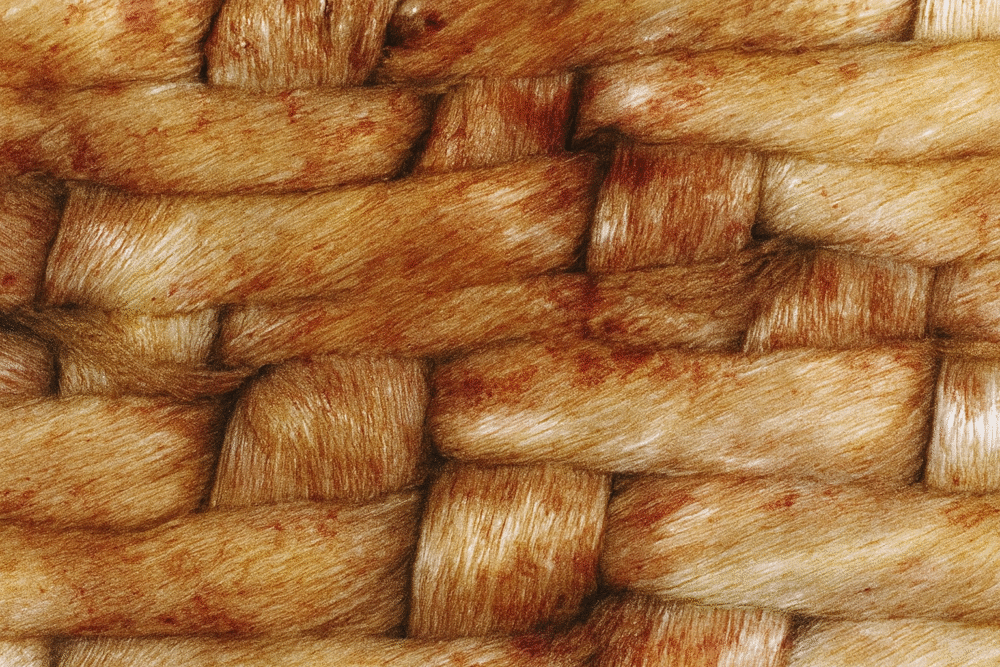
Forensic testing has repeatedly confirmed that the reddish stains on the shroud contain elements consistent with real blood, including hemoglobin and serum separation.
The new study corroborates these earlier findings, identifying patterns of flow and distribution consistent with wounds on a crucified body. While this does not confirm the identity of the individual, it reinforces that the markings are not purely symbolic or artistic additions.
10. Critics Urge Caution About Overinterpreting the Findings
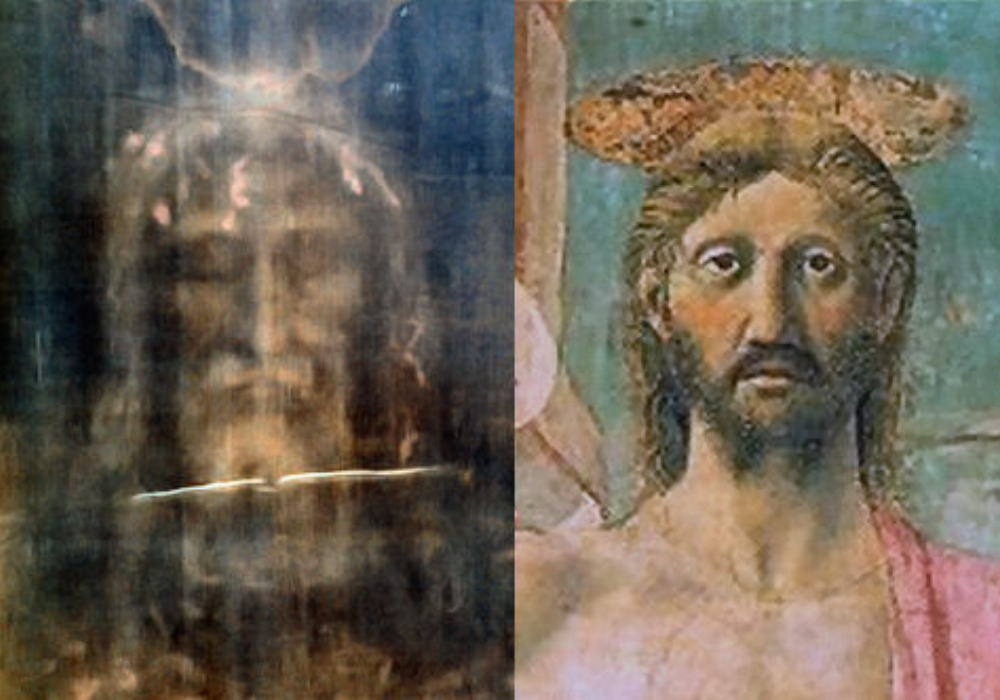
Skeptics argue that while the ENEA research raises new questions, it does not conclusively prove the shroud’s authenticity. The results demonstrate that the image’s formation remains scientifically unexplained—but not necessarily miraculous.
Historians also caution that contamination, restoration, and centuries of exposure could distort readings. Most agree that further interdisciplinary studies are needed before any definitive claims can be made about the cloth’s age or origin.
11. The Mystery Endures—Bridging Faith and Science

Despite decades of analysis, the Shroud of Turin continues to defy simple explanation. The new Italian findings reopen a debate that has captivated believers and skeptics alike for generations.
To some, the evidence strengthens faith in the shroud’s sacred origin. To others, it highlights the limits of scientific understanding when faced with ancient artifacts. What remains certain is that this centuries-old cloth—whether miracle or mystery—continues to challenge humanity’s search for answers at the crossroads of science, history, and belief.