
Evidence shows Neanderthals were sophisticated survivors, not simple cavemen.
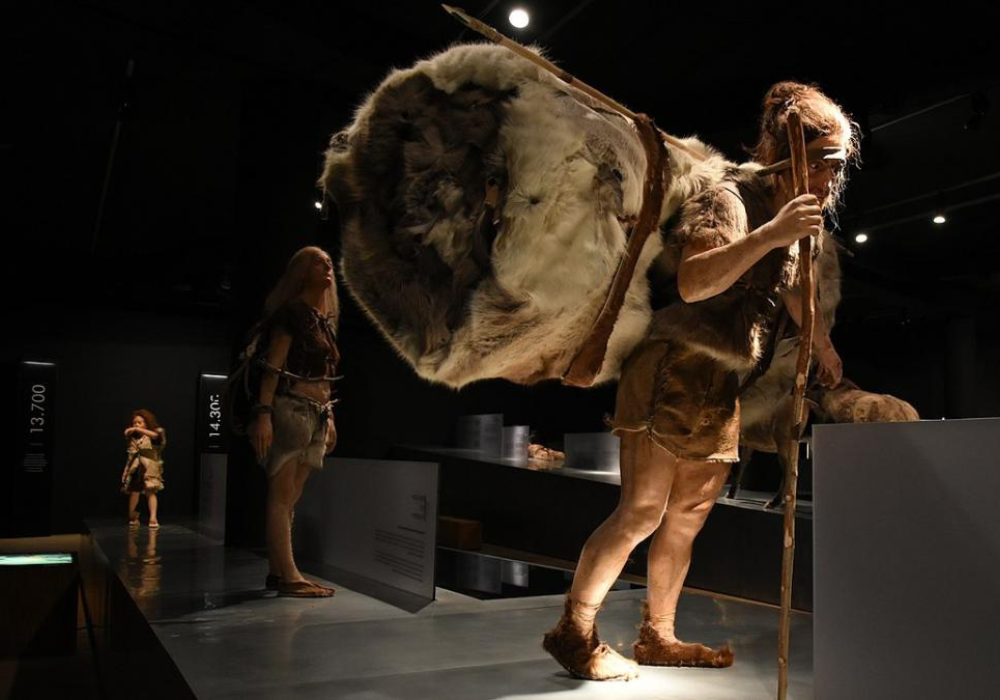
They’ve long been portrayed as lumbering, dim-witted cousins to modern humans, but new archaeological and genetic evidence tells a more complex story. Neanderthals were remarkably resourceful, thriving for hundreds of thousands of years in the freezing landscapes of Ice Age Europe.
They built tools, cared for the sick, and adapted to brutal conditions that would challenge even us today. While they may not have been superhuman, their strength, intelligence, and endurance reveal a species finely tuned for survival.
1. Built for Survival in an Ice Age World

Neanderthals evolved to withstand cold, hunger, and constant physical challenges. Their short, muscular builds helped conserve heat, while dense bones protected them from injury during hunts and harsh winters. They were built for endurance, not speed, with bodies adapted for a brutal Ice Age environment.
But their strength didn’t mean they were superhuman. New genetic evidence shows their muscles were powerful but less efficient than ours. Their survival wasn’t based on being stronger—it came from resilience, cooperation, and an ability to thrive in conditions that would overwhelm most modern humans.
2. Masters of the Hunt
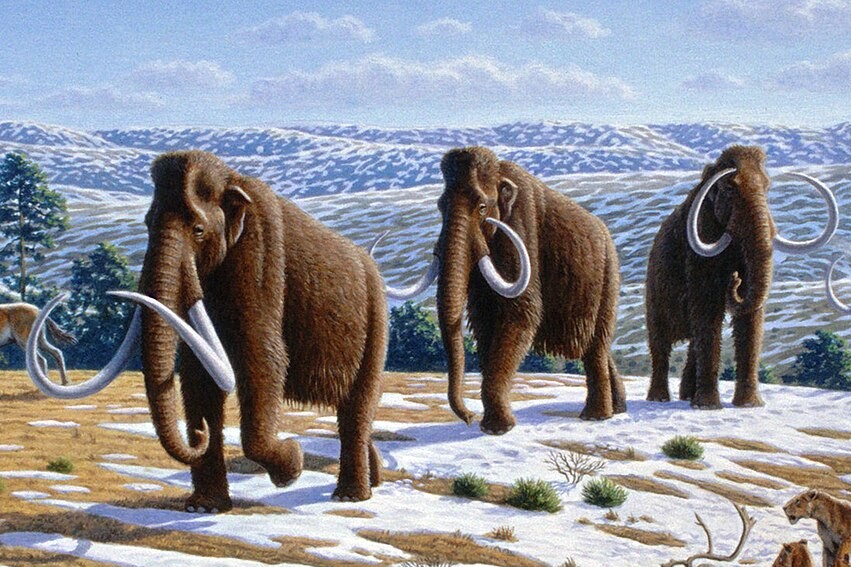
Hunting was the center of Neanderthal life. They tracked giant Ice Age animals like mammoths, bison, and woolly rhinoceroses across frozen plains. Working together, they ambushed prey with stone-tipped spears, using teamwork and planning instead of pure strength.
Their hunting style reveals intelligence and social organization. Each member had a role—scout, hunter, butcher—ensuring survival even when resources were scarce. This coordination set them apart from other species and showed that Neanderthals used strategy, communication, and cooperation to stay alive in a world where a single mistake could mean death.
3. Tools That Prove Their Ingenuity

Archaeologists once thought Neanderthals lacked creativity, but their tools tell another story. They made specialized scrapers for hides, bone-tipped spears, and cutting tools that could carve wood or butcher game with precision.
They even produced birch tar to glue tools together—a process that required controlled fire and chemical knowledge. Each tool type was adapted to its environment, showing innovation, not imitation. Their craftsmanship proves they were far from primitive—they were inventors who understood physics, chemistry, and engineering long before humans recorded such knowledge.
4. Smarter Than We Used to Think
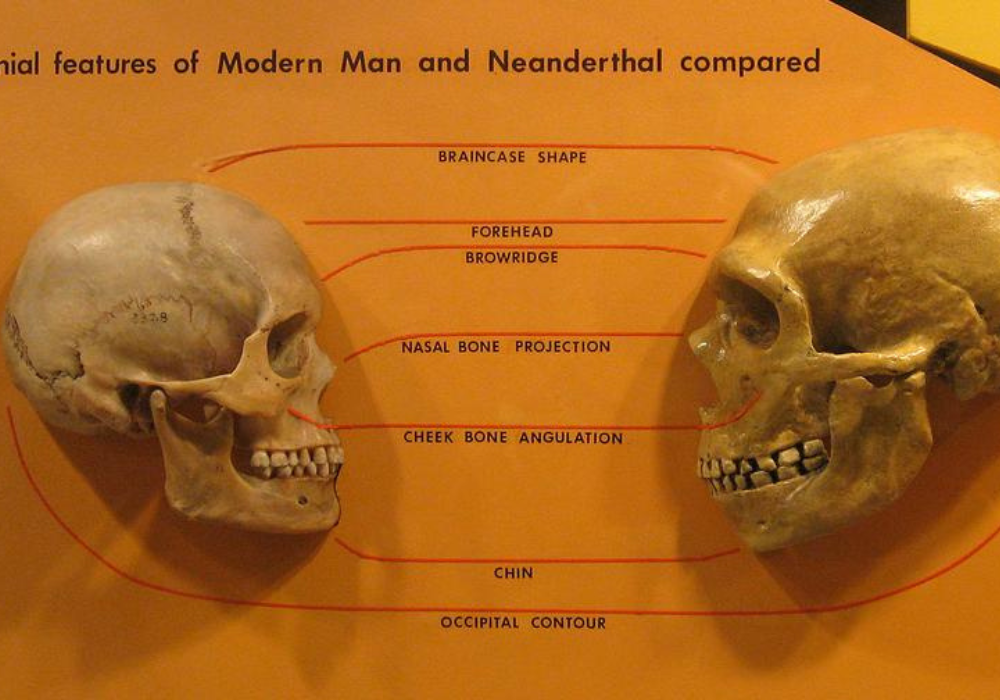
With brains slightly larger than modern humans, Neanderthals were more than instinct-driven hunters. Their enlarged visual and motor regions helped them track movement, read terrain, and predict animal behavior.
While they may not have developed art or complex writing systems like Homo sapiens, their intelligence was specialized for survival. They mastered memory, spatial awareness, and problem-solving, which allowed them to navigate unforgiving landscapes. Their brains weren’t inferior—they were optimized for a different kind of intelligence, one focused on endurance, intuition, and the physical realities of the Ice Age world.
5. Skilled Builders and Fire Keepers
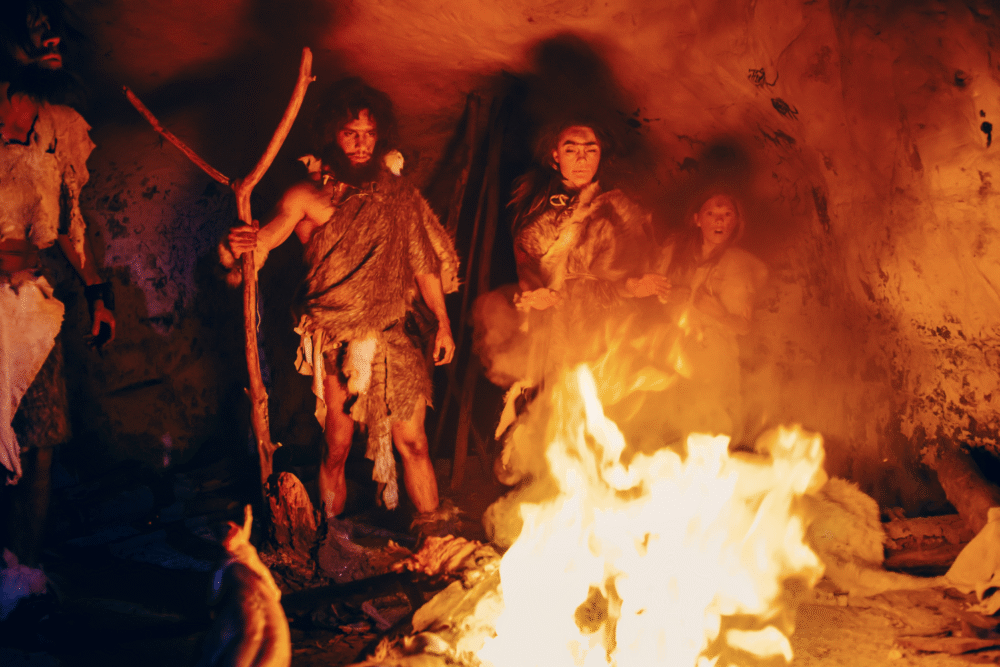
Neanderthals didn’t just live in caves—they built structures using stone, bone, and wood to shield themselves from wind and cold. Excavations reveal rings of mammoth bones that formed walls or frames for shelters, sometimes covered with hides.
They were also masters of fire. Burnt hearths at archaeological sites show that they controlled flame to cook food, provide warmth, and keep predators at bay. Fire gave them the ability to thrive through long, dark winters. It was more than a tool—it was a foundation of their culture and survival.
6. Compassion in a Harsh World
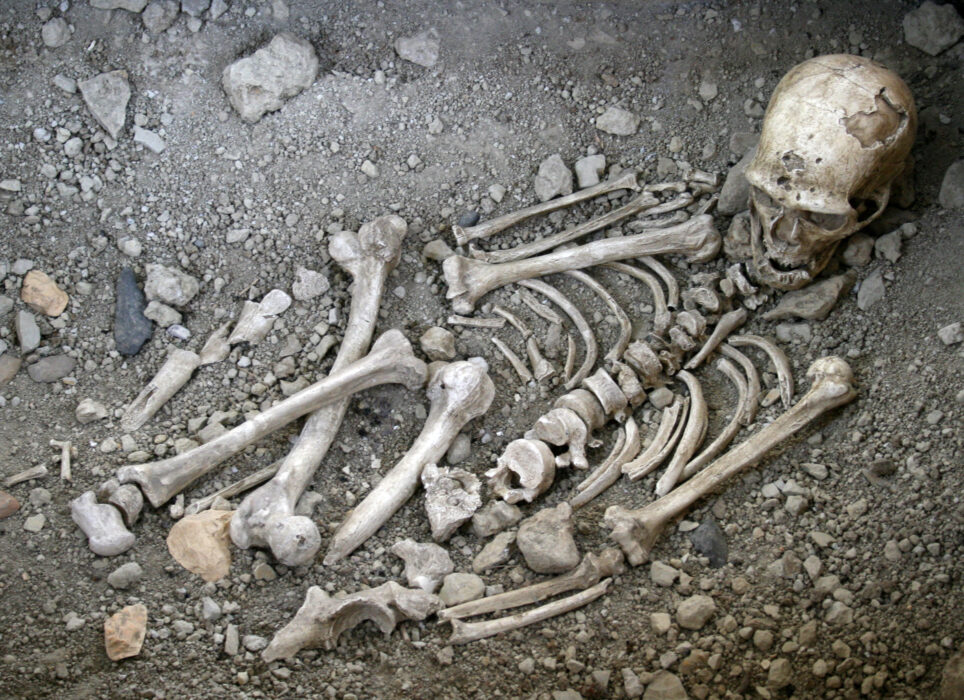
Life for Neanderthals was brutally hard, yet evidence shows they cared for their injured and elderly. Skeletons of individuals who survived serious wounds—like broken bones and blindness—reveal that others must have provided food and protection.
This compassion set them apart from other early humans. They were not just fighters or hunters—they were caregivers and community builders. Their empathy helped them endure centuries of hardship, proving that emotional intelligence was as vital to their survival as physical strength or cunning.
7. A Diet Fit for Survivors

Neanderthals were opportunistic eaters who adapted to whatever their environment offered. In cold climates, they relied on protein-rich diets of large game. In warmer regions, they ate nuts, seeds, tubers, and cooked vegetables.
Residue from their teeth shows they also used medicinal plants like yarrow and chamomile to relieve pain or illness. Their ability to diversify their diet kept them alive during droughts and ice ages alike. Far from being mindless carnivores, they were resourceful foragers with a deep understanding of their ecosystems.
8. They Knew the Power of Symbols

For years, scientists doubted Neanderthals could think symbolically. Then researchers found evidence of jewelry made from shells, pigments used for body paint, and even early cave art. These discoveries suggest they understood beauty, identity, and meaning.
Symbolic behavior points to something profound: self-awareness. Neanderthals may not have written stories, but they expressed themselves in color, adornment, and ritual. These acts bridged survival and spirituality—proof that their minds reached far beyond the hunt.
9. They Shared More With Us Than We Realized

Neanderthals weren’t entirely separate from modern humans—they interbred with early Homo sapiens thousands of years ago. As a result, nearly every person of non-African ancestry carries 1–2% Neanderthal DNA today.
Some of those inherited genes help with immunity and skin adaptation to sunlight. Others are linked to traits like metabolism and even sleep patterns. This shared DNA is a living reminder that Neanderthals didn’t vanish—they became part of us. Their legacy continues in our cells, shaping who we are today.
10. The Mystery of Their Disappearance
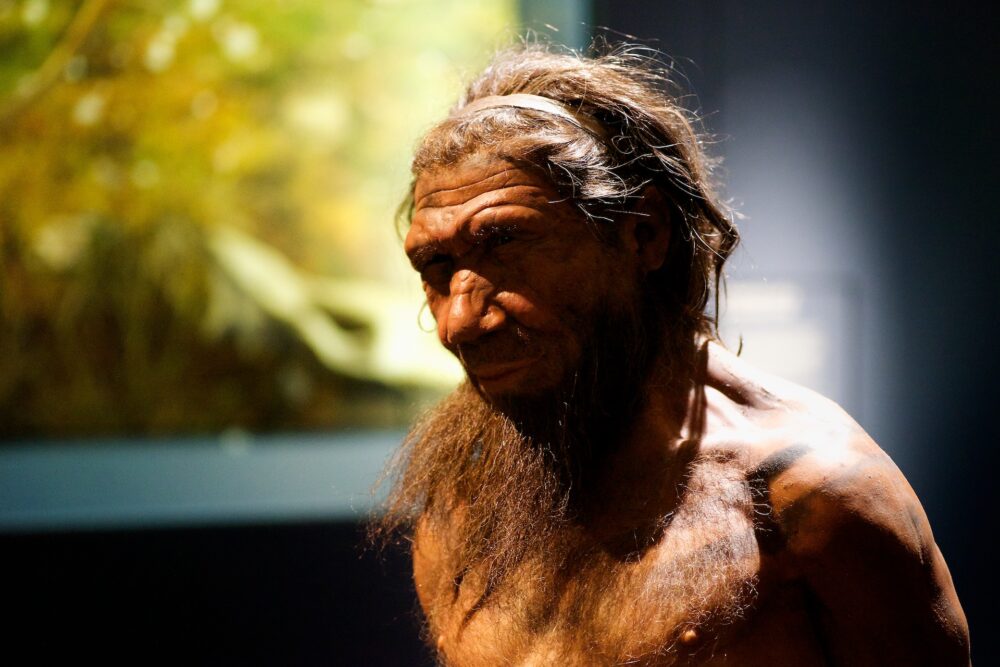
Neanderthals disappeared around 40,000 years ago, but scientists still debate why. Climate change, competition with Homo sapiens, and shifting food sources likely played roles.
Their small, scattered populations couldn’t withstand sudden environmental changes or diseases introduced by modern humans. Still, their extinction wasn’t total defeat. Through interbreeding, their lineage survived, blending with ours. In a sense, they didn’t vanish—they evolved into us, leaving behind one of prehistory’s most enduring mysteries.
11. The Real Legacy of the Neanderthals
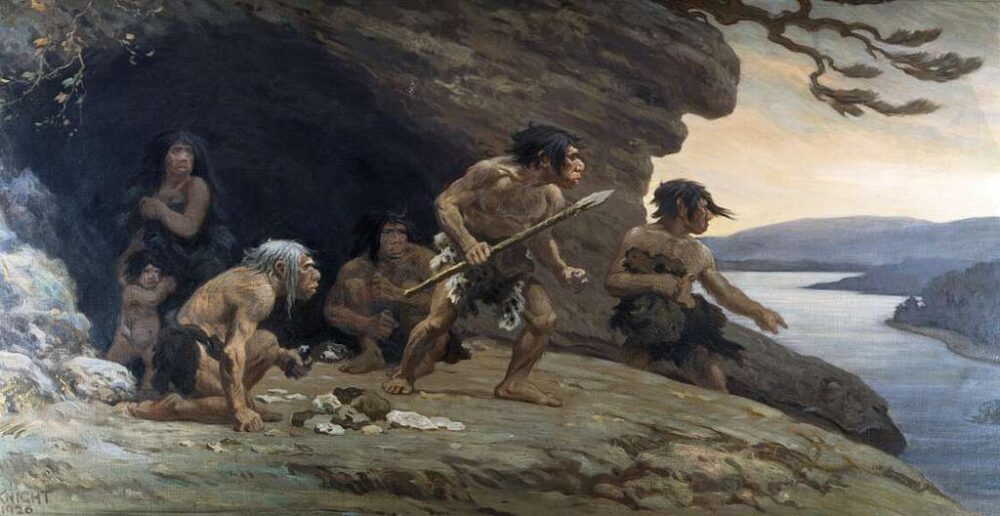
The more scientists uncover, the more Neanderthals resemble us—not monsters, but humans shaped by their environment. They spoke, built homes, cared for loved ones, and passed down knowledge through generations.
Their endurance across hundreds of millennia proves that intelligence and adaptability take many forms. The Neanderthals’ story is no longer one of extinction but of connection. They remind us that survival isn’t about dominance—it’s about resilience, compassion, and the will to keep going when the odds are against you.